Category: Food & Wine

  • Flavor Memory: How Tastes Link Us to the Past

    Flavor Memory: How Tastes Link Us to the Past


    There are moments when a single sip or bite sends you tumbling backward in time. The scent of cinnamon recalls your grandmother’s kitchen. A spoonful of tomato soup brings back sick days home from school. One taste, and you’re there again—eyes closed, heart open, memory awakened.

    This is the power of flavor memory. And for chefs, mixologists, and winemakers, it’s one of the most potent storytelling tools they have.

    The Science Behind Flavor and Memory

    Taste and smell are intimately tied to the limbic system—the part of the brain that processes emotion and memory. Unlike sight or sound, which pass through multiple processing centers, smell and taste go directly to the brain’s emotional core.

    That’s why flavor memories are often more vivid, emotional, and enduring. You don’t just remember the meal—you remember how you felt when you ate it, who you were with, even what the light looked like in the room.
    Chefs Who Cook With Memory

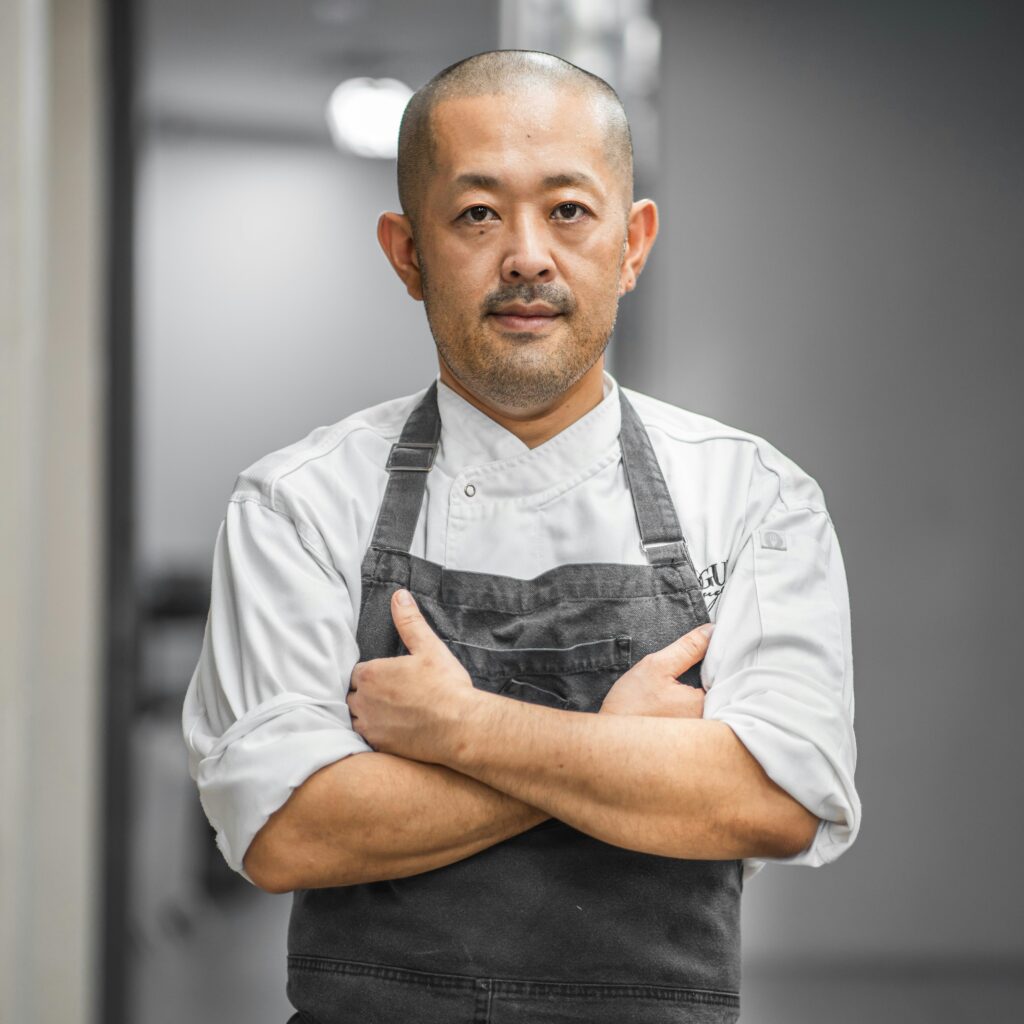
    For many chefs, crafting a dish starts not with ingredients, but with emotion. A dish might be a love letter to a childhood meal or a reinterpretation of something once served on a plastic tray. It’s about honoring where they’ve been.

    Take the trend of elevated comfort food: mac and cheese with truffles, gourmet PB&J, or a delicate broth that echoes the soups of someone’s youth. These are more than just upgrades—they’re invitations to connect, to feel, to remember.

    Cocktails That Tell Stories

    Bartenders and mixologists also tap into nostalgia, using aroma and flavor to evoke specific moments. A cocktail might replicate the scent of a forest after rain or mimic the flavors of a childhood treat, like orange creamsicle or cherry cola—reimagined, of course, with nuance and craft.

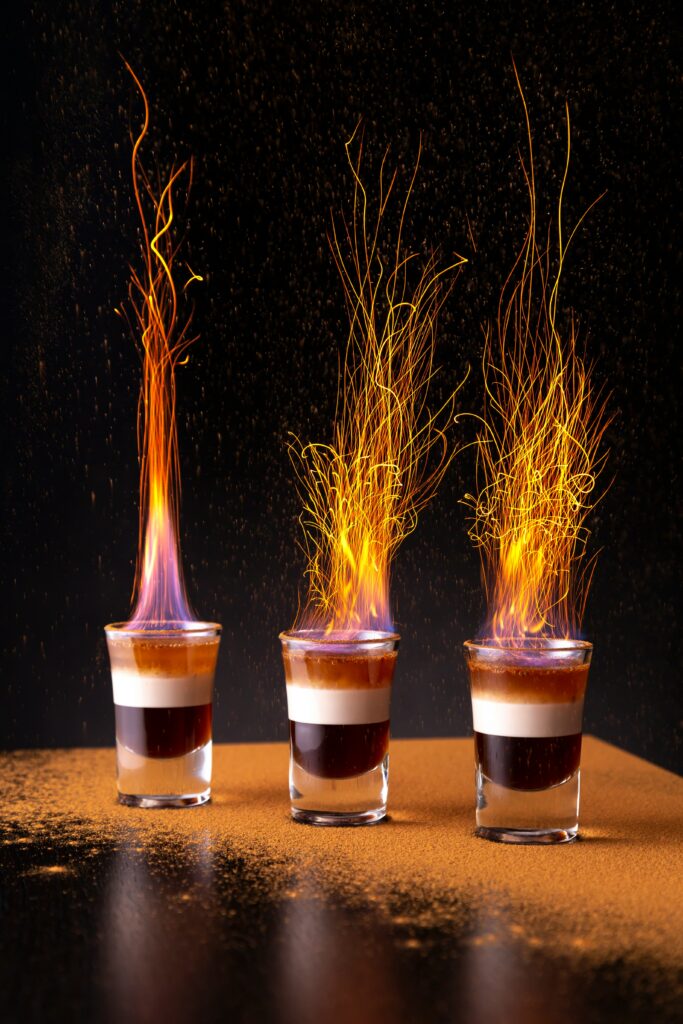
    Smoke, spice, citrus zest—these elements aren’t just decorative. They’re sensory cues that tug at memory. One whiff, and suddenly, it’s summer, or winter break, or a first date.

    Winemakers and the Taste of Place

    Wine is memory in a bottle. It captures a specific harvest, a season, a soil. For winemakers, the idea of terroir—how climate, land, and tradition shape a wine—adds a nostalgic weight to every glass. Drinking wine made from old vines or traditional methods is like drinking history itself.

    And for many wine lovers, one bottle can become a personal time capsule: the one served at your wedding, the vintage from your gap year in Europe, the rosé that defined a beach trip.

    Telling Stories Through the Senses

    Ultimately, flavor memory is about emotion. Food and drink are never just fuel—they’re experience. And when chefs, bartenders, and vintners understand that, they don’t just serve something delicious. They create moments that stick with us.

    In a world moving fast, it’s grounding to know that one bite, one sip, can take us home.
  • The Return of Table-Side Service: Why It’s Cool Again

    The Return of Table-Side Service: Why It’s Cool Again


    There was a time when table-side theatrics—waiters flambéing desserts, tossing Caesar salads, or carving roast duck—felt like relics from a more formal dining era. But lately, what was once old-school is new again. From New York to Bangkok, high-end and hip restaurants alike are reviving the charm of tableside service. Why? Because in a world of fast food and digital ordering, the personal touch is suddenly… cool again.

    Here’s why the return of table-side service is one of the tastiest trends in hospitality.

    A Show With Your Supper

    Let’s be honest—food always tastes better when it comes with a little drama. A flaming crêpe suzette ignited at your table or a martini stirred in a vintage silver shaker right in front of you does more than just whet the appetite. It builds anticipation. It transforms a meal into a performance.

    Today’s diners, especially younger audiences, are craving experiences as much as meals. Table-side service offers just that. It’s not just about what you eat—it’s how it’s served. In an age of Instagram and TikTok, the sizzle and swirl of something made just for you at your table is worth more than a thousand hashtags.

    A Nod to Craft and Care

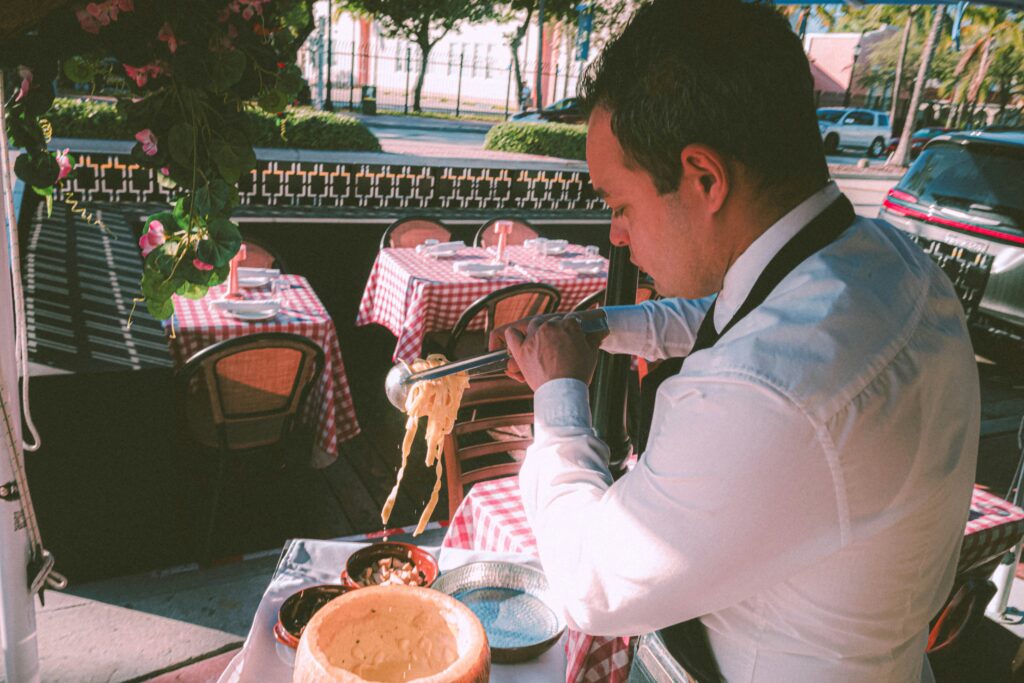
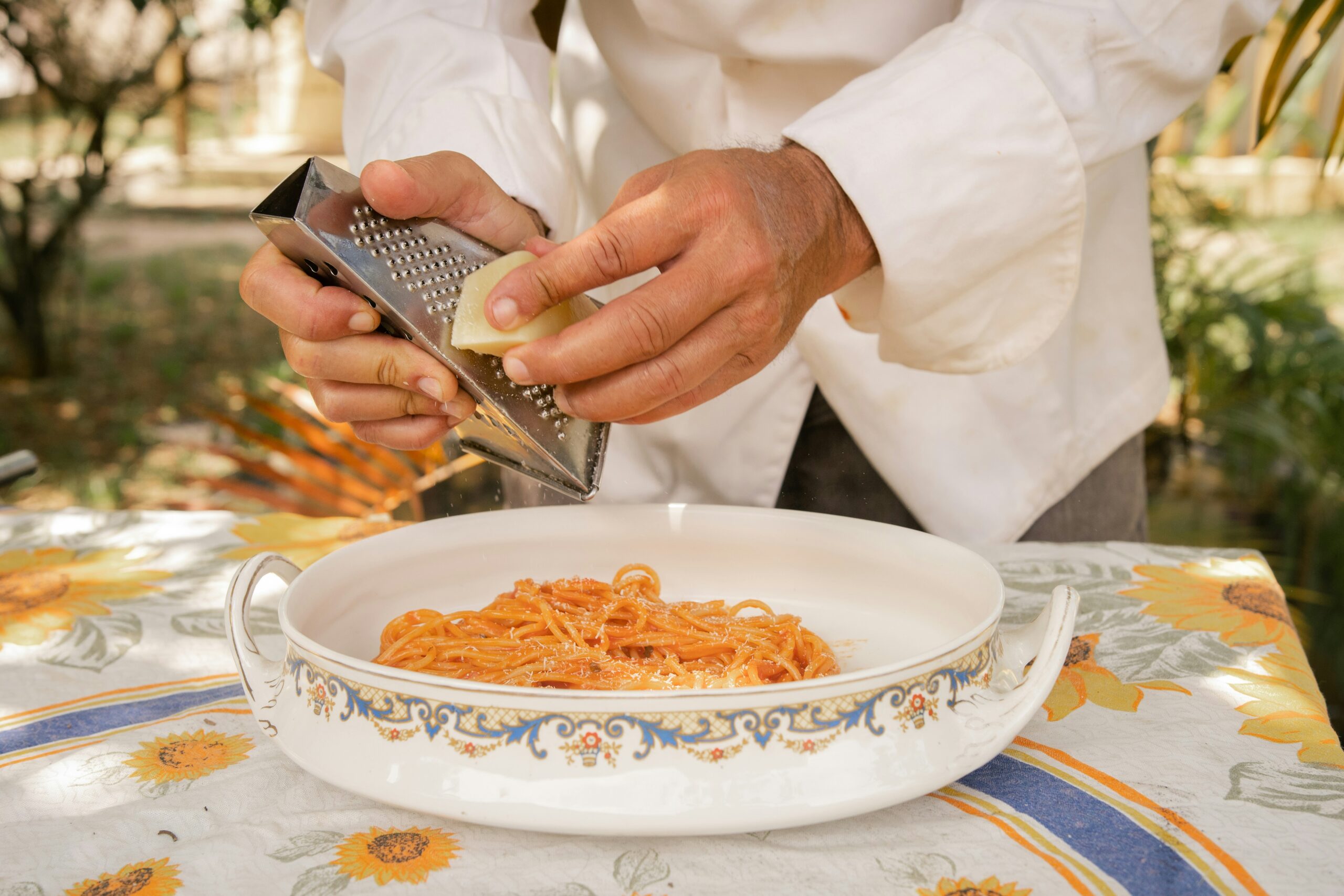
    There’s something deeply satisfying about seeing a dish assembled by hand, right before your eyes. Whether it’s a Caesar salad with anchovy paste folded into the dressing or a pasta dish finished in a giant wheel of Parmigiano-Reggiano, table-side service puts craftsmanship front and center.

    It tells the diner: we care. We’re not just delivering food—we’re curating a moment. It emphasizes the idea that hospitality isn’t just about efficiency; it’s about connection, storytelling, and generosity.

    Modern Twists on Vintage Flair

    The new generation of table-side service isn’t always about tuxedoed servers and white-glove formality. In fact, many modern restaurants are reimagining it with playful, updated energy.

    You might see a mezcal cocktail smoked and swirled at your table with local herbs. Or a tartare made to your taste on a custom cart wheeled over with a mix of international condiments. The tools are old, but the attitude is fresh.

    It’s not about reenacting the past—it’s about reinterpreting it with style, humor, and flair.

    Luxury, Reimagined

    For many diners, table-side service also evokes a feeling of old-school luxury—the kind that once defined cruise ships, supper clubs, and five-star hotels. But what’s interesting now is how it’s being democratized. You no longer need a black card or a special occasion to enjoy the magic.

    At some places, the server will mix your margarita table-side because it’s Tuesday. A brûlée torch might be whipped out just because you ordered the special. It feels indulgent without being inaccessible.

    The Future of Dining Is Personal

    As restaurants bounce back from the pandemic, one thing is clear: people want more intimacy and connection when they go out. Table-side service checks that box. It invites interaction. It sparks conversation. And in many ways, it slows things down—in the best way.

    It also gives the staff a chance to shine. Whether it’s a bartender walking you through the ingredients of your Old Fashioned or a server explaining the layers of a dessert, these moments build relationships between diner and restaurant. And that loyalty is priceless.

    So the next time you’re dining out and a cart rolls up to your table, lean in. The return of table-side service is more than a trend—it’s a small, theatrical reminder that dining can still be full of wonder.

  • Easter Feasting: The Perfect Wine Pairings for Your Holiday Table

    Easter Feasting: The Perfect Wine Pairings for Your Holiday Table

    Easter is just around the corner! Atime of renewal, celebration, and, of course, an incredible feast. Whether you’re serving up a beautifully roasted rack of lamb, seasonal spring vegetables, a sweet-glazed ham, or ending with rich chocolate treats, the right wine can elevate your meal to new heights. Here are the perfect pairings for your Easter table, with two wines for each dish to suit different palates.

    Rack of Lamb & Trimmings

    Lamb is the ultimate Easter showstopper, with its tender, juicy richness and herbal seasonings. A bold wine with structure and depth is the perfect match.

    1. Bordeaux (Left Bank) – With its classic blend of Cabernet Sauvignon and Merlot, a Bordeaux from the Left Bank brings firm tannins, dark fruit flavors, and herbal undertones that mirror the rosemary and thyme often used to season lamb.
    2. Syrah (Northern Rhône, France) – Syrah’s peppery spice, deep blackberry notes, and smoky finish complement the charred crust of the lamb while standing up to the meat’s richness without overpowering it.

    Seasonal Easter Vegetables

    Spring’s bounty is full of vibrant, fresh flavors—from asparagus and peas to artichokes and more. These vegetables need wines with bright acidity and a crisp, refreshing nature.

    1. Sancerre (Loire Valley, France) – This Sauvignon Blanc is known for its high acidity, citrus zest, and minerality, making it a perfect match for fresh green vegetables like asparagus and peas.
    2. Grüner Veltliner (Austria) – With notes of white pepper, green apple, and citrus, Grüner Veltliner provides a wonderful contrast to the delicate, grassy notes of spring vegetables, making every bite taste even fresher.

    Easter Glazed Ham

    The balance of sweet and salty in glazed ham calls for wines that can handle both elements, either by complementing the sweetness or cutting through the richness with acidity.

    1. Riesling (Germany or Alsace) – A slightly off-dry Riesling has just enough sweetness to complement the glaze while its zippy acidity keeps everything balanced, refreshing your palate with each sip.
    2. Pinot Noir (Oregon or Burgundy, France) – A fruit-forward Pinot Noir with bright red cherry, cranberry, and earthy notes provides a perfect contrast to the salty, smoky ham while enhancing its sweet glaze.

    Chocolate Desserts

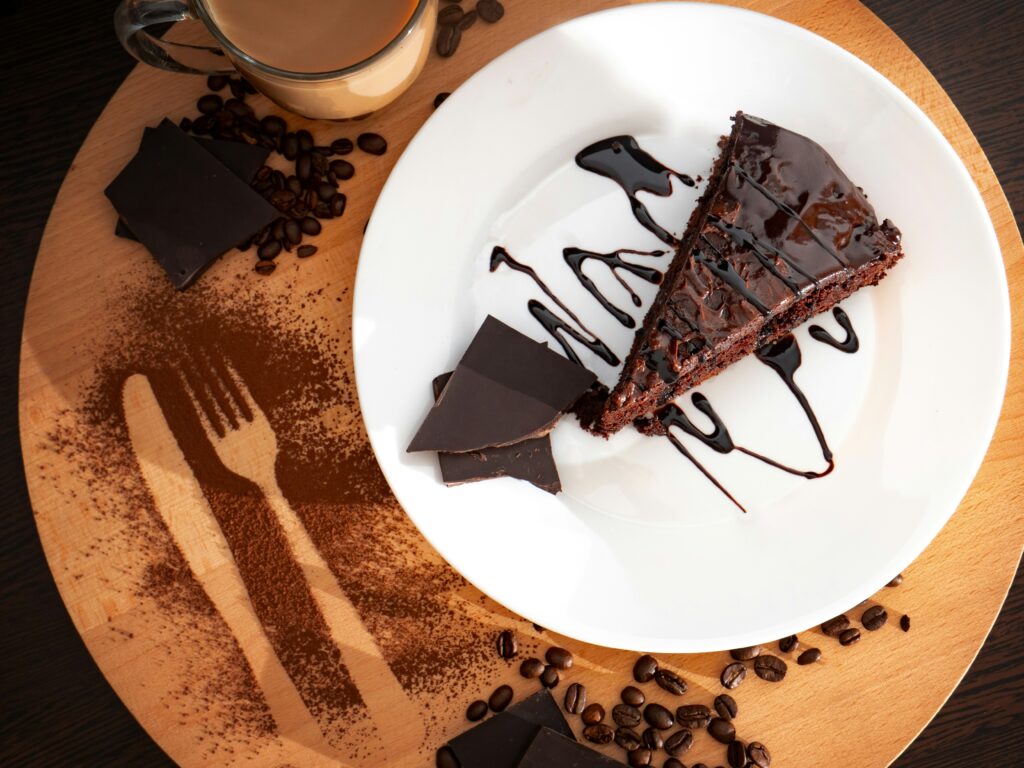
    No Easter celebration is complete without a touch of chocolate, whether it’s a silky mousse, rich cake, or classic chocolate eggs. The right wine can bring out the depth of cocoa and sweetness without being overwhelmed.

    1. Ruby Port (Portugal) – A rich, fruit-driven fortified wine, Ruby Port is packed with blackberries, plums, and a hint of spice, making it a perfect match for dark chocolate.
    2. Brachetto d’Acqui (Piedmont, Italy) – This lightly sparkling red wine has a natural sweetness with notes of strawberries and rose petals, making it an incredible pairing for milk chocolate or fruit-infused chocolate treats.

    This Easter, let wine be the finishing touch to your delicious feast. Whether you prefer bold reds, crisp whites, or something sweet to end the meal, these pairings will bring out the best in every dish. Cheers to a joyful and delicious Easter celebration! 

  • A Taste of Spring: 3 Perfect Pairings to Celebrate the Season

    A Taste of Spring: 3 Perfect Pairings to Celebrate the Season

    March 20th was the first day of spring this year. This is when the air softens, the days stretch a little longer, and the earth awakens with fresh greens and delicate blossoms. It’s a season of renewal, a time to shake off the weight of winter and embrace lighter, brighter flavors. What better way to welcome spring than with food and wine that capture its essence?

    These three pairings celebrate the season’s first harvests, fresh ingredients, and the joy of sharing good things with good company.

    1. Rosé & Prosciutto-Wrapped Asparagus

    Spring’s first green spears poke through the soil like nature’s way of telling us to start fresh. Asparagus is a true sign of the season—tender, grassy, and full of life. Wrap it in silky prosciutto, kiss it with fire on the grill, and you have a perfect balance of crisp and savory. A glass of dry rosé completes the picture, its bright acidity and delicate fruit notes echoing the freshness of the asparagus while playing off the salty, smoky prosciutto. This pairing is like spring itself—light, playful, and full of promise.

    2. Sauvignon Blanc & Pea Shoot & Burrata Salad

    Spring peas bring a burst of sweetness, and their delicate tendrils add a touch of whimsy to any dish. Tossed with creamy burrata, a drizzle of lemony olive oil, and a handful of fresh mint, this salad is like eating a meadow in full bloom. A crisp, citrusy Sauvignon Blanc is the perfect companion—its bright acidity and herbal notes mirror the fresh green flavors and cut through the richness of the cheese. Together, they taste like a cool breeze on a sunny afternoon, the very essence of spring renewal.

    3. Sparkling Wine & Lemon Panna Cotta with Honey

    Spring isn’t just about greens—it’s also about the soft sweetness of blossoms, the golden hum of bees, and the return of sunshine. A silky lemon panna cotta drizzled with floral honey is a dessert that embodies the season’s lightness. The brightness of the lemon reflects the crisp air, while honey brings a touch of early bloom sweetness. Paired with a glass of sparkling wine, it becomes a true celebration—bubbles dancing like sunlight on new leaves, lifting the flavors and making every bite feel like a fresh start.

    Spring is fleeting, a brief and beautiful pause before summer’s heat sets in. These pairings capture its spirit—fresh, lively, and meant to be savored. So gather your friends, pour a glass, and taste the season while it lasts. Cheers to new beginnings!

  • 10 Great Food Festivals to Travel for in 2025

    10 Great Food Festivals to Travel for in 2025

    We are well into 2025, with April right around the corner. Have you made travel plans yet? For those who love to explore the world through their taste buds, food festivals are the ultimate travel experience. From buttery lobster in Maine to rich chocolate in Ecuador, these festivals celebrate regional flavors, culinary craftsmanship, and cultural traditions. Here are ten must-visit food festivals from spring to winter in 2025 that should be on your travel itinerary.

    1. Maine Lobster Festival – Rockland, Maine, USA (July 30 – August 3, 2025)

    Nothing says summer like fresh lobster, and this legendary festival in Rockland is a crustacean lover’s dream. Over five days, thousands of pounds of lobster are cooked in the world’s largest lobster cooker and served in every imaginable form—rolls, bisques, and even deep-fried. Beyond the food, there’s a parade, live music, local craft beers, and the beloved (and hilarious) lobster crate race, where contestants try to run across floating crates without taking an unplanned dip in the harbor.

    2. Galway International Oyster & Seafood Festival – Galway, Ireland (September 26–28, 2025)

    This is the world’s longest-running oyster festival, and for good reason. Each September, the charming Irish city of Galway transforms into a seafood paradise, celebrating the start of oyster season with tastings, cooking demonstrations, and the World Oyster Opening Championship. Pair the briny bivalves with a crisp pint of Guinness and soak up the festival atmosphere with live music and vibrant parades.

    3. Houston Barbecue Festival – Houston, Texas, USA (April 6, 2025)

    For barbecue enthusiasts, this festival is a pilgrimage. Houston’s finest pitmasters gather to serve up a mouthwatering spread of brisket, ribs, smoked sausages, and pulled pork. The event showcases Texas’ legendary barbecue culture, where slow-cooked meats and secret rubs create flavors worth traveling for. Wash it all down with local craft beers while soaking in the smoky, meaty goodness.

    4. Bordeaux Wine Festival – Bordeaux, France (June 2025)

    Every two years, Bordeaux hosts a wine festival that transforms the city’s waterfront into a sprawling “wine road.” This event is a must for wine lovers, featuring tastings from the region’s famed vineyards, including Saint-Émilion and Pomerol. Beyond wine, the festival offers gourmet food pairings, fireworks, music, and interactive wine workshops. The scenic setting along the Garonne River makes for an unforgettable experience.

    5. Melbourne Food & Wine Festival – Melbourne, Australia (March 2025)

    Melbourne’s culinary scene is one of the most dynamic in the world, and this festival highlights its diversity. From intimate dinners with world-class chefs to the famous “World’s Longest Lunch” (a 500-meter-long communal feast), the festival offers an array of experiences for food lovers. Expect everything from fresh seafood to innovative plant-based cuisine, all paired with the best Australian wines.

    6. Salon del Chocolate – Quito, Ecuador (June 2025)

    For chocoholics, Ecuador’s Salon del Chocolate is heaven on earth. The country is home to some of the world’s best cacao, and this festival is a deep dive into the art of chocolate making. Visitors can sample handcrafted chocolates infused with exotic flavors, attend masterclasses with top chocolatiers, and discover why Ecuadorian chocolate is prized for its rich, floral notes.

    7. Bangkok Vegetarian Festival – Bangkok, Thailand (October 1–10, 2025)

    For ten days, Bangkok’s Chinatown is transformed into a vibrant street food haven celebrating vegan cuisine. The festival, rooted in Taoist tradition, features an incredible variety of meat-free dishes, including mock meats that look and taste astonishingly like the real thing. Alongside the food, expect colorful processions, traditional performances, and the mesmerizing spectacle of firewalking ceremonies.

    Of course many Thais will tell you the real celebration happens at its origin in Phuket, but Bangkok’s is more accessible to foreign travelers.

    8. Spirit of Speyside Whisky Festival – Speyside, Scotland (May 1–5, 2025)

    Whisky lovers should mark their calendars for this immersive celebration in the heart of Scotland’s whisky country. The festival offers behind-the-scenes tours of iconic distilleries, exclusive tastings of rare single malts, and scenic adventures through the Speyside region. Whether you’re a whisky connoisseur or a curious beginner, this festival delivers a perfect blend of tradition, storytelling, and fine spirits.

    9. International Paella Competition – Valencia, Spain (September 7, 2025)

    If you think you know paella, think again. In the small town of Sueca, just outside Valencia, the world’s best paella chefs gather to compete for the title of the ultimate paella master. The competition honors the dish’s traditional roots—only the strictest list of ingredients is allowed—but visitors can sample a variety of versions, from seafood-infused to hearty meat paellas. The festival is a full-fledged cultural experience, complete with music, dancing, and plenty of Spanish wine.

    10. Oktoberfest Blumenau – Blumenau, Brazil (October 8–27, 2025)

    Munich’s Oktoberfest may be world-famous, but this lesser-known version in Brazil is a fantastic alternative. Blumenau, founded by German immigrants, hosts a beer festival that rivals its Bavarian counterpart, complete with authentic German brews, bratwurst, and oompah bands. The South American twist? Expect samba-infused celebrations and plenty of sunshine, making it a unique fusion of German tradition and Brazilian flair.

    Food is one of the most immersive ways to experience a culture, and these festivals offer a delicious excuse to pack your bags and explore. Whether you crave fresh seafood, smoky barbecue, or the perfect glass of wine, there’s a festival waiting to indulge your taste buds in 2025.

  • St. Patrick’s Day is Simple With These 3X3 Cocktails & Appetizers

    St. Patrick’s Day is Simple With These 3X3 Cocktails & Appetizers

    St. Patrick’s Day is the perfect excuse to gather friends and family for a fun celebration—but maybe you don’t want to spend hours prepping, or maybe the inside of a kitchen is a foreign land to you. Well, we’ve got you covered! These easy concoctions are perfect for the holiday and will make you look like a rockstar without breaking a sweat. From festive cocktails to simple, no-stress appetizers, you can create a memorable St. Patrick’s Day experience with minimal effort and maximum fun. Here’s how to impress your guests with ease!

    St. Patrick’s Day Cocktails

    1. Wine Cocktail: Shamrock Spritz

    A sparkling wine cocktail with a green twist, the Shamrock Spritz is a light, refreshing drink that’s perfect for St. Patrick’s Day.

    Ingredients:

    • 3 oz Prosecco or sparkling white wine
    • 1 oz Midori (melon liqueur) for a splash of green
    • Splash of club soda
    • Lime wedge for garnish

    Instructions:

    In a glass, combine the Midori and a splash of club soda.

    Fill the glass with ice and top with Prosecco or sparkling wine.

    Garnish with a lime wedge, or add a twist of lime peel for extra flair.

    This wine cocktail is bright and effervescent, bringing the fun St. Patrick’s Day spirit to life. Plus, it’s easy to make and sure to impress!

    2. Spirits Cocktail: Irish Whiskey Sour

    For a classic twist on the Irish theme, the Irish Whiskey Sour brings together the richness of whiskey with the tang of lemon. It’s the perfect drink for those who prefer spirits-based cocktails.

    Ingredients:

    • 2 oz Irish whiskey
    • ¾ oz fresh lemon juice
    • ½ oz simple syrup
    • Ice
    • Lemon slice or cherry for garnish

    Instructions:

    In a cocktail shaker, combine Irish whiskey, lemon juice, and simple syrup.

    Fill the shaker with ice and shake well.

    Strain into a rocks glass filled with ice.

    Garnish with a lemon slice or a cherry.

    This cocktail is simple yet flavorful—an ideal way to celebrate with a bit of Irish tradition.

    3. Beer Cocktail: The Irish Shandy

    A beer cocktail is always a fun way to mix things up on St. Patrick’s Day. The Irish Shandy is a refreshing, easy-to-make drink that combines the crispness of beer with the light sweetness of lemonade.

    Ingredients:

    • 6 oz Irish lager or pale ale (like Guinness or Smithwick’s)
    • 2 oz lemon-lime soda or ginger ale
    • Lemon slice for garnish

    Instructions:

    In a glass, pour the Irish lager or pale ale halfway.

    Top with lemon-lime soda or ginger ale.

    Stir gently and garnish with a slice of lemon.

    This beer cocktail is light and effervescent, making it perfect for a St. Patrick’s Day toast. Plus, it’s so simple that even the most inexperienced mixologist can create it effortlessly.


    Easy Appetizers to Pair with Your Cocktails

    Now that you’ve got your drinks sorted, let’s talk about food! These three appetizers are perfect for St. Patrick’s Day and can be whipped up in under five minutes. Even if you’ve never cooked before, you can impress your guests with these easy recipes.

    1. Mini Guacamole Cups

    Mini guacamole cups are a fun twist on a classic dip, and they pair beautifully with the Shamrock Spritz or Irish Whiskey Sour.

    Ingredients:

    • Pre-made guacamole (store-bought or homemade)
    • Tortilla chips or mini taco shells
    • Lime wedges for garnish

    Instructions:

    Fill mini taco shells or small cups with store-bought or homemade guacamole.

    Top with a wedge of lime for a fresh, citrusy touch.

    Serve alongside tortilla chips for extra crunch.

    This appetizer is fresh, flavorful, and perfect for pairing with your cocktails.

    2. Caprese Skewers

    These bite-sized caprese skewers are a simple, elegant option that pairs well with the Irish Shandy. They offer a burst of flavor without requiring any cooking!

    Ingredients:

    • Cherry tomatoes
    • Fresh mozzarella balls or cubes
    • Fresh basil leaves
    • Olive oil and balsamic vinegar for drizzling

    Instructions:

    Thread a cherry tomato, a basil leaf, and a mozzarella ball or cube onto small skewers or toothpicks.

    Arrange on a platter and drizzle with olive oil and balsamic vinegar.

    Serve immediately for a fresh, vibrant appetizer.

    These caprese skewers are quick to make, light, and refreshing—perfect for balancing out the richness of the beer cocktail.

    3. Smoked Salmon and Cream Cheese Bites

    Smoked salmon pairs beautifully with both the wine and spirits cocktails. These smoked salmon and cream cheese bites are perfect for anyone looking for something a bit more luxurious but still easy to prepare.

    Ingredients:

    • Smoked salmon slices
    • Cream cheese
    • Cucumber slices
    • Fresh dill for garnish

    Instructions:

    Spread a small amount of cream cheese on each cucumber slice.

    Top with a slice of smoked salmon.

    Garnish with fresh dill.

    These are perfect bite-sized treats that pair perfectly with your drink selection and will add a touch of sophistication to your celebration.

    This St. Patrick’s Day, entertaining doesn’t need to be complicated. With a few simple cocktails and easy appetizers, you can impress your guests without the stress. From the refreshing Shamrock Spritz to the savory smoked salmon bites, these easy-to-make recipes are sure to delight. Cheers to a festive and enjoyable celebration!

  • By Popular Demand: More Unexpected Plant-Based Food and Wine Pairings You Need to Try

    By Popular Demand: More Unexpected Plant-Based Food and Wine Pairings You Need to Try

    You asked for more, so here it is! Our last blog on unique plant-based food and wine pairings sparked so much interest that we had to continue the conversation. Whether you’re fully plant-based or just looking to expand your pairing game, these combinations will bring out the best in both your food and your wine. PS: We did 10 this time!

    1. Thai Green Curry and Riesling (Germany)

    Spicy, aromatic, and creamy, Thai green curry is a complex dish that needs a wine with the right balance of sweetness and acidity. Enter Riesling, a classic pairing for spicy foods. A German Riesling with a hint of residual sugar tames the heat while enhancing the citrus and herbal notes of the curry.

    Why It Works: The natural sweetness of Riesling softens the spiciness, while its acidity refreshes the palate between bites. The floral and citrusy undertones also complement the lemongrass and coconut milk in the dish.

    2. Mediterranean Mezze Platter and Assyrtiko (Greece)

    A mezze platter—loaded with hummus, baba ganoush, olives, stuffed grape leaves, and fresh vegetables—brings together a variety of flavors and textures. A crisp Greek Assyrtiko provides the perfect backbone with its bright acidity and minerality.

    Why It Works: Assyrtiko’s high acidity cuts through the richness of dips like hummus while enhancing the briny, savory notes of olives and grape leaves. It’s an effortlessly Mediterranean pairing.

    3. Spicy Lentil Tacos and Gamay (France)

    Lentil tacos are a hearty, spicy, and protein-packed plant-based alternative to traditional tacos. A juicy, fruit-forward Gamay (like a Beaujolais) provides a light, refreshing contrast.

    Why It Works: Gamay’s bright berry flavors and low tannins complement the smoky spices in the lentils without clashing. Its refreshing nature also balances out the heat from salsas or chili peppers.

    4. Eggplant Parmesan and Montepulciano d’Abruzzo (Italy)

    Eggplant Parmesan is rich, cheesy (thanks to plant-based alternatives), and full of tomato goodness. It calls for a bold, Italian red like Montepulciano d’Abruzzo, which has enough acidity to cut through the dish’s richness.

    Why It Works: The vibrant acidity in Montepulciano balances the tangy tomato sauce, while its dark fruit flavors complement the roasted eggplant. Plus, the tannins stand up to any creamy plant-based cheese used in the dish.

    5. Miso-Glazed Eggplant (Nasu Dengaku) and Sancerre (France)

    Miso-glazed eggplant is an umami bomb—sweet, salty, and deeply savory. It pairs beautifully with a crisp Sancerre, a Sauvignon Blanc from France’s Loire Valley.

    Why It Works: Sancerre’s minerality and citrus notes bring out the caramelized miso glaze’s depth while cleansing the palate from the eggplant’s silky texture.

    6. Vegan Mushroom Stroganoff and Syrah (Australia)

    Mushrooms provide a meaty, umami-packed base for a plant-based Stroganoff. A bold Australian Syrah (Shiraz) matches the dish’s depth with its dark fruit, pepper, and earthy notes.

    Why It Works: Syrah’s spice and richness enhance the umami of mushrooms, while its structured tannins balance the dish’s creamy sauce.

    7. Jackfruit Pulled “Pork” Sandwich and Zinfandel (California, USA)

    Jackfruit’s fibrous texture and mild sweetness make it a fantastic substitute for pulled pork. When slathered in barbecue sauce, it pairs beautifully with a bold, jammy Zinfandel.

    Why It Works: Zinfandel’s ripe berry notes and smoky undertones complement the sweet and tangy barbecue sauce, while its bold body matches the dish’s richness.

    8. Vegan Sushi Rolls and Albariño (Spain)

    Sushi rolls filled with avocado, cucumber, and pickled vegetables need a wine that’s crisp and fresh. Albariño, a Spanish white, delivers bright citrus, saline minerality, and a zesty finish.

    Why It Works: Albariño’s high acidity and citrusy notes mirror the brightness of sushi’s ingredients, while its minerality enhances the umami flavors from seaweed and soy sauce.

    9. Spaghetti Aglio e Olio and Verdicchio (Italy)

    A simple yet flavorful pasta dish featuring garlic, olive oil, and red pepper flakes pairs wonderfully with Verdicchio, a lesser-known Italian white wine with crisp acidity and a slightly nutty finish.

    Why It Works: Verdicchio’s zesty citrus and almond notes balance the rich olive oil and garlic, while its minerality keeps the dish feeling light and fresh.

    10. Vegan Cheesecake and Moscato d’Asti (Italy)

    A creamy, dreamy plant-based cheesecake deserves a wine that’s equally delightful. A lightly sparkling Moscato d’Asti, with its natural sweetness and floral notes, is a perfect match.

    Why It Works: Moscato’s gentle bubbles and peachy sweetness complement the cheesecake’s creamy texture and slight tang, making for a refreshing, indulgent pairing.

    It’s undeniable that Plant-based dining doesn’t mean sacrificing great wine pairings. In fact, these unexpected combinations bring out the best in both the wine and the food, creating a sensory experience that’s anything but ordinary. Try these pairings, experiment with your favorites, and let your palate be your guide!

  • The Ultimate Guide to Crafting the Perfect Charcuterie Board and Wine Pairings

    The Ultimate Guide to Crafting the Perfect Charcuterie Board and Wine Pairings

    A charcuterie board is the ultimate way to entertain guests, combining flavors, textures, and colors in a visually stunning and delicious way. Whether you’re hosting a small gathering or a larger crowd, creating the perfect charcuterie board is easier than it seems. The key is balancing flavors, thinking about presentation, and ensuring everything is accessible and balanced. Here’s your guide to curating a beautiful, flavorful charcuterie board with wine pairings, including vegetarian options.

    How to Build Your Charcuterie Board

    When selecting meats and cheeses, aim for variety in both flavor and texture. Opposing flavors create a dynamic, balanced experience. For meats, combine salty, spicy, and smoky options:

    • Prosciutto: Soft and salty, pairs well with creamy cheeses and fruits.
    • Chorizo: Spicy and smoky, contrasts beautifully with delicate flavors.
    • Salami: Bold and tangy, works with rich cheeses and fresh fruit. 

    For cheeses, combine mild and sharp textures:

    • Brie: Creamy and mild, pairs with prosciutto and fruits.
    • Aged Cheddar: Sharp and tangy, complements richer meats like salami.
    • Manchego: Nutty and firm, pairs with chorizo.

    If opting for a vegetarian option, choose cheeses with varied textures like goat cheese and aged Manchego. Add vegetarian “meats” like plant-based deli slices, marinated tofu, or veggie sausages.

    Vegetables, Fruits, and Accompaniments

    Fresh fruits like grapes, figs, and olives add a burst of sweetness and tang, while pickles provide a contrast to creamy cheeses. Add pomegranate seeds for color and crunch, or nuts like almonds or walnuts for texture.

    For breads, consider crackers or a simple baguette for an affordable option. Arrange them around the board so guests can easily grab a piece.

    Arranging Your Board

    Start by placing your larger items like cheeses and meats, spacing them out evenly. Add fruits, nuts, and spreads around the edges. Don’t cluster similar items—spread everything evenly to ensure accessibility.

    Wine Pairings

    • Prosecco or Cava: Sparkling wines pair well with any cheese and meat.
    • Pinot Noir or Garnacha: Great for sharp cheeses like cheddar or spicy meats.
    • Sauvignon Blanc or Chablis: Crisp whites that complement goat cheese and fruits.
    • Rosé: A versatile option for a variety of flavors on the board.

    A charcuterie board is all about variety and presentation. With balanced flavors and thoughtful arrangement, you’ll create an inviting, delicious spread that’s sure to impress any guest.