Category: Lifestyle

  • Eat Up Thailand Launches January 1 — Where Authentic Thai Cooking Meets Everyday Ease

    Eat Up Thailand Launches January 1 — Where Authentic Thai Cooking Meets Everyday Ease

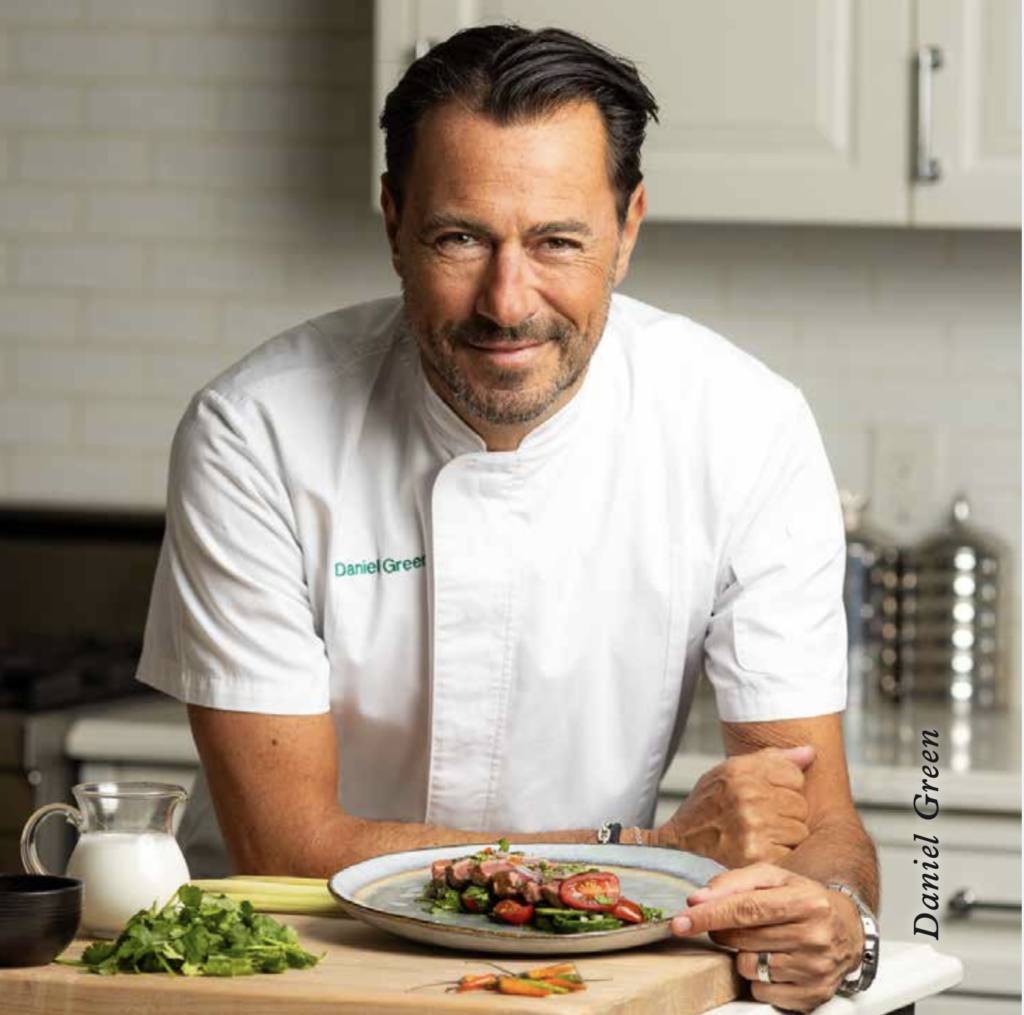
    On January 1, Tasted.TV kicks off the new year with a series that feels both transportive and refreshingly doable. Eat Up Thailand, hosted by chef, author, and wellness advocate Daniel Green, invites viewers to experience Thai cuisine not as something intimidating or out of reach, but as food that can be cooked, shared, and enjoyed at home — without losing its soul.

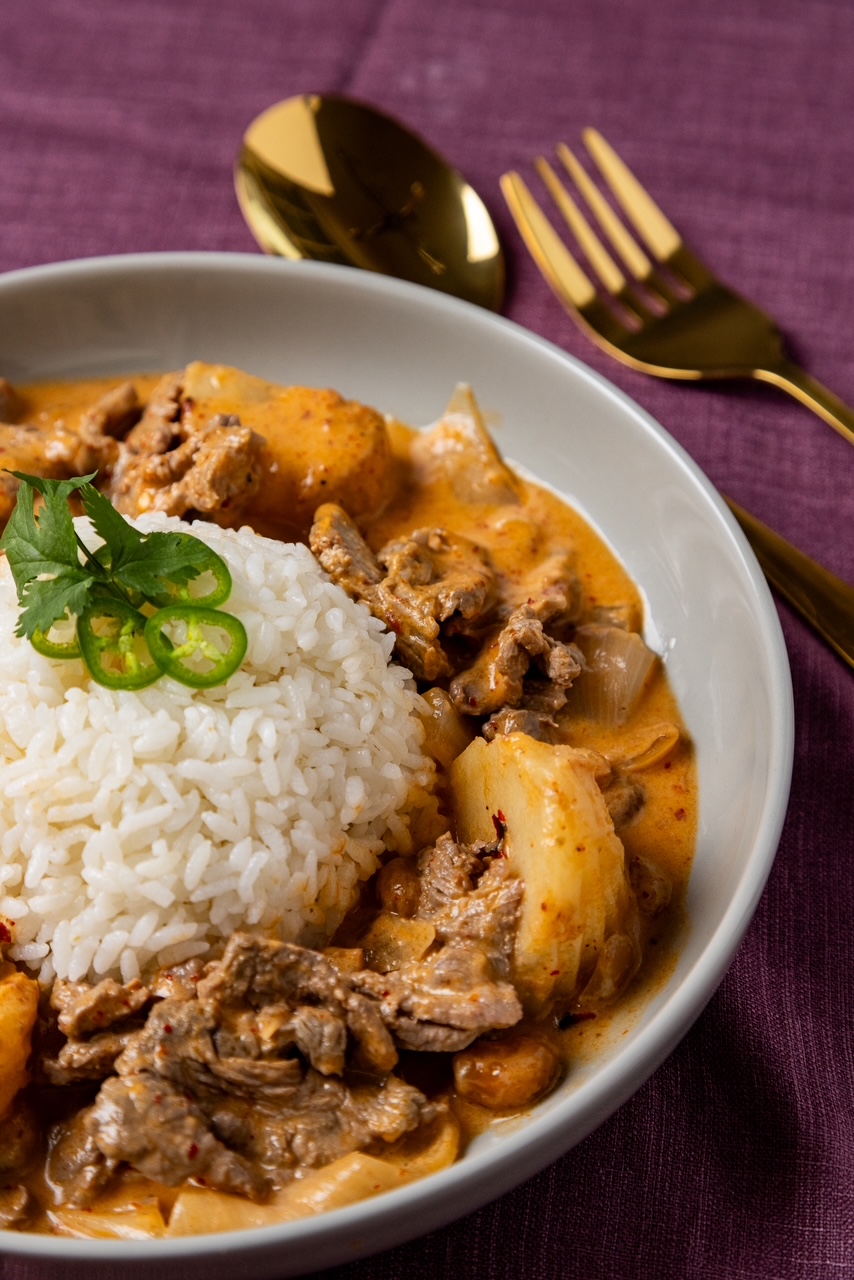
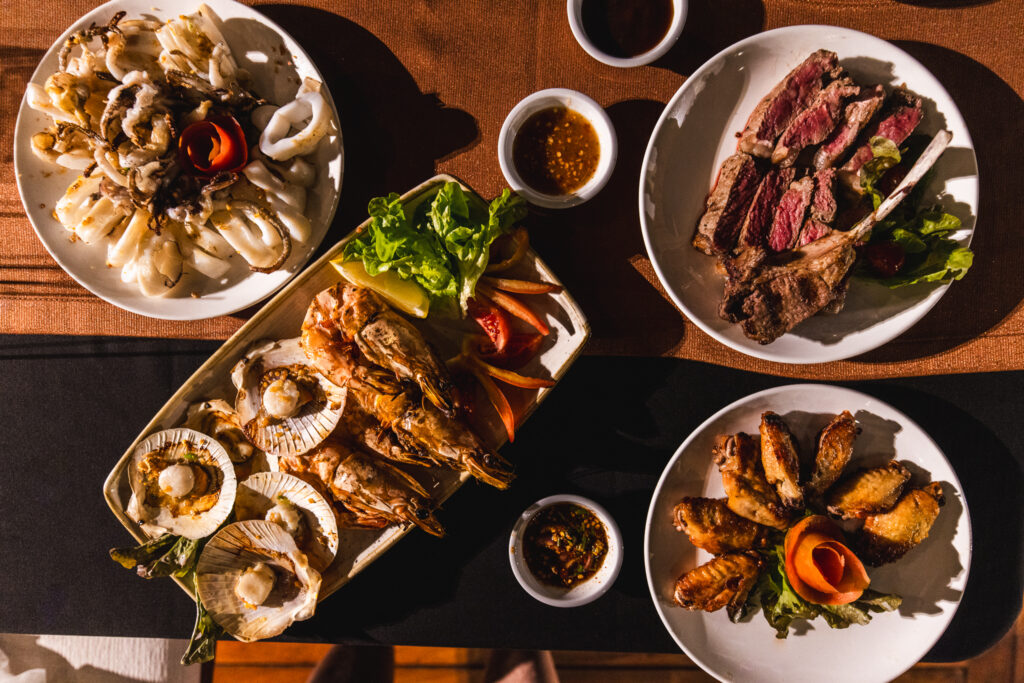
    Across 10 beautifully shot episodesEat Up Thailand delivers three recipes per episode, each grounded in authentic Thai flavors yet designed for real kitchens, real schedules, and real cooks. It’s a show built on a simple but powerful idea: great food doesn’t need to be complicated to be extraordinary.
    Authentic, But Approachable

    Thai food is often admired from a distance — bold, fragrant, complex, and sometimes assumed to be difficult. Eat Up Thailand quietly dismantles that myth. Daniel Green’s approach is rooted in respect for tradition, but shaped by years of teaching people how to cook better, healthier meals without stress.

    Throughout the series, he shares smart shortcuts, ingredient swaps, and time-saving techniques that don’t compromise flavor. From clever prep hacks to pantry substitutions that still honor the dish, the focus is always on making Thai cooking accessible — whether you’re an experienced home cook or someone just starting to explore the cuisine.

    The recipes are authentic, but the tone is welcoming. This isn’t about perfection. It’s about confidence, curiosity, and cooking with joy.

    From Bangkok to Your Kitchen

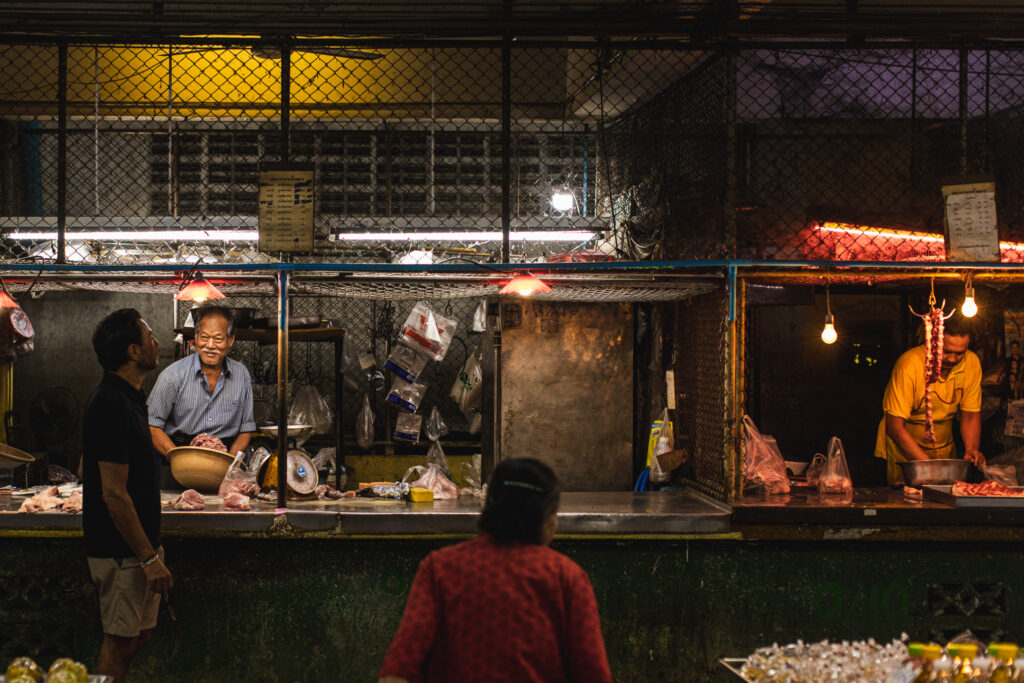
    Filmed on location in Bangkok and in Daniel Green’s own kitchen, the series moves effortlessly between the energy of Thailand’s capital and the calm, practical environment of home cooking. Street markets, riverside tables, green spaces, temples, and everyday city scenes provide a vivid backdrop, grounding each dish in a sense of place.

    Bangkok isn’t just a setting — it’s part of the story. The city’s rhythms, flavors, and contrasts inform the food on screen, reminding viewers that cuisine is inseparable from culture. You don’t just see the dishes being cooked; you feel where they come from.

    Back in Daniel’s kitchen, those inspirations are translated into meals that can be recreated anywhere in the world. The message is clear: you don’t need to travel far to cook well — but when food carries a sense of place, it transforms the experience.
    A Cookbook Brought to Life

    Eat Up Thailand is based on Daniel Green’s new cookbook Take Home Thailand. The series expands on that foundation, bringing the pages to life with visual storytelling, step-by-step guidance, and behind-the-scenes insight.

    Across the season, viewers explore a wide range of Thai cooking — from iconic Bangkok classics and lighter, health-forward dishes to regional flavors, street snacks, seafood, vegetarian plates, and desserts. Each episode is tightly focused, but collectively they form a complete journey through Thailand’s culinary landscape.

    10 Episodes. 30 Recipes. Endless Inspiration.

    The structure of the series is intentionally clear and satisfying: 10 episodes, 3 recipes per episode. It’s binge-friendly, but also easy to dip into — perfect for weeknight cooking inspiration or weekend experimentation.

    Whether it’s bold curries, fresh salads, comforting noodles, vibrant seafood, or Thai sweets, the recipes are designed to slot naturally into everyday life. These are dishes you’ll come back to — not once, but again and again.

    And because Eat Up Thailand lives on Tasted.TV, viewers can stream the entire series free, without commercials, making it effortless to cook along or revisit favorite episodes.
    More Than a Cooking Show

    At its heart, Eat Up Thailand is about more than food. It’s about connection — to culture, to travel, to the pleasure of cooking something delicious for yourself or the people you love.

    Daniel Green’s calm, confident presence anchors the series. He doesn’t perform; he guides. His experience as a chef and author is evident, but so is his belief that food should feel good — physically, emotionally, and socially.

    The result is a series that feels generous. It doesn’t overwhelm. It invites.

    Start the Year by Eating Well

    Launching on January 1Eat Up Thailand arrives at exactly the right moment — when many people are thinking about how they want to eat, live, and feel in the year ahead. This isn’t about restriction or rules. It’s about flavor, balance, and enjoyment.

    Authentic recipes. Approachable techniques. Unforgettable culinary and travel experiences.

    Eat Up Thailand  on Tasted.TV — where the world meets for food.

    Special thanks to Chris Emeott for his photography.

  • Tiwai Island: The Wild Seduction of Sierra Leone

    Tiwai Island: The Wild Seduction of Sierra Leone

    There are places that don’t simply beckon, they seduce. Tiwai Island is one of them. You arrive by river like a conspirator: the canoe cleaves black water, the motor’s low thrum swallowed by a chorus of cicadas and distant, high-pitched monkey calls. The bank unfurls in slow motion, vines, palms, braided roots, the kind of green that seems to breathe. The air presses warm and wet against your skin; sweat beads like tiny secret promises.

    The forest moves in restless layers. Monkeys thread through the canopy in darting, theatrical flashes; eleven primate species call this place home, each a quicksilver glimpse of mischief. Birds throw color and noise into every clearing, their cries a salacious soundtrack. Underfoot, the soil smells of river, rot and rain, an erotic mix of life and decay that feels anything but tame.

    At dusk the island changes costume. Lantern light pools around low eco-lodges, and shadows grow thick and intimate. Palm wine passes between hands; local guides tell stories that slip between laugh and hush, and you find yourself leaning closer not just to hear but to inhabit the moment. Somewhere off the trail something heavy breaks the silence, a distant elephant, perhaps — and the group exhales together, aware of how thin the veil is between thrill and fear.

    Tiwai isn’t polished. There are no spas or infinity pools; the luxury here is raw: the thrill of being small inside a living world that has not been tamed. Days are for wet boots, sticky fingers, and salty river meals; nights are for tasting the dark and listening to a forest that refuses to be civilized. It lingers on your skin and in your dreams; a slow, persistent ache that calls you back long after you leave.

    Final thoughts (warning):

    As usual, we’re not telling you to do anything. Tiwai is remote, and you’re as free as a bird to evaluate your comfort zone alongside travel advisories and cautions. Tiwai is remote. Check current travel advisories, ensure required vaccinations, take malaria prophylaxis as recommended, and buy travel insurance that includes medevac. Travel should stretch you, not endanger you.

    Tiwai will seduce you. Prepare a little, and it will keep you wildly, gloriously alive.

  • Europe is On a Roll

    Europe is On a Roll

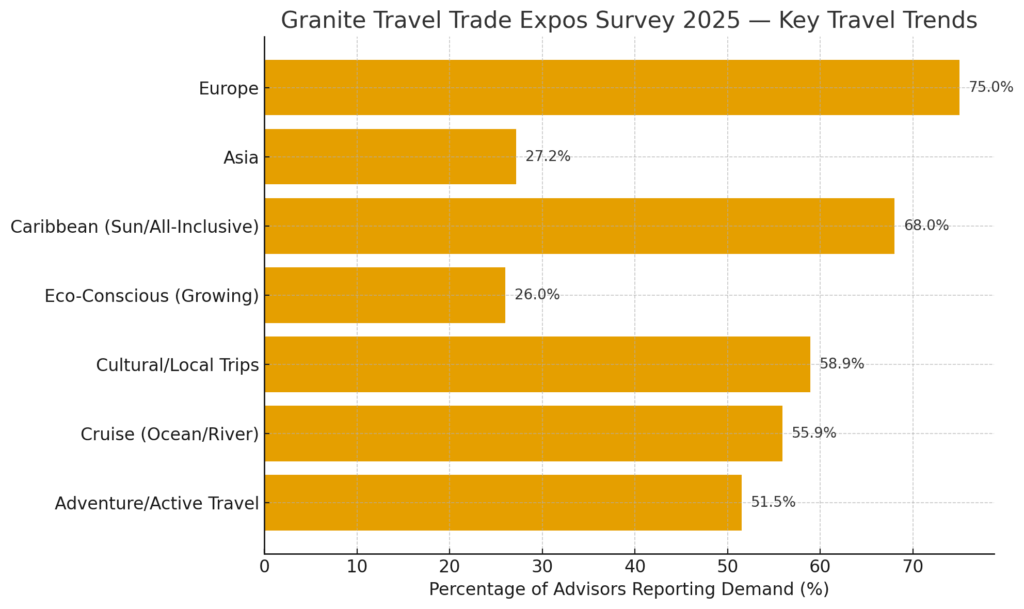
    Travel advisors are pointing to Europe as the top destination for the upcoming 2025-26 travel season, according to a Granite Travel Trade Expos survey conducted in August 2025. A decisive 75% of advisors identified Europe as the preferred region for client bookings, followed distantly by Asia at 27.2%. As the Granite Trade Expos prepare to launch their Fall 2025 roadshow, these results offer a clear snapshot of current traveler demands and agent expectations.

    Beyond geography, the survey reveals a strong desire for meaningful experiences over simple sightseeing. The top requests advisors are seeing include cultural immersion/local trips (58.9%), ocean or river cruises (55.9%), and adventure/active travel (51.5%). Additionally, about 40% of advisors reported clients are actively seeking to avoid over-tourism, a situation that becomes increasingly undesirable, a good example being Cruise Ships arriving in Santorini Greece, creating severe overcrowding. 

    While Europe dominates overall interest, the destinations advisors want to learn more about are telling: Portugal (69.3%), Japan (53%), Thailand (46.5%), Peru (38%), and Canada (26%), suggesting an appetite for both established favorites and deeper exploration of less-obvious regions.

    Supporting these trends are several key shifts in booking behavior. The traditional Sun/All-Inclusive vacation remains a consideration for 68% of clients. In terms of eco-conscious travel, 26% of advisors report an increase in demand, particularly among younger travelers, though 37.6% say demand is still relatively low. Significantly, booking lead times are lengthening: 45% of bookings are now made six months or more in advance, with an additional 39% falling in the three-to-six-month window. When planning, 45% of clients use social media for inspiration, and 27.2% are experimenting with AI-driven trip tools. Yet, about half (50.5%) still prefer direct, personalized service from their travel advisor.

    Collectively, these insights show a travel landscape where clients are confident enough to plan far ahead and are looking for depth over distance. Europe’s surging popularity signals a return to long-haul, culturally rich journeys. For travel professionals and suppliers, the takeaway is to move beyond simply selling a destination and instead focus on providing immersive narratives, guiding extended booking lead times, and leveraging technology to enhance service without sacrificing the crucial human connection. For travelers, the message is to think big, but also to think intentionally about the kind of story they want their next journey to tell.

  • Planning a Trip Alone? You Need These Tips 

    Planning a Trip Alone? You Need These Tips 

    Solo Travel is a growing trend, and it can be an amazingly rewarding experience, but it requires careful planning and a proactive mindset. Based on expert advice and traveler tips, here are 10 essential suggestions for solo travelers:

    1.) Conduct Thorough Research Before Booking: Familiarize yourself with your destination’s customs, common scams, safe neighborhoods, and transportation options. Understanding the lay of the land boosts your confidence and ensures your safety.

    2.) Share a Detailed Itinerary and Follow It: Give a close friend or relative your flight information, lodging addresses, and a general schedule of your days. Frequent check-ins make it easier for someone to monitor your location.

    3.) Join Group Activities to Meet People: To avoid loneliness, participate in small group experiences such as walking tours, cooking classes, or pub crawls. Staying in hostels or guesthouses with communal areas also fosters social connections.

    4.) Trust Your Instincts: If something or someone feels off, remove yourself immediately. Your safety comes first. Don’t hesitate to leave a situation or walk away if you feel uncomfortable.

    5.) Arrive During Daylight Hours: Plan your arrival during daylight to make navigation easier and safer. Assess your surroundings and find your accommodation when it’s light outside.

    6.) Travel Light with a Carry-On: Pack only essentials in a carry-on to enhance mobility, avoid baggage fees, and reduce vulnerability. Everything should fit comfortably on your back or in a small suitcase.

    7.) Keep Digital and Physical Copies of Important Documents: Store digital copies of your passport, visas, and insurance in a secure cloud service, and carry physical photocopies separately from the originals. Only bring the original passport when necessary.

      8.) Secure Your Money and Cards in Multiple Places: Never keep all your cash and cards together. Distribute emergency funds and backup cards in hidden spots like a concealed pocket, the bottom of your bag, or a money belt.

      9.) Blend In and Project Confidence: Appear sure of yourself, even if you’re unsure. Avoid standing in the street with a big map; instead, step into a cafe or shop to check your route discreetly. Use your phone with one earbud for GPS and stay aware of your surroundings.

      10.) Invest in Comprehensive Travel Insurance: This is a must-have. Make sure your policy covers medical emergencies, trip cancellations, lost luggage, and theft. Know how to contact your provider quickly in case of need.

      1. Nova Scotia’s Got Its Own Fish and Brews — And It’s a Whole Lot Tastier

        Nova Scotia’s Got Its Own Fish and Brews — And It’s a Whole Lot Tastier

        Let’s give Newfoundland its due. Fish and brewis — salt cod, soaked hard tack, pork scrunchions — is a true east coast classic. But over here in Nova Scotia, we’ve taken that humble idea and given it a butter-drenched, beer-paired upgrade. Because why soak old bread when you can crack open a lobster claw and a cold Propeller?

        This is fish and brews — Nova Scotia style.

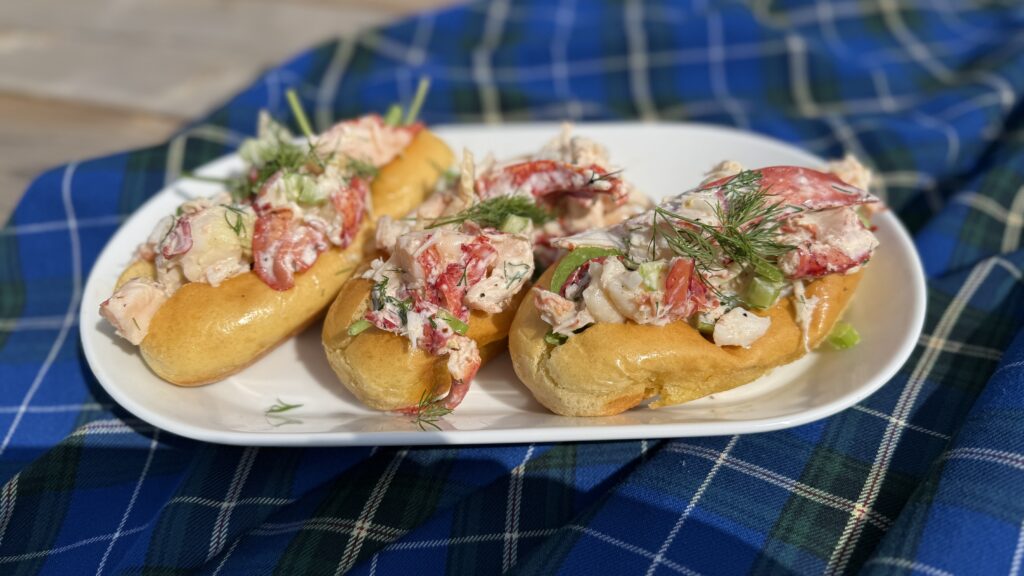
        First, the lobster. Sweet, salty, caught that morning. It doesn’t take much to find it — local joints have it boiled, grilled, rolled, or butter-poached, no GPS required. But the truly lucky? They end up eating it on a dock, salt air in their lungs, butter dripping from their knuckles, or at some glorious house party where someone’s cousin knows how to host a proper backyard boil.

        Second, the “brews.” And that’s where Propeller Beer comes in.

        This Halifax original has been pouring pints since the ’90s — long before craft beer became something you swirled and sniffed. Their Pilsner is crisp, clean, made for seafood. It cuts through the richness of lobster like it was brewed for it (because it basically was). Prefer something bolder? Grab their ESB or IPA, loaded with character and just enough bite to stand up to grilled tails or garlic butter anything.

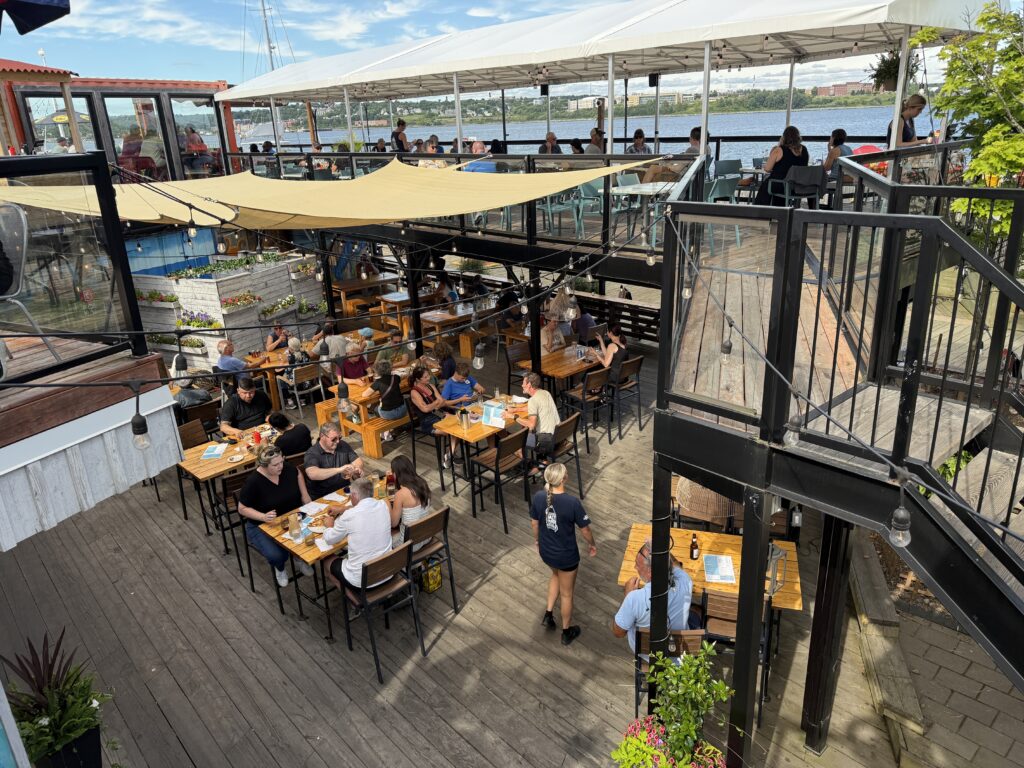
        And the best part? You don’t have to hunt it down. Propeller has Tap Rooms and Beer Shops right in Halifax — welcoming, laid-back spots where you can sip, stock up, and maybe grab a T-shirt that proves you know what’s good. Whether you’re pre-gaming a lobster dinner or just popping in off the sidewalk, it’s an easy (and tasty) way to plug into Nova Scotia’s craft culture.

        This isn’t fine dining. This is finer. Casual, coastal, loud with laughter, maybe eaten off a paper plate. The kind of pairing that makes you slow down — not because it’s fancy, but because it’s real.

        So yeah, Newfoundland’s fish and brewis walks so Nova Scotia’s lobster and Propeller could run.

        And honestly? We’ll take ours dockside, beer in hand, friends all around, and a second helping already on the way.

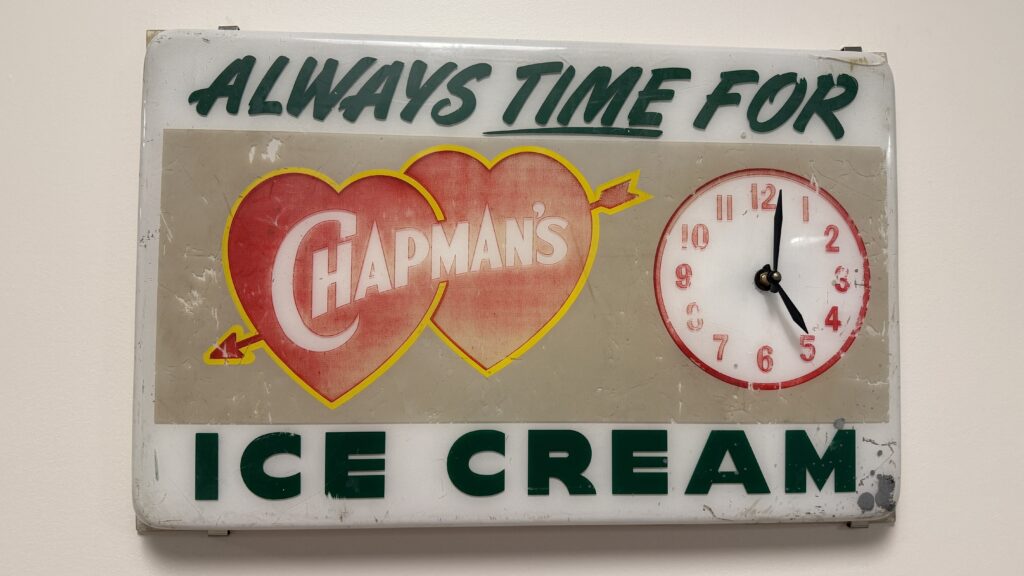
      2. A Young Couple, Their Life Savings, and a Dream: The Chapman’s Ice Cream Story

        A Young Couple, Their Life Savings, and a Dream: The Chapman’s Ice Cream Story

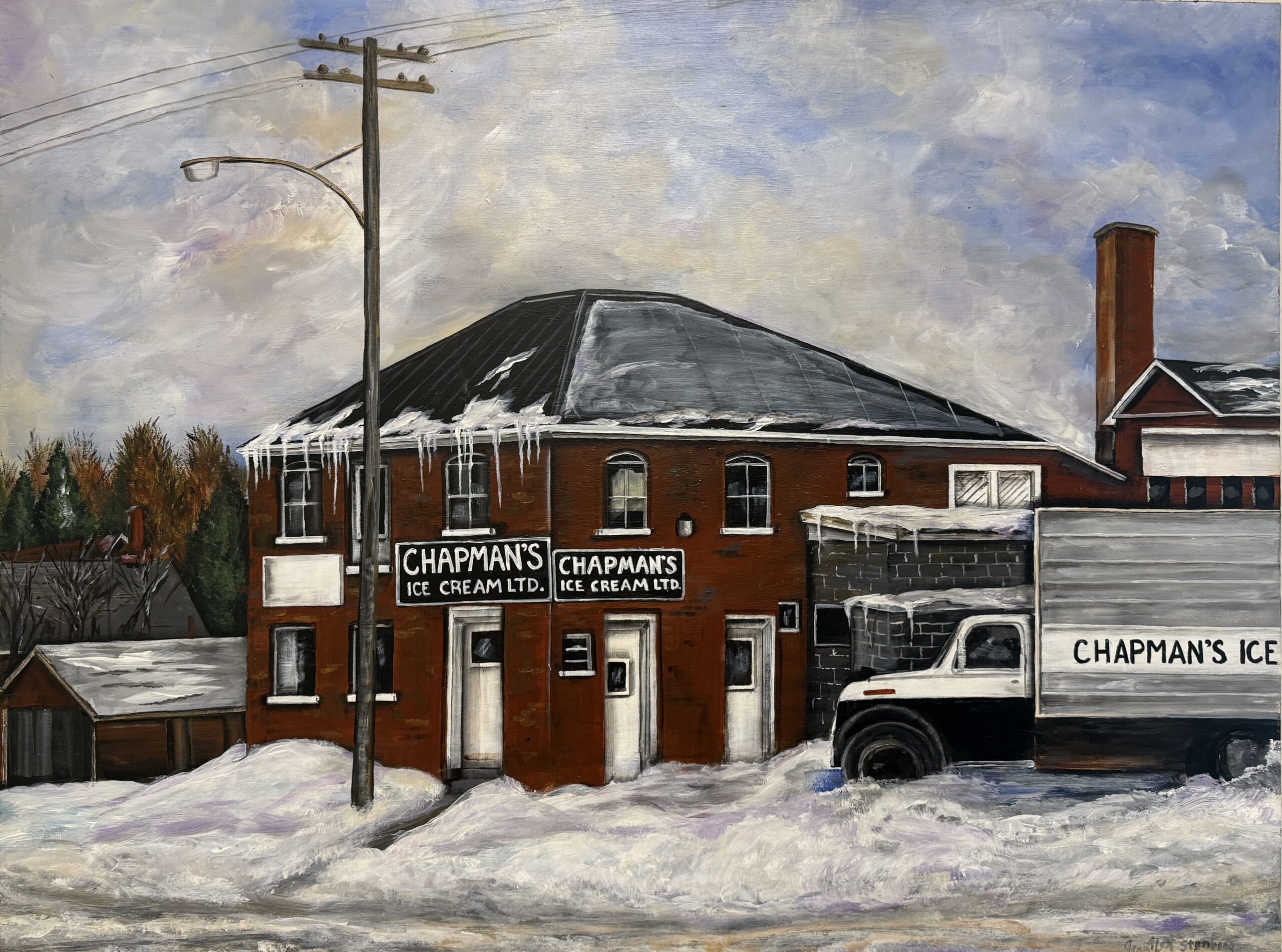
        A young couple. Their life savings. And a dream that would become a Canadian treasure. They were David and Penny Chapman — and yes, you’ve heard that name. But behind the familiar brand is a story of grit, heartbreak, and an unbreakable bond with community that still brings tears to Penny’s eyes.

        In 1973, David and Penny bought a small creamery in Markdale, Ontario. It wasn’t glamorous. The building was old, the equipment outdated, and the road ahead uncertain. But they had something stronger than capital — determination, love for family, and a vision to create ice cream that made people smile. Their hands built the business from scratch, working long hours through every season, crafting flavours like Butterscotch Ripple and Dutch Chocolate that soon became favourites in homes across Canada.

        The community embraced them—not just as customers, but as neighbours, friends, and partners. When business was tough, local farmers, suppliers, and families stepped in. They believed in the Chapmans’ dream as if it was their own.

        Then, on a quiet September day in 2009, disaster struck. A welding spark ignited the aging insulation of the century-old plant. Flames tore through years of work, memories, and sweat. Penny still gets choked up remembering that day—the fire that seemed to swallow everything they’d built. The sky darkened with smoke, and the roar of the blaze echoed in the hearts of a small town watching their dream burn.

        But even as the fire raged, David and Penny made a promise: no employee would lose their job, no family would lose hope. In the ashes, the Chapmans’ spirit shone brightest.

        The community rallied in return. Other ice cream makers opened their doors, suppliers sent resources, and volunteers showed up ready to rebuild. Seven weeks later, against every odd, Chapman’s was producing ice cream again—out of a temporary plant, fueled by sheer will and generosity.

        They named their comeback Project Phoenix — rising from the ashes stronger than ever. A new plant was built, modern and safe, with allergy-free lines and sustainable systems. But the heart of Chapman’s was never the building; it was the people who refused to give up.

        Years later, that spirit took them across the ocean to Florence, Italy—home of gelato. At the International Ice Cream Consortium, Chapman’s faced off against the world’s best, including Italian gelato masters. Against all odds, their Salty Caramel Crunch took home the gold, earning international acclaim and proving that a small-town Canadian dream could stand toe-to-toe with the best on earth.

        That victory is sweet. But what’s sweeter still is the journey—the resilience, the promise kept to employees, the hands held when everything seemed lost. It’s the story of David and Penny, yes, but also of every neighbour, every worker, every fan who believed in a dream and helped it rise again.

        Chapman’s Ice Cream is more than a brand—it’s a testament to heart, community, and the power of never giving up. And every scoop tells that story.

        Chapman’s isn’t just an ice cream brand — it’s a Canadian story of determination, the power of community, and how one couple’s dream can ripple out and inspire an entire town, a province, and a nation. Every scoop is a celebration of resilience, love, and the sweet taste of hope realized.

      3. Fall for the South Okanagan

        Fall for the South Okanagan

        If you’re craving something that feels like a world away but is only a short flight from Vancouver or Calgary, the South Okanagan is your autumn escape. Direct flights land you in Penticton; no long drives, no layovers, just you, your carry-on, and a region that knows how to seduce every one of your senses.

        British Columbia shines brightly here.

        This is not the Okanagan of brochures. This is terroir with attitude — where the food has a story, the wines have personalities, and your bed for the night might be a luxury yurt nestled into a mountainside vineyard.

        A Place of Contrasts and Cultures

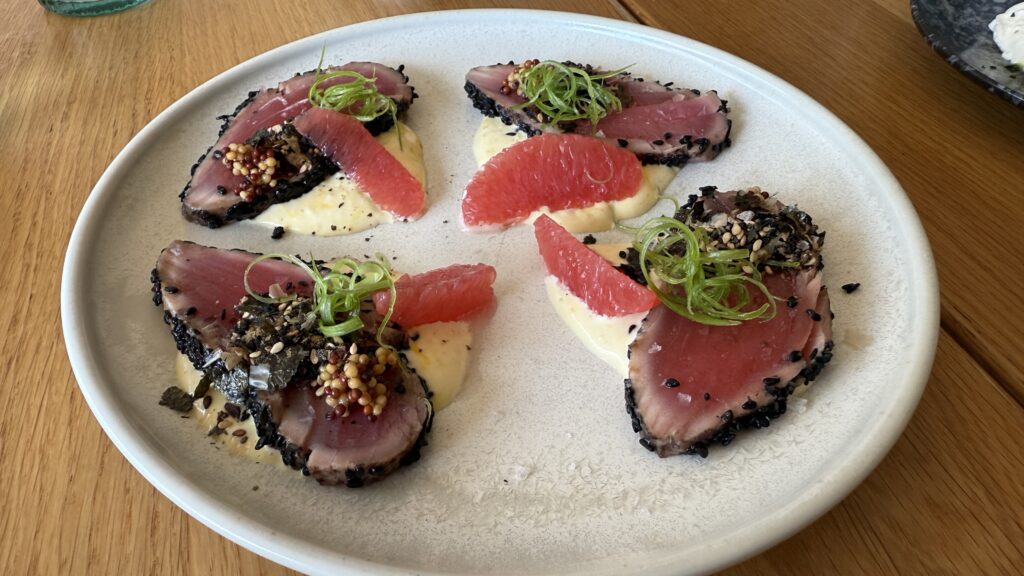
        Diversity runs deep here. Sit lakeside at Elma in Penticton, where Turkish cuisine meets Okanagan ingredients — a warm, stylish space where wood-fired lamb kebabs and sumac-laced cocktails bring the Aegean coast to British Columbia.

        Then head south to Kismet Estate Winery, where Simran Saini, one of the few female Indian winemakers in the country, crafts elegant wines rooted in both her family’s Indian heritage and the boldness of the desert terroir. Their Mystique blend, paired with butter chicken at the on-site Masala Bistro, is the kind of East-meets-West perfection you don’t forget.

        From Polished to Playful: Two Sides of Okanagan Wine

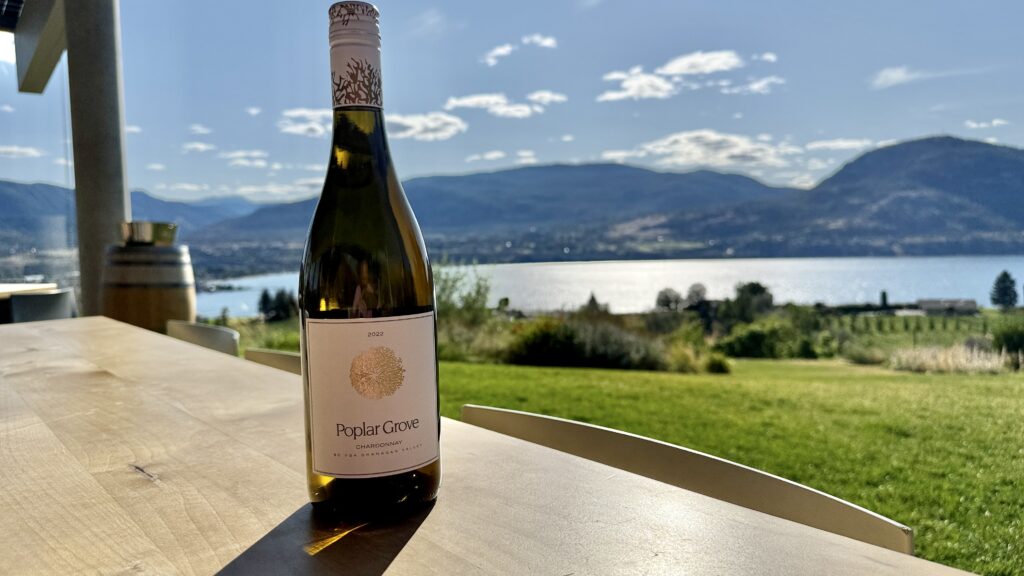
        Wineries here don’t just pour – they perform. At Poplar Grove, it’s all sleek lines, sweeping lake views, and wines that feel like tailored suits. Their cab franc whispers complexity. The on-site restaurant? Refined, seasonal, and plated like art.

        Then there’s Dirty Laundry in Summerland; cheeky, irreverent, and joyfully uncorked. Named after a former bordello and laundry operation, the winery leans hard into playfulness. Picture wine flights with names like “Peep Show Pinot” and labels that flirt with you. The tasting patio hums with live music, laughter, and a vintage train chugging past on cue. It’s wine country without the pretense.

        Where to Stay and Wander

        For something effortlessly chic in the heart of it all, check into Balcomo by Ramada. This newly renovated Penticton hotel blends sleek, modern rooms with thoughtful details and a walkable location close to the lake, breweries, and downtown tasting rooms. It’s the perfect home base whether you’re hitting wine country or just taking it slow.

        Prefer old-world charm? The Naramata Inn delivers historic character, lush bedding, and a killer local wine bar. And for groups, boutique vineyard villas across Summerland and Okanagan Falls offer space, seclusion, and full kitchens stocked with local provisions.

        Sleep in a Vineyard, Under the Stars

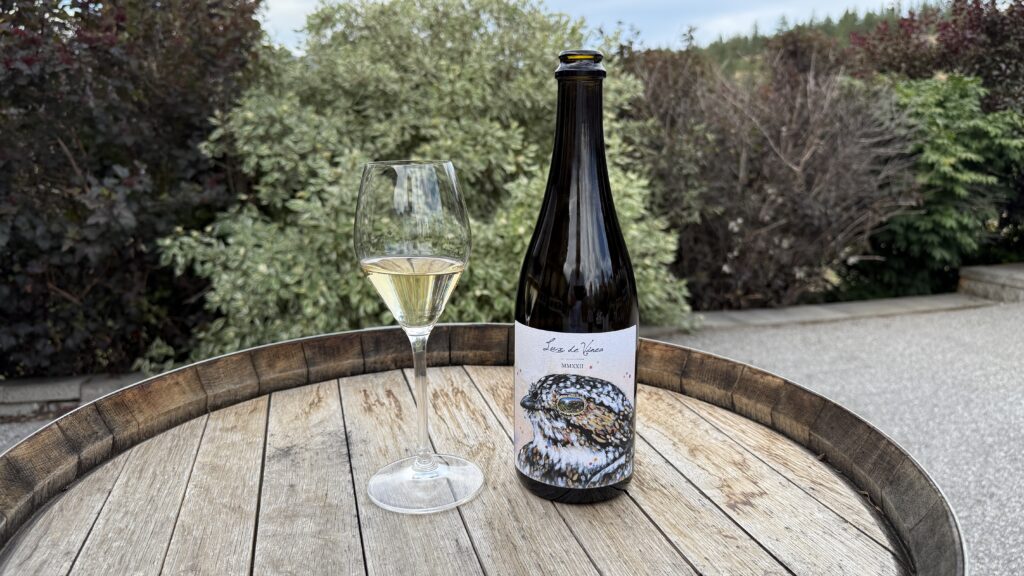
        And if you want something truly unforgettable? Book one of only two luxury yurts at Nighthawk Vineyards in Okanagan Falls. This family-run gem is perched above Green Lake, where small-batch, handcrafted wines are poured with pride. The yurts are secluded, open-air sanctuaries … complete with outdoor soaker tubs, rain showers, and private fire pits. Sip your sparkling rosé as the sun melts over the hills, coyotes howl in the distance, and you remember what quiet feels like..

        Fall is the Secret Season

        The crowds are gone, but the magic is just getting started. The vines turn gold. The air smells like earth and apples. Harvest dinners pop up in orchards. And everywhere you go, someone wants to pour you something beautiful and tell you how they made it.

        Whatever you’re craving this fall… spice, sparkle, silence, or a little bit of scandal; you’ll find it in the South Okanagan. All you have to do is get here.

      4. Why We Romanticize the After-Work Drink

        Why We Romanticize the After-Work Drink


        You know the moment: you clock out, step into fading daylight, and hear the pop-hiss of a cold beer opening. It’s not just thirst you’re quenching—it’s something deeper. That first post-work drink, whether it’s a crisp lager, a juicy IPA, or a carefully stirred negroni, hits a nerve we rarely talk about. It’s not about getting buzzed. It’s about transition.

        Across cultures, the after-work drink marks a boundary—between duty and leisure, effort and ease, performance and presence. And while we often joke about needing a drink to “take the edge off,” there’s a quiet, ritualistic beauty to that pause, that sip, that exhale.

        A Global Habit with Local Flavors

        In Japan, it’s customary for salarymen to head to an izakaya after work to bond with colleagues over beer and highballs. In Italy, the early evening aperitivo—a light cocktail and a few salty bites—is practically sacred. In Germany, the Feierabendbier, or “beer to celebrate the end of the workday,” is a beloved part of life. And in the U.S., happy hour culture remains strong, even if the two-for-one specials have made way for curated tap lists and small-batch spirits.

        Though the setting and the drink may differ, the underlying impulse is the same: a need to decompress, to reconnect with ourselves and others, to signal a change in pace.

        The Psychology of Decompression

        So why does that first drink feel so satisfying?

        Psychologists call this kind of shift a “liminal space”—a threshold between two states. For many of us, the after-work drink is a personal ritual that helps us mentally separate the day’s stressors from our time off. It tells the brain, “You’re done. You did enough. You can relax now.”

        The sensory qualities of alcohol—bitterness, burn, bubbles—can amplify this sense of release. Studies have shown that moderate alcohol consumption may momentarily reduce cortisol levels, the stress hormone, and even trigger social bonding. But even without the science, we intuitively know: it’s not just the drink. It’s the moment.

        Beer vs. Cocktail: What the Choice Says

        Beer, with its casual pop-top and familiar flavors, often signals simplicity and physical relief. It’s the drink of backyard barbecues, post-shift construction crews, and office friends who just need to vent.

        Cocktails, on the other hand, often carry a whiff of intention. Stirring a Manhattan or muddling mint for a mojito suggests a desire for experience, not just effect. These drinks invite you to slow down, to savor, to participate.

        Both offer their own kind of pleasure. And both, when enjoyed mindfully, can become part of a comforting ritual—an anchor point in the chaos of daily life.

        Rethinking the Routine

        Of course, it’s worth noting that the romanticism of the after-work drink has a darker side. For some, it can slip from ritual into reliance. The key, say wellness advocates and mindful drinking proponents, is to stay conscious of the “why” behind your choice.

        Is it about celebration? Winding down? A social connector? When we understand the emotional need being met, we can fulfill it more intentionally—whether that means having a beer, a sparkling water with lime, or a zero-proof cocktail that hits all the right notes.

        The New Happy Hour

        Today, younger drinkers are reshaping after-hours habits. Low-ABV drinks, alcohol-free spirits, and even kombucha bars are expanding the definition of what a “drink” can be. And yet, the desire for ritual remains unchanged.

        We still want that soft landing after a hard day. We still crave that transition, that signal, that “cheers” moment. It just might look—and taste—a little different now.

        So whether it’s a cold pilsner, a lavender spritz, or a good old-fashioned G&T, raise your glass to the pause. It’s not just what’s in it that matters. It’s what it means.

      5. Sunday Sips: Why Rituals Matter

        Sunday Sips: Why Rituals Matter


        By Isla Navarro, Style & Lifestyle Writer

        The Ritual That Grounds Me

        Every Sunday at exactly 5:30 p.m., I pour myself a glass of wine. Not because it’s been a particularly long week (though it often has), not because I’m hosting anyone, and not even because it’s the trendy thing to do on Instagram. I do it because it’s mine. My little ritual. A pause. A punctuation mark between the noise of the past week and the clean slate of the one ahead.

        I’m not alone in this. Among my friends—fellow creatives, stylists, and culinary obsessives—these tiny drinking traditions are sacred. Lauren has her Tuesday night whiskey after putting the kids to bed. Jordan does a negroni every Wednesday while watching reruns of Frasier. And my neighbor, an ex–pastry chef, celebrates Friday evenings with a vintage coupe of icy cold limoncello over a single cube of ice. None of us are drinking to excess. We’re sipping with intention.

        More Than Just a Drink

        There’s something about recurring rituals—especially those that involve our senses—that anchor us in a world that’s always in flux. When I sip my usual Sunday Côtes du Rhône, I’m not just tasting cherry and spice; I’m tasting quiet, reflection, and the rhythm of my own life.

        For me, that glass of wine is the equivalent of lighting a candle, rolling out a yoga mat, or putting on my comfiest cardigan. It marks a transition, a small ceremony to say: I’ve made it through another week. Let’s breathe now.

        Intentionality Is the New Luxury

        We live in a culture that often treats drinking as an all-or-nothing proposition. But ritual drinking—the slow, mindful kind—isn’t about numbing out. It’s about tuning in. To flavor. To feeling. To the environment we create around the drink itself.

        I arrange my little tray: wine glass, coaster, a small bowl of olives. I sit on the same velvet chair by the window. I put on music—usually something soft and nostalgic. It’s a scene that reminds me that pleasure doesn’t have to be loud. Or expensive. Or performative.

        The Power of Repetition

        In a way, these rituals become chapters in the story of who we are. They give shape to time, especially in an era when days can blend together and digital noise makes everything feel urgent. Repetition doesn’t dull the magic; it enhances it.

        Sometimes my Sunday wine becomes a journaling session. Other times I just sit in silence, watching the golden light shift across the apartment. And occasionally, it turns into a spontaneous dinner party with a neighbor. The ritual is flexible, but it always starts with that single sip.

        A Toast to What Matters

        Whether it’s a morning matcha or a Saturday spritz, drinking rituals don’t have to be elaborate to be meaningful. They just need to be yours.

        So here’s to the drinks that bookend our weeks. To the small, elegant ways we make time for ourselves. To the rituals that remind us of who we are.

        And if you don’t have one yet? Start this Sunday.

      6. Pelee Island Winery … You Should Go

        Pelee Island Winery … You Should Go

        Looking for a unique mini-vacation with something for everyone? Pelee Island has history, activities, relaxation, food and of course, great wine. 

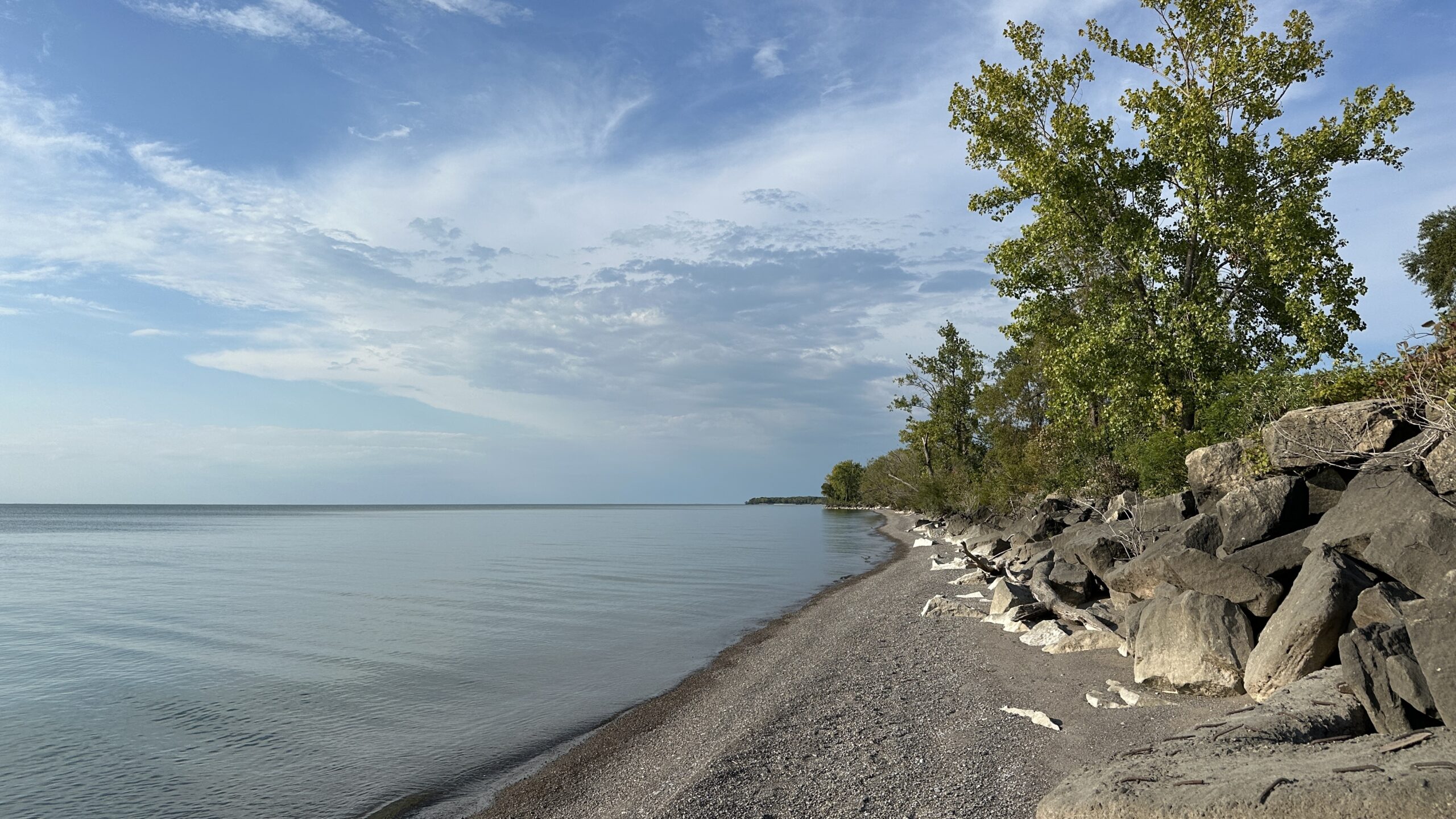
        Nestled at the southernmost tip of Canada, Pelee Island feels like a world apart and yet it’s just a scenic 90-minute ferry ride across Lake Erie. Once you disembark, the pace slows, shoulders drop, and the island’s relaxed charm seeps in. With Canada’s mildest climate, sitting at the same latitude as many of the world’s great wine regions,  this hidden gem offers a unique getaway perfect for wine lovers, nature seekers, and anyone in need of a low-key escape.

        Watch our video here:

        https://www.youtube.com/watch?v=sGC-VK_9qdU&t=98s

        A Winery Unlike Any Other

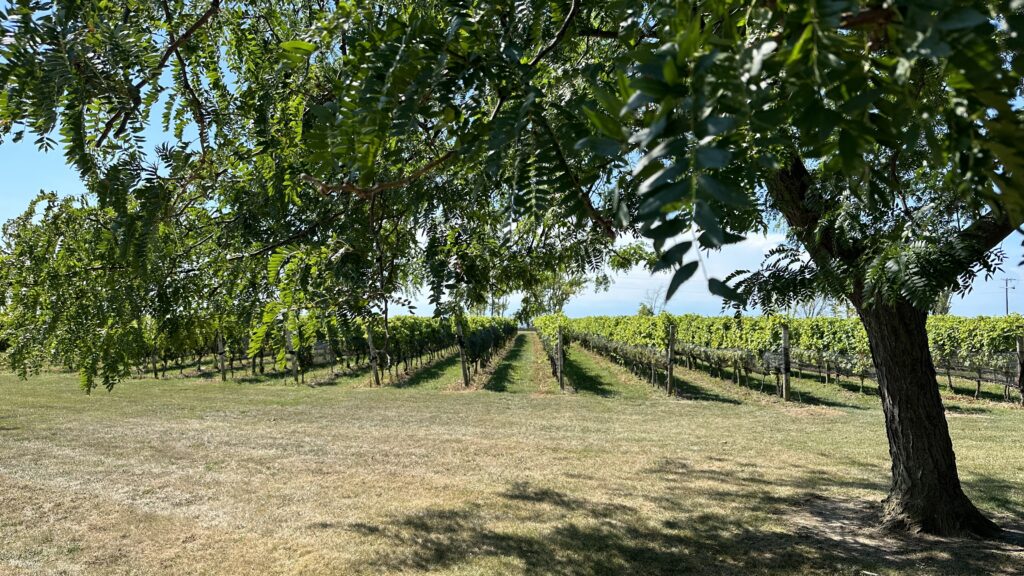
        Sprawling across over 700 acres, Pelee Island Winery, Canada’s largest private estate vineyard, harnessing an enviable microclimate that mirrors some of Europe’s best wine regions. Rich limestone soil, gentle lake breezes, and Canada’s longest growing season create an ideal terroir.
        At the quaint pavilion near the dock, visitors can explore the “Vine to Wine” experience: stroll through vines, tour the pavilion filled with antique winemaking tools, and enjoy tastings under the sun. Live music, wood-fired pizza, and artisan charcuterie make this a laid-back highlight.

        Getting Here: The Ferry Experience

        The journey is part of the charm. The ferries—MV Pelee Islander II and MV Pelee Islander—run from Leamington (April–July) and Kingsville (August–early December), accommodating vehicles, bikes, and foot passengers are essential, especially on holiday weekends. Book in advance! And don’t just plan for a crossing, plan for a transformative arrival into “island time.”

        Explore This Natural Wonder

        Beyond the vineyards, Pelee Island offers a rich tapestry of outdoor exploration:

        • Fish Point Nature Reserve – Hike through forest and along sandy dunes, birdwatchers’ paradise and home to Canada’s southernmost shoreline.
        • Lighthouse Point Provincial Nature Reserve – A peaceful boardwalk leads to a quaint lighthouse and a stunning spot for sunset gazing.
        • Birding & Wildlife – Located on major migratory flyways, the island is a globally recognized Important Bird Area with thousands of species passing through .

        Where to Stay

        For a stylish and comfortable stay on the mainland, consider cozy overnight stays at either The Grove near Leamington or Kingsville. These family owned boutique properties offer warm hospitality, and a perfect launch point for your island adventure.

        On the island itself, options include The Wandering Dog InnPelee Lake Muse, and Kiki’s Motel, perfect bases for sunsets, starry skies, and laid-back mornings.

        Slow Travel, Big Memories

        Pelee Island offers more than scenery—it offers serenity. With minimal cell coverage and no traffic lights, it’s the perfect place to unplug, unwind, and savor small joys. Whether you’re sipping a crisp Riesling from your deck, cycling past vineyards, or swimming off the ferry dock, this is a place to recharge the spirit; a cottage-country vibe without the crowds.

        Why You Should Visit

        • Unique terroir & award-winning VQA wines crafted sustainably in a pioneering microclimateen.
        • Stunning natural diversity—from beaches and forests to bird sanctuaries and lighthouses.
        • Charming local culture, with friendly hosts, rustic taverns, weekend music, and historic stories dating back centuries.
        • A vehicle-free escape—swap traffic for turtles, wine glasses for waves, and deadlines for downtime.

        So whether you’re planning a wine-paired weekend, a birding adventure, or a digital detox, Pelee Island delivers. Book your ferry, pack your curiosity, and prepare for quiet discoveries in Canada’s most southernly haven.