Category: Spirits

  • The Rise of Low-ABV Cocktails: Why Less Is the New Luxe

    The Rise of Low-ABV Cocktails: Why Less Is the New Luxe


    In a world that’s increasingly wellness-conscious but still craving flavor, low-ABV (alcohol by volume) cocktails have stepped into the spotlight. These light-on-the-booze beverages are more than just a compromise—they’re becoming a deliberate, stylish choice. From aperitif-driven drinks to lower-proof spins on classics, bartenders around the globe are redefining what it means to indulge.

    A Shift in Sip Culture

    For years, cocktail menus were dominated by bold, high-proof concoctions that packed a punch. But tastes are evolving. “Guests want drinks they can enjoy over time, without feeling weighed down,” says Olivia Chang, beverage director at a New York City speakeasy that now features a dedicated low-ABV section. “It’s about pleasure and presence—not excess.”

    The rise of this trend coincides with larger cultural movements around moderation. The sober-curious crowd, Dry January devotees, and health-conscious millennials have all helped fuel a desire for alternatives to traditional high-proof cocktails.
    The Ingredients Behind the Movement

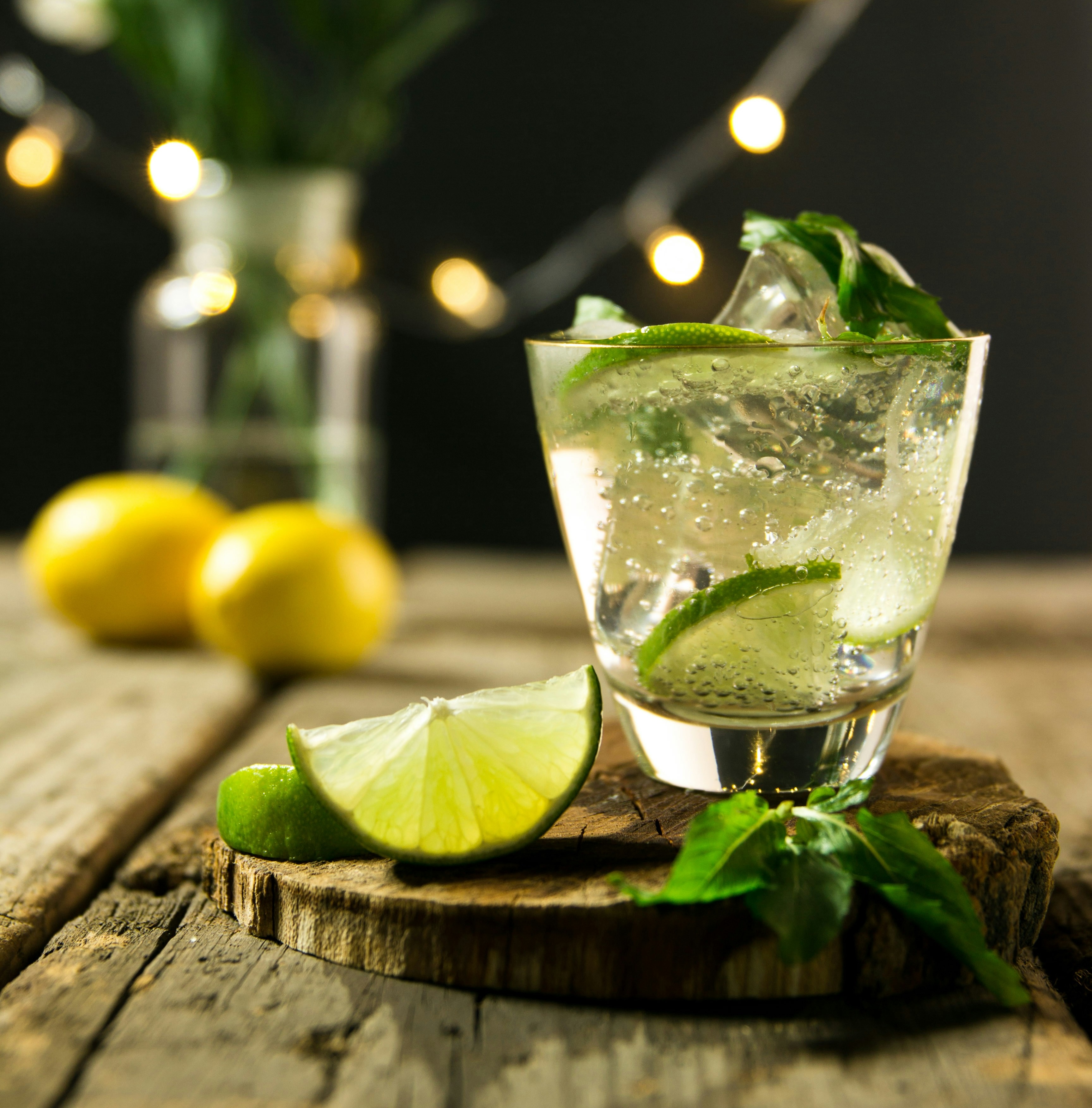
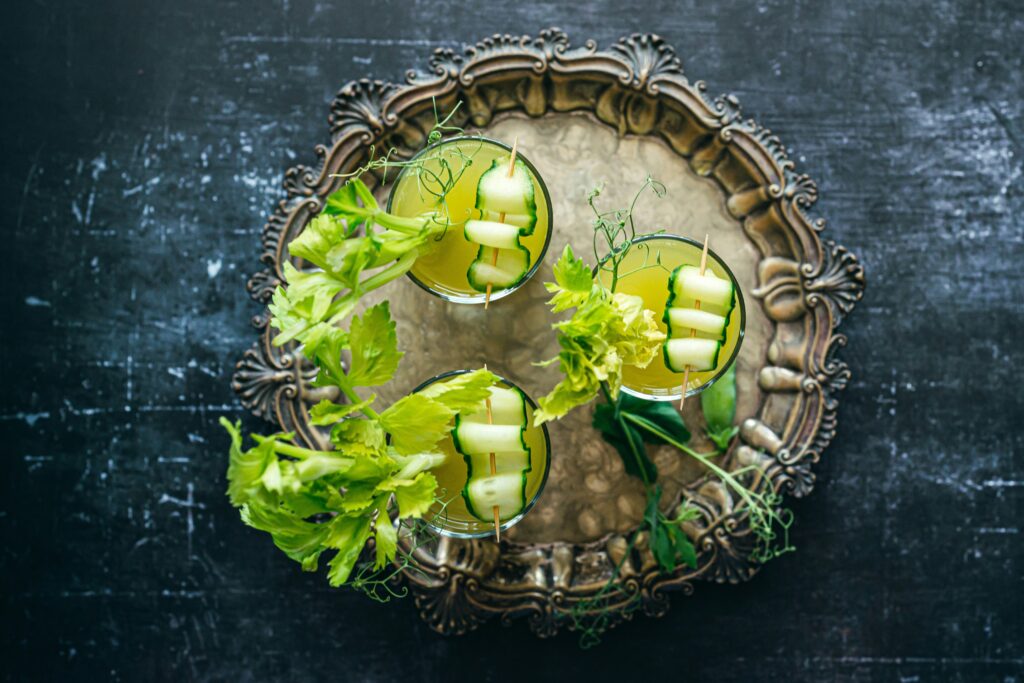
    Low-ABV cocktails tend to showcase ingredients like vermouth, sherry, amaro, sake, or even kombucha and tea infusions. These bases offer complexity and depth without the high alcohol content. Think spritzes with artful bitters, cobblers made with fortified wine, or a refreshing highball using sake and cucumber soda.

    “It forces creativity,” says Mateo Rivera, a bartender in San Francisco. “When you can’t rely on spirits to carry the weight, you get more inventive with herbs, tinctures, and seasonal produce. You’re painting with a subtler brush.”

    From Aperitivo to After-Hours

    This trend borrows inspiration from European aperitivo culture, where a late afternoon drink isn’t about intoxication but about stimulation—waking up the palate, not dulling it. That spirit is being adopted at trendy wine bars and rooftop lounges from Los Angeles to Lisbon.

    You’ll spot Negroni Sbagliatos on menus again, or see bartenders riffing on spritzes using unusual bitter liqueurs and sparkling water. One popular drink at a Tokyo bar? A yuzushu-based cocktail with a mist of gin and a garnish of grilled lemon. It’s light, layered, and surprisingly satisfying.
    Luxe by Design

    Ironically, the lighter the drink, the more intentional it often is. “There’s a quiet luxury to low-ABV cocktails,” says Chang. “They’re often more elegant in presentation and nuanced in flavor. You sip them slowly. You remember them.”

    This kind of drinking doesn’t mean giving anything up. It means elevating the experience. A well-made low-ABV cocktail is a celebration of restraint—and a sign that indulgence is no longer defined by excess, but by balance.

    Where It’s Headed

    As home bartending continues to boom, low-ABV cocktail culture is making its way into kitchens, backyards, and dinner parties. With more premium non-alcoholic and low-proof spirits on the market, the possibilities are expanding.

    Less really is more. And in this case, it’s more stylish, more sustainable, and arguably, more fun.
  • The Art of the Cocktail Garnish: From Minimalist to Maximalist

    The Art of the Cocktail Garnish: From Minimalist to Maximalist


    A perfectly crafted cocktail is more than just a drink—it’s a visual moment. And nothing defines that moment more than the garnish. Once an afterthought, garnishes have become miniature works of art, helping drinks tell stories, express personalities, and go viral. From a single twist of lemon to a dramatic bouquet of herbs and dried flowers, the garnish is having a renaissance.

    Minimalist or maximalist? Your garnish style might say more about you than your drink order.

    The Rise of the Barely-There Garnish

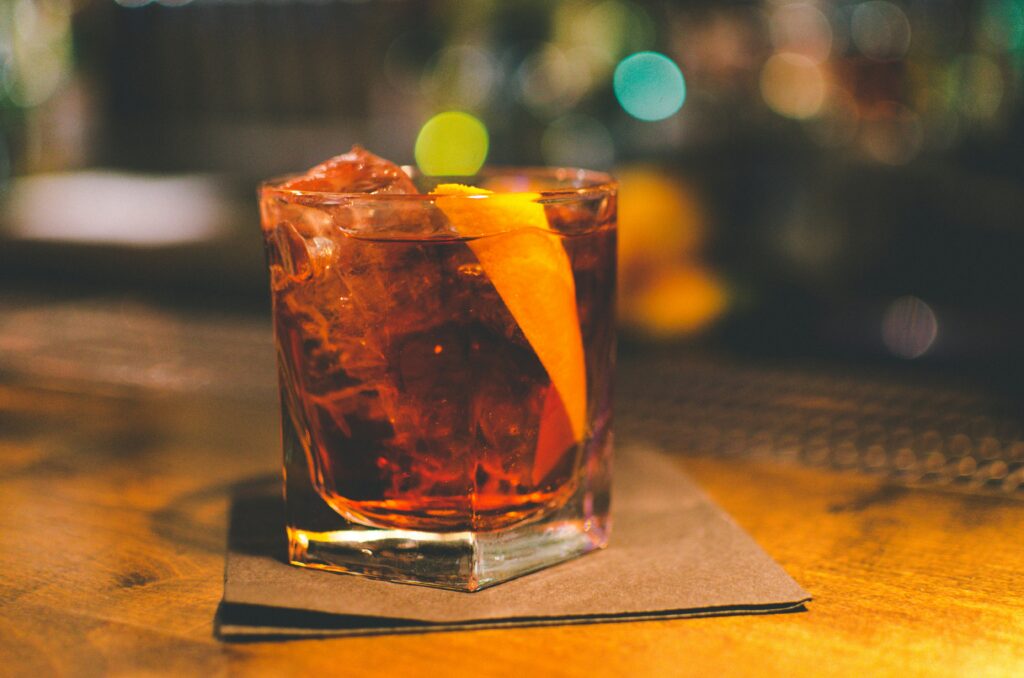
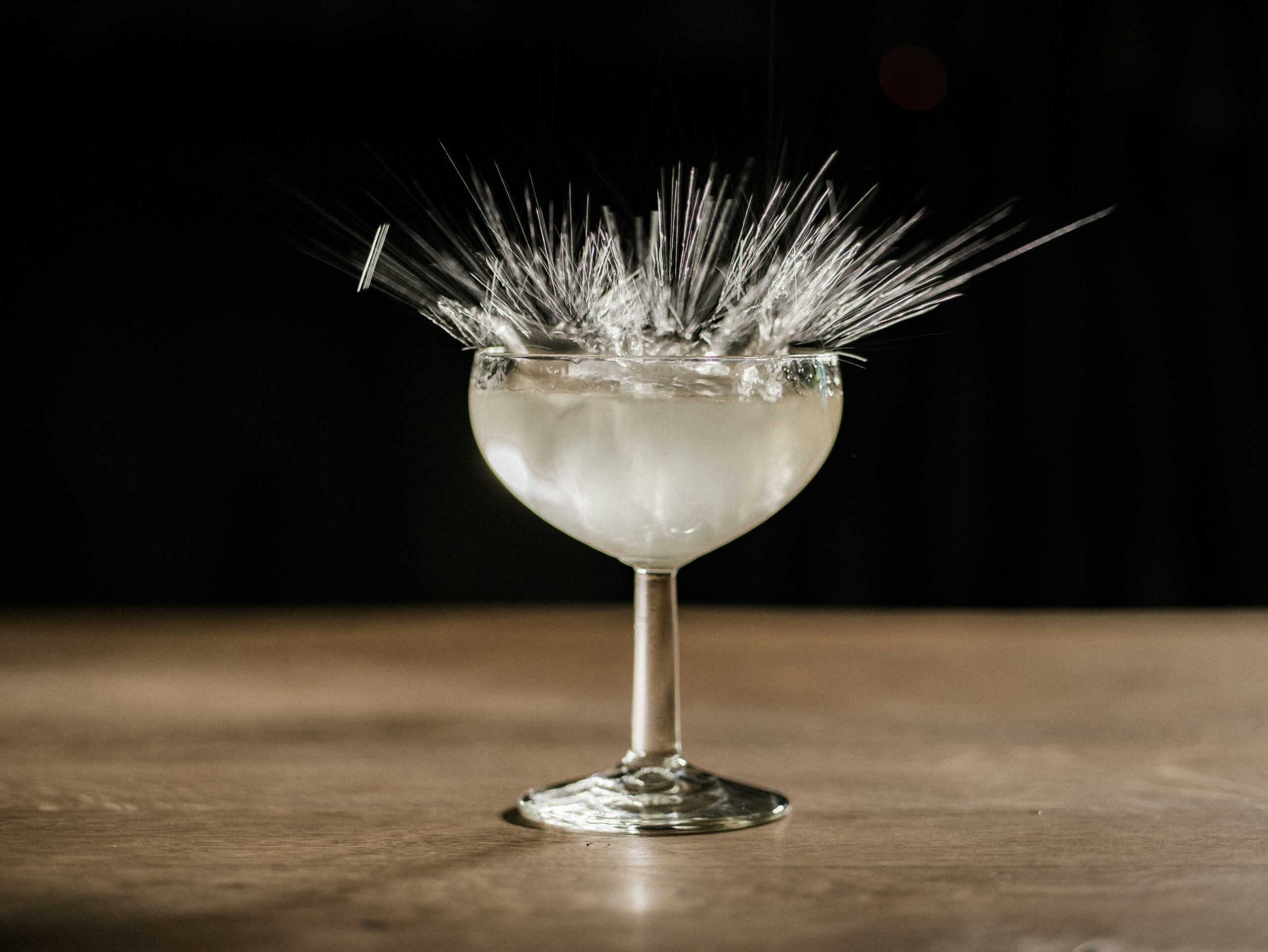
    Minimalist garnishes are all about restraint. Think a razor-thin lime wheel perched on a gimlet or a single, large ice cube with a perfectly placed orange peel in an Old Fashioned. These subtle choices suggest precision, balance, and quiet confidence.

    Bartenders embracing minimalism are often inspired by Japanese cocktail culture, where elegance and purity of flavor come first. In these drinks, the garnish doesn’t distract—it enhances. It’s for the cocktail purist who believes less is more, and who appreciates clean lines, crisp glassware, and symmetry.

    Maximalism: The More, The Merrier

    At the other end of the spectrum, maximalist garnishes are big, bold, and unapologetically extra. We’re talking about Bloody Marys topped with mini cheeseburgers, piña coladas in hollowed-out pineapples, and smoky mezcal drinks crowned with a chili-salt rim, flaming rosemary sprig, and dehydrated citrus.

    This is the realm of the creative, the theatrical, the social media-savvy. Maximalist garnishes turn drinks into experiences. They invite conversation. They push boundaries. And they suggest a drinker who loves drama, flair, and maybe a little fun chaos.

    The Sustainable Garnish Movement

    As the garnish game has grown more elaborate, so has the push for sustainability. Many top bars now repurpose ingredients—citrus peels, spent herbs, dried fruit—to reduce waste. Dehydrated garnishes, herb ice cubes, and pickled accents are not only eco-conscious but also pack flavor and texture.

    It’s a reminder that the art of the garnish isn’t just about aesthetics—it’s also about intention.

    What Your Garnish Says About You

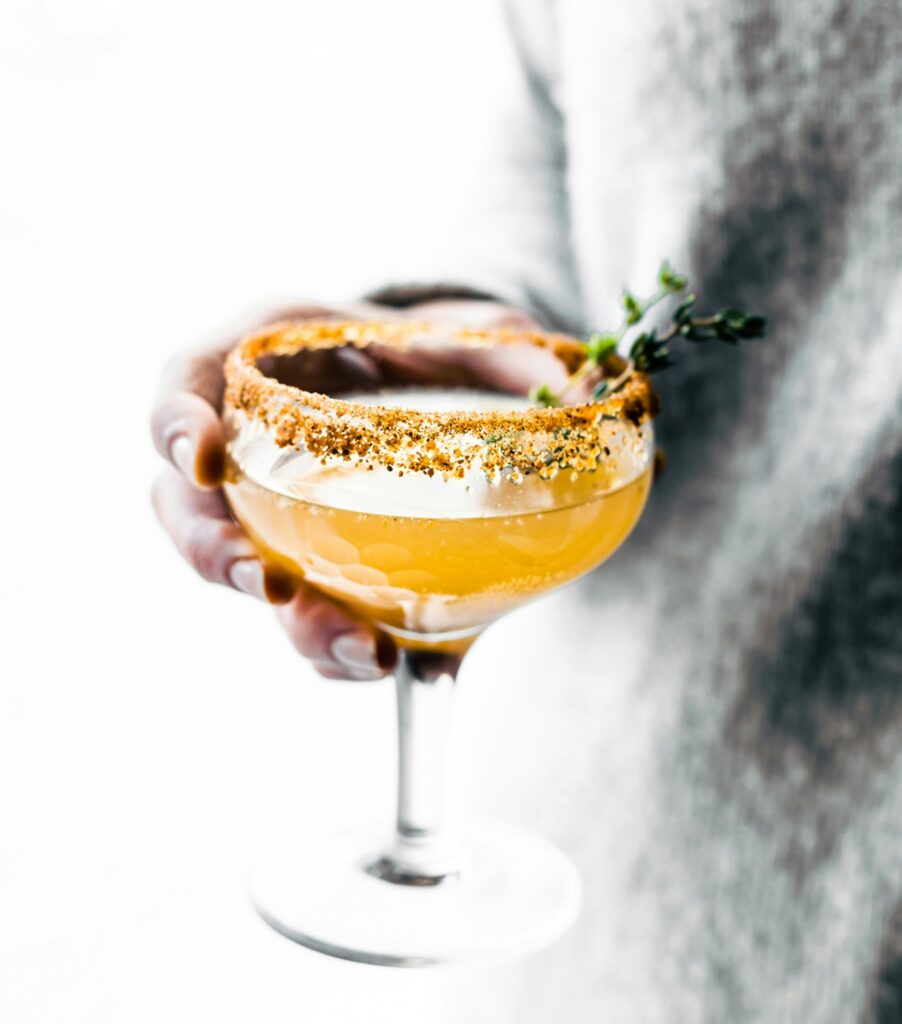
    Just like fashion or interior design, your garnish choice says a lot about your aesthetic. Are you the type who goes for a single sage leaf or a sugar-dusted pansy? You might lean toward the romantic, the refined, the detail-oriented. Prefer a sprig of mint so tall it brushes your eyebrows? You’re likely outgoing, bold, and love a little spectacle.

    Even bars are starting to build “garnish bars” where patrons can customize their drinks based on mood and flavor. Want to add a slice of candied ginger, a twist of grapefruit, or edible glitter? Go for it.

    A Drink That Speaks Before You Sip

    The next time your cocktail arrives, take a moment before you sip. Whether it’s adorned with a delicate flower or an entire snack, that garnish isn’t just for looks—it’s a statement.

    In today’s world of curated experiences and sensory storytelling, the garnish has become the exclamation point. How you end your sentence is up to you.

  • The Hebrides: A New(ish) Whisky Region for Scotland

    The Hebrides: A New(ish) Whisky Region for Scotland

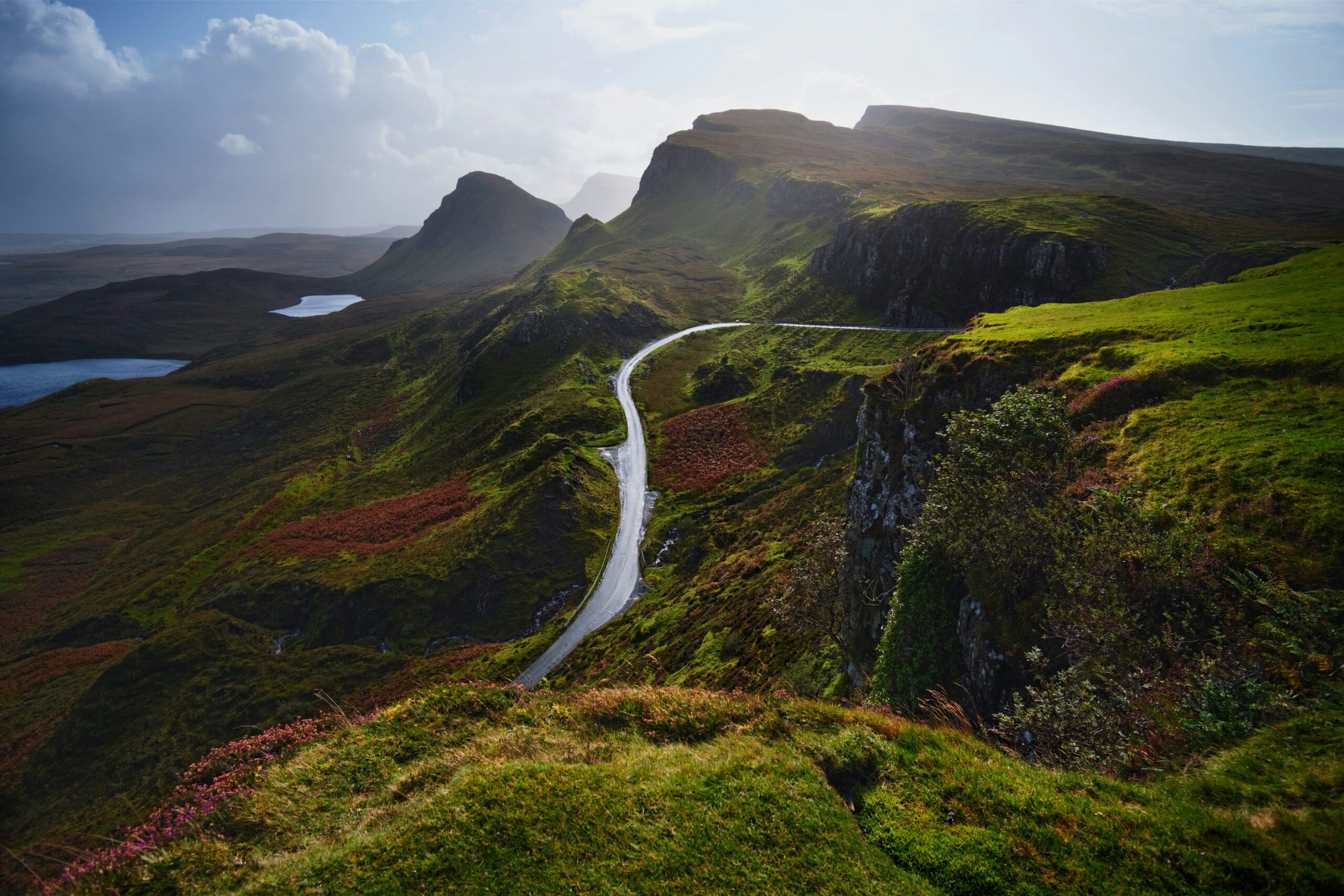
    When most people think of Scotch whisky, they probably picture the rolling hills of Speyside or the mist-covered isles of Islay. However, there’s a new player on the scene: the Hebrides, a group of islands located off the west coast of Scotland, is quickly becoming known for its unique approach to whisky production. With its rich history, diverse climates, and untapped potential, the Hebrides are positioning themselves as the next big thing in the whisky world.

    Why the Hebrides Are a Whisky Hotspot

    The Hebrides, often known for their dramatic landscapes and isolated charm, are home to several distilleries that are starting to gain recognition for producing high-quality Scotch whisky. While the islands have long been known for their beauty and ruggedness, it’s only recently that they’ve begun to attract attention from whisky connoisseurs. The islands’ unique geography—its proximity to the sea, diverse climate conditions, and varied terrain—offers an environment where whisky can be crafted in a way that’s distinct from more traditional regions.

    These islands offer something different: a blend of maritime influences, peat bogs, and a combination of both old and new distilling techniques. As the whisky world shifts towards exploring terroir (the unique flavor characteristics imparted by local environment), the Hebrides are becoming an exciting frontier for innovation.

    Notable Distilleries in the Hebrides

    Several distilleries in the Hebrides are making waves in the whisky industry, blending traditional methods with modern flair. Let’s look at some of the standout players in the region:

    Isle of Harris Distillery
    Located on the Isle of Harris, this distillery is dedicated to producing a truly unique style of whisky. Known for its use of local botanicals in gin production, Isle of Harris has recently expanded its portfolio to include whisky. The island’s maritime climate, coupled with the use of hand-selected casks, imparts a distinctive salty and peaty character to the spirit. Their Isle of Harris Whisky promises to be one of the first of many future success stories from the region.

    The Isle of Skye Distillers
    Skye’s climate—characterized by sea air and mild temperatures—creates a perfect setting for maturing whisky. Talisker, one of Scotland’s most iconic distilleries, is located on the Isle of Skye, but the island’s whisky scene is diversifying. The Isle of Skye Distillers, founded in 2018, is a new player on the scene and already showing promise with its selection of whiskies. Their products are crafted to bring out the island’s maritime essence, producing smooth, salty, and subtly peated whiskies.

    Ardbeg Distillery (Islay and the Hebrides)
    Though technically based on Islay, Ardbeg’s reach extends into the Hebrides with its extensive use of local peat and barley. It’s an iconic distillery within the wider Hebrides whisky scene and continues to set the standard for heavily peated whiskies. Ardbeg’s unique smoky flavor profile, combined with the salty sea breeze from the islands, contributes to its status as one of the most beloved Scotch whisky brands worldwide.

    The Hebrides Distillery (Coming Soon)
    One of the newest distilleries in the region, The Hebrides Distillery is making its mark with a focus on producing rich, flavorful whiskies that reflect the complexity of the islands. The distillery is set to take full advantage of its location, which is known for its peat bogs, cool temperatures, and sea breeze—all key factors in producing Scotch with character and depth.

    The Future of Hebrides Whisky

    The growing interest in the Hebrides as a whisky-producing region shows no signs of slowing down. Whisky enthusiasts are becoming more and more curious about what these remote islands have to offer. With whisky tourism on the rise, more and more visitors are making the journey to the Hebrides to tour distilleries, meet master distillers, and of course, taste the whisky.

    As the region’s distilleries continue to expand and evolve, it’s clear that the Hebrides have the potential to become a major force in the global whisky scene. Whether you’re drawn to the maritime influence, the peaty landscapes, or the creativity of new distilleries, the Hebrides’ whisky offerings are as captivating and dynamic as the islands themselves.

    If you’re a whisky lover looking for something new and exciting, keep an eye on the Hebrides. The region is carving out a niche for itself with its bold, distinct expressions that reflect the island’s rugged spirit and natural beauty.

    The Hebrides are quickly becoming a must-visit destination for whisky lovers. Whisky tours on the islands offer a unique chance to explore local culture and history, with some distilleries offering exclusive tastings and expert insights. Be sure to stop by these emerging distilleries for a taste of Scotland’s next wave of whisky.

  • Agave Boom to Bust: The Tequila Market’s Wild Ride

    Agave Boom to Bust: The Tequila Market’s Wild Ride

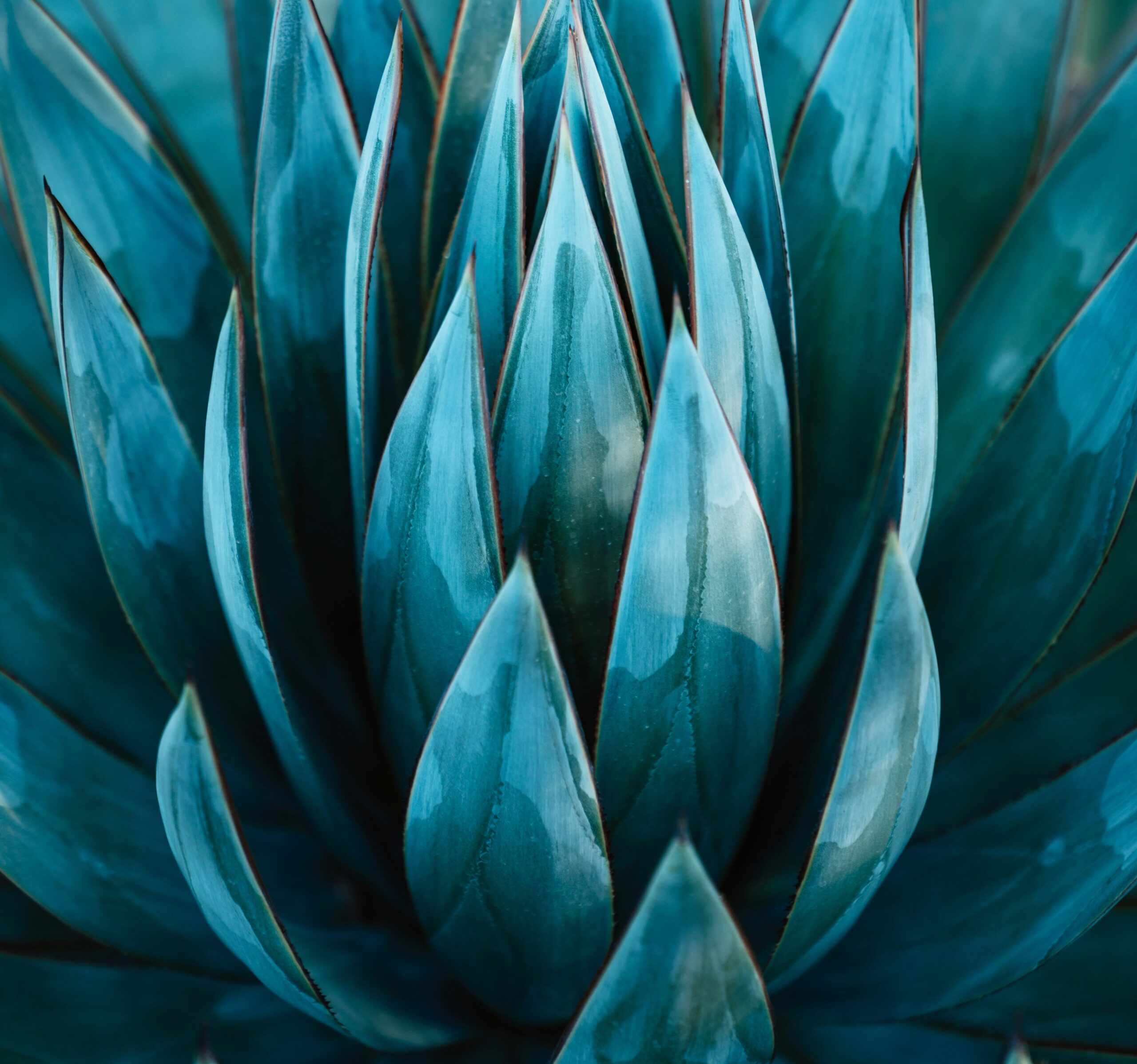
    A few years ago, tequila was on fire. High-end bottles flew off shelves, celebrity-backed brands flooded the market, and Mexico’s agave fields stretched endlessly under the sun. But like all good parties, this one had to wind down. Now, agave farmers are facing a brutal reality—oversupply, plummeting prices, and a market that’s suddenly not as thirsty as before.

    From Gold Rush to Glut

    The early 2020s saw tequila explode in popularity, especially in the U.S., where it overtook whiskey as the most valuable spirits category in 2023. Farmers scrambled to plant more agave, hoping to cash in on the boom. The number of agave producers skyrocketed from just over 3,000 in 2014 to more than 42,000 by 2024. Fields expanded rapidly, and distilleries ramped up production to meet insatiable demand.

    But nature doesn’t work on market cycles. Agave takes six to eight years to mature, meaning the surge in planting from years ago is now flooding the market all at once. As of late 2023, Mexico had more than 525 million liters of tequila in surplus—nearly an entire year’s worth of production just sitting in storage.

    The Price Collapse and Farmer Backlash

    With too much supply and not enough demand, prices nosedived. In 2020, a kilogram of agave fetched a healthy 30 pesos. By late 2024, farmers were lucky to get 2 to 8 pesos per kilo. Some stopped tending their fields entirely, unwilling to harvest crops that wouldn’t even cover production costs.

    The situation has sparked protests, with farmers calling for better regulations and contracts that protect them from these brutal boom-and-bust cycles. Many blame the Tequila Regulatory Council (CRT) for failing to manage production levels or warn against overplanting.

    U.S. Demand Slows, Trade Threats Loom

    To make matters worse, Americans—who drink 80% of Mexico’s tequila exports—are cutting back. After years of skyrocketing sales, U.S. tequila consumption dipped by 1.1% in early 2023. And looming trade threats aren’t helping. The possibility of a 25% tariff on Mexican tequila could further choke exports, leaving even more bottles stranded in warehouses.

    A Way Forward?

    Despite the crisis, the industry isn’t standing still. Major brands like Patrón and Diageo are still investing, but they’re shifting focus to sustainability and premiumization—essentially, making tequila better, not just producing more of it. Some distillers are working with farmers to adopt sustainable practices and secure better contracts.

    The tequila industry has always been cyclical, but the stakes feel higher this time. If demand doesn’t rebound quickly, thousands of farmers could be left in financial ruin. For now, the world’s agave fields are a sobering reminder that even in the spirits business, too much of a good thing can come back to bite you.