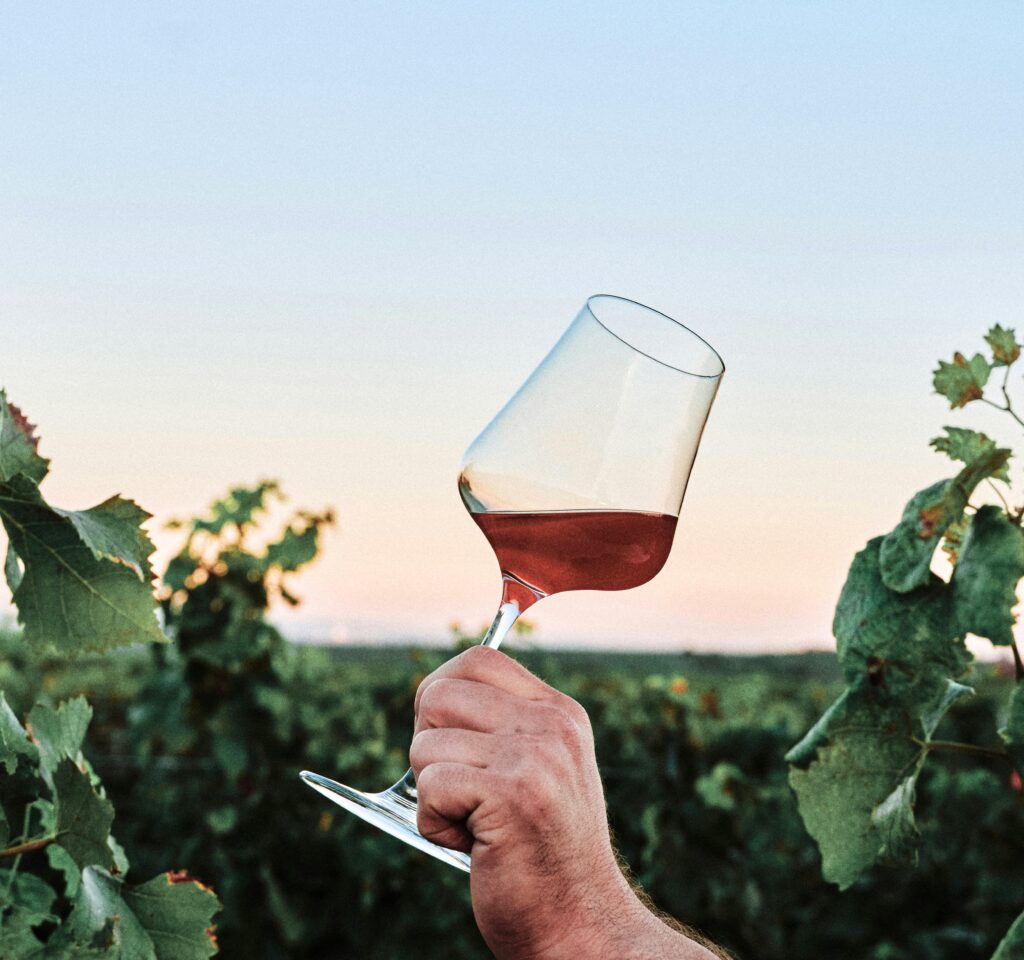
Is it possible to bring one forgotten Sicilian grape back to life? With passion, persistence and science, the answer is a resounding yes.
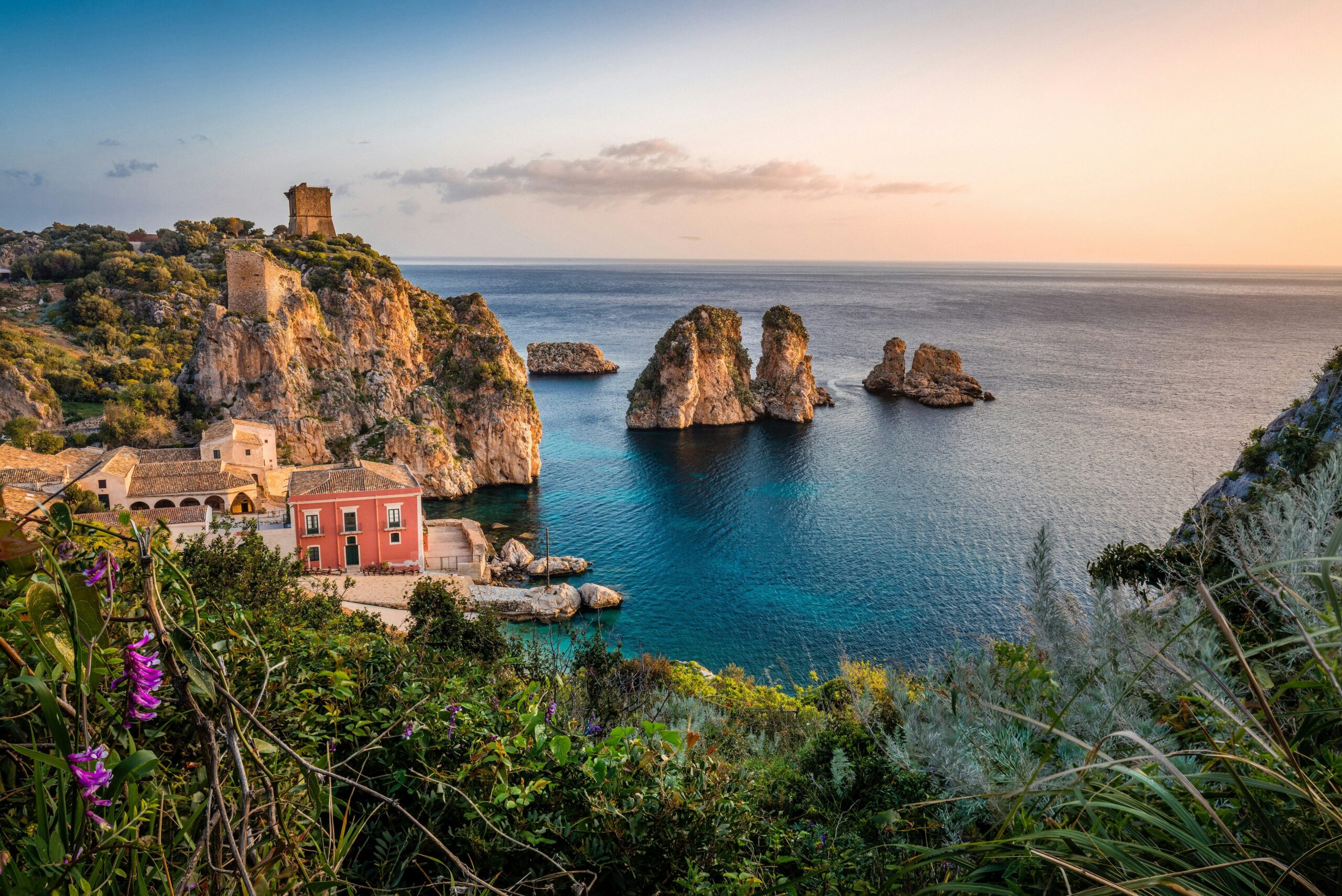
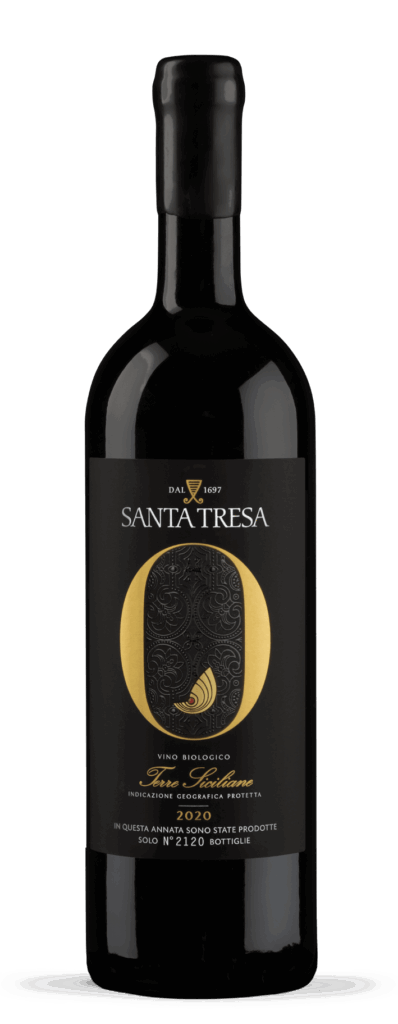
Since August of 2025, when Italy’s Official Gazette published the new Terre Siciliane IGT regulations, winemakers can proudly display “Orisi” on their labels. This is a historical first, made possible by the hard work and dedication of the Santa Tresa winery, spear headed by owner Stefano Girelli.
Before this recognition, Santa Tresa’s wine made from the grape could only be called “O”, its true identity whispered among those in the know. With the rule change, the estate celebrated by releasing “O – Orisi Rosso IGP Bio,” a limited edition that honors the grape’s long-awaited
This breakthrough was not overnight. Back in 2009, Santa Tresa, in partnership with the University of Palermo, began an impressive campo sperimentale (experimental vineyard) venture to bring ancient indigenous Sicilian grapes back from obscurity. Orisi was one of these varietals and to date their biggest success.
Santa Tresa
Today, Santa Tresa is the only estate in Sicily cultivating Orisi, with a mere 1,523 vines rooted in their organic vineyards. Research led by owner Stefano Girelli has shown that Orisi is exceptionally resistant to both peronospera (downy mildew) and drought, challenges that have tested many growers in recent years. Its hardiness positions it as a sustainable, future-proof variety for the island’s evolving climate.
Other rediscovered types, like Albanello, a local white grape exhibiting renewed potential, are yielding equally encouraging results for Girelli and his colleagues at The Wine People (TWP). Restoring Sicily’s historic varietal diversity and promoting grapes that are genuinely indigenous to the region’s soil and climate are their clear goals.
The resurgence of Orisi is more than just a viticultural triumph; it is evidence of Santa Tresa’s conviction that authenticity and sustainability go hand in hand and that the future of Sicilian wine depends on its ability to remember its roots.
When people talk about wine, they often use words like fruity, dry, or bold. Flavor and aroma get most of the attention. But there’s another quality that plays a huge role in how we experience wine—one that’s felt more than tasted. It’s called mouthfeel, and once you start noticing it, wine will never be the same.
Mouthfeel is, quite literally, the physical sensation of wine in your mouth. It can be silky or sharp, oily or effervescent, light as air or heavy as cream. It’s what makes a wine “grip” your tongue or glide across it like satin. And while it’s less talked about than flavor notes, many wine experts argue it’s just as important—if not more.
What Is Mouthfeel, Exactly?
Mouthfeel isn’t a single texture. It’s a combination of sensations created by a wine’s body, tannins, acidity, alcohol content, and even bubbles. Think of it as wine’s personality—the way it moves, lingers, or vanishes on your palate.
Body refers to the weight of the wine. A light-bodied wine like a Gamay feels lean and refreshing, while a full-bodied Syrah feels plush and substantial.
Tannins, found mostly in red wines, give structure and a drying, almost chalky feel—like licking a tea bag (in a good way).
Acidity creates a crisp or sharp feeling, making your mouth water. It’s what gives Riesling and Sauvignon Blanc their zing.
Alcohol adds warmth and a sense of richness. Higher-alcohol wines often feel rounder or more viscous.
Carbonation, in sparkling wines, adds a tickling texture and lifts the overall mouthfeel.
The best wines balance all these elements, giving you a texture that matches the wine’s flavor and style.
Why It Matters More Than You Think
Texture shapes how we perceive taste. A creamy Chardonnay with buttery texture complements soft cheeses or roast chicken. A tannic Barolo cuts through fatty meats with structure and bite. Even if two wines have similar flavor profiles, their mouthfeel can make one feel elegant and the other rustic.
Wine professionals often use mouthfeel to assess a wine’s age, quality, and even how it was made. For example, a smooth, velvety texture might indicate oak aging or malolactic fermentation. A slightly grainy mouthfeel could suggest minimal filtration or natural winemaking methods.
The Emotional Side of Texture
Mouthfeel is also emotional. A bright, fizzy Pet-Nat feels playful and alive. A silky Pinot Noir feels romantic. A dense Cabernet can feel commanding. We don’t just taste wine—we feel it, and that sensation can evoke mood, memory, or even a sense of place.
For some drinkers, texture is what makes wine feel luxurious or comforting. It’s why we describe some wines as “chewy” or “velvety”—words you’d never use for soda or juice. Texture makes wine tactile, a drink you experience with your whole mouth, not just your taste buds.
How to Pay Attention to It
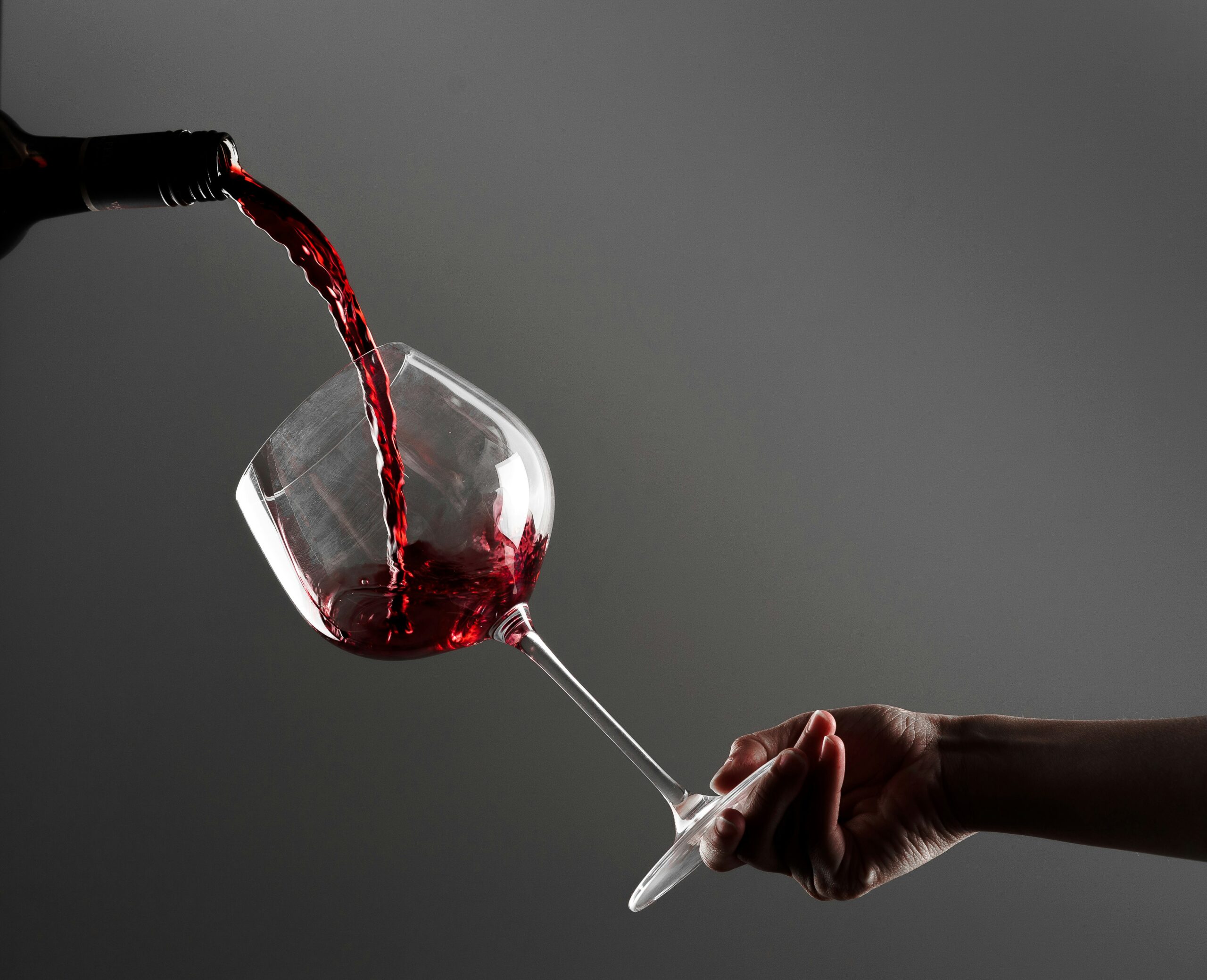
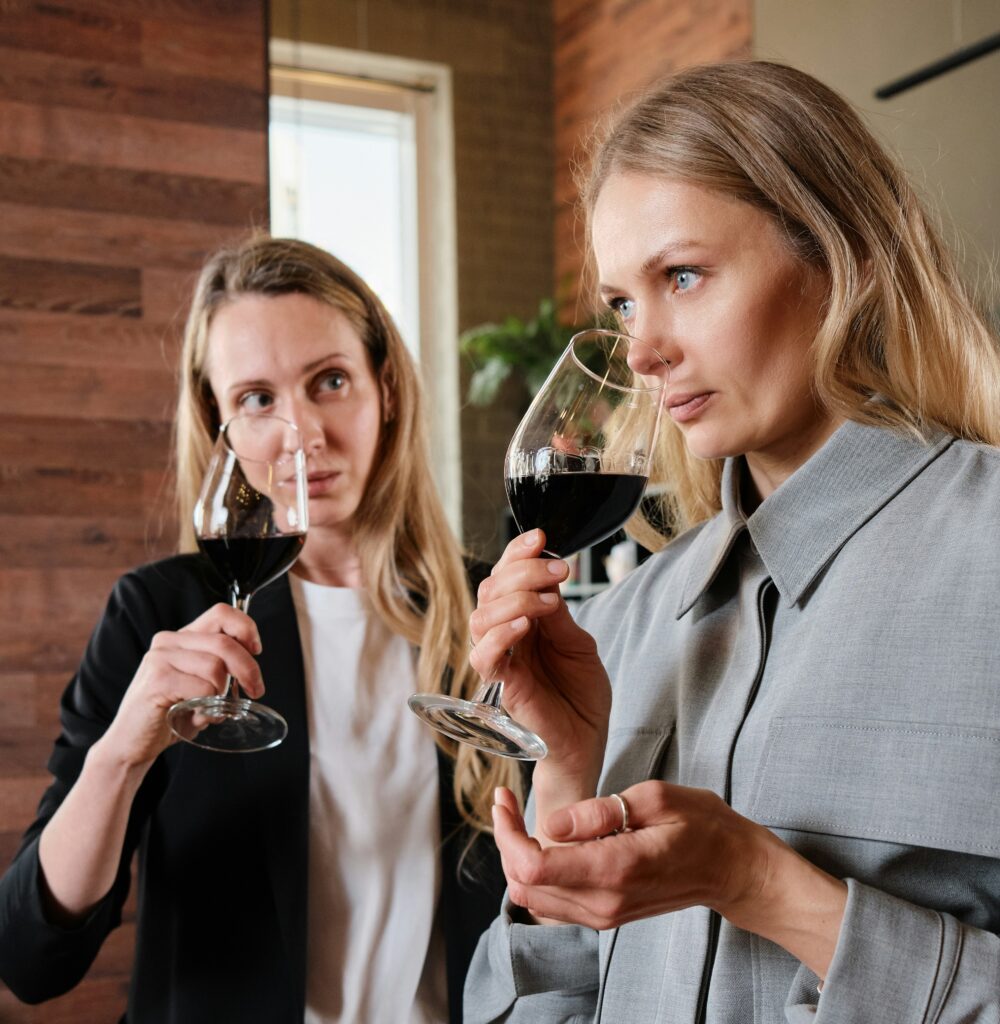
Next time you pour a glass, take a moment before your first sip. Swirl it. Smell it. Then take a small sip and close your eyes. Forget the flavors—just focus on how it feels. Is it light or heavy? Smooth or a little gritty? Does it coat your tongue or zip away quickly?
Compare a few wines side by side—like a bright Pinot Grigio next to an oaky Chardonnay—and notice the differences. You’ll start to see just how much texture adds to your experience.
A Final Sip
Wine isn’t just about taste—it’s about feel. The next time you find yourself describing a wine, don’t stop at fruit notes and dryness. Talk about the texture. Is it silky? Grippy? Bright and electric? Once you start paying attention to mouthfeel, you’ll unlock a whole new layer of appreciation—and your wine game will never be the same.
Wine has long enjoyed a romantic reputation—fermented grapes, aged in oak, poured into crystal. But behind that swirl and sniff can be a surprising amount of chemistry. For drinkers who care about transparency, health, or simply knowing what’s in their glass, it’s worth exploring what winemakers are legally allowed to add to wine—and why they do it.
Not Just Grapes: The Role of Additives in Winemaking
While “grapes + time” might sound like the ideal equation, commercial winemaking often involves far more variables. From fermentation to bottling, dozens of additives may be used to adjust flavor, stability, appearance, and shelf life. Some are harmless and traditional. Others might give pause.
The U.S. Alcohol and Tobacco Tax and Trade Bureau (TTB) approves over 60 wine additives, most of which don’t have to appear on a label.
Common Additives You Might Not Know About
Sulfites
These are the best-known additive—and the most misunderstood. Sulfites help preserve wine and prevent oxidation. While they can trigger mild allergic reactions in a small percentage of people, most wines (even natural ones) contain them in trace amounts because sulfites are also a natural byproduct of fermentation.
Sugar and Acidifiers
In cool climates, grapes may not ripen fully. To balance the wine, sugar might be added to increase alcohol (chaptalization), or tartaric acid may be introduced to add freshness. Both practices are legal in some regions but banned in others, depending on tradition and regulation.
Fining Agents
To make wine look clear and bright, winemakers use fining agents that bind to particles and help remove them. Common ones include bentonite clay, egg whites, casein (milk protein), and isinglass (fish bladder). While these don’t remain in the final product, they’re worth noting for vegans or people with allergies.
Flavor and Texture Enhancers
Some mass-market wines are “adjusted” for consistency using oak chips, powdered tannins, or concentrated grape must. These tweaks can make a wine taste richer, rounder, or more approachable—but they also blur the line between wine and recipe.
So, Should You Be Concerned?
Not necessarily—but it depends on what kind of wine drinker you are. If you view wine as a crafted, expressive product of place, you may lean toward producers who prioritize transparency and minimal intervention. If you want consistency, affordability, and shelf stability, some additives may be a welcome part of the process.
What’s missing is a clear label. In most countries, wine doesn’t require an ingredients list, making it difficult for consumers to make informed choices.
How to Drink Cleaner
Look for terms like “low-intervention,” “natural,” or “biodynamic,” though these labels aren’t always regulated. Your best bet? Seek out winemakers who share their methods publicly or buy from retailers who prioritize transparency.
Wine is both ancient art and modern science. Understanding what’s in your glass won’t ruin the romance—it’ll deepen your appreciation for how complex, and carefully crafted, that glass really is.
Wine culture and wellness might seem like an unlikely pairing. One conjures images of indulgent evenings and candlelit dinners, the other of green juice and yoga mats. But in a world increasingly drawn to balance over extremes, the two are no longer at odds. In fact, the intersection of wine and wellness is becoming its own lifestyle—one rooted in mindfulness, moderation, and deeper connection to what we consume.
So can you drink wine and still prioritize your well-being? Experts—and a new wave of conscious consumers—say yes.
Mindful Drinking Is a Movement
Mindful drinking isn’t about abstinence. It’s about awareness—of what you’re drinking, how much, and why. “The goal is to enjoy alcohol in a way that enhances your life, rather than numbs or distracts from it,” says registered dietitian Melissa Liu. “Wine can absolutely be part of a healthy routine, when consumed intentionally.”
That shift is reflected in changing habits. More people are swapping binge culture for “low and slow” sipping. Dry January has given rise to “Damp Lifestyle”—a year-round approach where drinking is occasional, social, and savored. And wine fits naturally into this ethos, especially when treated as an experience rather than a routine.
The Wellness Side of Wine
Let’s start with the facts: red wine contains antioxidants like resveratrol, which has been linked to heart health. Moderate wine consumption (usually defined as one glass per day for women, two for men) has also been associated with longevity in studies of Mediterranean diets.
But wellness goes beyond biochemistry. “When people drink wine with a sense of occasion, paired with good food and conversation, the psychological benefits are just as real,” says holistic health coach Javier Ortega. “It’s about connection—to others, to tradition, to place.”
The Rise of Better-for-You Bottles
Wine producers are taking note of the demand for wellness-conscious options. Natural wines—made with minimal intervention, fewer sulfites, and no added sugar—are booming. Low-alcohol and even alcohol-removed wines are becoming more refined and flavorful, appealing to those who want the taste without the buzz.
“There’s a new generation of winemakers who prioritize purity,” says Sofia Beltran, co-founder of a sustainable vineyard in Chile. “We see wine as part of a healthy lifestyle, one that honors the earth and the body.”
Drinking with Intention
So how can you drink wine more mindfully? Start with quality over quantity. Choose wines made with care and transparency. Take your time with each sip. Pair it with food. Share it with people you care about. And most importantly, listen to your body.
“A glass of wine can be a beautiful ritual,” says Liu. “The key is tuning into how it makes you feel—physically, emotionally, energetically. That’s wellness, too.”
A Culture Shift in the Making
Gone are the days when indulgence had to mean excess. In today’s evolving food and drink landscape, pleasure and health aren’t opposites. They’re partners. And wine, with its centuries-old history and ever-expanding possibilities, is perfectly positioned to lead that conversation.
Whether you’re exploring biodynamic bottles or just slowing down your Friday night pour, one thing is clear: mindful drinking isn’t about drinking less—it’s about experiencing more.
Châteauneuf-du-Pape. The name alone sounds regal, dripping with history and tradition. It means “New Castle of the Pope,” a nod to the time when the papacy ditched Rome for the South of France. Back in the 14th century, Pope John XXII set up his summer retreat here, expanded the vineyards, and gave the region’s wines his blessing—literally. Fast forward a few hundred years, and this legendary wine country found itself dealing with something a little less divine: UFOs.
Yep, you read that right.
In 1954, during peak Cold War paranoia, France was buzzing with sightings of strange lights and “flying cigars” in the sky. Châteauneuf-du-Pape, home to some of the world’s most coveted wines, was not immune to the hysteria. But instead of panicking about little green men, the town council had a different concern—protecting their vineyards. So, in a move that’s equal parts practical and hilarious, they passed an official decree: No flying saucers allowed.
The law, still technically on the books today, states that UFOs cannot “fly over, land, or take off” within the town. And if an extraterrestrial craft dares to touch down? Immediate confiscation. (Of the ship, not the aliens. Presumably, they’d just get a firm talking-to.)
Decades later, this odd little slice of history inspired a California winemaker with a taste for Rhône-style wines and a sense of humor. Randall Grahm, founder of Bonny Doon Vineyard, created Le Cigare Volant—French for “The Flying Cigar.” His wine, a bold blend inspired by the famous reds of Châteauneuf-du-Pape, became a cult favorite. And with a label featuring a UFO hovering over vineyards, it pays homage to the town’s strange but true law.
So, the next time you pour a glass of Châteauneuf-du-Pape (or Le Cigare Volant), raise a toast to popes, paranoid politicians, and a wine region so fiercely protective of its grapes that it even banned aliens. Because history, like wine, is best enjoyed with a great story.
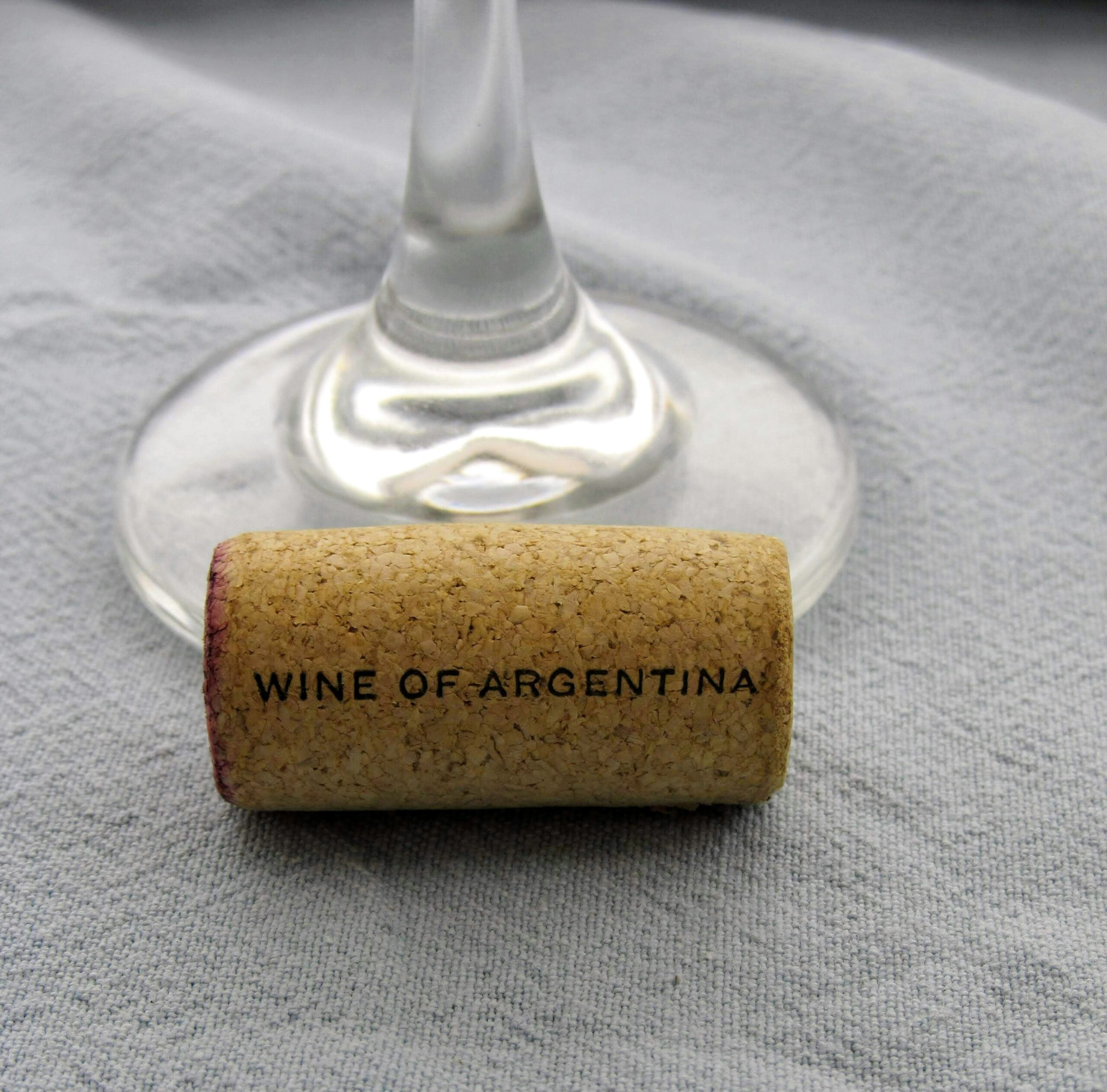
April 17th isn’t just another day on the calendar—it’s a reason to pour yourself a glass of something bold and delicious. International Malbec Day is a celebration of Argentina’s signature grape, a wine that went from a forgotten French varietal to a global sensation. But how did Malbec get here? And more importantly, why should you be drinking it? Let’s dive in.
A Grape with a Passport
Malbec wasn’t born in Argentina—it started in France, in the Cahors region, where it was called “Cot.” Back then, it was rough around the edges, tannic, and not exactly winning popularity contests. Then, in 1853, Argentina stepped in. The country was looking to improve its wine industry, so they brought in Michel Aimé Pouget, a French agronomist, who introduced Malbec to local vineyards. The timing was perfect—French vineyards were soon devastated by disease, and Malbec nearly disappeared from its homeland. But in Argentina? It thrived.
Today, Argentina produces a whopping 75% of the world’s Malbec, with Mendoza as its heart and soul. The region’s high-altitude vineyards, sunny days, and cool nights create the perfect conditions for Malbec to develop deep flavors, smooth tannins, and just the right amount of spice.
What Makes Malbec So Good?
If you love red wine but don’t want something overly heavy or oaky, Malbec hits that sweet spot. It’s full-bodied but smooth, with big, juicy flavors of blackberry, plum, and black cherry, plus hints of cocoa, leather, and spice. And while it’s fantastic to drink young, some Malbecs age beautifully, developing even more complexity over 5-10 years.
What to Eat with Malbec
Malbec isn’t a wine that likes to sit on the sidelines—it wants to be paired with food. And not just any food, but the kind of bold, flavorful dishes that can keep up with its intensity. Here’s what to serve with your next bottle:
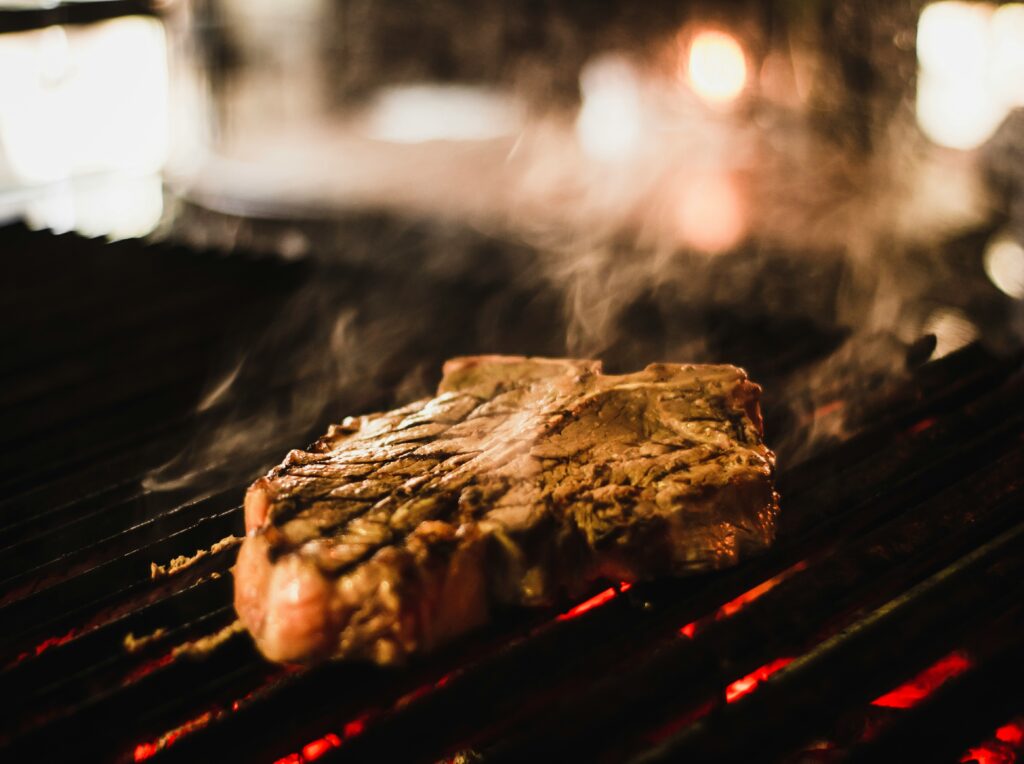
🔥 Grilled Meats & BBQ – The smoky, charred edges of steak, lamb, or ribs are a dream with Malbec’s dark fruit and peppery finish. Argentina figured this out a long time ago—just add a little chimichurri, and you’re golden.
🧀 Aged Cheeses – The balance of fruit and tannins in Malbec makes it a great match for hard cheeses like aged cheddar, gouda, or manchego.
🌶 Spicy Foods – Malbec’s ripe fruit and smooth finish help tame the heat of spicy empanadas, chorizo, or even a rich mole sauce.
Why Malbec Deserves a Spot in Your Glass
Malbec isn’t just a wine—it’s a story of resilience, reinvention, and pure deliciousness. Whether you’re grilling up a feast, ordering takeout, or just unwinding after a long day, there’s a Malbec for that. So this April 17th, do yourself a favor—pop a bottle, pour a glass, and toast to a grape that found its perfect home.
Wine lovers, gather ’round. We have breaking news that will shake the very foundations of your swirling, sniffing, and sipping rituals. Scientists—well, one scientist—has just discovered that most people have been drinking wine completely wrong. And no, this is not about aerators or decanting. It turns out, you’ve been drinking from the wrong side of the bottle.
For centuries, sommeliers and winemakers have quietly chuckled behind closed cellar doors, watching unsuspecting wine enthusiasts unknowingly pour their glass from what’s now being referred to as the “inferior side.” The truth? Every wine bottle has a left and a right side, and if you’re drinking from the wrong one, you might as well be sipping grape juice with a splash of regret.
According to Dr. Vinny Tinto of the International Institute of Beverage Bamboozlement, the side of the bottle exposed to more light and gravitational pull develops deeper complexity and flavor. “We conducted extensive blind tastings,” Dr. Tinto claims, “and found that 89% of tasters preferred wine poured from the ‘superior side’ of the bottle—though they weren’t sure why.” The study results were so shocking that top wineries are now considering labeling bottles with directional arrows to help guide consumers.
So, how can you tell which side is which? That’s where things get tricky. Sommeliers have long used a highly classified technique known as the “Label Alignment Method,” which suggests that if the bottle is rotated exactly 38 degrees clockwise while being poured, the wine aligns with the correct gravitational flow. Others insist that a quick chant of “left swirl, right thrill” before pouring ensures optimal taste.
If all of this seems a little overwhelming, don’t panic just yet. Some experts argue that, in reality, it’s not the side of the bottle that matters—it’s what’s in your glass that counts. But why take the risk? The next time you uncork a nice Bordeaux or that “fancy” bottle you bought on discount, pause and consider: are you drinking from the correct side?
Happy April Fools’ Day, and may your wine always land in the superior side of your glass—whatever that means.
Few things in the wine world have a backstory quite as dramatic as Beaujolais. It’s a tale of royal decrees, banishments, and ultimate redemption—a story of one grape’s fall from grace and its triumphant comeback just south of Burgundy. It all started in the 14th century, when one powerful man decided Gamay was simply not worthy of his kingdom.
Philip the Bold, Duke of Burgundy, wasn’t just another noble with a taste for good wine—he was a shrewd strategist who understood the value of branding before branding was even a thing. He had big plans for Burgundy, and those plans revolved around Pinot Noir. It was elegant, refined, and—most importantly—expensive. The perfect wine for aristocrats. But there was a problem. A scrappy little grape called Gamay was starting to gain ground in Burgundy’s vineyards, and Philip wasn’t having it.
Unlike Pinot Noir, which required patience and careful cultivation, Gamay was the easygoing workhorse of the vineyard. It grew faster, produced higher yields, and made bright, fruit-forward wines that were ready to drink almost immediately. To the hardworking farmers, this was a dream come true—a steady source of income without the long wait. But to Philip, it was a direct threat to Burgundy’s reputation. If people started associating his prized wine region with Gamay’s easy-drinking, lower-cost bottles, Burgundy’s prestige would take a hit. So, in 1395, he issued an edict that would change the course of wine history.
In what can only be described as one of the most dramatic takedowns in viticulture, Philip called Gamay a “very bad and disloyal plant” and ordered it banished from Burgundy. If you were a winemaker growing Gamay within his territory, you had two choices: rip up your vines or get out. The grape was exiled, forced to find a new home beyond the southern border of Burgundy, in the rolling hills of what would become Beaujolais.
But here’s the twist: Gamay didn’t just survive—it thrived. Beaujolais turned out to be the perfect place for it.
The granite-rich soil, combined with the warm summers and cool winters, gave Gamay a whole new dimension. The wines took on a lively, juicy character, bursting with flavors of red berries, violets, and a touch of spice. It wasn’t long before Beaujolais carved out its own identity, separate from Burgundy, and proved that Philip’s so-called “evil” grape was actually a hidden gem.
Fast forward to the 20th century, and Beaujolais was about to have its moment in the spotlight. Enter Beaujolais Nouveau—the fresh, young wine that would take the world by storm. Traditionally, winemakers in the region would make a quick, fruity wine to celebrate the end of the harvest. It was meant for local consumption, nothing too serious. But in the 1950s, some clever marketing minds saw an opportunity. What if they turned this into an event? A race to release the first wine of the vintage, just weeks after harvest?
The idea exploded. By the 1970s and ‘80s, Beaujolais Nouveau had become a global phenomenon. Every third Thursday in November, the wine would hit the shelves with a wave of celebrations, complete with parties, fireworks, and the famous slogan: “Le Beaujolais Nouveau est arrivé!” Bars from Paris to Tokyo would compete to get their hands on the first bottles, and for a while, Beaujolais was the most talked-about wine in the world.
But trends are fickle, and by the 1990s, Beaujolais Nouveau’s reputation started to suffer. Critics dismissed it as a gimmick—an overhyped, underwhelming wine that wasn’t worth the fuss.
To be fair, they had a point. In the rush to produce massive quantities, quality often took a backseat, and people started associating Beaujolais with thin, forgettable wines. Sales declined, and the region found itself in a bit of an identity crisis.
But just like Gamay all those centuries ago, Beaujolais wasn’t going down without a fight. A new generation of winemakers stepped in, determined to remind the world that Beaujolais was more than just Nouveau. They focused on the region’s ten crus—the top-tier villages that produce seriously good wine. These are wines with depth, complexity, and aging potential, far removed from the quick-and-easy Nouveau. Wines from places like Morgon, Fleurie, and Moulin-à-Vent have slowly but surely been reclaiming Beaujolais’ reputation, earning the respect of critics and wine lovers alike.
Today, Beaujolais is in the midst of a quiet renaissance. The hype around Nouveau has settled, but in its place is a newfound appreciation for the region’s versatility. Whether you’re after a fresh, chillable red for a summer afternoon or a structured, age-worthy bottle to pair with dinner, Beaujolais has something to offer. And it all started with one grape’s forced exile, centuries ago.
So the next time you pour a glass of Beaujolais, raise it to Gamay—the grape that refused to be written off. Because sometimes, being cast aside is the best thing that can happen.
Wine pairing is about finding harmony between your drink and your dish. A few simple principles can elevate your dining experience, helping flavors shine together rather than compete. Here’s a contemporary guide to mastering the art of pairing wine and food.
1. Match Intensity: Pair wine and food with similar weight and flavor intensity. Light dishes, like salads or seafood, work beautifully with light-bodied wines such as Sauvignon Blanc or Pinot Grigio. Richer dishes—think steak or stews—call for robust reds like Cabernet Sauvignon or Malbec. The key is balance: neither the wine nor the dish should overpower the other.
Quick Pairing Examples:
• Light: Sauvignon Blanc with a Caprese salad or citrus-marinated shrimp.
• Medium: Pinot Noir with mushroom risotto.
• Heavy: Cabernet Sauvignon with ribeye steak or lamb stew.
2. Balance Acidity: Acidity in wine brightens flavors and cuts through richness. High-acid wines, like Albariño or Sauvignon Blanc, complement dishes with acidity, such as vinaigrettes or citrus-infused seafood. For creamy or buttery dishes, choose moderate-acid wines like Chardonnay.
Quick Pairing Examples:
High-Acid Wines: Albariño with ceviche or Greek salad.
Moderate-Acid Wines: Chardonnay with scallops in cream sauce.
Low-Acid Wines: Malbec with BBQ ribs.
3. Sweetness and Spice: A touch of sweetness in wine can tame spicy dishes or enhance desserts. Off-dry Rieslings are perfect for Thai or Indian cuisine, while sweet wines like Sauternes pair excellently with rich desserts or salty cheeses. The rule is simple: match or exceed the dish’s sweetness to avoid clashes.
Quick Pairing Examples:
Sweet: Sauternes with crème brûlée.
Off-Dry: Gewürztraminer with spicy curry.
Dry: Prosecco with oysters.
4. Understand Tannins: Tannins, found in red wines, bring structure and texture. High-tannin wines like Cabernet Sauvignon pair well with fatty, protein-rich dishes, as tannins cut through the richness. For more delicate flavors, choose wines with lower tannins, such as Pinot Noir.
Quick Pairing Examples:
High-Tannin: Cabernet Sauvignon with lamb chops.
Moderate-Tannin: Merlot with roast turkey.
Low-Tannin: Pinot Noir with grilled salmon.
5. Regional Pairing: The phrase “What grows together goes together” often holds true. Regional pairings celebrate the natural harmony between local foods and wines. For instance, Italian Chianti complements pasta dishes, while Oregon Pinot Noir pairs well with Pacific Northwest salmon.
Quick Pairing Examples:
Italian: Chianti with spaghetti carbonara.
French: Burgundy with coq au vin.
Local: Oregon Pinot Noir with salmon.
6. Mind the Texture: The texture of food and wine affects the pairing. Creamy dishes, like risotto or Alfredo, pair well with wines with a similar mouthfeel, such as buttery Chardonnay. Light, crisp dishes, like oysters, go best with zesty wines like Sauvignon Blanc.
Quick Pairing Examples:
Creamy: Chardonnay with lobster bisque.
Crisp: Sauvignon Blanc with oysters.
Smooth: Pinot Grigio with poached halibut.
7. Explore and Experiment: Some of the most delightful pairings come from stepping outside the rules. Try unconventional combinations, like a dry rosé with sushi or a Nebbiolo with mac and cheese. Experiment with seasonal pairings, such as Zinfandel at a summer barbecue or Port by the fire in winter.
Quick Pairing Examples:
Adventurous: Viognier with Thai curry or rosé with sushi.
Seasonal: Syrah with hearty fall stews.
8. Trust Your Taste: At the end of the day, the best pairing is the one you enjoy. These guidelines are a starting point, but your preferences matter most. Whether it’s a favorite Merlot with roast chicken or Moscato with dessert, trust your instincts and savor every sip.
Wine pairing is both an art and a journey. Use these tips to guide your exploration but remember; the best discoveries often happen when you follow your own palate. Cheers!