Tag: Africa

  • Tiwai Island: The Wild Seduction of Sierra Leone

    Tiwai Island: The Wild Seduction of Sierra Leone

    There are places that don’t simply beckon, they seduce. Tiwai Island is one of them. You arrive by river like a conspirator: the canoe cleaves black water, the motor’s low thrum swallowed by a chorus of cicadas and distant, high-pitched monkey calls. The bank unfurls in slow motion, vines, palms, braided roots, the kind of green that seems to breathe. The air presses warm and wet against your skin; sweat beads like tiny secret promises.

    The forest moves in restless layers. Monkeys thread through the canopy in darting, theatrical flashes; eleven primate species call this place home, each a quicksilver glimpse of mischief. Birds throw color and noise into every clearing, their cries a salacious soundtrack. Underfoot, the soil smells of river, rot and rain, an erotic mix of life and decay that feels anything but tame.

    At dusk the island changes costume. Lantern light pools around low eco-lodges, and shadows grow thick and intimate. Palm wine passes between hands; local guides tell stories that slip between laugh and hush, and you find yourself leaning closer not just to hear but to inhabit the moment. Somewhere off the trail something heavy breaks the silence, a distant elephant, perhaps — and the group exhales together, aware of how thin the veil is between thrill and fear.

    Tiwai isn’t polished. There are no spas or infinity pools; the luxury here is raw: the thrill of being small inside a living world that has not been tamed. Days are for wet boots, sticky fingers, and salty river meals; nights are for tasting the dark and listening to a forest that refuses to be civilized. It lingers on your skin and in your dreams; a slow, persistent ache that calls you back long after you leave.

    Final thoughts (warning):

    As usual, we’re not telling you to do anything. Tiwai is remote, and you’re as free as a bird to evaluate your comfort zone alongside travel advisories and cautions. Tiwai is remote. Check current travel advisories, ensure required vaccinations, take malaria prophylaxis as recommended, and buy travel insurance that includes medevac. Travel should stretch you, not endanger you.

    Tiwai will seduce you. Prepare a little, and it will keep you wildly, gloriously alive.
  • Three Cuisines You Should Try

    Three Cuisines You Should Try

    We all love to keep track of delicious trends and unique ideas when it comes to our food, but what about some of the lesser-known gastronomy that just might bring us some joy? 

    Trend-analysts note that in 2026 there is a marked rise in interest for, “Traditional English, Eastern European, Southern Asian, and new-wave Japanese cuisines.”  

    Here are three lesser-known cuisines that are starting to break out globally, rife for food travel, dining innovation, and home cooking inspiration. Each has distinctive ingredients, textures and cooking techniques that bring something new to the palate.

    1. Eastern European Cuisine

    Cuisines from Eastern Europe are gaining traction beyond the traditional “beef-stroganoff” or pierogi trope.

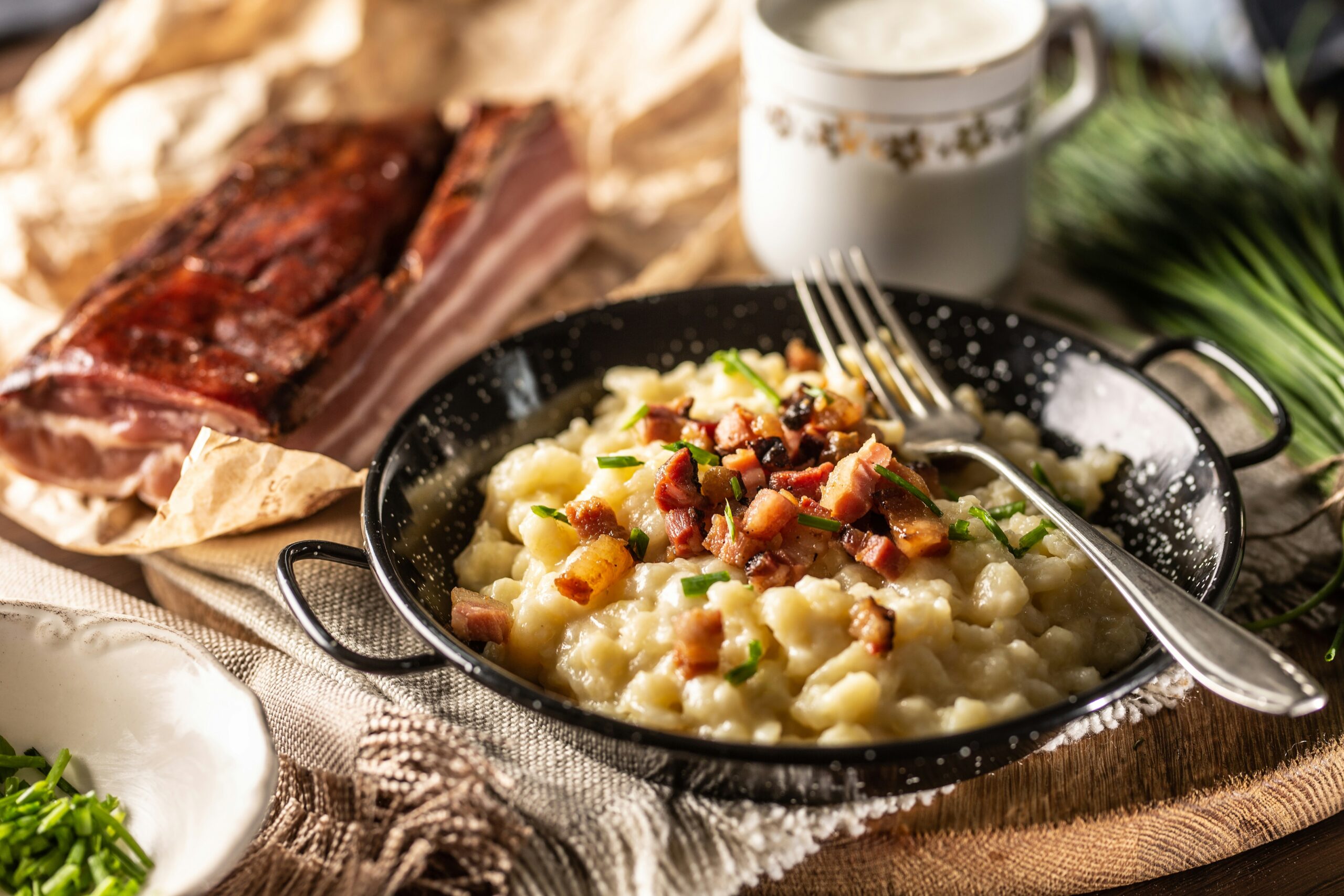
    What makes Eastern European food compelling right now: its hearty, rustic roots, the resurgence of forgotten ingredients (like buckwheat, kefir, wild mushrooms), and the elegant re-interpretation by modern chefs. In short: it offers both comfort and novelty.

    For home cooks and restaurant chefs, it means exploring flavor profiles like caraway, dill, sour cream, fermented vegetables, and smoked meats in new ways; perhaps pairing Ukrainian borscht with modern plating or Baltic rye-bread canapés with smoked fish and pickled touches.

    2. West and East African Cuisines

    African cuisines have always been rich and diverse, yet they are only recently getting broader global attention. West African dishes highlight elements like peanut-ground sauces (mafé), fermented cassava (fufu), spices like suya, and smoky chilli blends.

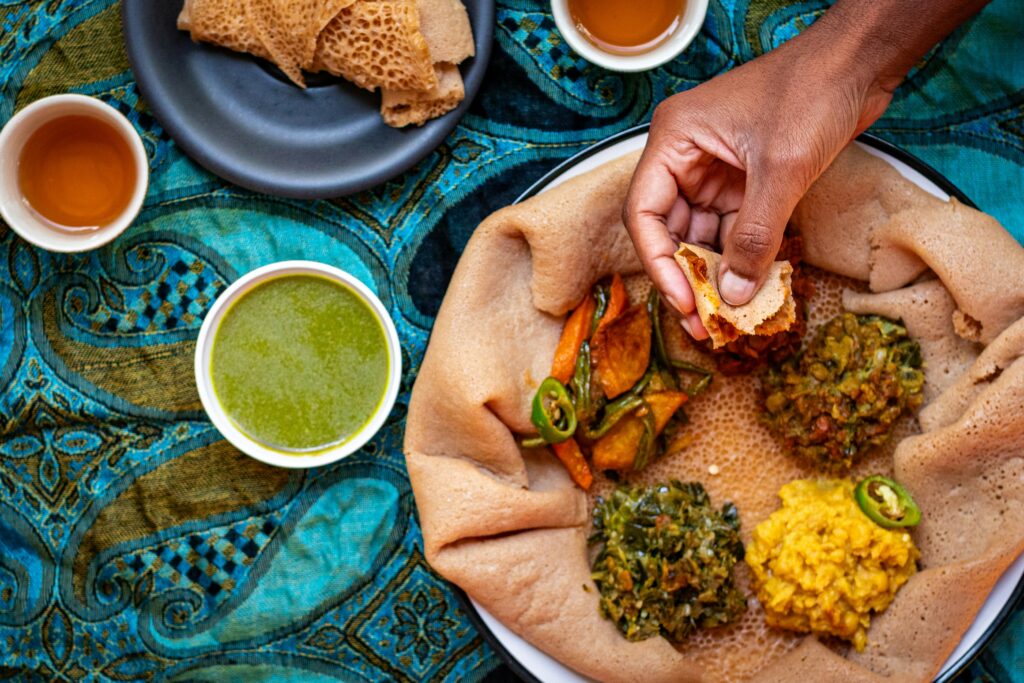
    East African cuisines bring injera (Ethiopian sour-flatbread), berbere spice, and communal eating formats. Restaurant Chefs and home cooks can tap into this by emphasising bold spice, fermentation, and sharing-style formats. For example, a restaurant might serve an “Eritrean thali” style platter, or a home cook might stir suya-spiced peanuts into roasted-veg bowls.

    The appeal: flavours that are unfamiliar (for many) yet rooted in tradition.

    3. Philippine Cuisine

    Often called “original Asian fusion,” Filipino cuisine blends native culinary roots with Chinese, Spanish, Malaysian, Japanese and American influences.  

    What’s making it pop now: Dishes like adobo, sinigang, lechon and halo-halo have begun gaining recognition outside of Filipino communities. Social-media, travel and chef-crossover have helped lift the profile. Additionally, younger diners are seeking “new global breakfasts and snacks” and “Filipino cuisine” is explicitly named among top Gen-Z food trends. For a chef in a restaurant, this could mean offering a “dessert duo” of ube ice-cream and cassava cake, or elevating street-food staples like balut or kinilaw into tasting menus.

    For the home cook, it might mean experimenting with calamansi, shrimp paste (bagoong), and coconut-vinegar-based marinades. All delicious and diverse in flavours for those searching for something new.

    These under exposed cuisines all share features that make them “Trend-worthy”; they are adaptable and can be incorporated into or alongside other dishes, have their own strong flavour identities and are rich in culture and stories. Enjoy!