Tag: Alcohol-free

  • The Rise of Low-ABV Cocktails: Why Less Is the New Luxe

    The Rise of Low-ABV Cocktails: Why Less Is the New Luxe


    In a world that’s increasingly wellness-conscious but still craving flavor, low-ABV (alcohol by volume) cocktails have stepped into the spotlight. These light-on-the-booze beverages are more than just a compromise—they’re becoming a deliberate, stylish choice. From aperitif-driven drinks to lower-proof spins on classics, bartenders around the globe are redefining what it means to indulge.

    A Shift in Sip Culture

    For years, cocktail menus were dominated by bold, high-proof concoctions that packed a punch. But tastes are evolving. “Guests want drinks they can enjoy over time, without feeling weighed down,” says Olivia Chang, beverage director at a New York City speakeasy that now features a dedicated low-ABV section. “It’s about pleasure and presence—not excess.”

    The rise of this trend coincides with larger cultural movements around moderation. The sober-curious crowd, Dry January devotees, and health-conscious millennials have all helped fuel a desire for alternatives to traditional high-proof cocktails.
    The Ingredients Behind the Movement

    Low-ABV cocktails tend to showcase ingredients like vermouth, sherry, amaro, sake, or even kombucha and tea infusions. These bases offer complexity and depth without the high alcohol content. Think spritzes with artful bitters, cobblers made with fortified wine, or a refreshing highball using sake and cucumber soda.

    “It forces creativity,” says Mateo Rivera, a bartender in San Francisco. “When you can’t rely on spirits to carry the weight, you get more inventive with herbs, tinctures, and seasonal produce. You’re painting with a subtler brush.”

    From Aperitivo to After-Hours

    This trend borrows inspiration from European aperitivo culture, where a late afternoon drink isn’t about intoxication but about stimulation—waking up the palate, not dulling it. That spirit is being adopted at trendy wine bars and rooftop lounges from Los Angeles to Lisbon.

    You’ll spot Negroni Sbagliatos on menus again, or see bartenders riffing on spritzes using unusual bitter liqueurs and sparkling water. One popular drink at a Tokyo bar? A yuzushu-based cocktail with a mist of gin and a garnish of grilled lemon. It’s light, layered, and surprisingly satisfying.
    Luxe by Design

    Ironically, the lighter the drink, the more intentional it often is. “There’s a quiet luxury to low-ABV cocktails,” says Chang. “They’re often more elegant in presentation and nuanced in flavor. You sip them slowly. You remember them.”

    This kind of drinking doesn’t mean giving anything up. It means elevating the experience. A well-made low-ABV cocktail is a celebration of restraint—and a sign that indulgence is no longer defined by excess, but by balance.

    Where It’s Headed

    As home bartending continues to boom, low-ABV cocktail culture is making its way into kitchens, backyards, and dinner parties. With more premium non-alcoholic and low-proof spirits on the market, the possibilities are expanding.

    Less really is more. And in this case, it’s more stylish, more sustainable, and arguably, more fun.
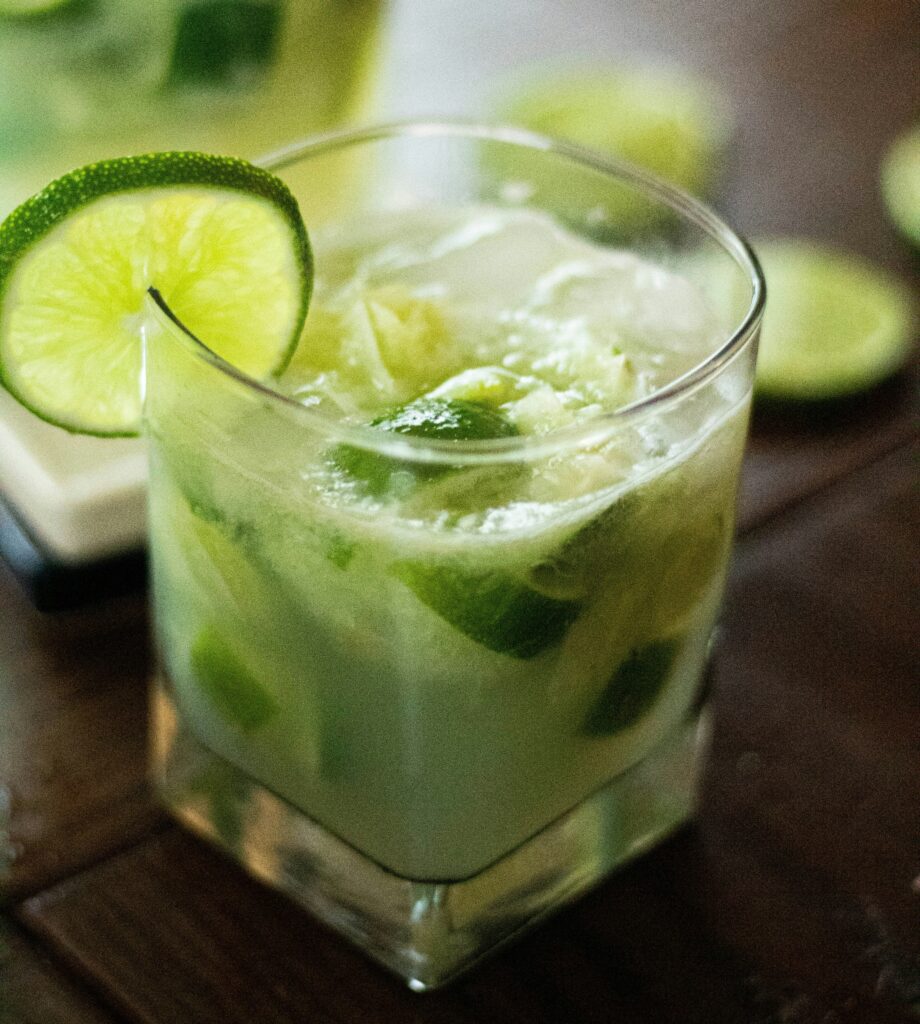
  • Mindful Sipping: 5 Delicious Low-Alcohol Cocktails

    Mindful Sipping: 5 Delicious Low-Alcohol Cocktails

    In a world where happy hours, dinner parties, and weekend brunches revolve around cocktails and wine, many of us are looking for ways to drink more mindfully. Whether you’re cutting back on alcohol, watching your calorie intake, or just looking for something light and refreshing, low-ABV cocktails are the perfect solution. These drinks offer all the complexity and sophistication of a great cocktail, without the heavy buzz. Here are five delicious, low-alcohol options that are perfect for any occasion—each with no more than one ounce of alcohol per serving, and you can always cut that in half! 

    1. Cucumber Spritz (Vodka)

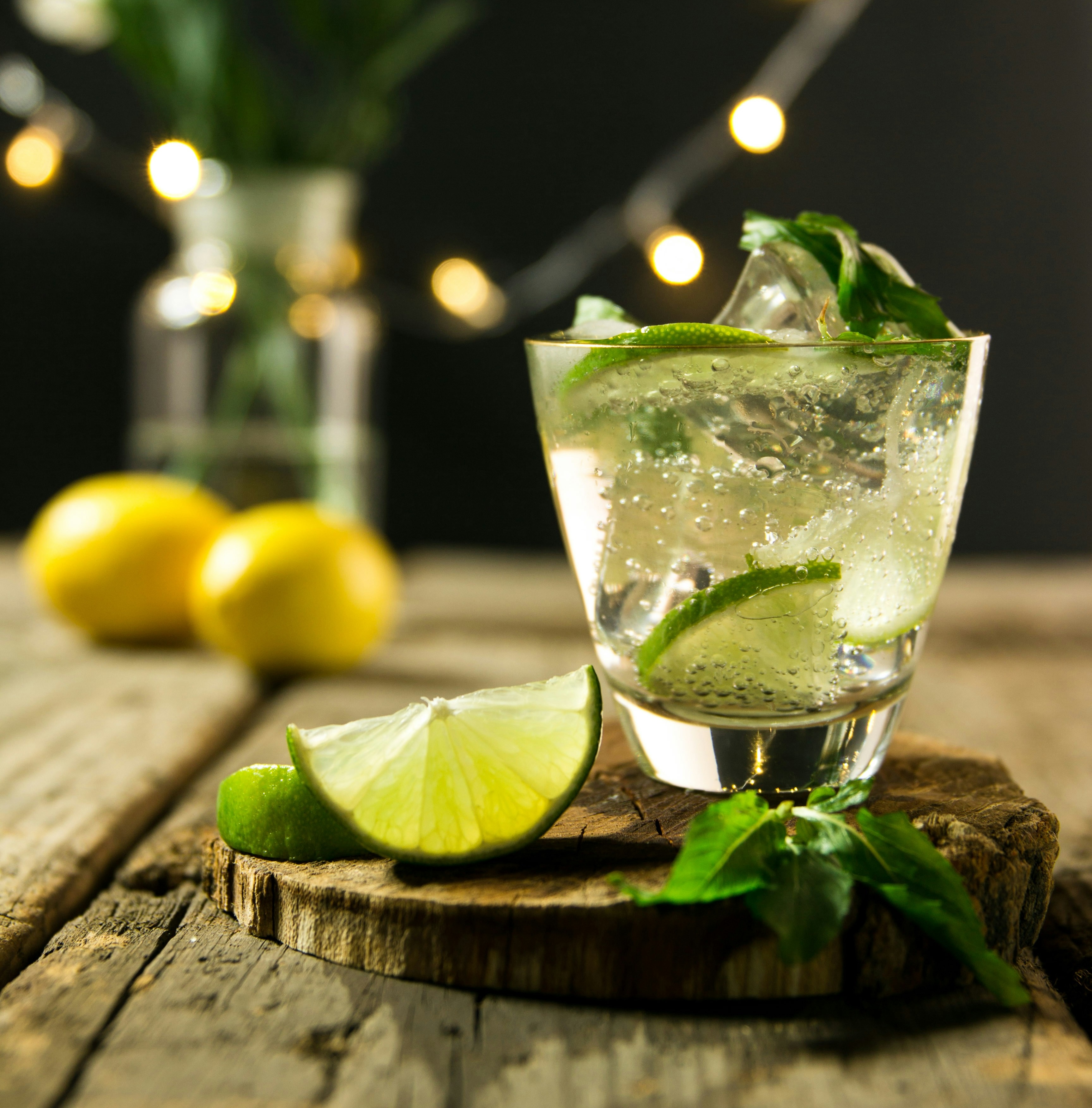
    Crisp, hydrating, and delightfully light, this cucumber-forward cocktail is a perfect choice for a summer afternoon or a spa-like reset. Fresh cucumber and mint add a refreshing twist, while soda water keeps it bubbly without extra calories.

    Recipe:

    • 1 oz vodka
    • 3 oz sparkling water
    • 1 oz fresh lime juice
    • 3-4 cucumber slices
    • A few fresh mint leaves
    • Ice
      Muddle the cucumber and mint in a glass, add ice, vodka, and lime juice, then top with sparkling water. Stir and enjoy!

    2. Rosé Citrus Spritzer (Wine)

    A light and fruity alternative to a full glass of wine, this spritzer brings out the best in a crisp rosé while keeping things bright and refreshing.

    Recipe:

    • 3 oz dry rosé wine
    • 1 oz fresh grapefruit juice
    • 2 oz soda water
    • A few fresh berries for garnish
    • Ice
      Fill a wine glass with ice, pour in the rosé and grapefruit juice, then top with soda water. Stir gently and garnish with berries.

    3. Elderflower Collins (Gin)

    This delicate, floral cocktail is a perfect balance of botanicals, citrus, and subtle sweetness. Elderflower liqueur adds an elegant touch, while club soda keeps it light.

    Recipe:

    • 1 oz gin
    • ½ oz elderflower liqueur
    • ½ oz fresh lemon juice
    • 3 oz club soda
    • Ice
      Shake the gin, elderflower liqueur, and lemon juice with ice, strain into a glass filled with ice, and top with club soda. Stir and garnish with a lemon slice.

    4. Paloma Light (Tequila)

    A classic Paloma gets a lighter makeover with fresh grapefruit juice and a hint of tequila. This one’s perfect for those who love citrus-forward drinks without the sugar overload.

    Recipe:

    • 1 oz tequila
    • 2 oz fresh grapefruit juice
    • 1 oz soda water
    • ½ oz lime juice
    • Pinch of sea salt
    • Ice
      Fill a glass with ice, add the tequila, grapefruit juice, and lime juice, then top with soda water. Stir and finish with a pinch of sea salt for extra brightness.

    5. Apple & Ginger Spritz (Whiskey)

    For those who love a hint of spice, this whiskey-based cocktail is a fantastic alternative to a full-strength highball. The combination of apple and ginger gives it a warm, crisp finish.

    Recipe:

    • 1 oz whiskey
    • 3 oz sparkling apple cider
    • ½ oz fresh lemon juice
    • 1 oz ginger beer
    • Ice
      Fill a glass with ice, add whiskey and lemon juice, top with sparkling apple cider and ginger beer. Stir gently and enjoy!

    Drinking mindfully doesn’t mean sacrificing flavor or experience. These cocktails prove that less alcohol doesn’t mean less fun—just more balance and refreshment. Whether you’re hosting friends or simply unwinding after a long day, these low-ABV sippers will keep the good times rolling without overindulging. Cheers to enjoying the best of both worlds!

  • Finding Balance: Drinking, Not Drinking, and Everything in Between

    Finding Balance: Drinking, Not Drinking, and Everything in Between

    In a world that often swings between extremes—detox or indulgence, all-in or all-out—it’s easy to feel like drinking alcohol has to be one thing or the other. But life isn’t that black and white, and neither should our choices around what we drink. Balance isn’t about strict rules or judgment—it’s about finding what works for you and respecting the choices of others along the way.

    For some, that means enjoying a glass of wine with dinner, cracking open a beer at the ballpark, or crafting a cocktail at home. For others, it means opting for non-alcoholic options, choosing lighter drinks, or skipping alcohol altogether. And that’s okay. What isn’t okay? Shaming people for their choices—whether that’s pressuring someone to drink or making them feel like they need to explain why they are drinking.

    Much like the “almond mom” phenomenon, where generations inherited unhealthy food fears from diet-obsessed parents, the way we talk about alcohol matters. The last thing we need is a culture of guilt surrounding something that, for many, is simply a social or culinary pleasure. Drinking sometimes, drinking less, or not drinking at all are all valid choices—just as valid as deciding that a crisp, non-alcoholic beer is your go-to at a tailgate while your friend reaches for a cold lager, or that a crisp, no-alcohol spritz is your drink of choice at brunch while your friend sips a mimosa.

    Of course, this conversation isn’t about those in recovery—sobriety for alcoholics is a serious, life-saving choice that should always be supported. Encouraging or tempting someone who is actively working to stay sober is never okay. But for the rest of us, the key is moderation, understanding, and a judgment-free approach to how we live our lives.

    Because at the end of the day, balance isn’t about saying never or always. It’s about knowing yourself, making mindful decisions, and allowing others to do the same. Cheers to that—whatever’s in your glass.

  • Exploring the Rise of Low-Alcohol and Alcohol-Free Wines in 2025

    Exploring the Rise of Low-Alcohol and Alcohol-Free Wines in 2025

    In recent years, the wine industry has seen a seismic shift toward health-conscious consumption, with low-alcohol and alcohol-free wines making a splash across global markets. As we step into 2025, this once niche segment is no longer just a trend—it’s become a movement. Whether it’s an increasing awareness of health benefits, a desire for mindful drinking, or simply wanting to indulge without the hangover, low- and non-alcoholic wines are quickly finding a permanent place in consumers’ glasses.

    The Changing Landscape of Wine Consumption

    Gone are the days when choosing a non-alcoholic wine meant settling for something that lacked flavor and depth. Today’s options reflect an evolution in both production and taste, with innovative winemakers blending craftsmanship with the growing demand for healthier alternatives. While alcohol-free options once struggled with an image of being watered down or inferior, the modern wave of non-alcoholic wines is breaking these barriers by delivering authentic, enjoyable drinking experiences.

    Leading Brands and Their Distinct Flavors

    Several notable brands are leading the charge in this transformation. Companies like Freixenet, Seedlip, and Noughtyhave set new standards in flavor, moving beyond the “flavorless” options of the past and offering wines that feel like the real deal.

    Noughty, an award-winning alcohol-free sparkling wine from the UK, is crafted from premium Chardonnay and undergoes a meticulous dealcoholization process that preserves its bright, crisp nature. With its fresh, fruity flavor profile, Noughty offers a sophisticated alternative to traditional champagne, perfect for celebrations or casual sipping.

    Meanwhile, Freixenet’s 0.0% sparkling wine offers a refined taste experience with citrus and green apple notes, reflecting the expertise of a brand that has been synonymous with sparkling wines for over 150 years. This non-alcoholic bubbly is made from carefully selected grapes and offers a seamless drinking experience for those opting for a lighter lifestyle.

    For red wine lovers, Leitz’s ‘Eins Zwei Zero’ offers a delightful alcohol-free Riesling, showcasing vibrant acidity and fresh fruit notes that make it a true standout in the non-alcoholic wine world. With its balance of sweet and dry, it proves that non-alcoholic wines don’t have to compromise on flavor.

    The Appeal: Health, Wellness, and Lifestyle

    The shift toward low- and alcohol-free wines is about more than just avoiding a hangover—it’s about embracing a lifestyle that prioritizes wellness and balance. More and more, consumers are becoming health-conscious and mindful of their alcohol consumption. In fact, a recent Mintel study found that nearly 40% of U.S. drinkers are actively reducing their alcohol intake, seeking lower-calorie, lower-sugar options without sacrificing the experience of a fine wine.

    Moreover, these wines cater to a broad spectrum of people, from those with medical conditions to expectant mothers or simply individuals who prefer to enjoy the pleasures of wine without the effects of alcohol. The growing availability of non-alcoholic options has led to a more inclusive approach to wine, where everyone can enjoy a glass, regardless of lifestyle choice or health considerations.

    Looking ahead, the alcohol-free wine sector is set for continued innovation. With improved production techniques, winemakers are enhancing taste and the overall drinking experience. In 2025 and beyond, expect more diverse options, from reds to sparkling varieties, that cater to the demand for healthier, premium alternatives. As consumer expectations rise, these wines are evolving to offer flavorful experiences without the alcohol.

    Whether you’re enjoying a quiet night or celebrating a special occasion, the future of wine is bright for those seeking great taste with less impact on health. Cheers to a new era of mindful sipping!