Tag: Bartender

  • Why We Romanticize the After-Work Drink

    Why We Romanticize the After-Work Drink


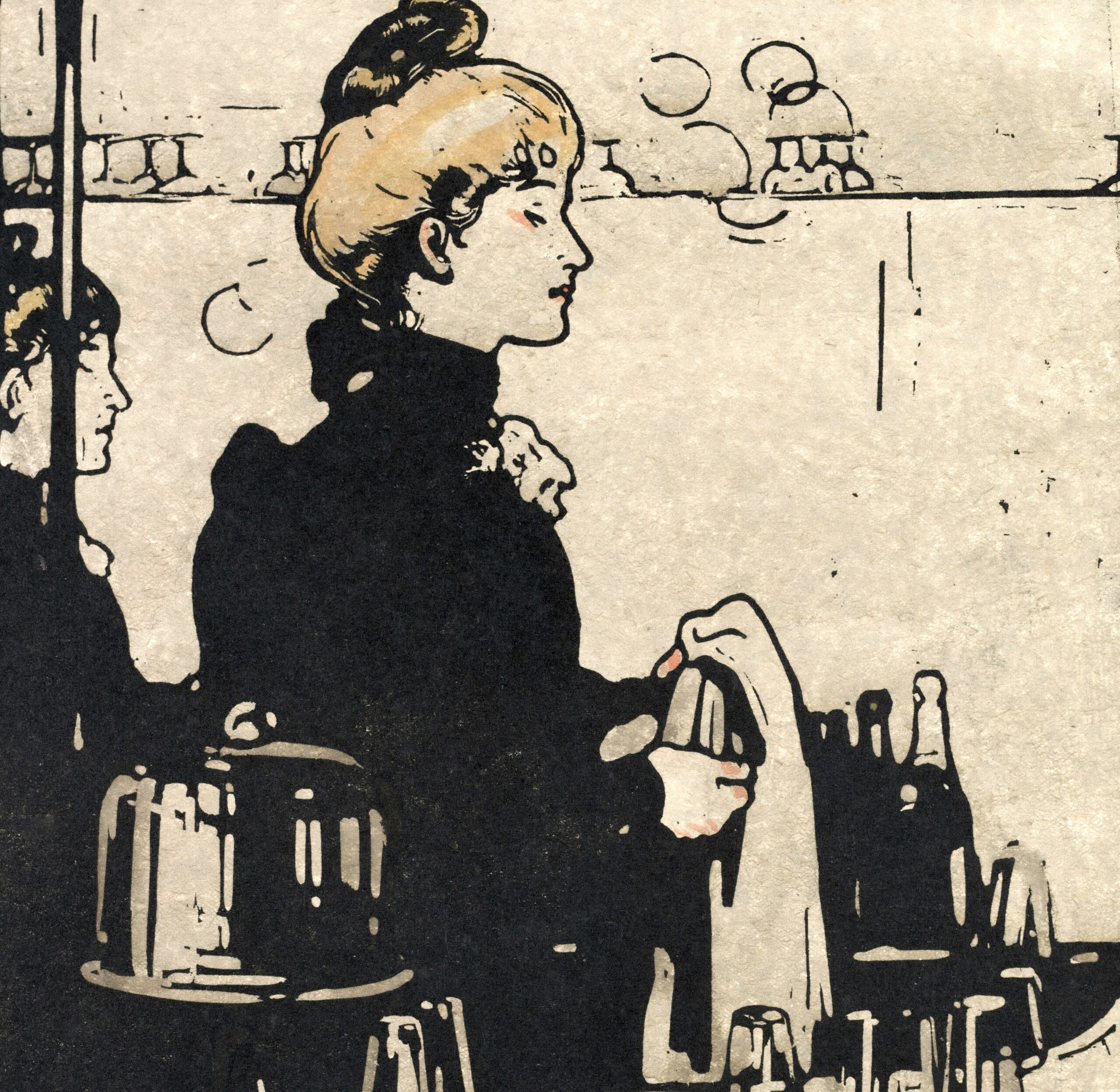
    You know the moment: you clock out, step into fading daylight, and hear the pop-hiss of a cold beer opening. It’s not just thirst you’re quenching—it’s something deeper. That first post-work drink, whether it’s a crisp lager, a juicy IPA, or a carefully stirred negroni, hits a nerve we rarely talk about. It’s not about getting buzzed. It’s about transition.

    Across cultures, the after-work drink marks a boundary—between duty and leisure, effort and ease, performance and presence. And while we often joke about needing a drink to “take the edge off,” there’s a quiet, ritualistic beauty to that pause, that sip, that exhale.

    A Global Habit with Local Flavors

    In Japan, it’s customary for salarymen to head to an izakaya after work to bond with colleagues over beer and highballs. In Italy, the early evening aperitivo—a light cocktail and a few salty bites—is practically sacred. In Germany, the Feierabendbier, or “beer to celebrate the end of the workday,” is a beloved part of life. And in the U.S., happy hour culture remains strong, even if the two-for-one specials have made way for curated tap lists and small-batch spirits.

    Though the setting and the drink may differ, the underlying impulse is the same: a need to decompress, to reconnect with ourselves and others, to signal a change in pace.

    The Psychology of Decompression

    So why does that first drink feel so satisfying?

    Psychologists call this kind of shift a “liminal space”—a threshold between two states. For many of us, the after-work drink is a personal ritual that helps us mentally separate the day’s stressors from our time off. It tells the brain, “You’re done. You did enough. You can relax now.”

    The sensory qualities of alcohol—bitterness, burn, bubbles—can amplify this sense of release. Studies have shown that moderate alcohol consumption may momentarily reduce cortisol levels, the stress hormone, and even trigger social bonding. But even without the science, we intuitively know: it’s not just the drink. It’s the moment.
    Beer vs. Cocktail: What the Choice Says

    Beer, with its casual pop-top and familiar flavors, often signals simplicity and physical relief. It’s the drink of backyard barbecues, post-shift construction crews, and office friends who just need to vent.

    Cocktails, on the other hand, often carry a whiff of intention. Stirring a Manhattan or muddling mint for a mojito suggests a desire for experience, not just effect. These drinks invite you to slow down, to savor, to participate.

    Both offer their own kind of pleasure. And both, when enjoyed mindfully, can become part of a comforting ritual—an anchor point in the chaos of daily life.

    Rethinking the Routine

    Of course, it’s worth noting that the romanticism of the after-work drink has a darker side. For some, it can slip from ritual into reliance. The key, say wellness advocates and mindful drinking proponents, is to stay conscious of the “why” behind your choice.

    Is it about celebration? Winding down? A social connector? When we understand the emotional need being met, we can fulfill it more intentionally—whether that means having a beer, a sparkling water with lime, or a zero-proof cocktail that hits all the right notes.

    The New Happy Hour

    Today, younger drinkers are reshaping after-hours habits. Low-ABV drinks, alcohol-free spirits, and even kombucha bars are expanding the definition of what a “drink” can be. And yet, the desire for ritual remains unchanged.

    We still want that soft landing after a hard day. We still crave that transition, that signal, that “cheers” moment. It just might look—and taste—a little different now.

    So whether it’s a cold pilsner, a lavender spritz, or a good old-fashioned G&T, raise your glass to the pause. It’s not just what’s in it that matters. It’s what it means.
  • Flavor Memory: How Tastes Link Us to the Past

    Flavor Memory: How Tastes Link Us to the Past


    There are moments when a single sip or bite sends you tumbling backward in time. The scent of cinnamon recalls your grandmother’s kitchen. A spoonful of tomato soup brings back sick days home from school. One taste, and you’re there again—eyes closed, heart open, memory awakened.

    This is the power of flavor memory. And for chefs, mixologists, and winemakers, it’s one of the most potent storytelling tools they have.

    The Science Behind Flavor and Memory

    Taste and smell are intimately tied to the limbic system—the part of the brain that processes emotion and memory. Unlike sight or sound, which pass through multiple processing centers, smell and taste go directly to the brain’s emotional core.

    That’s why flavor memories are often more vivid, emotional, and enduring. You don’t just remember the meal—you remember how you felt when you ate it, who you were with, even what the light looked like in the room.

    Chefs Who Cook With Memory

    For many chefs, crafting a dish starts not with ingredients, but with emotion. A dish might be a love letter to a childhood meal or a reinterpretation of something once served on a plastic tray. It’s about honoring where they’ve been.

    Take the trend of elevated comfort food: mac and cheese with truffles, gourmet PB&J, or a delicate broth that echoes the soups of someone’s youth. These are more than just upgrades—they’re invitations to connect, to feel, to remember.

    Cocktails That Tell Stories

    Bartenders and mixologists also tap into nostalgia, using aroma and flavor to evoke specific moments. A cocktail might replicate the scent of a forest after rain or mimic the flavors of a childhood treat, like orange creamsicle or cherry cola—reimagined, of course, with nuance and craft.

    Smoke, spice, citrus zest—these elements aren’t just decorative. They’re sensory cues that tug at memory. One whiff, and suddenly, it’s summer, or winter break, or a first date.

    Winemakers and the Taste of Place

    Wine is memory in a bottle. It captures a specific harvest, a season, a soil. For winemakers, the idea of terroir—how climate, land, and tradition shape a wine—adds a nostalgic weight to every glass. Drinking wine made from old vines or traditional methods is like drinking history itself.

    And for many wine lovers, one bottle can become a personal time capsule: the one served at your wedding, the vintage from your gap year in Europe, the rosé that defined a beach trip.

    Telling Stories Through the Senses

    Ultimately, flavor memory is about emotion. Food and drink are never just fuel—they’re experience. And when chefs, bartenders, and vintners understand that, they don’t just serve something delicious. They create moments that stick with us.

    In a world moving fast, it’s grounding to know that one bite, one sip, can take us home.

  • The Art of the Cocktail Garnish: From Minimalist to Maximalist

    The Art of the Cocktail Garnish: From Minimalist to Maximalist


    A perfectly crafted cocktail is more than just a drink—it’s a visual moment. And nothing defines that moment more than the garnish. Once an afterthought, garnishes have become miniature works of art, helping drinks tell stories, express personalities, and go viral. From a single twist of lemon to a dramatic bouquet of herbs and dried flowers, the garnish is having a renaissance.

    Minimalist or maximalist? Your garnish style might say more about you than your drink order.

    The Rise of the Barely-There Garnish

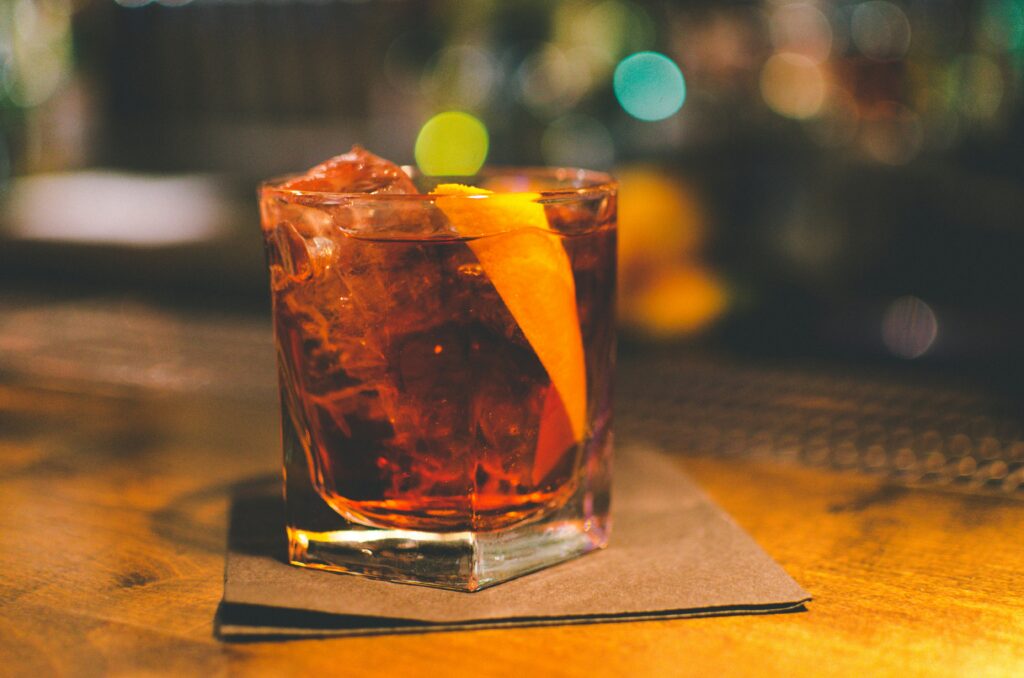
    Minimalist garnishes are all about restraint. Think a razor-thin lime wheel perched on a gimlet or a single, large ice cube with a perfectly placed orange peel in an Old Fashioned. These subtle choices suggest precision, balance, and quiet confidence.

    Bartenders embracing minimalism are often inspired by Japanese cocktail culture, where elegance and purity of flavor come first. In these drinks, the garnish doesn’t distract—it enhances. It’s for the cocktail purist who believes less is more, and who appreciates clean lines, crisp glassware, and symmetry.

    Maximalism: The More, The Merrier

    At the other end of the spectrum, maximalist garnishes are big, bold, and unapologetically extra. We’re talking about Bloody Marys topped with mini cheeseburgers, piña coladas in hollowed-out pineapples, and smoky mezcal drinks crowned with a chili-salt rim, flaming rosemary sprig, and dehydrated citrus.

    This is the realm of the creative, the theatrical, the social media-savvy. Maximalist garnishes turn drinks into experiences. They invite conversation. They push boundaries. And they suggest a drinker who loves drama, flair, and maybe a little fun chaos.

    The Sustainable Garnish Movement

    As the garnish game has grown more elaborate, so has the push for sustainability. Many top bars now repurpose ingredients—citrus peels, spent herbs, dried fruit—to reduce waste. Dehydrated garnishes, herb ice cubes, and pickled accents are not only eco-conscious but also pack flavor and texture.

    It’s a reminder that the art of the garnish isn’t just about aesthetics—it’s also about intention.

    What Your Garnish Says About You

    Just like fashion or interior design, your garnish choice says a lot about your aesthetic. Are you the type who goes for a single sage leaf or a sugar-dusted pansy? You might lean toward the romantic, the refined, the detail-oriented. Prefer a sprig of mint so tall it brushes your eyebrows? You’re likely outgoing, bold, and love a little spectacle.

    Even bars are starting to build “garnish bars” where patrons can customize their drinks based on mood and flavor. Want to add a slice of candied ginger, a twist of grapefruit, or edible glitter? Go for it.

    A Drink That Speaks Before You Sip

    The next time your cocktail arrives, take a moment before you sip. Whether it’s adorned with a delicate flower or an entire snack, that garnish isn’t just for looks—it’s a statement.

    In today’s world of curated experiences and sensory storytelling, the garnish has become the exclamation point. How you end your sentence is up to you.