Tag: Beer

  • Why We Romanticize the After-Work Drink

    Why We Romanticize the After-Work Drink


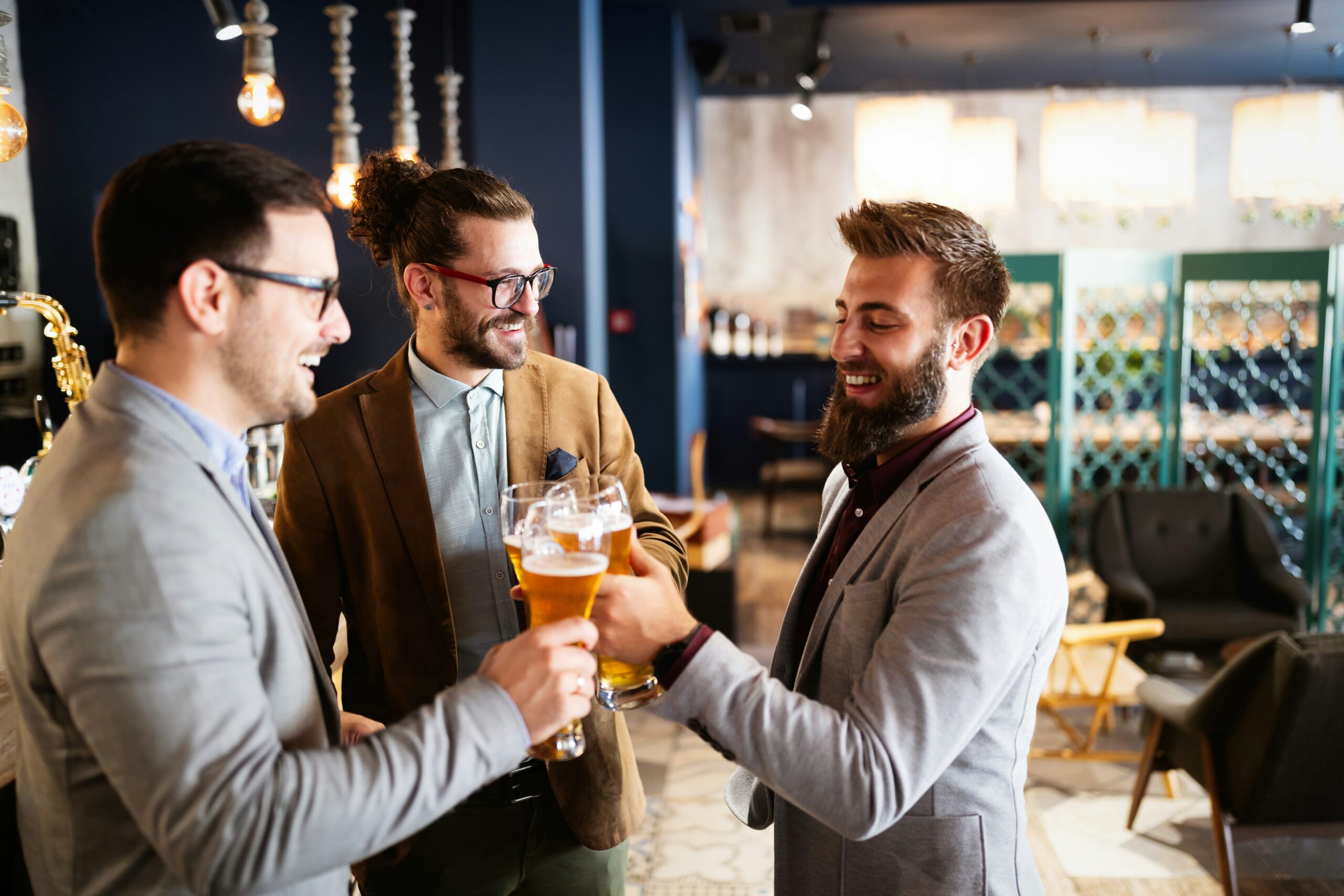
    You know the moment: you clock out, step into fading daylight, and hear the pop-hiss of a cold beer opening. It’s not just thirst you’re quenching—it’s something deeper. That first post-work drink, whether it’s a crisp lager, a juicy IPA, or a carefully stirred negroni, hits a nerve we rarely talk about. It’s not about getting buzzed. It’s about transition.

    Across cultures, the after-work drink marks a boundary—between duty and leisure, effort and ease, performance and presence. And while we often joke about needing a drink to “take the edge off,” there’s a quiet, ritualistic beauty to that pause, that sip, that exhale.

    A Global Habit with Local Flavors

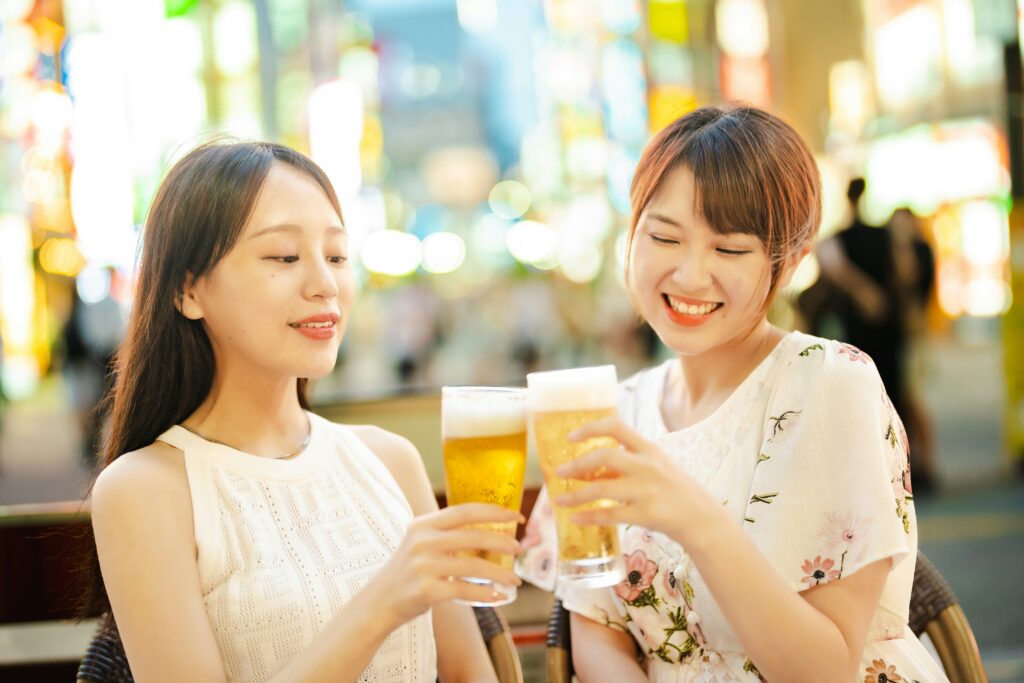
    In Japan, it’s customary for salarymen to head to an izakaya after work to bond with colleagues over beer and highballs. In Italy, the early evening aperitivo—a light cocktail and a few salty bites—is practically sacred. In Germany, the Feierabendbier, or “beer to celebrate the end of the workday,” is a beloved part of life. And in the U.S., happy hour culture remains strong, even if the two-for-one specials have made way for curated tap lists and small-batch spirits.

    Though the setting and the drink may differ, the underlying impulse is the same: a need to decompress, to reconnect with ourselves and others, to signal a change in pace.

    The Psychology of Decompression

    So why does that first drink feel so satisfying?

    Psychologists call this kind of shift a “liminal space”—a threshold between two states. For many of us, the after-work drink is a personal ritual that helps us mentally separate the day’s stressors from our time off. It tells the brain, “You’re done. You did enough. You can relax now.”

    The sensory qualities of alcohol—bitterness, burn, bubbles—can amplify this sense of release. Studies have shown that moderate alcohol consumption may momentarily reduce cortisol levels, the stress hormone, and even trigger social bonding. But even without the science, we intuitively know: it’s not just the drink. It’s the moment.
    Beer vs. Cocktail: What the Choice Says

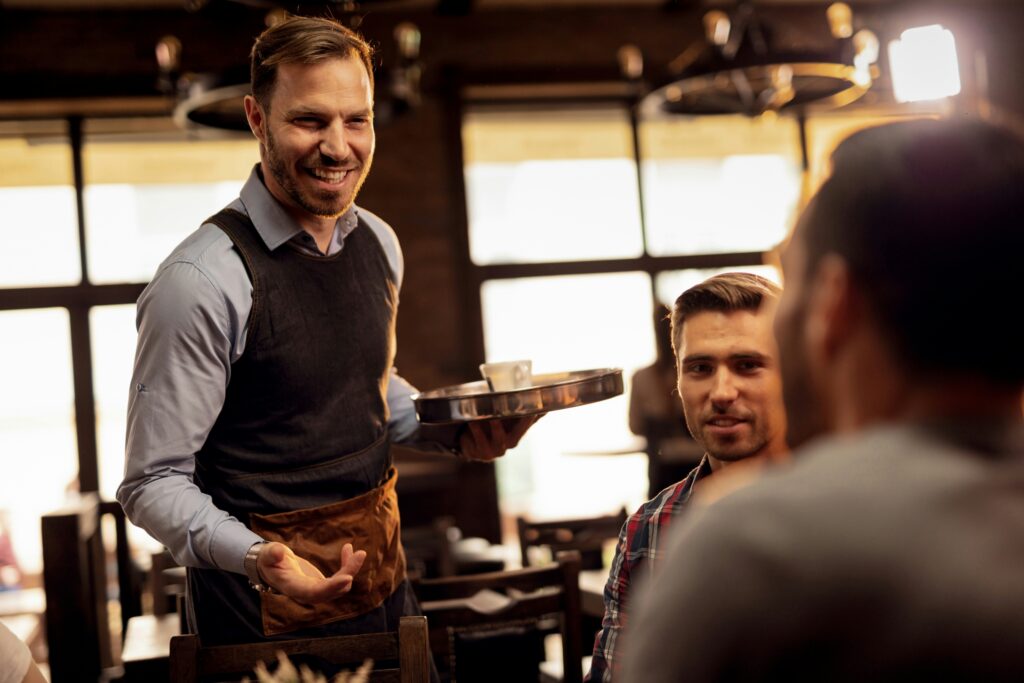
    Beer, with its casual pop-top and familiar flavors, often signals simplicity and physical relief. It’s the drink of backyard barbecues, post-shift construction crews, and office friends who just need to vent.

    Cocktails, on the other hand, often carry a whiff of intention. Stirring a Manhattan or muddling mint for a mojito suggests a desire for experience, not just effect. These drinks invite you to slow down, to savor, to participate.

    Both offer their own kind of pleasure. And both, when enjoyed mindfully, can become part of a comforting ritual—an anchor point in the chaos of daily life.

    Rethinking the Routine

    Of course, it’s worth noting that the romanticism of the after-work drink has a darker side. For some, it can slip from ritual into reliance. The key, say wellness advocates and mindful drinking proponents, is to stay conscious of the “why” behind your choice.

    Is it about celebration? Winding down? A social connector? When we understand the emotional need being met, we can fulfill it more intentionally—whether that means having a beer, a sparkling water with lime, or a zero-proof cocktail that hits all the right notes.

    The New Happy Hour

    Today, younger drinkers are reshaping after-hours habits. Low-ABV drinks, alcohol-free spirits, and even kombucha bars are expanding the definition of what a “drink” can be. And yet, the desire for ritual remains unchanged.

    We still want that soft landing after a hard day. We still crave that transition, that signal, that “cheers” moment. It just might look—and taste—a little different now.

    So whether it’s a cold pilsner, a lavender spritz, or a good old-fashioned G&T, raise your glass to the pause. It’s not just what’s in it that matters. It’s what it means.
  • Raising a Glass: Craft Beer Around the Globe

    Raising a Glass: Craft Beer Around the Globe

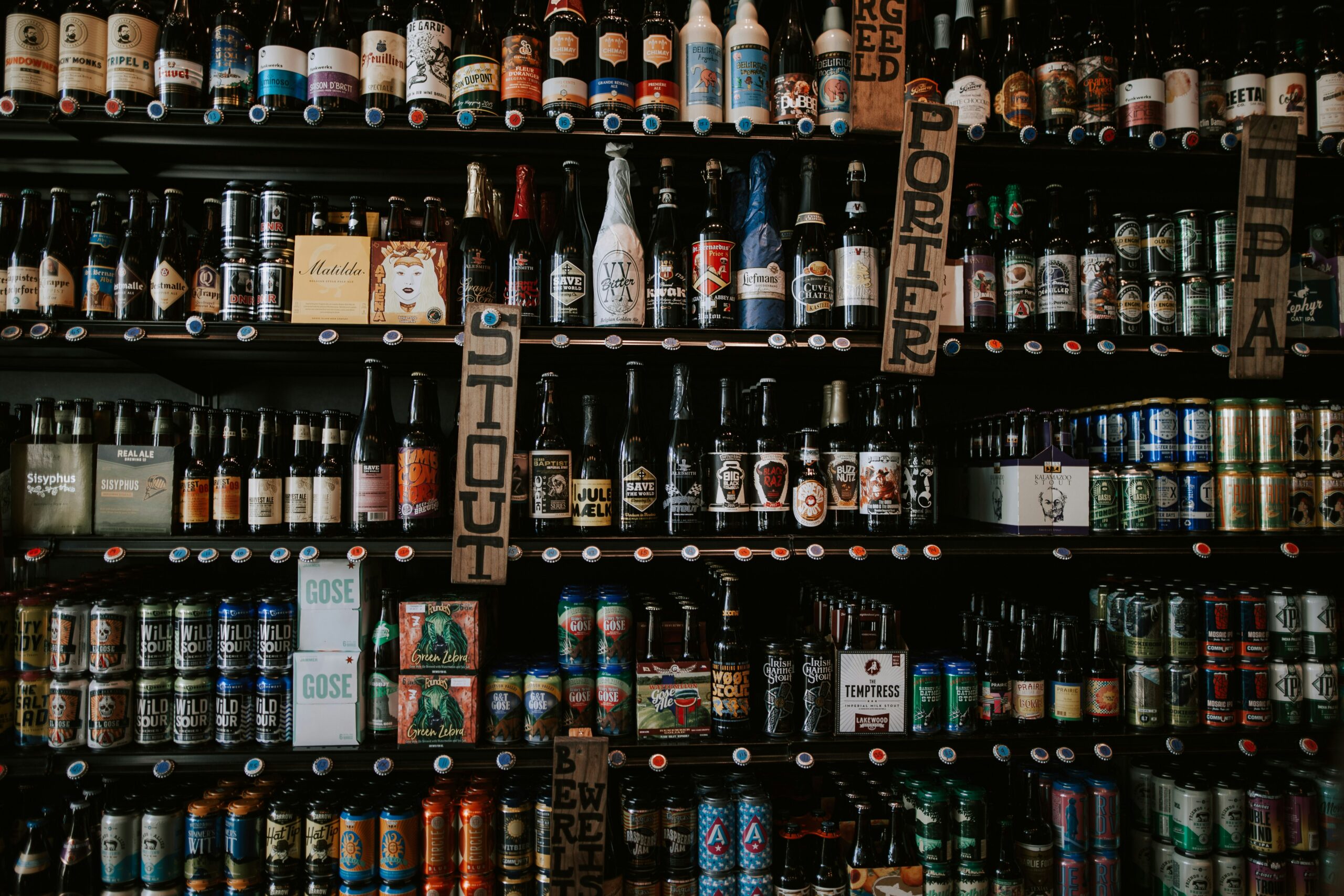
    Craft beer is no longer just a hipster trend or a backyard experiment—it’s a global movement. From Tokyo to Toronto, small-scale brewers are challenging the status quo, experimenting with ingredients, and creating a rich tapestry of flavors that reflect local cultures and global curiosity. What began as a rebellion against bland, mass-produced lagers has become a vibrant, international community rooted in creativity, authenticity, and flavor.

    North America: The Pioneer

    The United States is widely credited with igniting the modern craft beer revolution. In the 1980s, pioneers like Sierra Nevada and Anchor Steam paved the way for thousands of independent breweries to emerge. Today, cities like Portland, Denver, and Asheville are synonymous with IPAs, barrel-aged stouts, and innovative sour beers. Canada has followed closely behind, with vibrant scenes in Vancouver, Montreal, and Toronto, where brewers draw inspiration from local ingredients and European traditions.

    Europe: Old World Meets New Tricks

    Europe has long been home to historic brewing cultures—Belgium with its Trappist ales, Germany with its Reinheitsgebot-pure lagers, and the UK with its beloved bitters and porters. But craft beer is reshaping these traditions. In Copenhagen, Mikkeller helped kickstart Scandinavia’s experimental brewing scene. In Italy, birra artigianale is booming, often using wine grapes, chestnuts, and local herbs. Even traditional powerhouses like Munich and Brussels are seeing a new generation of brewers redefining what beer can be, while still honoring heritage.

    Asia: Innovation Meets Identity

    Asia’s craft beer scene is younger but growing fast. In Japan, meticulous brewing meets wild creativity—think yuzu IPAs and matcha-infused stouts. Breweries like Hitachino Nest are winning international fans, while microbreweries in Tokyo and Kyoto thrive on community and experimentation.

    In China, the craft beer wave is surging. Beijing and Shanghai have become hubs for expats and locals thirsty for new experiences, with breweries like Jing-A and Great Leap Brewing leading the charge. Thailand, Vietnam, and South Korea are also seeing major growth, with brewers tapping into tropical fruits, native spices, and street food culture for inspiration.

    Latin America: Bold and Local

    From Mexico City to Buenos Aires, craft brewers are blending local tradition with global style. In Brazil, Amazonian ingredients like cupuaçu and açaí find their way into funky farmhouse ales. In Argentina, malbec barrel-aged beers nod to the country’s famous wines. And in Mexico, cervecerías are reviving pre-Hispanic ingredients like corn and cacao to make beers that feel both new and deeply rooted in culture.

    Africa & The Middle East: Brewing Against the Odds

    Though challenges remain, the craft beer movement is gaining ground across Africa and the Middle East. South Africa’s Cape Town and Johannesburg are home to a growing scene, blending Western styles with indigenous grains and local botanicals. In the Middle East, where alcohol laws vary, breweries like Jordan’s Carakale and Israel’s Dancing Camel push boundaries with bold flavor and resilience.

    What’s Next

    Craft beer is more than just hops and yeast—it’s a cultural exchange in a glass. It tells stories about place, people, and palate. It celebrates diversity, both in taste and tradition. And as brewers continue to innovate, collaborate, and redefine what beer can be, craft beer becomes a liquid map of global curiosity.

    So whether you’re sipping a saison in Paris, a gose in Seoul, or a porter in Portland, one thing’s clear: the craft beer movement is here to stay, and it’s brewing something delicious—everywhere.