Tag: Culinary Experience

  • Spice Routes Reimagined: How Ancient Trade Influences Today’s Global Cuisine

    Spice Routes Reimagined: How Ancient Trade Influences Today’s Global Cuisine

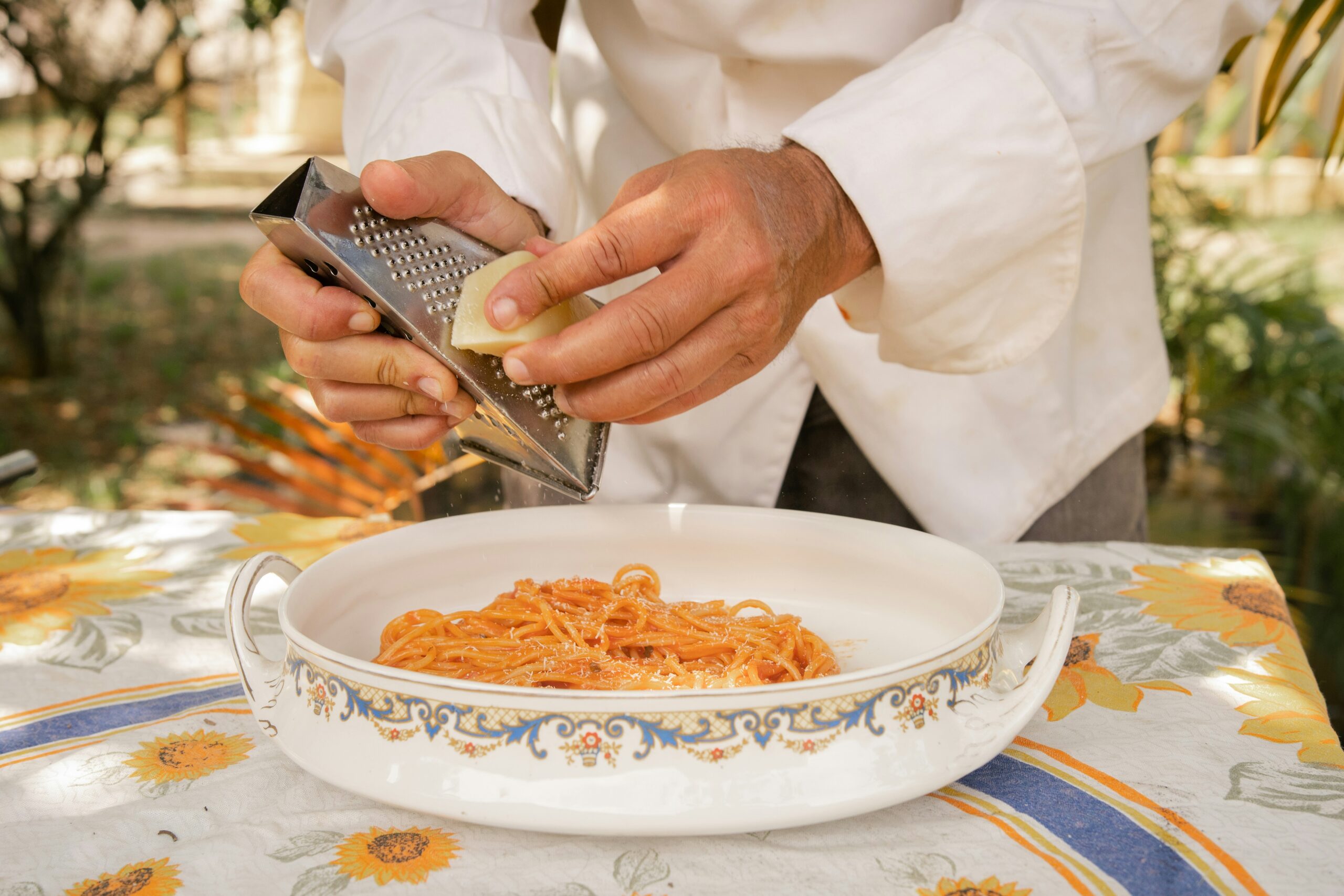
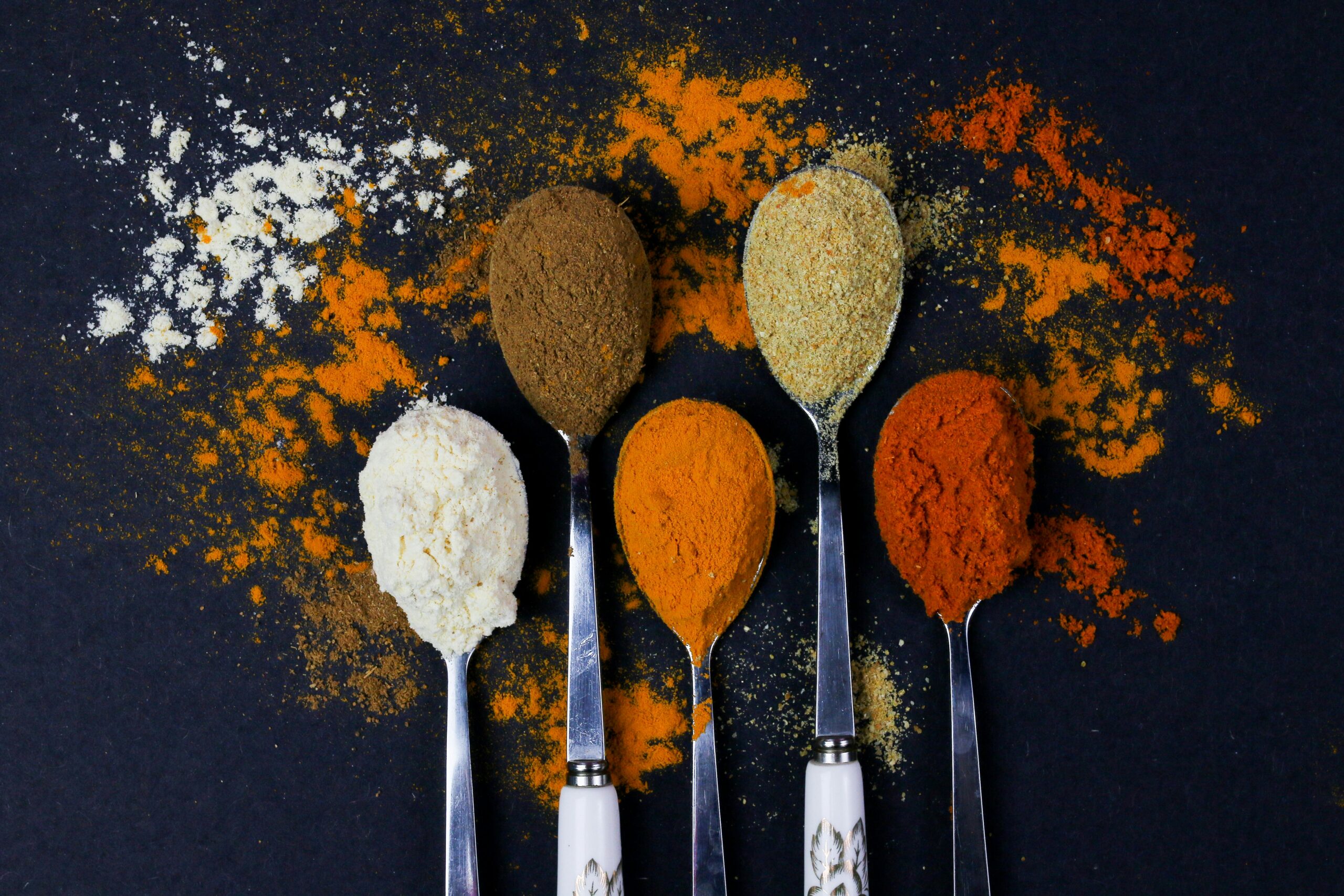
    Centuries ago, the pursuit of spices shaped the world. The ancient spice trade influenced economies, sparked exploration, and connected distant cultures. Spices were currency, luxury, and power—coveted by emperors, traders, and cooks alike. Today, their legacy is alive and well, not just in history books but in modern kitchens, where the echoes of these trade routes still define the way we eat.

    From cinnamon-laced Moroccan tagines to the peppery heat of Indian curries and the citrusy brightness of Thai lemongrass, the flavors of the past continue to inspire chefs around the world.

    The Ancient Spice Trade: A Global Network Before Its Time

    Long before planes and modern shipping, spice routes connected Asia, the Middle East, Africa, and Europe in a web of commerce and cultural exchange. The Silk Road, stretching from China to the Mediterranean, carried saffron, ginger, and cloves alongside silk and tea. The Maritime Spice Route, spanning from India to Indonesia and beyond, spread cardamom, black pepper, and nutmeg across continents.

    The demand for these spices drove exploration and conquest. European powers, eager to control these valuable goods, launched expeditions that reshaped the world. The Portuguese reached India in search of black pepper, the Dutch monopolized nutmeg and clove production in Indonesia, and the Spanish brought chili peppers from the Americas to Asia, forever altering local cuisines.
    Ancient Flavors, Modern Plates

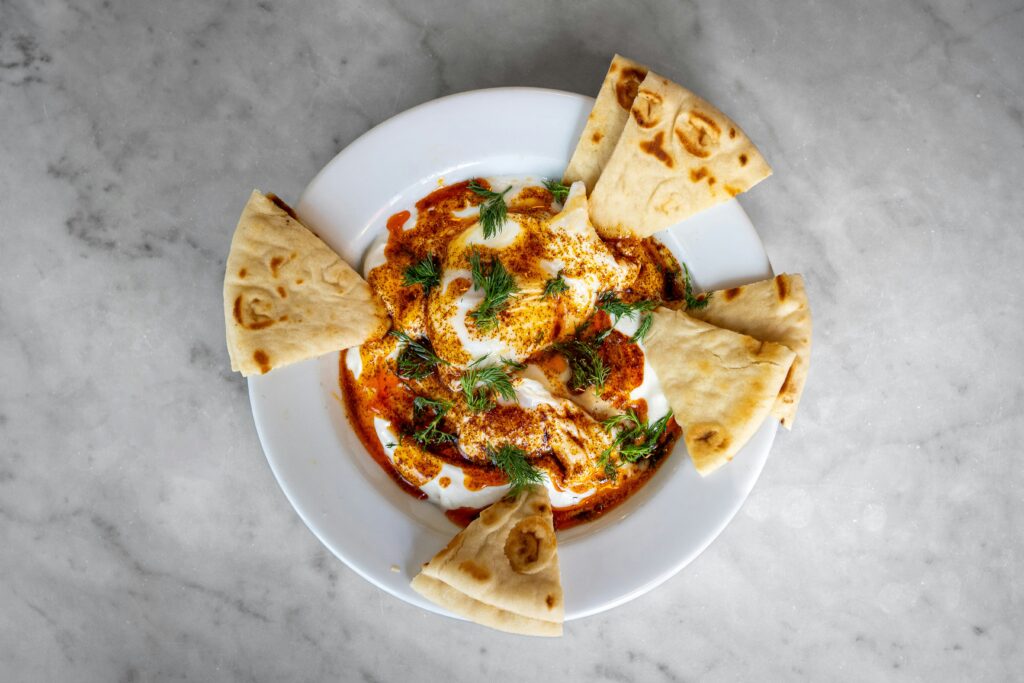
    While we may not trade spices for gold anymore, their influence on global cuisine remains. Many of today’s signature dishes trace their origins to these ancient trade networks, proof that food cultures are deeply intertwined.

    • Black Pepper & India’s Global ReachIndia was once the world’s most important source of black pepper, nicknamed “black gold.” Today, it’s hard to find a kitchen that doesn’t have a pepper grinder. From Italian cacio e pepe to Chinese pepper beef, its fiery bite is as global as ever.
    • Nutmeg’s Journey from Indonesia to the WorldOnce worth more than its weight in gold, nutmeg made its way from the Banda Islands to Europe, where it flavored medieval meats and desserts. Today, it’s a key ingredient in everything from béchamel sauce in France to Caribbean jerk seasoning.
    • Chilies from the Americas to AsiaBefore the 16th century, Indian, Thai, and Sichuan cuisine had no chili peppers—because they didn’t exist in Asia. Brought by Portuguese traders from the Americas, chilies revolutionized entire food cultures, giving us everything from kimchi’s heat to vindaloo’s spice.
    • Cinnamon’s Sweet and Savory InfluenceOriginally from Sri Lanka, cinnamon was treasured by the Egyptians, Romans, and Chinese alike. Today, it adds warmth to Moroccan tagines, Swedish cinnamon buns, and Vietnamese pho broth.
    The Future of Spice: New Blends, Old Traditions

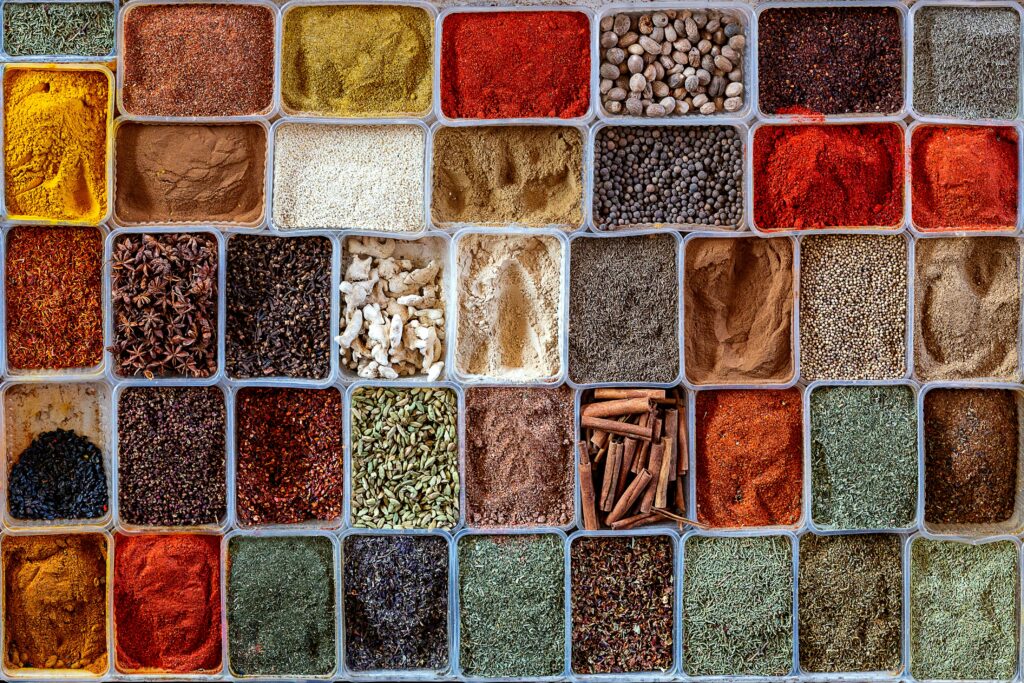
    In today’s culinary landscape, chefs and home cooks alike are continuing to experiment with spice blends that bridge cultures. Fusion food isn’t new—it’s a continuation of a centuries-old tradition of global flavors meeting in unexpected ways.

    Think turmeric lattes (a modern take on India’s haldi doodh), Japanese shichimi togarashi seasoning burgers in California, or Middle Eastern za’atar dusted on everything from roasted vegetables to popcorn. The spirit of the spice trade lives on, blending past and present in the most delicious ways.

    So next time you shake a bit of cinnamon into your coffee or add a pinch of cumin to your stew, remember—you’re not just seasoning your food. You’re tasting history.
  • How Chefs Unwind: What Culinary Pros Eat (and Drink) at Home

    How Chefs Unwind: What Culinary Pros Eat (and Drink) at Home


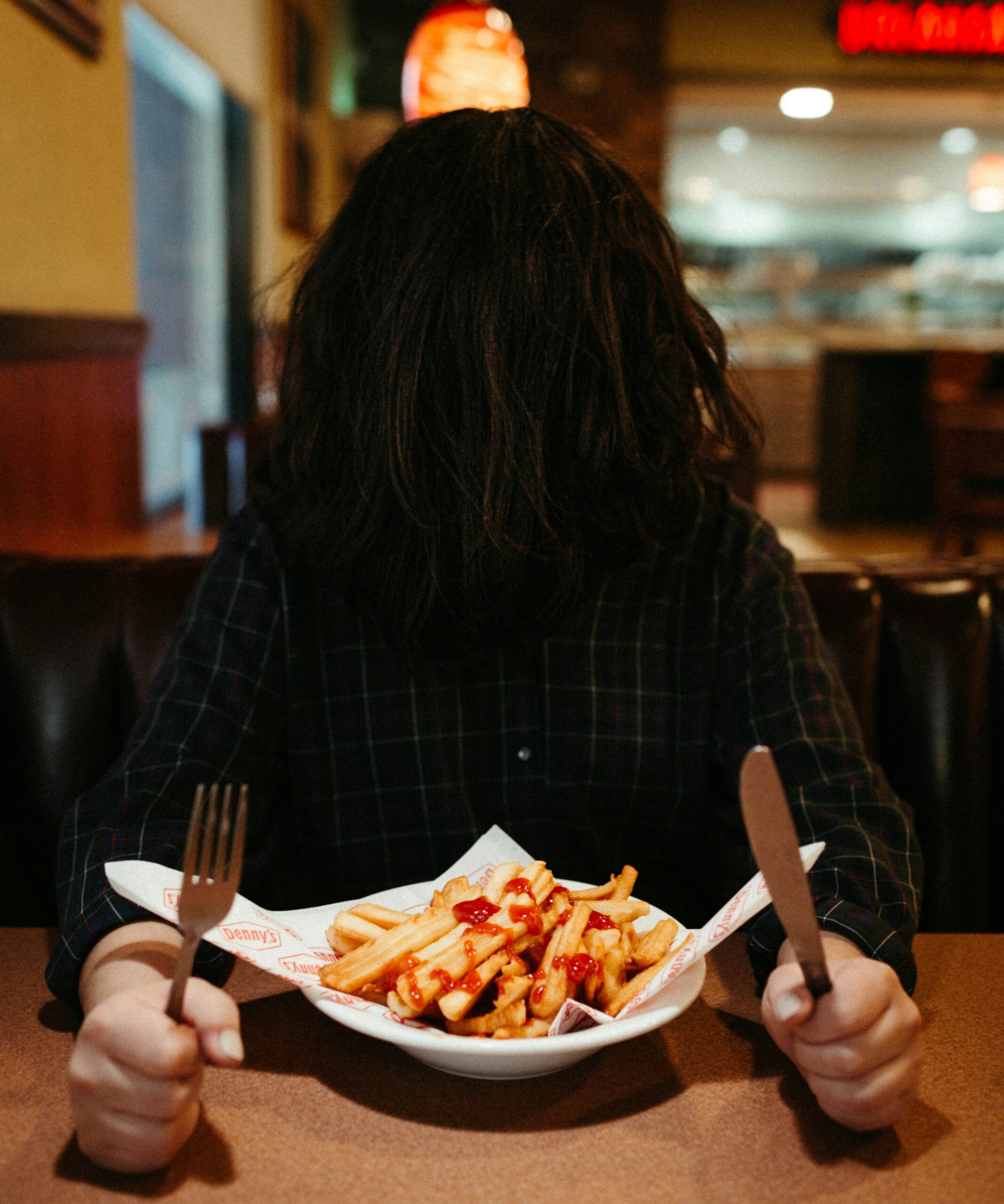
    After the last plate is wiped clean, the kitchen goes dark, and the guests have gone home, what do chefs reach for? Not the intricate dishes they plate for diners, but something personal. Comforting. Fast. Surprisingly simple.

    Lots of chefs head out to a late night dinner for some comfort food. But for many culinary pros, what happens at home is the true reward after a long night on the line—and it’s rarely haute cuisine.

    Late-Night Rituals After the Rush

    Service is physically demanding, emotionally charged, and creatively intense. So when it ends, unwinding isn’t just a want—it’s a need.

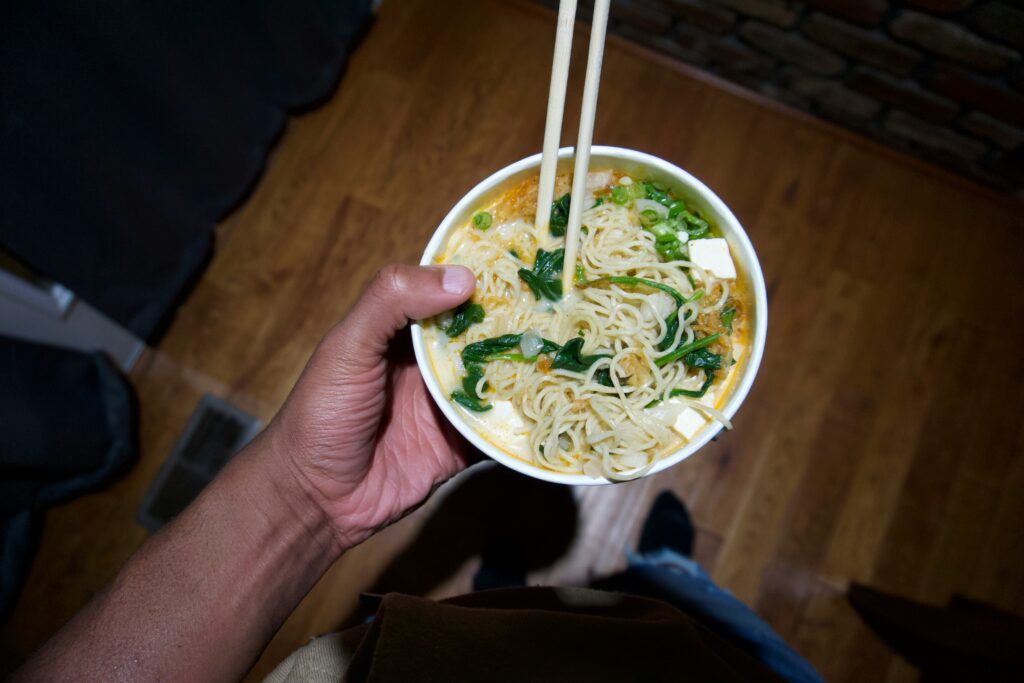
    Chef Mei Lin, a Top Chef winner and LA restaurateur, says her go-to late-night comfort is instant noodles. “It’s nostalgic. I’ll doctor it with sesame oil or leftover greens, but the simplicity is what I crave,” she says.

    Others go even more minimal. “After a double shift, give me scrambled eggs, toast, and a cold beer,” says Marcus Fairbanks, head chef at a Chicago gastropub. “That’s the reset button.”

    Comfort Over Complexity

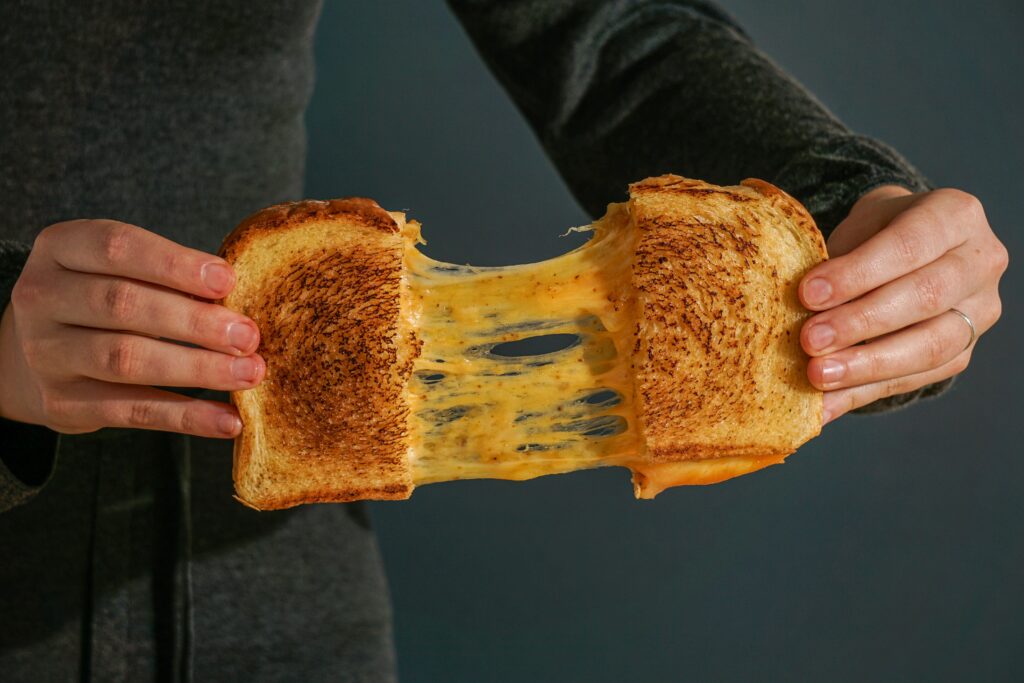
    There’s a surprising through-line: simplicity. Whether it’s a grilled cheese, a bowl of cereal, or rice with soy sauce and avocado, many chefs embrace humble, no-fuss meals when they’re off-duty.

    “It’s about removing decision fatigue,” explains Dana Shimizu, a private chef in New York. “I’ve made 200 tiny decisions all night—when I get home, I want something that makes itself.”

    That desire for comfort also extends to drinks. While some reach for beer or a neat whiskey, others keep it light: herbal teas, sparkling water, or a crisp glass of white wine. The point isn’t impressing anyone—it’s soothing themselves.

    Inside the Fridge of a Culinary Pro

    What’s actually stocked in a chef’s home kitchen? Often: leftovers from recipe testing, quality pantry staples, and cheat-day indulgences.

    Expect to find pickled things, great butter, high-end soy sauce, fancy chocolate, and a rotating cast of cheeses. “I always have good olives and a bottle of vermouth,” says Barcelona-based chef Lluís Montoya. “Sometimes that’s dinner.”

    And don’t forget the freezer. “It’s my best friend,” says pastry chef Alondra Chavez. “There’s always soup, frozen dumplings, and a tub of ice cream hidden in the back.”

    The Joy of Eating for Themselves

    At the heart of it, these meals are a return to self. They’re not plated for critics, built for menus, or optimized for Instagram. They’re food made by chefs—for themselves. And that’s something special.

    “After service, we get to reconnect with the pleasure of eating,” says Shimizu. “There’s no performance. Just flavor, memory, and whatever we feel like.”

    So next time you imagine a Michelin-starred chef going home to sear scallops and build a beurre blanc, think again. Odds are, they’re curled up on the couch, chopsticks in one hand, and a bowl of instant ramen in the other—and loving every bite.

  • The Return of Table-Side Service: Why It’s Cool Again

    The Return of Table-Side Service: Why It’s Cool Again


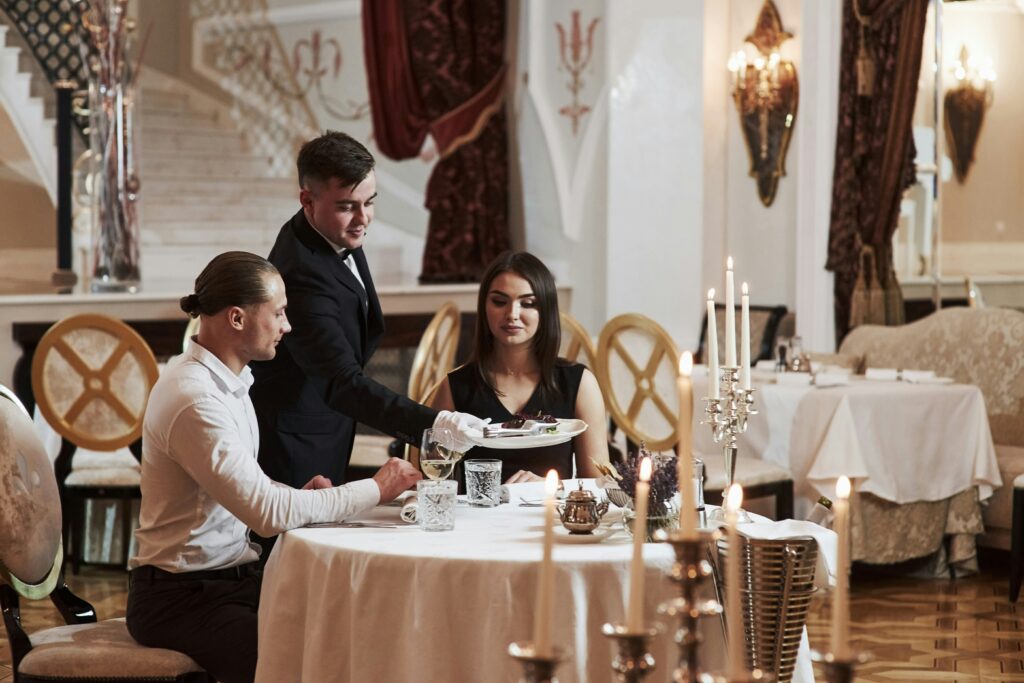
    There was a time when table-side theatrics—waiters flambéing desserts, tossing Caesar salads, or carving roast duck—felt like relics from a more formal dining era. But lately, what was once old-school is new again. From New York to Bangkok, high-end and hip restaurants alike are reviving the charm of tableside service. Why? Because in a world of fast food and digital ordering, the personal touch is suddenly… cool again.

    Here’s why the return of table-side service is one of the tastiest trends in hospitality.

    A Show With Your Supper

    Let’s be honest—food always tastes better when it comes with a little drama. A flaming crêpe suzette ignited at your table or a martini stirred in a vintage silver shaker right in front of you does more than just whet the appetite. It builds anticipation. It transforms a meal into a performance.

    Today’s diners, especially younger audiences, are craving experiences as much as meals. Table-side service offers just that. It’s not just about what you eat—it’s how it’s served. In an age of Instagram and TikTok, the sizzle and swirl of something made just for you at your table is worth more than a thousand hashtags.

    A Nod to Craft and Care

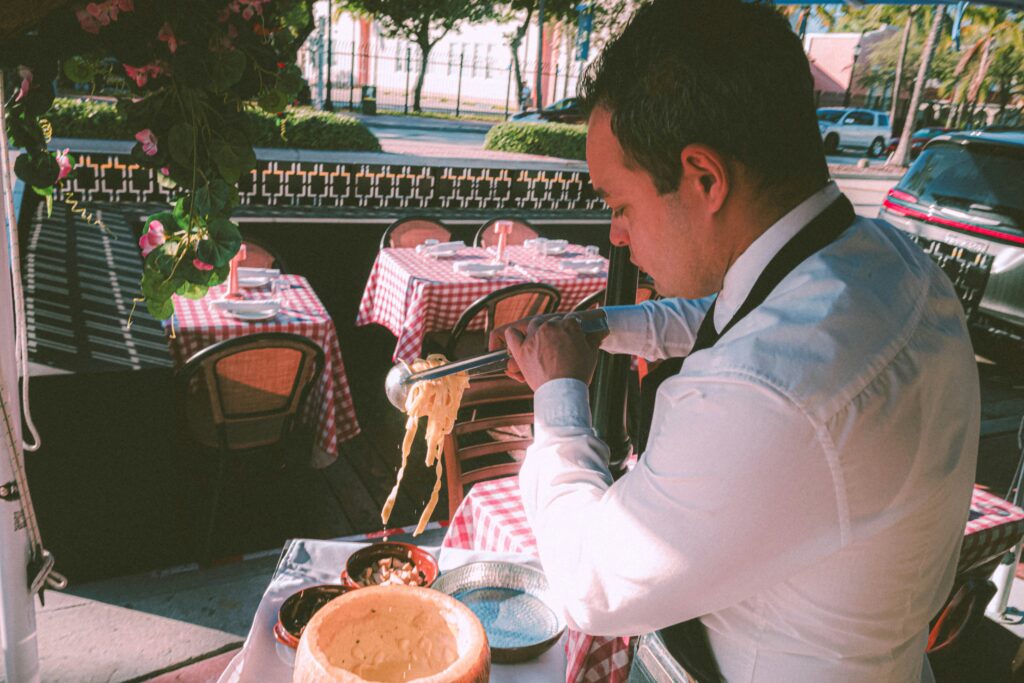
    There’s something deeply satisfying about seeing a dish assembled by hand, right before your eyes. Whether it’s a Caesar salad with anchovy paste folded into the dressing or a pasta dish finished in a giant wheel of Parmigiano-Reggiano, table-side service puts craftsmanship front and center.

    It tells the diner: we care. We’re not just delivering food—we’re curating a moment. It emphasizes the idea that hospitality isn’t just about efficiency; it’s about connection, storytelling, and generosity.

    Modern Twists on Vintage Flair

    The new generation of table-side service isn’t always about tuxedoed servers and white-glove formality. In fact, many modern restaurants are reimagining it with playful, updated energy.

    You might see a mezcal cocktail smoked and swirled at your table with local herbs. Or a tartare made to your taste on a custom cart wheeled over with a mix of international condiments. The tools are old, but the attitude is fresh.

    It’s not about reenacting the past—it’s about reinterpreting it with style, humor, and flair.

    Luxury, Reimagined

    For many diners, table-side service also evokes a feeling of old-school luxury—the kind that once defined cruise ships, supper clubs, and five-star hotels. But what’s interesting now is how it’s being democratized. You no longer need a black card or a special occasion to enjoy the magic.

    At some places, the server will mix your margarita table-side because it’s Tuesday. A brûlée torch might be whipped out just because you ordered the special. It feels indulgent without being inaccessible.

    The Future of Dining Is Personal

    As restaurants bounce back from the pandemic, one thing is clear: people want more intimacy and connection when they go out. Table-side service checks that box. It invites interaction. It sparks conversation. And in many ways, it slows things down—in the best way.

    It also gives the staff a chance to shine. Whether it’s a bartender walking you through the ingredients of your Old Fashioned or a server explaining the layers of a dessert, these moments build relationships between diner and restaurant. And that loyalty is priceless.

    So the next time you’re dining out and a cart rolls up to your table, lean in. The return of table-side service is more than a trend—it’s a small, theatrical reminder that dining can still be full of wonder.