There are places that don’t simply beckon, they seduce. Tiwai Island is one of them. You arrive by river like a conspirator: the canoe cleaves black water, the motor’s low thrum swallowed by a chorus of cicadas and distant, high-pitched monkey calls. The bank unfurls in slow motion, vines, palms, braided roots, the kind of green that seems to breathe. The air presses warm and wet against your skin; sweat beads like tiny secret promises.
The forest moves in restless layers. Monkeys thread through the canopy in darting, theatrical flashes; eleven primate species call this place home, each a quicksilver glimpse of mischief. Birds throw color and noise into every clearing, their cries a salacious soundtrack. Underfoot, the soil smells of river, rot and rain, an erotic mix of life and decay that feels anything but tame.
At dusk the island changes costume. Lantern light pools around low eco-lodges, and shadows grow thick and intimate. Palm wine passes between hands; local guides tell stories that slip between laugh and hush, and you find yourself leaning closer not just to hear but to inhabit the moment. Somewhere off the trail something heavy breaks the silence, a distant elephant, perhaps — and the group exhales together, aware of how thin the veil is between thrill and fear.
Tiwai isn’t polished. There are no spas or infinity pools; the luxury here is raw: the thrill of being small inside a living world that has not been tamed. Days are for wet boots, sticky fingers, and salty river meals; nights are for tasting the dark and listening to a forest that refuses to be civilized. It lingers on your skin and in your dreams; a slow, persistent ache that calls you back long after you leave.
Final thoughts (warning):
As usual, we’re not telling you to do anything. Tiwai is remote, and you’re as free as a bird to evaluate your comfort zone alongside travel advisories and cautions. Tiwai is remote. Check current travel advisories, ensure required vaccinations, take malaria prophylaxis as recommended, and buy travel insurance that includes medevac. Travel should stretch you, not endanger you.
Tiwai will seduce you. Prepare a little, and it will keep you wildly, gloriously alive.
The next time you raise a glass, consider what’s behind it—not just the grapes, grains, or botanicals, but the choices made in how they were grown, processed, and packaged. Across winemaking, brewing, and distilling, a quiet revolution is reshaping how your favorite drinks are made. This isn’t about buzzwords or fleeting trends. It’s about building a better booze industry from the ground up.
Soil First, Always
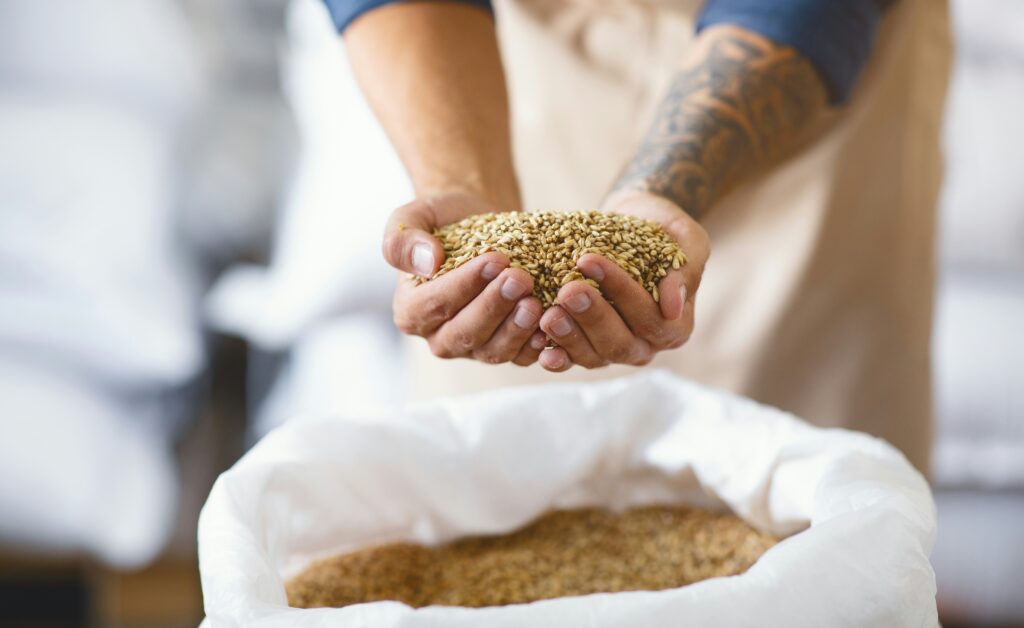
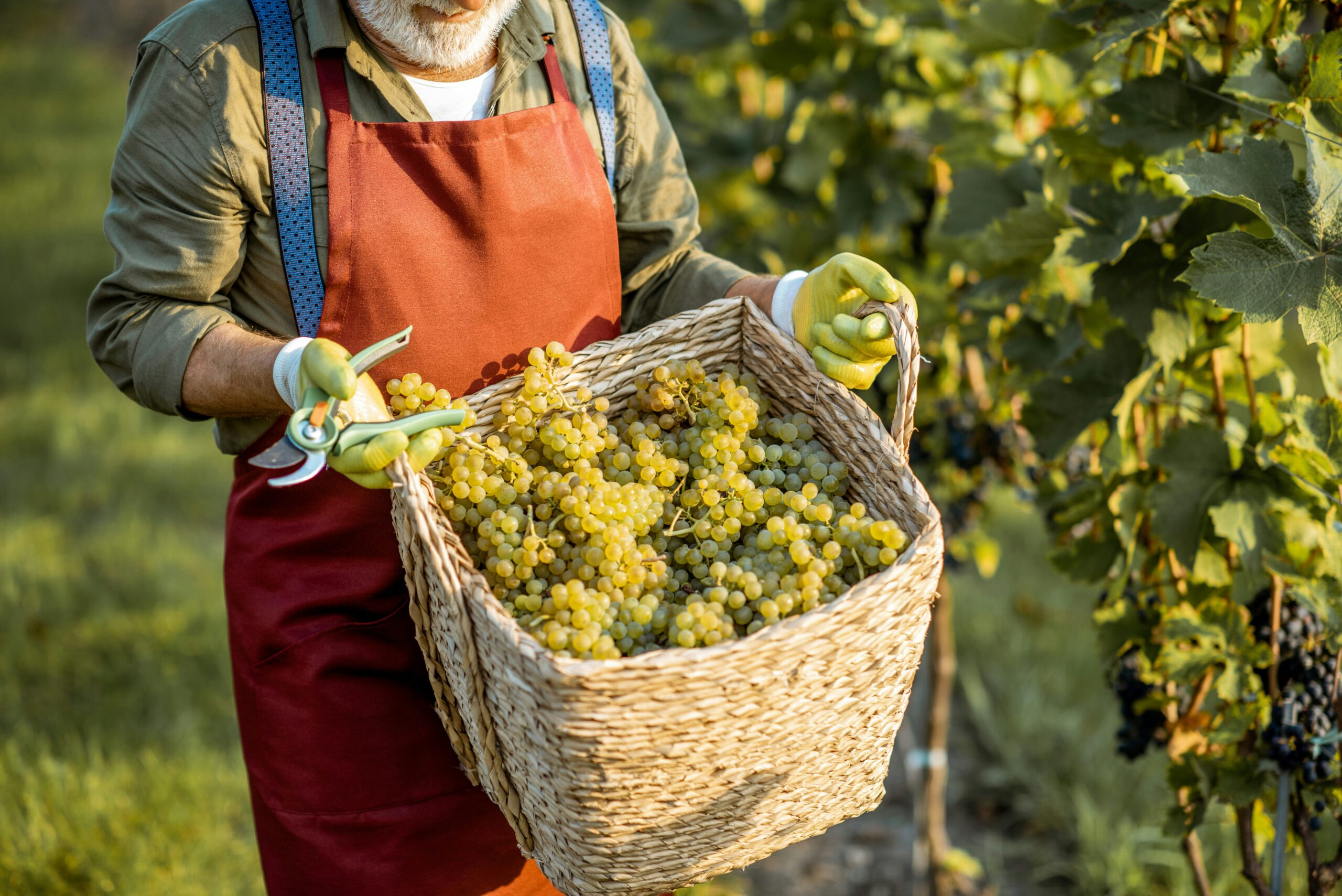
Whether it’s wine grapes in Sonoma or barley in Scotland, the future of flavor begins underground. More winemakers and brewers are shifting toward regenerative agriculture—farming practices that don’t just minimize harm but actively improve soil health. Think cover cropping, composting, minimal tilling, and ditching synthetic fertilizers in favor of organic methods.
Healthy soil doesn’t just produce better crops. It captures carbon, boosts biodiversity, and supports long-term resilience. In a world of climate extremes, that’s not just ethical—it’s essential.
Rethinking Waste From Start to Finish
Traditional alcohol production can be shockingly wasteful. Think of the water it takes to clean equipment, the grape skins discarded after pressing, or the energy used in glass bottle manufacturing. Ethical producers are addressing these challenges at every step.
Some breweries are repurposing spent grain into dog treats or baked goods. Distilleries are turning peels and pulp into biofuel. Wineries are moving toward lighter bottles or even eliminating glass entirely in favor of recycled aluminum or compostable packaging. Zero-waste may still be a lofty goal, but incremental changes are adding up fast.
Real Sustainability Beats Trendy Greenwashing
It’s tempting to slap “eco-friendly” on a label and call it a day. But conscious consumers are increasingly skeptical of vague claims. The new standard for ethical booze is transparency—clear information about sourcing, production practices, and packaging choices.
Third-party certifications like organic, biodynamic, or B Corp can help, but they’re not the only markers. Many producers are inviting drinkers behind the curtain, offering digital traceability, open farm visits, and candid data on their carbon footprint.
In short: the brands that build trust are the ones that show their work.
People Matter Too
Sustainability isn’t just about the planet—it’s about people. Ethical alcohol means fair wages for farmworkers, safe conditions for production staff, and equitable ownership models. Some craft operations are going even further, investing in cooperatives, profit-sharing, or community reforestation projects.
The future of booze isn’t just “better for the Earth.” It’s better for everyone in the chain.
What You Can Do as a Drinker
You don’t need to overhaul your bar cart overnight. But you can start small: look for producers who are transparent about their sourcing. Support local or low-intervention makers. Pay attention to packaging. Ask questions.
Ultimately, ethical drinking is about more than choosing what’s in your glass. It’s about aligning your enjoyment with your values—and supporting the kind of future you want to toast to.
The world of wine is experiencing a major shift, and it’s not just about the grapes anymore. As consumers grow more conscious of their environmental footprint, wineries are stepping up to meet the demand for sustainable, eco-friendly practices. From organic farming to eco-conscious packaging, the wine industry is increasingly focusing on sustainability—and it’s a trend that’s here to stay.
Why Sustainability Matters in the Wine World
Wine production can have a pretty hefty environmental impact. Pesticides, water use, transportation, and packaging all play a role in the carbon footprint of a bottle of wine. But the good news is, the industry is making great strides to reduce that impact. With global temperatures rising and concerns over the environment growing, wineries are looking for ways to preserve the land they rely on and ensure future generations can continue to enjoy great wine.
Sustainable practices in winemaking often start with the vineyard. Many producers are turning to organic or biodynamic farming, using fewer chemicals and working in harmony with the land. These practices aren’t just better for the environment—they also produce better wines by allowing the true character of the land to shine through. But sustainability doesn’t end there; it also extends to packaging, transportation, and water conservation. By adopting greener practices at every step of the production process, wineries are making wine in a way that’s better for the planet—and better for the wine drinker too.
Top Sustainable Wine Brands to Try
If you’re looking to drink with a conscience, there’s no shortage of eco-friendly wines to choose from. Here are just a few standout sustainable wine brands that are leading the charge:
Bonterra Organic Vineyards This California winery is a pioneer in organic and biodynamic farming. Bonterra’s commitment to sustainability goes beyond the vineyards—they use eco-friendly packaging and renewable energy to power their facilities. The result is a range of wines that are as good for the earth as they are for your taste buds.
Frey Vineyards Frey Vineyards is the first California winery to become certified organic and biodynamic. They also offer a range of vegan wines, making them an excellent choice for environmentally conscious and plant-based drinkers. Their commitment to sustainability doesn’t stop at farming—they also use sustainable packaging and work to reduce waste in every aspect of their production.
The Organic Wine Company This company offers a curated selection of organic wines from around the world. They focus on environmentally responsible vineyards that produce wines without synthetic pesticides or fertilizers. The Organic Wine Company is a great choice for anyone looking to enjoy wines that are both good for the planet and full of flavor.
Rombauer Vineyards Rombauer Vineyards may be best known for their award-winning Chardonnay, but they’re also making waves in the sustainability space. They use sustainable farming practices, including water conservation and integrated pest management, to reduce their environmental impact. Plus, their commitment to eco-friendly packaging makes them a great choice for eco-conscious wine lovers.
Stella Rosa Wines This popular Italian wine brand is committed to sustainability in every aspect of production. From the vineyards to the bottling process, Stella Rosa takes care to minimize their environmental impact. They also use eco-friendly glass bottles and are constantly working to reduce their carbon footprint.
How You Can Drink Sustainably
It’s easier than ever to enjoy a glass of wine that’s good for the planet. The next time you’re picking out a bottle, look for certifications like Certified Organic, Biodynamic, or Sustainably Farmed to ensure the wine was produced with environmentally friendly practices. Many wineries are also shifting to lighter glass bottles, which use less energy to produce and transport.
Another way to enjoy sustainable wine is by supporting local producers. Many small-scale, sustainable wineries rely on local markets to sell their wines, reducing transportation emissions and supporting the community.
Drinking sustainably isn’t just about feeling good—it’s about ensuring that the wine we love will still be around for future generations to enjoy. As the wine industry becomes more eco-conscious, it’s important for consumers to support those efforts. By choosing wines from sustainable brands, we’re not only enjoying exceptional wines, but we’re also making a positive impact on the planet.
So, next time you raise your glass, why not choose one that’s been produced with care for the environment? Sustainable wines are a win-win for both the earth and your taste buds. Cheers to that!