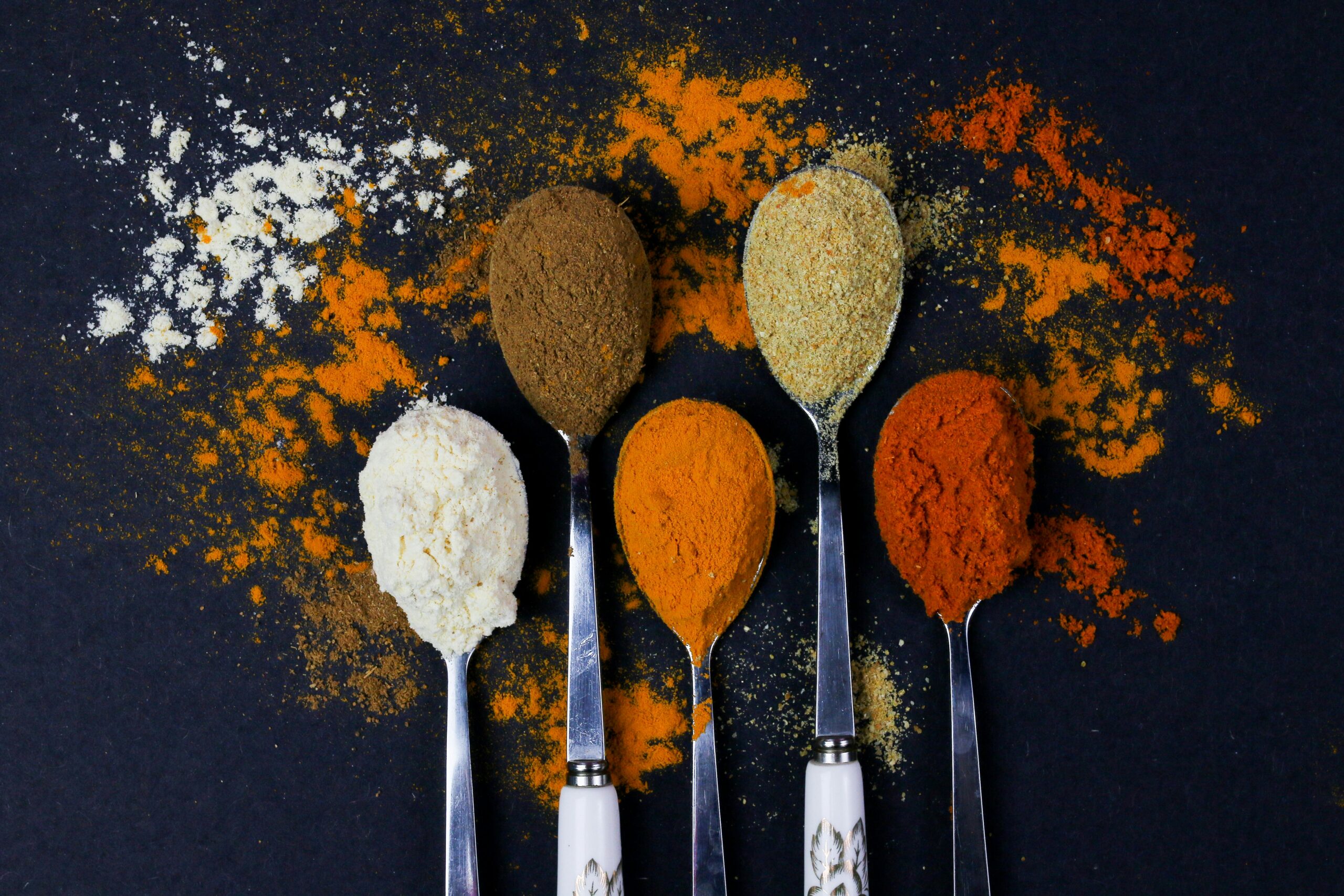
Centuries ago, the pursuit of spices shaped the world. The ancient spice trade influenced economies, sparked exploration, and connected distant cultures. Spices were currency, luxury, and power—coveted by emperors, traders, and cooks alike. Today, their legacy is alive and well, not just in history books but in modern kitchens, where the echoes of these trade routes still define the way we eat.
From cinnamon-laced Moroccan tagines to the peppery heat of Indian curries and the citrusy brightness of Thai lemongrass, the flavors of the past continue to inspire chefs around the world.
The Ancient Spice Trade: A Global Network Before Its Time
Long before planes and modern shipping, spice routes connected Asia, the Middle East, Africa, and Europe in a web of commerce and cultural exchange. The Silk Road, stretching from China to the Mediterranean, carried saffron, ginger, and cloves alongside silk and tea. The Maritime Spice Route, spanning from India to Indonesia and beyond, spread cardamom, black pepper, and nutmeg across continents.
The demand for these spices drove exploration and conquest. European powers, eager to control these valuable goods, launched expeditions that reshaped the world. The Portuguese reached India in search of black pepper, the Dutch monopolized nutmeg and clove production in Indonesia, and the Spanish brought chili peppers from the Americas to Asia, forever altering local cuisines.
Ancient Flavors, Modern Plates
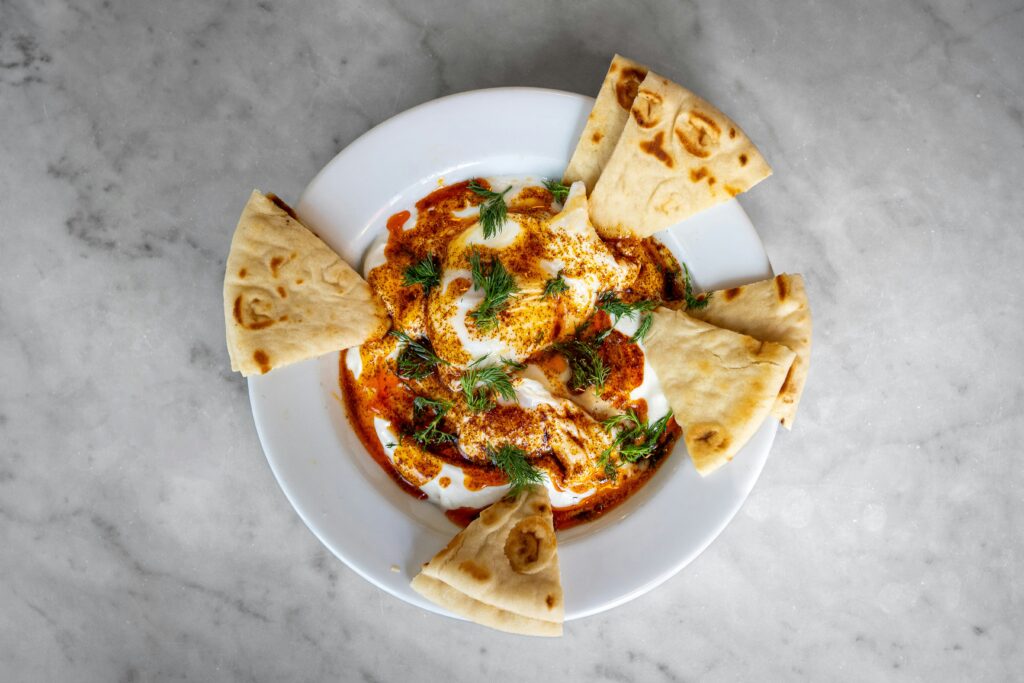
While we may not trade spices for gold anymore, their influence on global cuisine remains. Many of today’s signature dishes trace their origins to these ancient trade networks, proof that food cultures are deeply intertwined.
- Black Pepper & India’s Global ReachIndia was once the world’s most important source of black pepper, nicknamed “black gold.” Today, it’s hard to find a kitchen that doesn’t have a pepper grinder. From Italian cacio e pepe to Chinese pepper beef, its fiery bite is as global as ever.
- Nutmeg’s Journey from Indonesia to the WorldOnce worth more than its weight in gold, nutmeg made its way from the Banda Islands to Europe, where it flavored medieval meats and desserts. Today, it’s a key ingredient in everything from béchamel sauce in France to Caribbean jerk seasoning.
- Chilies from the Americas to AsiaBefore the 16th century, Indian, Thai, and Sichuan cuisine had no chili peppers—because they didn’t exist in Asia. Brought by Portuguese traders from the Americas, chilies revolutionized entire food cultures, giving us everything from kimchi’s heat to vindaloo’s spice.
- Cinnamon’s Sweet and Savory InfluenceOriginally from Sri Lanka, cinnamon was treasured by the Egyptians, Romans, and Chinese alike. Today, it adds warmth to Moroccan tagines, Swedish cinnamon buns, and Vietnamese pho broth.
The Future of Spice: New Blends, Old Traditions
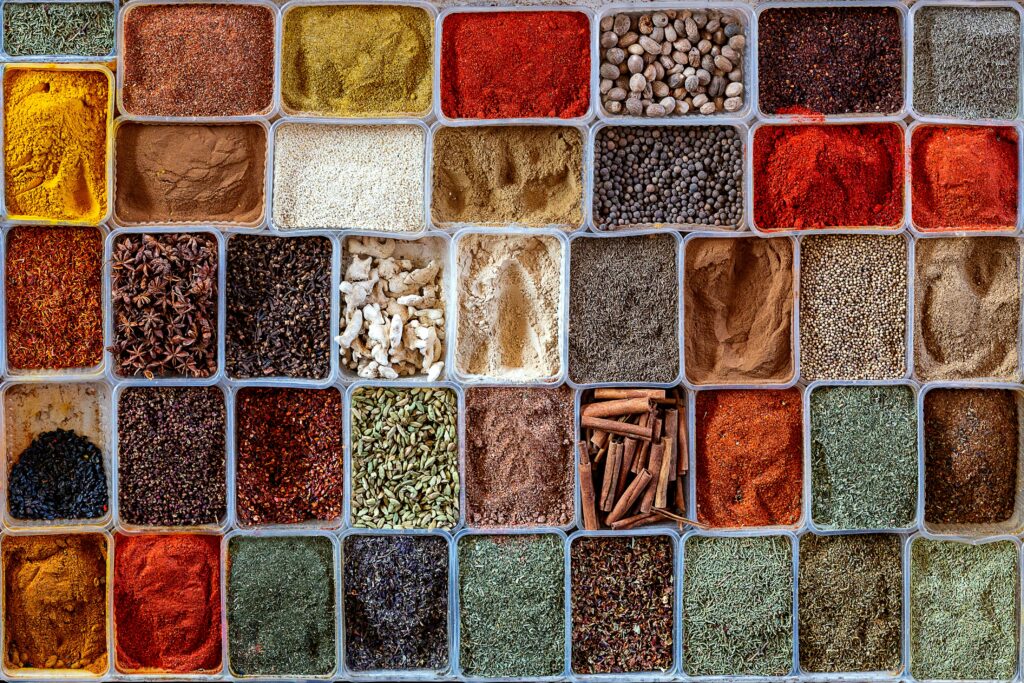
In today’s culinary landscape, chefs and home cooks alike are continuing to experiment with spice blends that bridge cultures. Fusion food isn’t new—it’s a continuation of a centuries-old tradition of global flavors meeting in unexpected ways.
Think turmeric lattes (a modern take on India’s haldi doodh), Japanese shichimi togarashi seasoning burgers in California, or Middle Eastern za’atar dusted on everything from roasted vegetables to popcorn. The spirit of the spice trade lives on, blending past and present in the most delicious ways.
So next time you shake a bit of cinnamon into your coffee or add a pinch of cumin to your stew, remember—you’re not just seasoning your food. You’re tasting history.