Few things in the wine world have a backstory quite as dramatic as Beaujolais. It’s a tale of royal decrees, banishments, and ultimate redemption—a story of one grape’s fall from grace and its triumphant comeback just south of Burgundy. It all started in the 14th century, when one powerful man decided Gamay was simply not worthy of his kingdom.
Philip the Bold, Duke of Burgundy, wasn’t just another noble with a taste for good wine—he was a shrewd strategist who understood the value of branding before branding was even a thing. He had big plans for Burgundy, and those plans revolved around Pinot Noir. It was elegant, refined, and—most importantly—expensive. The perfect wine for aristocrats. But there was a problem. A scrappy little grape called Gamay was starting to gain ground in Burgundy’s vineyards, and Philip wasn’t having it.
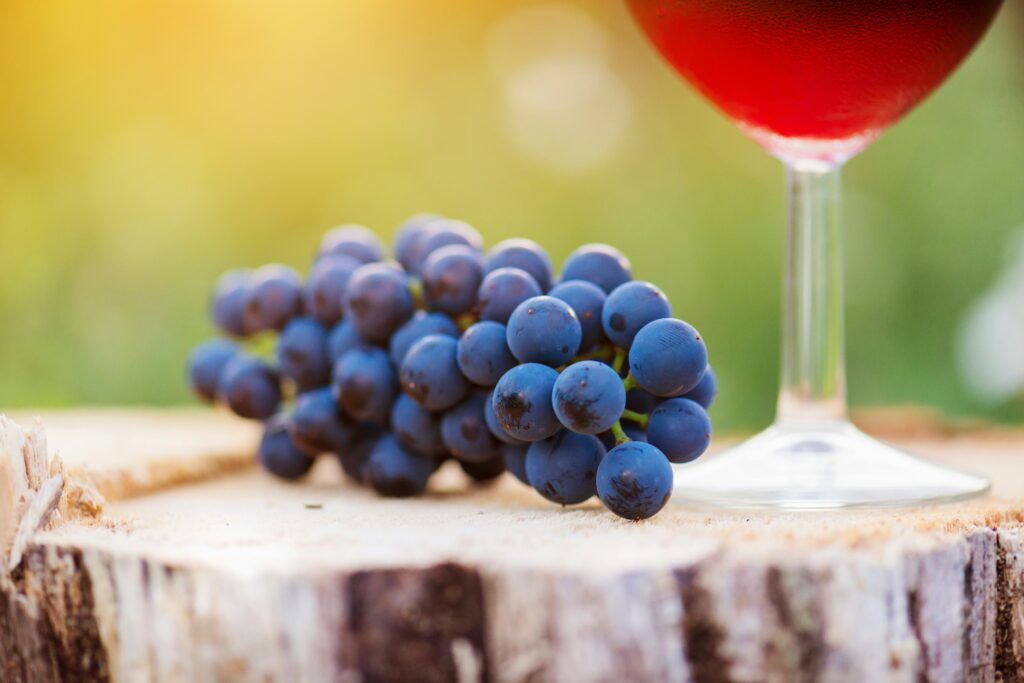
Unlike Pinot Noir, which required patience and careful cultivation, Gamay was the easygoing workhorse of the vineyard. It grew faster, produced higher yields, and made bright, fruit-forward wines that were ready to drink almost immediately. To the hardworking farmers, this was a dream come true—a steady source of income without the long wait. But to Philip, it was a direct threat to Burgundy’s reputation. If people started associating his prized wine region with Gamay’s easy-drinking, lower-cost bottles, Burgundy’s prestige would take a hit. So, in 1395, he issued an edict that would change the course of wine history.
In what can only be described as one of the most dramatic takedowns in viticulture, Philip called Gamay a “very bad and disloyal plant” and ordered it banished from Burgundy. If you were a winemaker growing Gamay within his territory, you had two choices: rip up your vines or get out. The grape was exiled, forced to find a new home beyond the southern border of Burgundy, in the rolling hills of what would become Beaujolais.
But here’s the twist: Gamay didn’t just survive—it thrived. Beaujolais turned out to be the perfect place for it.
The granite-rich soil, combined with the warm summers and cool winters, gave Gamay a whole new dimension. The wines took on a lively, juicy character, bursting with flavors of red berries, violets, and a touch of spice. It wasn’t long before Beaujolais carved out its own identity, separate from Burgundy, and proved that Philip’s so-called “evil” grape was actually a hidden gem.
Fast forward to the 20th century, and Beaujolais was about to have its moment in the spotlight. Enter Beaujolais Nouveau—the fresh, young wine that would take the world by storm. Traditionally, winemakers in the region would make a quick, fruity wine to celebrate the end of the harvest. It was meant for local consumption, nothing too serious. But in the 1950s, some clever marketing minds saw an opportunity. What if they turned this into an event? A race to release the first wine of the vintage, just weeks after harvest?
The idea exploded. By the 1970s and ‘80s, Beaujolais Nouveau had become a global phenomenon. Every third Thursday in November, the wine would hit the shelves with a wave of celebrations, complete with parties, fireworks, and the famous slogan: “Le Beaujolais Nouveau est arrivé!” Bars from Paris to Tokyo would compete to get their hands on the first bottles, and for a while, Beaujolais was the most talked-about wine in the world.
But trends are fickle, and by the 1990s, Beaujolais Nouveau’s reputation started to suffer. Critics dismissed it as a gimmick—an overhyped, underwhelming wine that wasn’t worth the fuss.
To be fair, they had a point. In the rush to produce massive quantities, quality often took a backseat, and people started associating Beaujolais with thin, forgettable wines. Sales declined, and the region found itself in a bit of an identity crisis.
But just like Gamay all those centuries ago, Beaujolais wasn’t going down without a fight. A new generation of winemakers stepped in, determined to remind the world that Beaujolais was more than just Nouveau. They focused on the region’s ten crus—the top-tier villages that produce seriously good wine. These are wines with depth, complexity, and aging potential, far removed from the quick-and-easy Nouveau. Wines from places like Morgon, Fleurie, and Moulin-à-Vent have slowly but surely been reclaiming Beaujolais’ reputation, earning the respect of critics and wine lovers alike.
Today, Beaujolais is in the midst of a quiet renaissance. The hype around Nouveau has settled, but in its place is a newfound appreciation for the region’s versatility. Whether you’re after a fresh, chillable red for a summer afternoon or a structured, age-worthy bottle to pair with dinner, Beaujolais has something to offer. And it all started with one grape’s forced exile, centuries ago.
So the next time you pour a glass of Beaujolais, raise it to Gamay—the grape that refused to be written off. Because sometimes, being cast aside is the best thing that can happen.