Tag: Lifestyle

  • Eat Like a Local, Drink Like a Native: Global Dining Etiquette You Never Knew

    Eat Like a Local, Drink Like a Native: Global Dining Etiquette You Never Knew


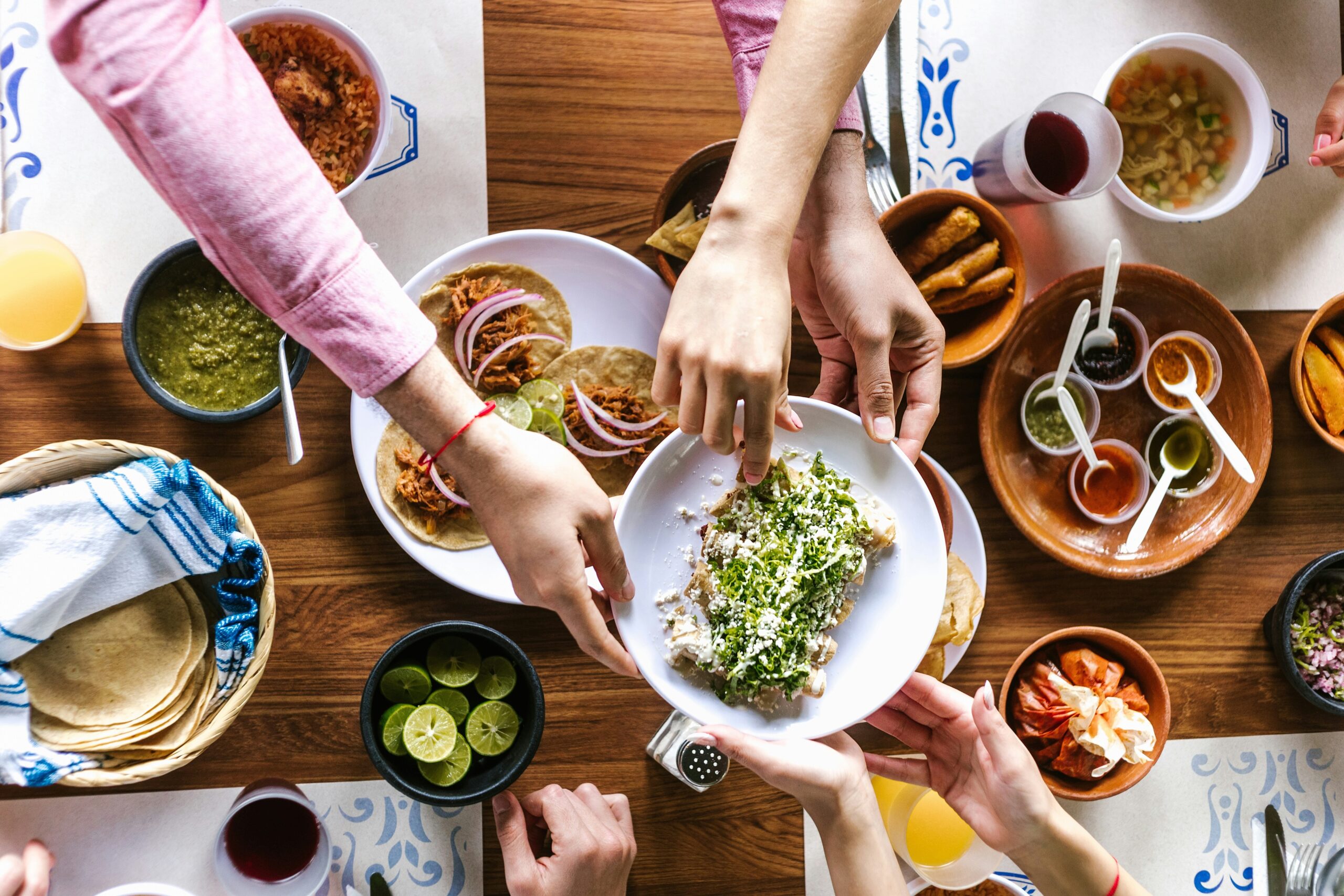
    From toasting with soju in South Korea to lingering over aperitivo in Italy, the rituals of eating and drinking vary widely across cultures—but they all share something in common: respect. Understanding a few of these customs doesn’t just make you a more thoughtful traveler. It also deepens your connection to the people and places behind the plate.

    Here are some global dining and drinking traditions that might surprise you—and inspire you to pause, notice, and participate more fully the next time you share a table abroad.

    Pouring for Others in Korea

    In Korean dining culture, pouring your own drink is considered impolite. Instead, guests pour for each other, creating a reciprocal act of care and attentiveness. When someone pours for you, you hold your glass with two hands—a small gesture of humility and gratitude.

    It’s more than just good manners. This ritual strengthens social bonds and reinforces the importance of community at the table. Even among friends, it signals respect and mutual appreciation.

    The Italian Art of Aperitivo

    In Italy, aperitivo isn’t just a happy hour—it’s a way of life. Typically enjoyed in the early evening, the aperitivo is meant to open the appetite before dinner. It usually involves a light drink like a spritz or a bitter liqueur paired with salty snacks such as olives, cheese, or chips.

    What matters most is the mood: relaxed, sociable, and unhurried. You don’t chug. You linger. You talk. It’s a reminder that dining is as much about connection as consumption.

    Japan’s Chopstick Code

    In Japan, chopsticks are more than utensils—they’re part of a deeply symbolic etiquette. Sticking them upright in a bowl of rice, for example, resembles a funeral offering and is considered taboo. Passing food from chopstick to chopstick also mimics a ritual from Japanese funerals and should be avoided.

    These aren’t random rules—they reflect a cultural reverence for food, tradition, and subtlety. Paying attention to them shows more than cultural awareness. It shows care.

    Toasting in Georgia

    In the country of Georgia, toasting is practically a form of storytelling. At traditional feasts known as supra, a designated toastmaster—or tamada—leads a series of poetic, heartfelt toasts that touch on everything from friendship to ancestors.

    To interrupt or ignore a toast would be unthinkable. Each one is an invitation to reflect and celebrate life with depth and sincerity, not just drink for the sake of drinking.

    When Dining Is a Dialogue

    Dining etiquette varies dramatically across cultures—but the deeper lesson is consistent. The table is never just about food. It’s a space for values, history, gratitude, and community to express themselves through gestures, timing, and tradition.

    By observing these rituals, even as a guest, you do more than avoid awkwardness. You honor the spirit of the place—and show that you’ve come not just to eat, but to listen and learn.

  • The Zen of Mise en Place: How Culinary Habits Can Change Your Life

    The Zen of Mise en Place: How Culinary Habits Can Change Your Life


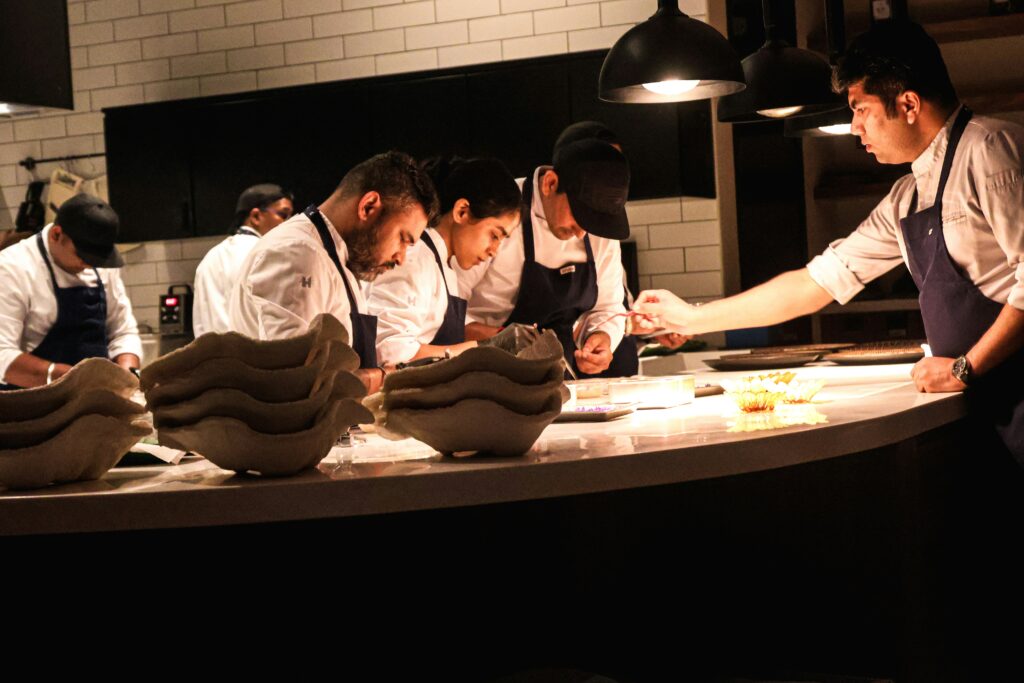
    In professional kitchens around the world, one quiet principle keeps the chaos at bay: mise en place. French for “everything in its place,” this approach to cooking is more than just a system of organizing ingredients. It’s a mindset—one that brings clarity, discipline, and flow to both the kitchen and beyond.

    What begins as a culinary necessity often becomes a philosophy. And for those outside the food world, adopting a mise en place mentality might just transform the way you cook, work, and live.

    What Mise en Place Actually Means

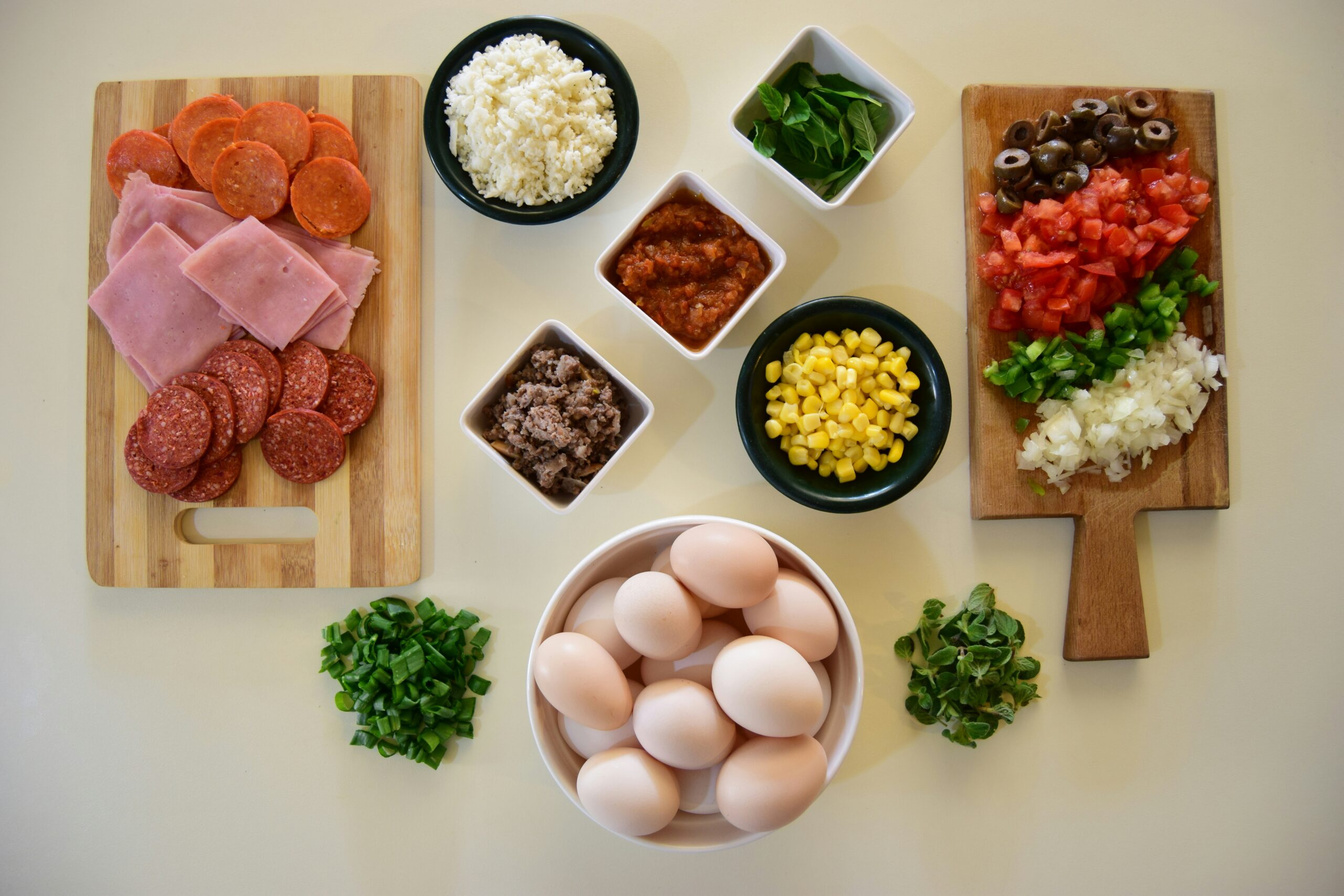
    At its core, mise en place is about readiness. Before a single pan gets hot, a chef has already chopped herbs, portioned butter, pre-measured spices, and neatly arranged tools. Every step of the recipe is accounted for before the cooking begins.

    In the high-stress environment of a professional kitchen, this method isn’t optional—it’s survival. But when brought into a home kitchen or office, mise en place becomes something else: a tool for staying present, efficient, and calm.

    Bringing Chef Discipline Into the Home

    Adopting mise en place in your own kitchen can be surprisingly empowering. Instead of scrambling to dice onions while your garlic burns in the pan, you move with calm confidence. A few small shifts—reading a recipe all the way through, prepping everything before you begin, keeping your tools organized—can eliminate stress and make cooking feel more meditative than messy.

    Even planning weekly meals can be a form of mise en place. Gathering ingredients, mapping out time, and setting yourself up to succeed all reflect that same chef’s mindset: respect for process, and trust in preparation.

    Beyond the Kitchen: Mise en Place at Work

    It doesn’t stop at the stove. Many people have found that mise en place works wonders outside the culinary world. Writers outline chapters before typing. Designers sketch ideas before jumping to software. Project managers map out steps before executing a campaign.

    The point isn’t to delay action—it’s to be deliberate. Mise en place encourages you to pause, prepare, and focus before diving in. It’s a way to resist distraction, reduce decision fatigue, and reclaim attention in a world constantly trying to pull it away.

    Creating Your Own Ritual

    Like any habit, mise en place takes practice. Start small: clear your workspace before you cook, group ingredients by task, put your tools back in the same place every time. Notice how the process affects your mood. Does it feel easier to focus? Do you enjoy cooking more?

    Then, bring the same principles to your desk, your schedule, or your morning routine. Organize before action. Set the stage before the show. Over time, the results add up—not just in better meals, but in a calmer, more intentional way of moving through your day.

    Mise en Place Is a Philosophy of Attention

    In the end, mise en place isn’t really about chopping vegetables. It’s about how you prepare for what matters. Whether you’re a home cook, a creative professional, or just someone trying to keep your week in order, this quiet kitchen discipline offers something powerful: a recipe for peace, one task at a time.

  • Style on Tap: What Your Drink Order Says About Your Look

    Style on Tap: What Your Drink Order Says About Your Look


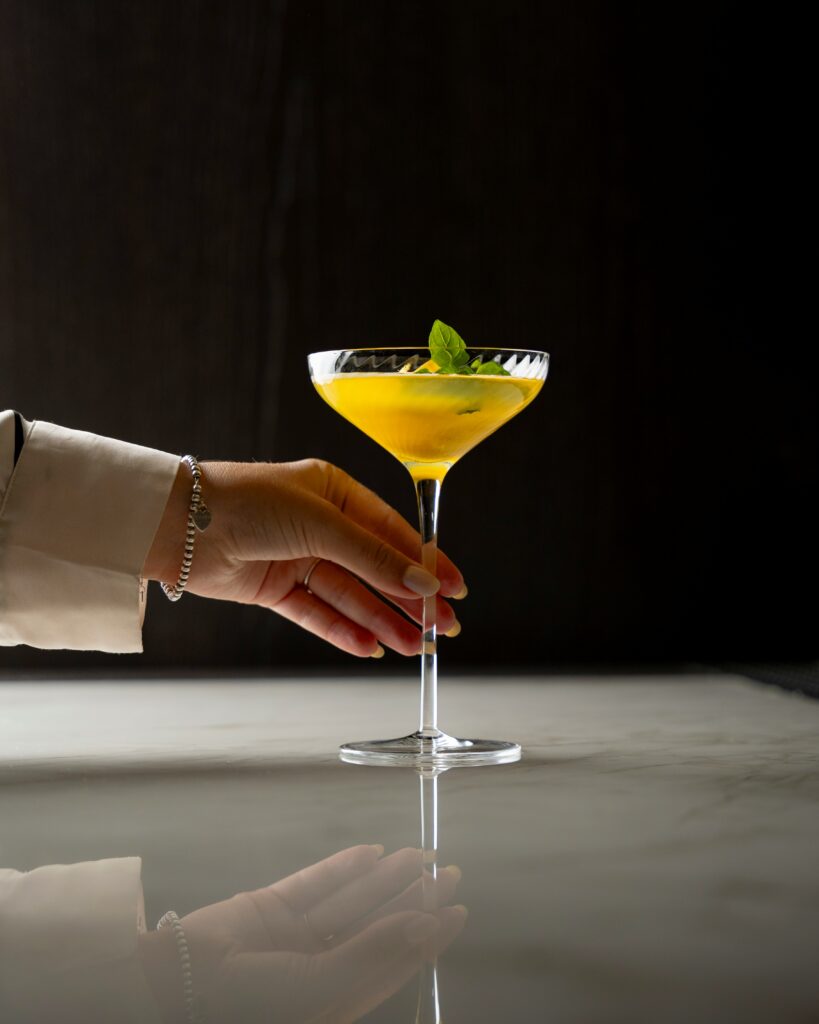
    We all know your drink of choice can say a lot about your personality—but what if it also says something about your style? At Tasted.TV, we spend a lot of time thinking about what we sip and how we live. So we started pairing our favorite beverages with the aesthetics they seem to channel. The result? A delicious mix of cocktails, craft beers, and bold looks worth raising a glass to.

    Here’s our guide to what your drink order might reveal about your wardrobe—and maybe your whole vibe.

    The Espresso Martini: Sleek, Chic, and Always in Control

    If you gravitate toward an espresso martini, there’s a high chance you know how to pull off a monochrome moment. Your closet is full of black blazers, pointed-toe boots, and statement gold accessories. You thrive at rooftop bars and gallery openings. The espresso martini is a drink that says, “I’ve arrived—and I’ve already answered all my emails.”

    Style match: Tailored silhouettes, dark neutrals, and sharp accents

    Vibe: Power lunch meets late-night lounge

    IPA Enthusiast: Vintage Denim and Laid-Back Layers

    The IPA lover is effortlessly cool. Think thrifted Levi’s, worn-in flannels, and ironic trucker hats. You’re probably carrying a reusable tote and know where the best food truck is parked tonight. You appreciate complexity—both in your hops and your closet. The more obscure the brewery, the better.

    Style match: Casual, layered, and a little nostalgic

    Vibe: Indie record store meets craft beer bar

    Natural Wine Drinker: Earthy Tones and Quiet Luxury

    Natural wine has become the darling of a certain aesthetic: think linen everything, hand-thrown ceramics, and slow Sundays. If this is your pour, you probably lean into subtle, elegant dressing. You favor clothes with stories—vintage finds, small-batch labels, and anything ethically made. You might not wear loud prints, but you definitely make a quiet statement.

    Style match: Flowy fits, earthy neutrals, and timeless cuts

    Vibe: Farmers market meets Parisian café

    Whiskey Neat: Rugged Refinement

    Ordering whiskey neat suggests confidence and a love of craft. Your style follows suit: leather jackets, raw denim, heritage watches. You appreciate the details—quality stitching, aged wood, and good tailoring. You’re not trying to impress anyone, which ironically makes you even cooler.

    Style match: Classic Americana with a modern twist

    Vibe: Cabin bar meets speakeasy

    The Classic Martini: Timeless Glamour

    Ordering a gin martini (or vodka, we’re not judging) says you appreciate the classics. You probably own a great trench coat, red lipstick that works in every season, and more than one pair of tailored trousers. You understand how to invest in style and how to make it your own. Everything about you says “icon.”

    Style match: Polished, minimal, and bold in the right places

    Vibe: Old Hollywood meets downtown cocktail bar

    Aperol Spritz: Light, Playful, and European Chic

    If your go-to is an Aperol spritz, you’re the life of the patio. You love color, prints, and dressing with a sense of fun. Think sundresses, espadrilles, or a well-pressed linen shirt with retro sunglasses. You’re nostalgic for Italian summers—whether you’ve had one or not—and your style says so.

    Style match: Bright hues, breezy fabrics, and effortless flair

    Vibe: Amalfi Coast meets rooftop brunch

    Match Your Drink, Match Your Mood

    At the end of the day, we drink what we love—and wear what makes us feel alive. But if you’ve ever wondered why your closet pairs so perfectly with your go-to order, you’re not imagining things. Taste, like style, is deeply personal and surprisingly revealing.

    So next time you pour something special, take a look in the mirror. Your drink might be telling a whole story.

  • Finding Balance: Drinking, Not Drinking, and Everything in Between

    Finding Balance: Drinking, Not Drinking, and Everything in Between

    In a world that often swings between extremes—detox or indulgence, all-in or all-out—it’s easy to feel like drinking alcohol has to be one thing or the other. But life isn’t that black and white, and neither should our choices around what we drink. Balance isn’t about strict rules or judgment—it’s about finding what works for you and respecting the choices of others along the way.

    For some, that means enjoying a glass of wine with dinner, cracking open a beer at the ballpark, or crafting a cocktail at home. For others, it means opting for non-alcoholic options, choosing lighter drinks, or skipping alcohol altogether. And that’s okay. What isn’t okay? Shaming people for their choices—whether that’s pressuring someone to drink or making them feel like they need to explain why they are drinking.

    Much like the “almond mom” phenomenon, where generations inherited unhealthy food fears from diet-obsessed parents, the way we talk about alcohol matters. The last thing we need is a culture of guilt surrounding something that, for many, is simply a social or culinary pleasure. Drinking sometimes, drinking less, or not drinking at all are all valid choices—just as valid as deciding that a crisp, non-alcoholic beer is your go-to at a tailgate while your friend reaches for a cold lager, or that a crisp, no-alcohol spritz is your drink of choice at brunch while your friend sips a mimosa.

    Of course, this conversation isn’t about those in recovery—sobriety for alcoholics is a serious, life-saving choice that should always be supported. Encouraging or tempting someone who is actively working to stay sober is never okay. But for the rest of us, the key is moderation, understanding, and a judgment-free approach to how we live our lives.

    Because at the end of the day, balance isn’t about saying never or always. It’s about knowing yourself, making mindful decisions, and allowing others to do the same. Cheers to that—whatever’s in your glass.