Tag: Low Alc

  • The Rise of Low-ABV Cocktails: Why Less Is the New Luxe

    The Rise of Low-ABV Cocktails: Why Less Is the New Luxe


    In a world that’s increasingly wellness-conscious but still craving flavor, low-ABV (alcohol by volume) cocktails have stepped into the spotlight. These light-on-the-booze beverages are more than just a compromise—they’re becoming a deliberate, stylish choice. From aperitif-driven drinks to lower-proof spins on classics, bartenders around the globe are redefining what it means to indulge.

    A Shift in Sip Culture

    For years, cocktail menus were dominated by bold, high-proof concoctions that packed a punch. But tastes are evolving. “Guests want drinks they can enjoy over time, without feeling weighed down,” says Olivia Chang, beverage director at a New York City speakeasy that now features a dedicated low-ABV section. “It’s about pleasure and presence—not excess.”

    The rise of this trend coincides with larger cultural movements around moderation. The sober-curious crowd, Dry January devotees, and health-conscious millennials have all helped fuel a desire for alternatives to traditional high-proof cocktails.
    The Ingredients Behind the Movement

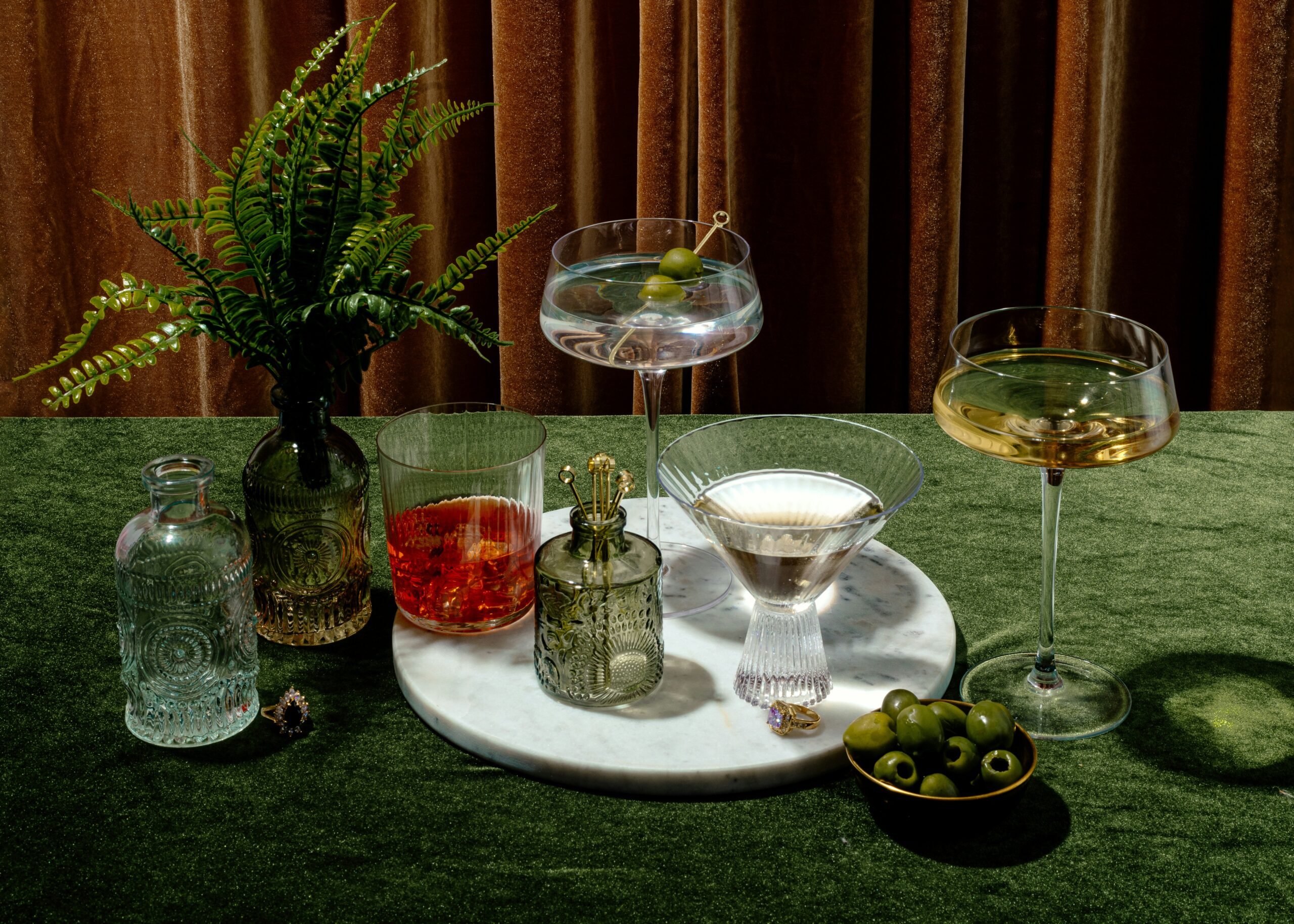
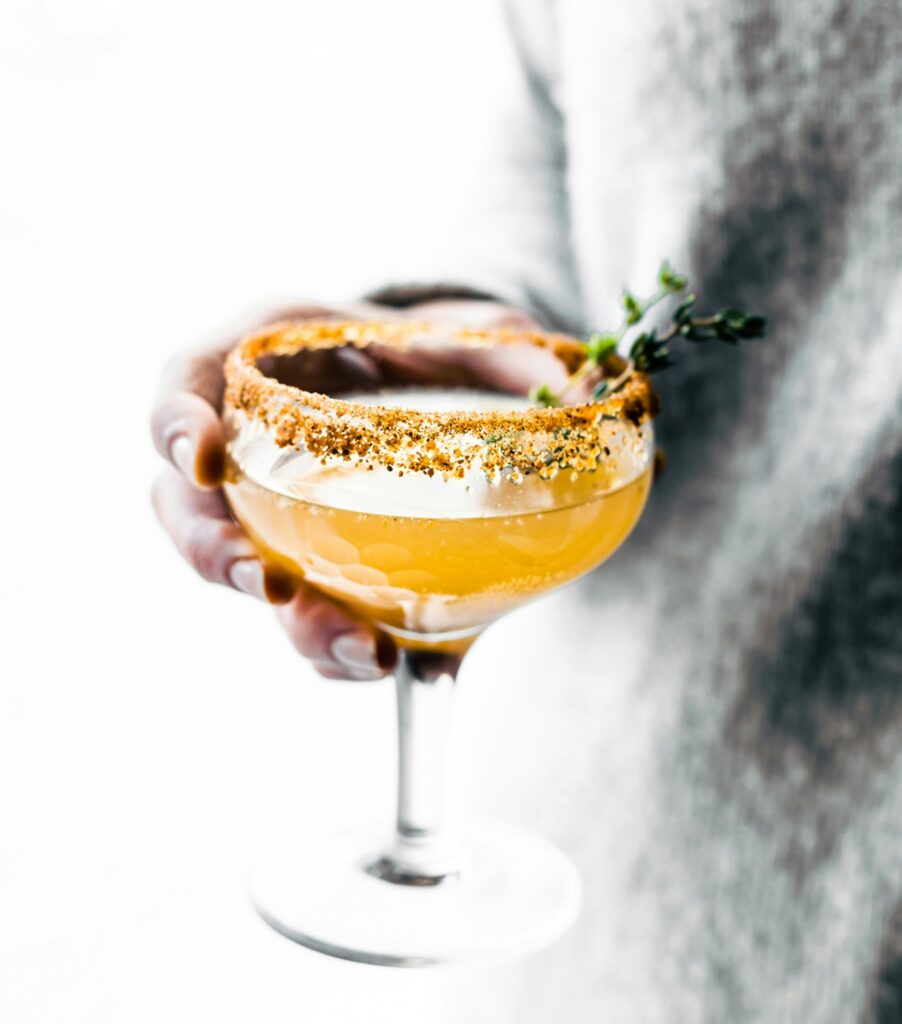
    Low-ABV cocktails tend to showcase ingredients like vermouth, sherry, amaro, sake, or even kombucha and tea infusions. These bases offer complexity and depth without the high alcohol content. Think spritzes with artful bitters, cobblers made with fortified wine, or a refreshing highball using sake and cucumber soda.

    “It forces creativity,” says Mateo Rivera, a bartender in San Francisco. “When you can’t rely on spirits to carry the weight, you get more inventive with herbs, tinctures, and seasonal produce. You’re painting with a subtler brush.”

    From Aperitivo to After-Hours

    This trend borrows inspiration from European aperitivo culture, where a late afternoon drink isn’t about intoxication but about stimulation—waking up the palate, not dulling it. That spirit is being adopted at trendy wine bars and rooftop lounges from Los Angeles to Lisbon.

    You’ll spot Negroni Sbagliatos on menus again, or see bartenders riffing on spritzes using unusual bitter liqueurs and sparkling water. One popular drink at a Tokyo bar? A yuzushu-based cocktail with a mist of gin and a garnish of grilled lemon. It’s light, layered, and surprisingly satisfying.
    Luxe by Design

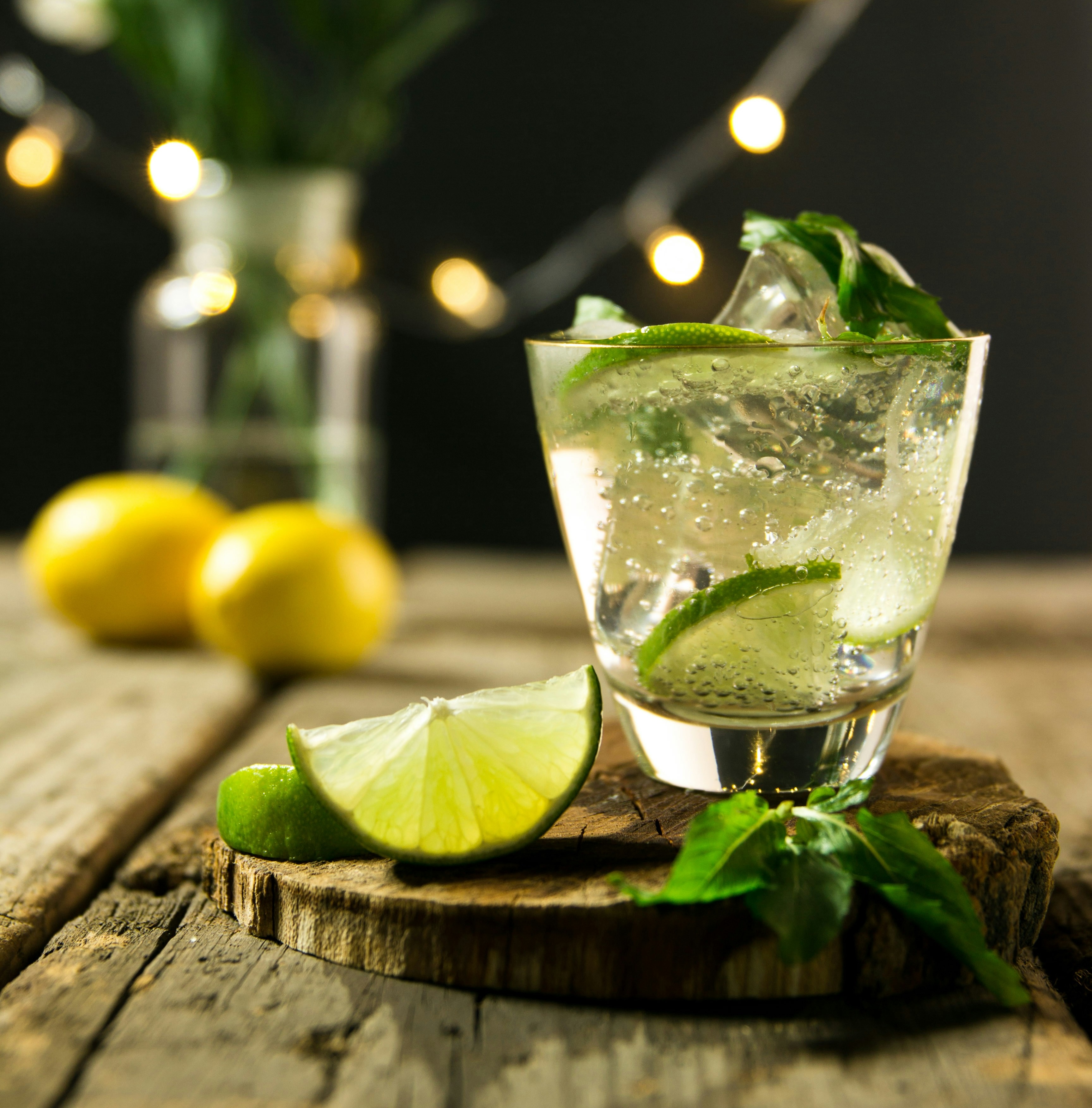
    Ironically, the lighter the drink, the more intentional it often is. “There’s a quiet luxury to low-ABV cocktails,” says Chang. “They’re often more elegant in presentation and nuanced in flavor. You sip them slowly. You remember them.”

    This kind of drinking doesn’t mean giving anything up. It means elevating the experience. A well-made low-ABV cocktail is a celebration of restraint—and a sign that indulgence is no longer defined by excess, but by balance.

    Where It’s Headed

    As home bartending continues to boom, low-ABV cocktail culture is making its way into kitchens, backyards, and dinner parties. With more premium non-alcoholic and low-proof spirits on the market, the possibilities are expanding.

    Less really is more. And in this case, it’s more stylish, more sustainable, and arguably, more fun.
  • Wine and Wellness: Can You Drink Mindfully?

    Wine and Wellness: Can You Drink Mindfully?


    Wine culture and wellness might seem like an unlikely pairing. One conjures images of indulgent evenings and candlelit dinners, the other of green juice and yoga mats. But in a world increasingly drawn to balance over extremes, the two are no longer at odds. In fact, the intersection of wine and wellness is becoming its own lifestyle—one rooted in mindfulness, moderation, and deeper connection to what we consume.

    So can you drink wine and still prioritize your well-being? Experts—and a new wave of conscious consumers—say yes.

    Mindful Drinking Is a Movement

    Mindful drinking isn’t about abstinence. It’s about awareness—of what you’re drinking, how much, and why. “The goal is to enjoy alcohol in a way that enhances your life, rather than numbs or distracts from it,” says registered dietitian Melissa Liu. “Wine can absolutely be part of a healthy routine, when consumed intentionally.”

    That shift is reflected in changing habits. More people are swapping binge culture for “low and slow” sipping. Dry January has given rise to “Damp Lifestyle”—a year-round approach where drinking is occasional, social, and savored. And wine fits naturally into this ethos, especially when treated as an experience rather than a routine.

    The Wellness Side of Wine

    Let’s start with the facts: red wine contains antioxidants like resveratrol, which has been linked to heart health. Moderate wine consumption (usually defined as one glass per day for women, two for men) has also been associated with longevity in studies of Mediterranean diets.

    But wellness goes beyond biochemistry. “When people drink wine with a sense of occasion, paired with good food and conversation, the psychological benefits are just as real,” says holistic health coach Javier Ortega. “It’s about connection—to others, to tradition, to place.”

    The Rise of Better-for-You Bottles

    Wine producers are taking note of the demand for wellness-conscious options. Natural wines—made with minimal intervention, fewer sulfites, and no added sugar—are booming. Low-alcohol and even alcohol-removed wines are becoming more refined and flavorful, appealing to those who want the taste without the buzz.

    “There’s a new generation of winemakers who prioritize purity,” says Sofia Beltran, co-founder of a sustainable vineyard in Chile. “We see wine as part of a healthy lifestyle, one that honors the earth and the body.”

    Drinking with Intention

    So how can you drink wine more mindfully? Start with quality over quantity. Choose wines made with care and transparency. Take your time with each sip. Pair it with food. Share it with people you care about. And most importantly, listen to your body.

    “A glass of wine can be a beautiful ritual,” says Liu. “The key is tuning into how it makes you feel—physically, emotionally, energetically. That’s wellness, too.”

    A Culture Shift in the Making

    Gone are the days when indulgence had to mean excess. In today’s evolving food and drink landscape, pleasure and health aren’t opposites. They’re partners. And wine, with its centuries-old history and ever-expanding possibilities, is perfectly positioned to lead that conversation.

    Whether you’re exploring biodynamic bottles or just slowing down your Friday night pour, one thing is clear: mindful drinking isn’t about drinking less—it’s about experiencing more.