Tag: Restaurant

  • The Zen of Mise en Place: How Culinary Habits Can Change Your Life

    The Zen of Mise en Place: How Culinary Habits Can Change Your Life


    In professional kitchens around the world, one quiet principle keeps the chaos at bay: mise en place. French for “everything in its place,” this approach to cooking is more than just a system of organizing ingredients. It’s a mindset—one that brings clarity, discipline, and flow to both the kitchen and beyond.

    What begins as a culinary necessity often becomes a philosophy. And for those outside the food world, adopting a mise en place mentality might just transform the way you cook, work, and live.

    What Mise en Place Actually Means

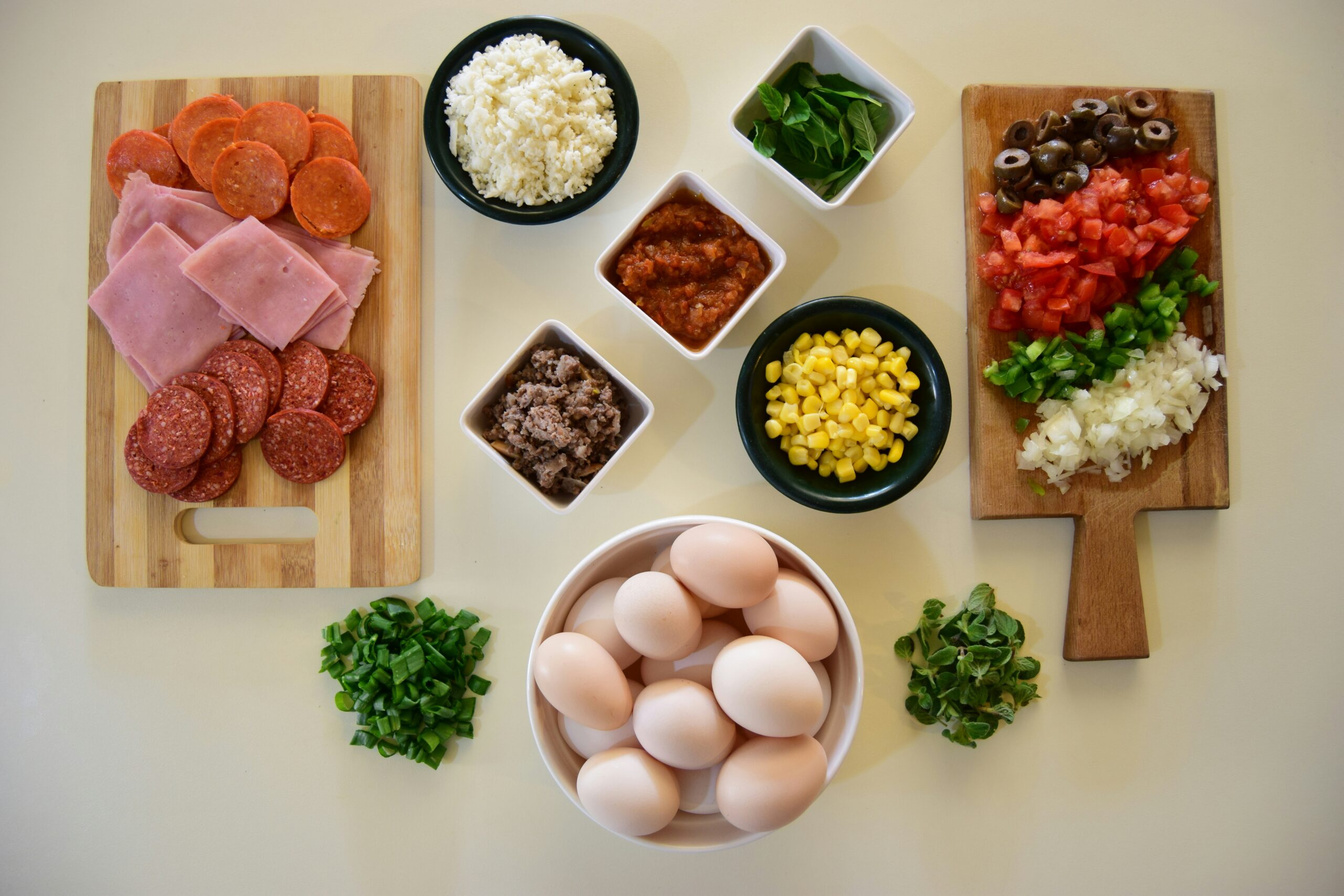
    At its core, mise en place is about readiness. Before a single pan gets hot, a chef has already chopped herbs, portioned butter, pre-measured spices, and neatly arranged tools. Every step of the recipe is accounted for before the cooking begins.

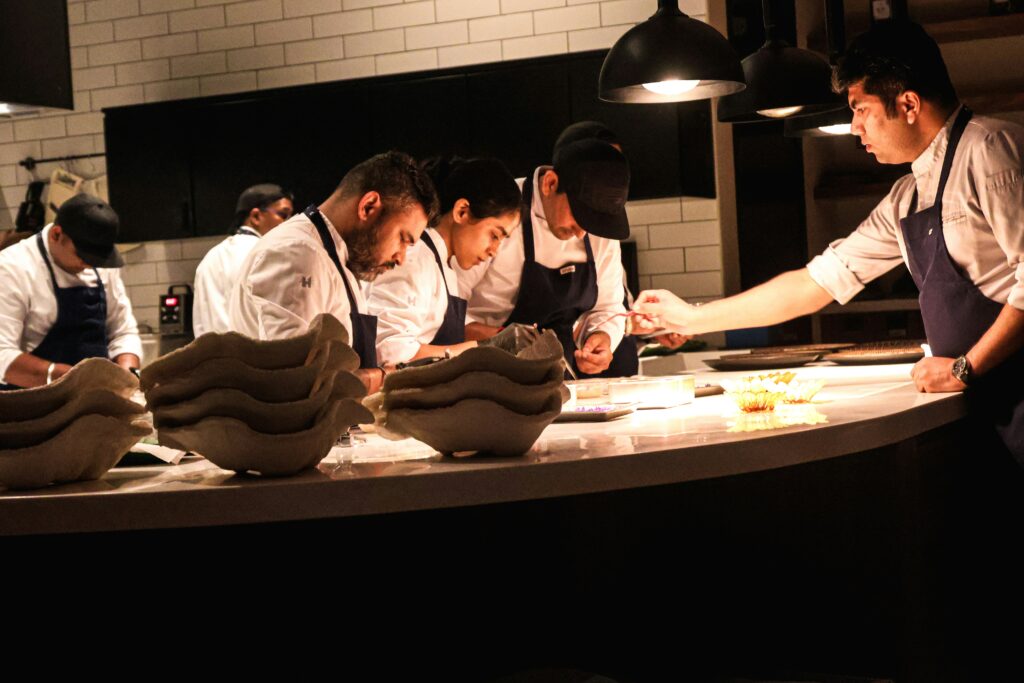
    In the high-stress environment of a professional kitchen, this method isn’t optional—it’s survival. But when brought into a home kitchen or office, mise en place becomes something else: a tool for staying present, efficient, and calm.
    Bringing Chef Discipline Into the Home

    Adopting mise en place in your own kitchen can be surprisingly empowering. Instead of scrambling to dice onions while your garlic burns in the pan, you move with calm confidence. A few small shifts—reading a recipe all the way through, prepping everything before you begin, keeping your tools organized—can eliminate stress and make cooking feel more meditative than messy.

    Even planning weekly meals can be a form of mise en place. Gathering ingredients, mapping out time, and setting yourself up to succeed all reflect that same chef’s mindset: respect for process, and trust in preparation.

    Beyond the Kitchen: Mise en Place at Work

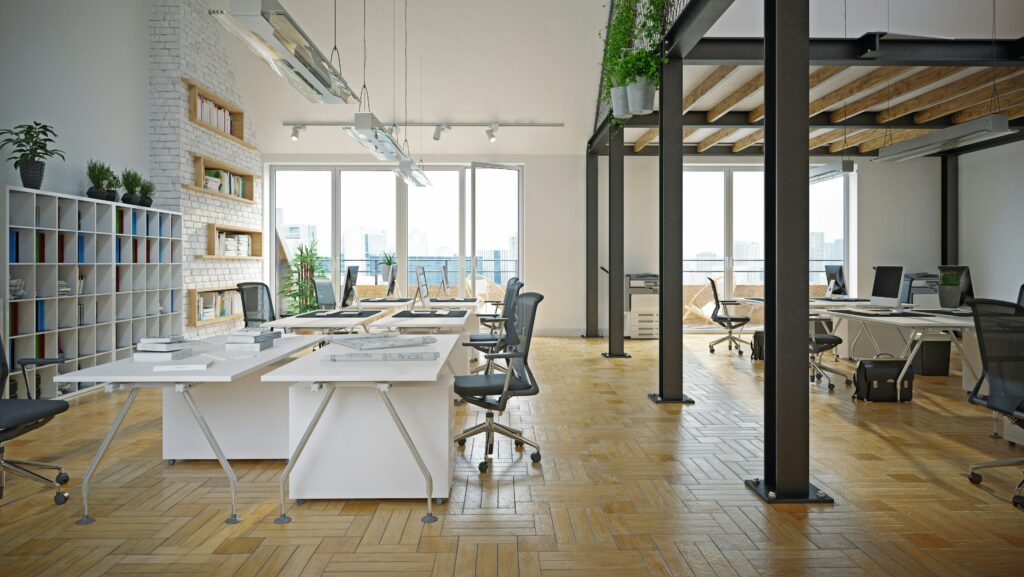
    It doesn’t stop at the stove. Many people have found that mise en place works wonders outside the culinary world. Writers outline chapters before typing. Designers sketch ideas before jumping to software. Project managers map out steps before executing a campaign.

    The point isn’t to delay action—it’s to be deliberate. Mise en place encourages you to pause, prepare, and focus before diving in. It’s a way to resist distraction, reduce decision fatigue, and reclaim attention in a world constantly trying to pull it away.
    Creating Your Own Ritual

    Like any habit, mise en place takes practice. Start small: clear your workspace before you cook, group ingredients by task, put your tools back in the same place every time. Notice how the process affects your mood. Does it feel easier to focus? Do you enjoy cooking more?

    Then, bring the same principles to your desk, your schedule, or your morning routine. Organize before action. Set the stage before the show. Over time, the results add up—not just in better meals, but in a calmer, more intentional way of moving through your day.

    Mise en Place Is a Philosophy of Attention

    In the end, mise en place isn’t really about chopping vegetables. It’s about how you prepare for what matters. Whether you’re a home cook, a creative professional, or just someone trying to keep your week in order, this quiet kitchen discipline offers something powerful: a recipe for peace, one task at a time.
  • How Chefs Unwind: What Culinary Pros Eat (and Drink) at Home

    How Chefs Unwind: What Culinary Pros Eat (and Drink) at Home


    After the last plate is wiped clean, the kitchen goes dark, and the guests have gone home, what do chefs reach for? Not the intricate dishes they plate for diners, but something personal. Comforting. Fast. Surprisingly simple.

    Lots of chefs head out to a late night dinner for some comfort food. But for many culinary pros, what happens at home is the true reward after a long night on the line—and it’s rarely haute cuisine.

    Late-Night Rituals After the Rush

    Service is physically demanding, emotionally charged, and creatively intense. So when it ends, unwinding isn’t just a want—it’s a need.

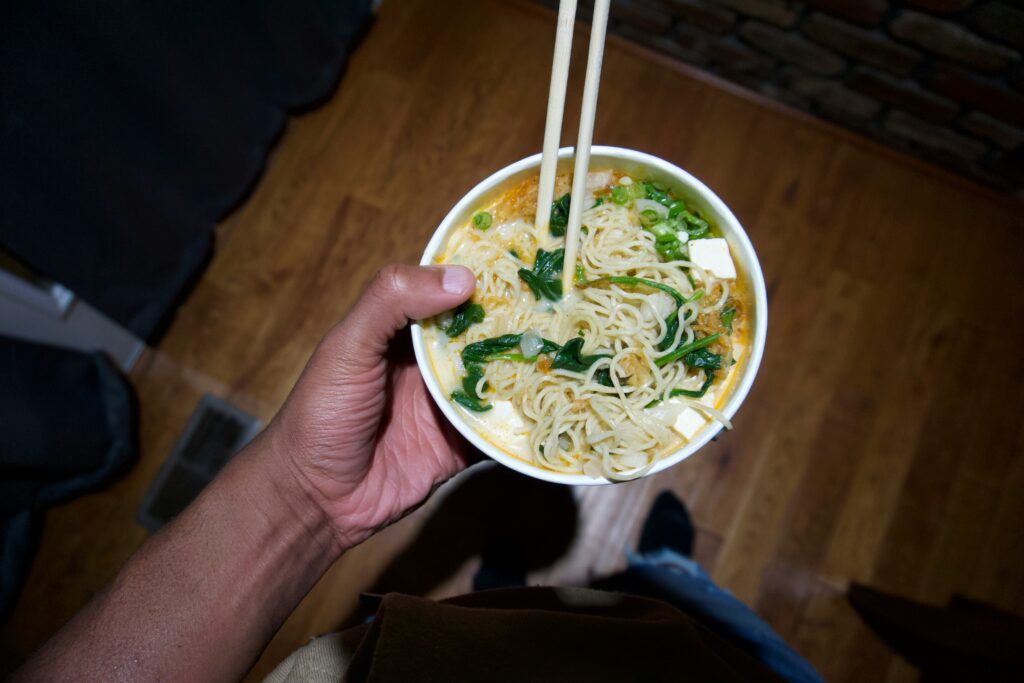
    Chef Mei Lin, a Top Chef winner and LA restaurateur, says her go-to late-night comfort is instant noodles. “It’s nostalgic. I’ll doctor it with sesame oil or leftover greens, but the simplicity is what I crave,” she says.

    Others go even more minimal. “After a double shift, give me scrambled eggs, toast, and a cold beer,” says Marcus Fairbanks, head chef at a Chicago gastropub. “That’s the reset button.”

    Comfort Over Complexity

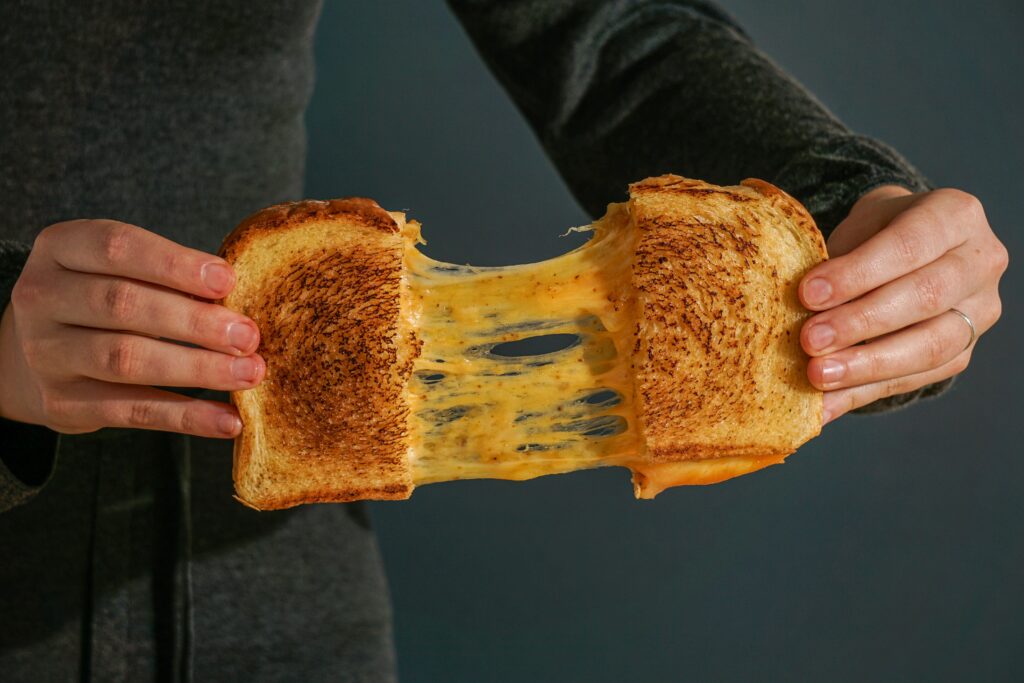
    There’s a surprising through-line: simplicity. Whether it’s a grilled cheese, a bowl of cereal, or rice with soy sauce and avocado, many chefs embrace humble, no-fuss meals when they’re off-duty.

    “It’s about removing decision fatigue,” explains Dana Shimizu, a private chef in New York. “I’ve made 200 tiny decisions all night—when I get home, I want something that makes itself.”

    That desire for comfort also extends to drinks. While some reach for beer or a neat whiskey, others keep it light: herbal teas, sparkling water, or a crisp glass of white wine. The point isn’t impressing anyone—it’s soothing themselves.

    Inside the Fridge of a Culinary Pro

    What’s actually stocked in a chef’s home kitchen? Often: leftovers from recipe testing, quality pantry staples, and cheat-day indulgences.

    Expect to find pickled things, great butter, high-end soy sauce, fancy chocolate, and a rotating cast of cheeses. “I always have good olives and a bottle of vermouth,” says Barcelona-based chef Lluís Montoya. “Sometimes that’s dinner.”

    And don’t forget the freezer. “It’s my best friend,” says pastry chef Alondra Chavez. “There’s always soup, frozen dumplings, and a tub of ice cream hidden in the back.”

    The Joy of Eating for Themselves

    At the heart of it, these meals are a return to self. They’re not plated for critics, built for menus, or optimized for Instagram. They’re food made by chefs—for themselves. And that’s something special.

    “After service, we get to reconnect with the pleasure of eating,” says Shimizu. “There’s no performance. Just flavor, memory, and whatever we feel like.”

    So next time you imagine a Michelin-starred chef going home to sear scallops and build a beurre blanc, think again. Odds are, they’re curled up on the couch, chopsticks in one hand, and a bowl of instant ramen in the other—and loving every bite.