The camera used to be a guarantor of reality. Now a clip, a screenshot or a ten-second reel can rearrange what millions accept as fact. Across continents, people inhabit different “fact-worlds” — not because anyone is stupid, but because information systems, powerful actors and new technologies have changed how truth spreads. The result is measurable: large international surveys show broad concern about made-up news, and trust in traditional institutions has fallen in many countries.
A fringe idea becomes visible — and dangerous
Take the flat-Earth example. Firm believers remain a minority, but the phenomenon has become far more visible and statistically meaningful over the last decade. Polling shows younger age groups express higher levels of doubt or uncertainty about basic scientific claims than older cohorts; large national surveys have found single- to low-double-digit percentages endorsing or entertaining flat-Earth claims in some countries. That’s not merely trivia: when doubt about core facts grows, it opens the door to medical disinformation, climate denial and other conspiracies that undermine public policy and social cohesion.
Conspiracies on the rise — worldwide
Flat Earth is only one symptom. In the last decade several other conspiratorial narratives have spread globally: QAnon-style world-control myths, anti-vaccine and medical falsehoods, “crisis actors” claims after tragedies, chemtrail theories, and the so-called “Great Replacement” idea. These movements differ by country in scale and shape, but they share three reinforcing dynamics: erosion of institutional trust; algorithmic amplification by social platforms; and opportunistic actors (political groups, interest networks, or bad-faith entrepreneurs) who monetize outrage.
Perception vs. evidence: a dangerous gap
Often the data and the headlines point in different directions. For example, robust cross-national research shows immigrants in many places are no more likely — and in some cases less likely — to commit crimes than native-born residents. Yet political narratives and social feeds frequently depict the opposite, shaping public sentiment and policy debates. Similarly, international election-observation bodies may find few systemic irregularities in a vote, while large swaths of the public believe fraud occurred. The harm isn’t only factual error; it’s erosion of social trust and legitimacy.
Power, profit and manipulation
This moment isn’t accidental. History records repeated cases where industry funding shaped scientific and public narratives — a classic case being mid-20th-century lobbying that skewed nutrition research debates. Today, media ownership is concentrated: a few wealthy individuals and large corporations control major outlets and platforms across nations. Their incentives aren’t always ideological; often they aim to protect wealth, influence, or market access. That concentration makes it easier for certain versions of reality to be amplified — intentionally or not.
AI and deepfakes: new tools, swift harms
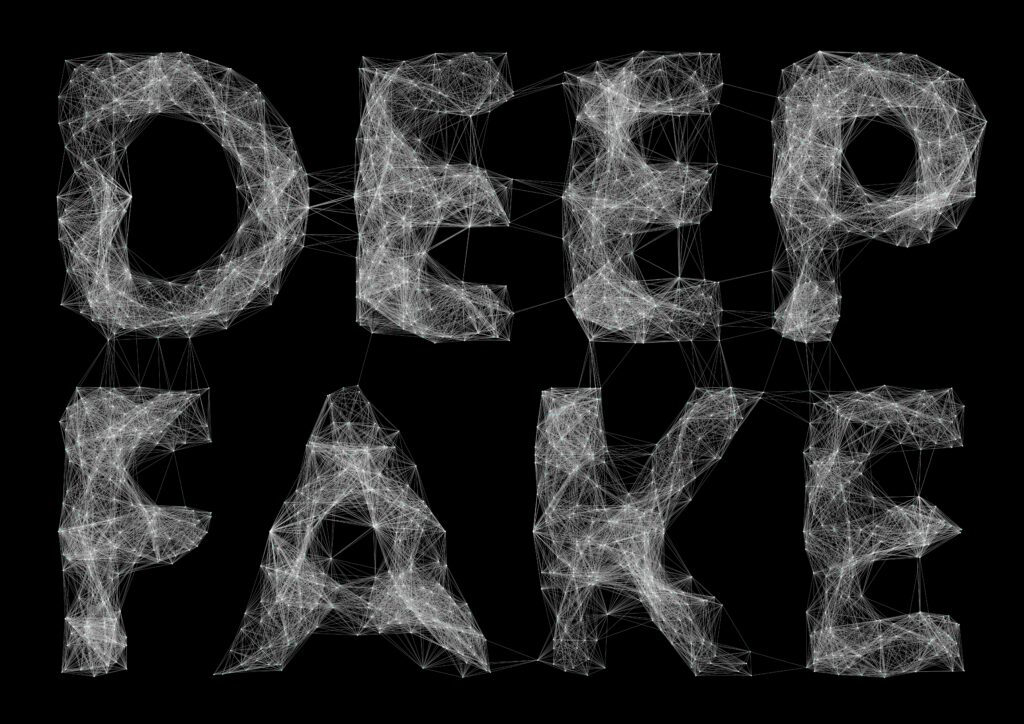
Artificial intelligence has accelerated the problem. Deepfakes have moved from novelty to geopolitical tool. Viral synthetic clips — from convincingly fabricated celebrity videos to manipulated footage falsely depicting public figures — have demonstrated how easily sight and sound can be faked. During recent conflicts and political cycles, manipulated videos purporting to show leaders in compromising situations circulated and were later debunked; even viral, playful deepfakes (such as highly realistic synthetic videos of celebrities) have shown how quickly false imagery can become accepted truth when shared widely.
Where to go — and how to act
There are reliable habits and sources that help. Trusted global news organizations with rigorous editorial standards, transparent corrections and broad newsgathering — such as Reuters, the Associated Press and the BBC — remain strong starting points. Established fact-checking organizations that publish methods and sources — including FactCheck.org, PolitiFact and Reuters Fact Check — are practical tools for verifying viral claims. Academic centers, public-interest research groups and primary-data repositories (polling organisations, election monitors, scientific journals) provide the evidence behind claims.
A practical, human prescription
Civic remedies are structural and personal. We need media-literacy education, regulation that limits harmful concentration of media ownership, transparency about corporate and political funding of research and journalism, and platforms that prioritize verifiable provenance for media. But there’s a human side too: before we rage, retweet or revoke someone’s reputation, pause. Ask for the source. Check a reputable fact-checker. Remember that many people repeat falsehoods out of confusion, fear or social pressure, not malice.
In a world of engineered illusions and algorithmic echo chambers, the most radical acts are simple: verify the receipts, then be kinder. Give people the benefit of the doubt where you can — and insist on evidence where it matters. That combination of skepticism and compassion is how we slow the spread of lies and keep the public square whole.