Is it possible to bring one forgotten Sicilian grape back to life? With passion, persistence and science, the answer is a resounding yes.
Since August of 2025, when Italy’s Official Gazette published the new Terre Siciliane IGT regulations, winemakers can proudly display “Orisi” on their labels. This is a historical first, made possible by the hard work and dedication of the Santa Tresa winery, spear headed by owner Stefano Girelli.
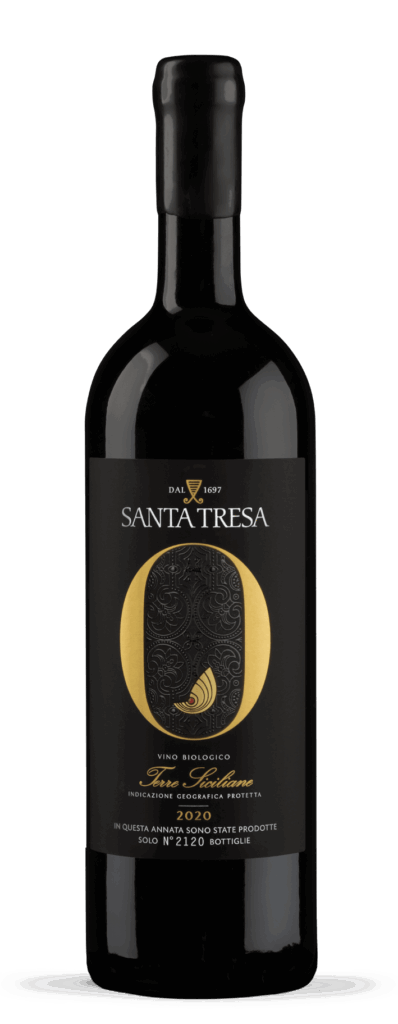
Before this recognition, Santa Tresa’s wine made from the grape could only be called “O”, its true identity whispered among those in the know. With the rule change, the estate celebrated by releasing “O – Orisi Rosso IGP Bio,” a limited edition that honors the grape’s long-awaited
This breakthrough was not overnight. Back in 2009, Santa Tresa, in partnership with the University of Palermo, began an impressive campo sperimentale (experimental vineyard) venture to bring ancient indigenous Sicilian grapes back from obscurity. Orisi was one of these varietals and to date their biggest success.
Santa Tresa
Today, Santa Tresa is the only estate in Sicily cultivating Orisi, with a mere 1,523 vines rooted in their organic vineyards. Research led by owner Stefano Girelli has shown that Orisi is exceptionally resistant to both peronospera (downy mildew) and drought, challenges that have tested many growers in recent years. Its hardiness positions it as a sustainable, future-proof variety for the island’s evolving climate.
Other rediscovered types, like Albanello, a local white grape exhibiting renewed potential, are yielding equally encouraging results for Girelli and his colleagues at The Wine People (TWP). Restoring Sicily’s historic varietal diversity and promoting grapes that are genuinely indigenous to the region’s soil and climate are their clear goals.
The resurgence of Orisi is more than just a viticultural triumph; it is evidence of Santa Tresa’s conviction that authenticity and sustainability go hand in hand and that the future of Sicilian wine depends on its ability to remember its roots.
Châteauneuf-du-Pape. The name alone sounds regal, dripping with history and tradition. It means “New Castle of the Pope,” a nod to the time when the papacy ditched Rome for the South of France. Back in the 14th century, Pope John XXII set up his summer retreat here, expanded the vineyards, and gave the region’s wines his blessing—literally. Fast forward a few hundred years, and this legendary wine country found itself dealing with something a little less divine: UFOs.
Yep, you read that right.
In 1954, during peak Cold War paranoia, France was buzzing with sightings of strange lights and “flying cigars” in the sky. Châteauneuf-du-Pape, home to some of the world’s most coveted wines, was not immune to the hysteria. But instead of panicking about little green men, the town council had a different concern—protecting their vineyards. So, in a move that’s equal parts practical and hilarious, they passed an official decree: No flying saucers allowed.
The law, still technically on the books today, states that UFOs cannot “fly over, land, or take off” within the town. And if an extraterrestrial craft dares to touch down? Immediate confiscation. (Of the ship, not the aliens. Presumably, they’d just get a firm talking-to.)
Decades later, this odd little slice of history inspired a California winemaker with a taste for Rhône-style wines and a sense of humor. Randall Grahm, founder of Bonny Doon Vineyard, created Le Cigare Volant—French for “The Flying Cigar.” His wine, a bold blend inspired by the famous reds of Châteauneuf-du-Pape, became a cult favorite. And with a label featuring a UFO hovering over vineyards, it pays homage to the town’s strange but true law.
So, the next time you pour a glass of Châteauneuf-du-Pape (or Le Cigare Volant), raise a toast to popes, paranoid politicians, and a wine region so fiercely protective of its grapes that it even banned aliens. Because history, like wine, is best enjoyed with a great story.
In recent years, the wine industry has seen a seismic shift toward health-conscious consumption, with low-alcohol and alcohol-free wines making a splash across global markets. As we step into 2025, this once niche segment is no longer just a trend—it’s become a movement. Whether it’s an increasing awareness of health benefits, a desire for mindful drinking, or simply wanting to indulge without the hangover, low- and non-alcoholic wines are quickly finding a permanent place in consumers’ glasses.
The Changing Landscape of Wine Consumption
Gone are the days when choosing a non-alcoholic wine meant settling for something that lacked flavor and depth. Today’s options reflect an evolution in both production and taste, with innovative winemakers blending craftsmanship with the growing demand for healthier alternatives. While alcohol-free options once struggled with an image of being watered down or inferior, the modern wave of non-alcoholic wines is breaking these barriers by delivering authentic, enjoyable drinking experiences.
According to a report by IWSR Drinks Market Analysis, the global market for alcohol-free and low-alcohol beverages has expanded by a staggering 30% in recent years, and it’s showing no signs of slowing down. This growing demand is being met by some of the finest wineries around the world, offering drinkers a variety of nuanced flavors and complex profiles, without the alcohol content.
Leading Brands and Their Distinct Flavors
Several notable brands are leading the charge in this transformation. Companies like Freixenet, Seedlip, and Noughtyhave set new standards in flavor, moving beyond the “flavorless” options of the past and offering wines that feel like the real deal.
Noughty, an award-winning alcohol-free sparkling wine from the UK, is crafted from premium Chardonnay and undergoes a meticulous dealcoholization process that preserves its bright, crisp nature. With its fresh, fruity flavor profile, Noughty offers a sophisticated alternative to traditional champagne, perfect for celebrations or casual sipping.
Meanwhile, Freixenet’s 0.0% sparkling wine offers a refined taste experience with citrus and green apple notes, reflecting the expertise of a brand that has been synonymous with sparkling wines for over 150 years. This non-alcoholic bubbly is made from carefully selected grapes and offers a seamless drinking experience for those opting for a lighter lifestyle.
For red wine lovers, Leitz’s ‘Eins Zwei Zero’ offers a delightful alcohol-free Riesling, showcasing vibrant acidity and fresh fruit notes that make it a true standout in the non-alcoholic wine world. With its balance of sweet and dry, it proves that non-alcoholic wines don’t have to compromise on flavor.
The Appeal: Health, Wellness, and Lifestyle
The shift toward low- and alcohol-free wines is about more than just avoiding a hangover—it’s about embracing a lifestyle that prioritizes wellness and balance. More and more, consumers are becoming health-conscious and mindful of their alcohol consumption. In fact, a recent Mintel study found that nearly 40% of U.S. drinkers are actively reducing their alcohol intake, seeking lower-calorie, lower-sugar options without sacrificing the experience of a fine wine.
Moreover, these wines cater to a broad spectrum of people, from those with medical conditions to expectant mothers or simply individuals who prefer to enjoy the pleasures of wine without the effects of alcohol. The growing availability of non-alcoholic options has led to a more inclusive approach to wine, where everyone can enjoy a glass, regardless of lifestyle choice or health considerations.
Looking ahead, the alcohol-free wine sector is set for continued innovation. With improved production techniques, winemakers are enhancing taste and the overall drinking experience. In 2025 and beyond, expect more diverse options, from reds to sparkling varieties, that cater to the demand for healthier, premium alternatives. As consumer expectations rise, these wines are evolving to offer flavorful experiences without the alcohol.
Whether you’re enjoying a quiet night or celebrating a special occasion, the future of wine is bright for those seeking great taste with less impact on health. Cheers to a new era of mindful sipping!
Wine tourism isn’t just growing—it’s redefining the global travel and wine industries. Far from being just “more visitors,” wine tourism represents a powerful economic force with profound benefits for wineries, local economies, and the global tourism landscape.
Consider this: the global wine tourism market was valued at an impressive $46.47 billion in 2023 and is projected to grow at a staggering 12.9% compound annual growth rate (CAGR), reaching $106.74 billion by 2030, according to Grand View Research. Future Market Insights goes even further, forecasting growth from $95.88 billion in 2024 to an astonishing $332.53 billion by 2034, reflecting a CAGR of 13.2%.
These numbers tell a clear story: wine tourism is on a meteoric rise, fueled by the global demand for experiential travel and the allure of wine-focused activities. But this is about more than numbers—wine tourists bring unique value that extends beyond visitor counts.
Why Wine Tourists Are Different
Wine tourists are not your average travelers. They’re more affluent, stay longer, spend more, and engage deeply with the destinations they visit. Here’s how they stand out:
1. Spending Power That Drives Growth
Wine tourists don’t just spend—they invest. Reports show they spend significantly more than regular tourists. In Napa Valley, wine tourists spent an average of $1,000 per visit in 2022, compared to $300–$500 for regular tourists (Wne Intelligence). Globally, wine tourism generates over $8 billion annually, encompassing wine purchases, dining, accommodations, and experiences (Vinexpo).
2. Wine Purchases: A Premium Market
Wine tourists actively support local wineries, often purchasing premium or exclusive bottles. In 2023, 52% of wine tourists bought wine directly from wineries, with average purchases ranging from $250 to $500 per visit (Wine Intelligence). For wineries, this is more than a sale—it’s a direct connection to a loyal customer base.
3. Longer Stays, Bigger Impact
Wine tourists make a destination their home for a while. In Napa Valley, the average stay for wine tourists in 2022 was 4–5 days, compared to 2–3 days for other visitors. This pattern is consistent globally; a 2023 European Travel Commission study found wine tourists often visit multiple wineries, creating extended and immersive trips that boost local economies.
4. Affluent and Experience-Driven
Wine tourists are typically older, wealthier, and more inclined to splurge on luxury experiences. With an average household income of $95,000+, many wine tourists fall into the $150,000+ range, far exceeding the income levels of the average traveler (Wine Marketing Council, 2023). Their preferences lean toward high-end accommodations, private tastings, and curated culinary experiences.
5. Regional Economic Lifeline
For rural and wine-producing regions, wine tourism is an economic lifeline. In Australia, regions like Barossa Valley and Hunter Valley collectively contribute over $3 billion annually through wine tourism. Globally, wine regions in France, Italy, Canada, and the U.S. rely on wine tourists for up to 35% of their total tourism revenue.
6. Experiential Focus
Wine tourists prioritize experiences over simple consumption. Reports by Tourism Economics (2022) show they are 2–3 times more likely than regular tourists to spend on premium activities such as vineyard tours, wine-pairing dinners, and educational seminars. This trend elevates wine tourism to an art form, making it a key player in the global travel economy.
What does all this mean? Wine is Shaping the Future of Travel
Wine tourism is much more than a niche market; it’s a driver of meaningful, sustainable growth in both the travel and wine industries. With a focus on longer stays, premium experiences, and higher spending, wine tourists deliver unparalleled economic benefits, especially to rural and wine-producing regions.
As global trends shift toward deeper, more authentic travel experiences, wine tourism stands at the crossroads of culture, economy, and sustainability—offering a journey that’s as enriching for travelers as it is for the communities they visit.
This is the kind of tourism that doesn’t just grow—it elevates.
Cheers to that.
Sources:
Wine Intelligence, Global Wine Tourism Report (2023)
Vinexpo, Wine Tourism Report (2023)
European Travel Commission, Wine Tourism Insights (2023)
Wine Marketing Council, Wine Tourist Demographics and Spending (2023)
Australian Wine Tourism Research, Economic Impact Report (2023)