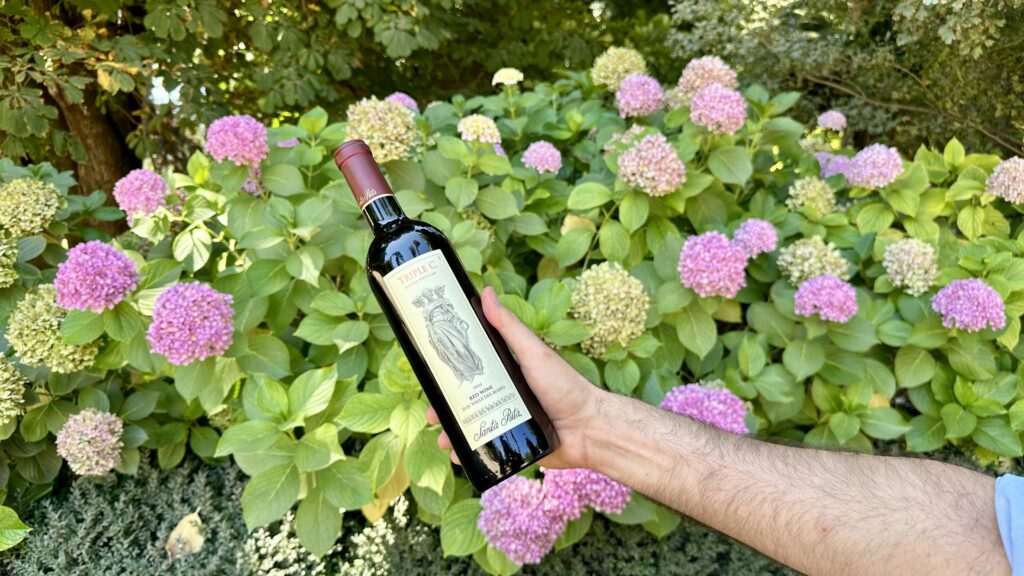
Châteauneuf-du-Pape. The name alone sounds regal, dripping with history and tradition. It means “New Castle of the Pope,” a nod to the time when the papacy ditched Rome for the South of France. Back in the 14th century, Pope John XXII set up his summer retreat here, expanded the vineyards, and gave the region’s wines his blessing—literally. Fast forward a few hundred years, and this legendary wine country found itself dealing with something a little less divine: UFOs.
Yep, you read that right.
In 1954, during peak Cold War paranoia, France was buzzing with sightings of strange lights and “flying cigars” in the sky. Châteauneuf-du-Pape, home to some of the world’s most coveted wines, was not immune to the hysteria. But instead of panicking about little green men, the town council had a different concern—protecting their vineyards. So, in a move that’s equal parts practical and hilarious, they passed an official decree: No flying saucers allowed.
The law, still technically on the books today, states that UFOs cannot “fly over, land, or take off” within the town. And if an extraterrestrial craft dares to touch down? Immediate confiscation. (Of the ship, not the aliens. Presumably, they’d just get a firm talking-to.)
Decades later, this odd little slice of history inspired a California winemaker with a taste for Rhône-style wines and a sense of humor. Randall Grahm, founder of Bonny Doon Vineyard, created Le Cigare Volant—French for “The Flying Cigar.” His wine, a bold blend inspired by the famous reds of Châteauneuf-du-Pape, became a cult favorite. And with a label featuring a UFO hovering over vineyards, it pays homage to the town’s strange but true law.
So, the next time you pour a glass of Châteauneuf-du-Pape (or Le Cigare Volant), raise a toast to popes, paranoid politicians, and a wine region so fiercely protective of its grapes that it even banned aliens. Because history, like wine, is best enjoyed with a great story.
Chile isn’t just producing great wines—it’s producing stories worth telling. Each winery has its own identity, a unique approach, and a reason it stands out. Some have shaped the country’s winemaking history, others have redefined certain grape varieties, and a few have created experiences so immersive that wine becomes more than just something to drink—it becomes something to feel.
Here’s a look at three wineries that helped put Chile on the world wine map.
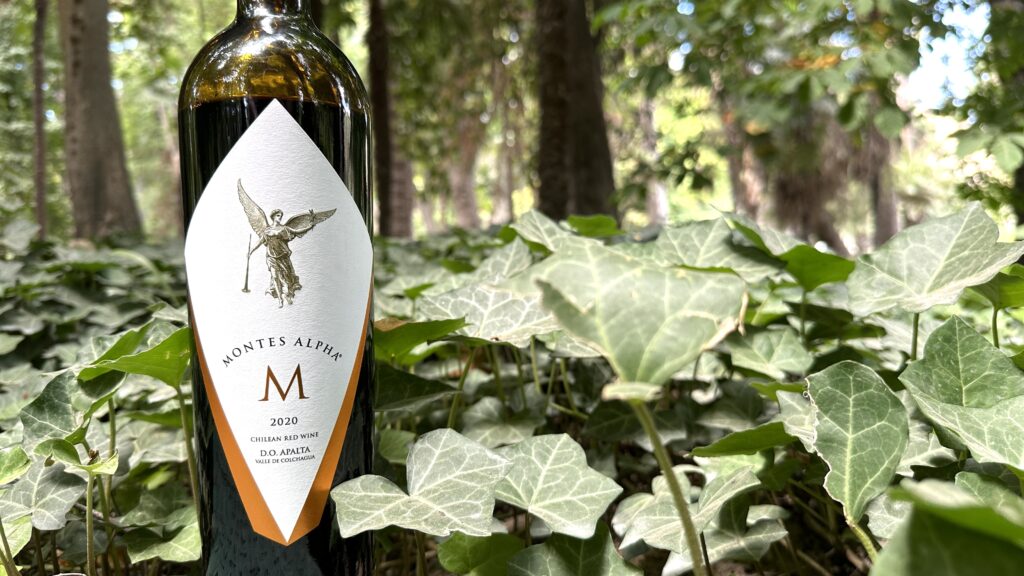
Montes – The Harmony of Wine, Feng Shui, and a Perfect Carmenère
If there’s one wine that’s come to define Chile’s reputation for world-class reds, it’s Montes Purple Angel. This wine is Carmenère at its finest—a bold, velvety, dark-fruited masterpiece that shows just how much depth and complexity this once-forgotten grape can achieve. It’s rich with flavors of blackberry, blueberry, dark chocolate, and spice, with smooth, lingering tannins that make it a dream alongside grilled meats or aged cheeses.
But Montes is more than just wine—it’s an experience. Designed with Feng Shui principles, the winery itself is a masterpiece of balance and energy, carefully constructed to harmonize with the surrounding landscape. Water flows through the property, wooden elements bring warmth, and massive windows invite natural light, creating an environment that feels as serene as it is inspiring.
And then there’s the restaurant. At Fuegos de Apalta, run by renowned Argentine chef Francis Mallmann, you can dine under the shade of grapevines, sipping a glass of Purple Angel while enjoying fire-kissed meats and vegetables. It’s a setting that turns wine into something more than a beverage—it becomes part of a moment, part of a story.
Viña Leyda – A Coastal Terroir and a Winemaker Who Knows How to Tell Its Story
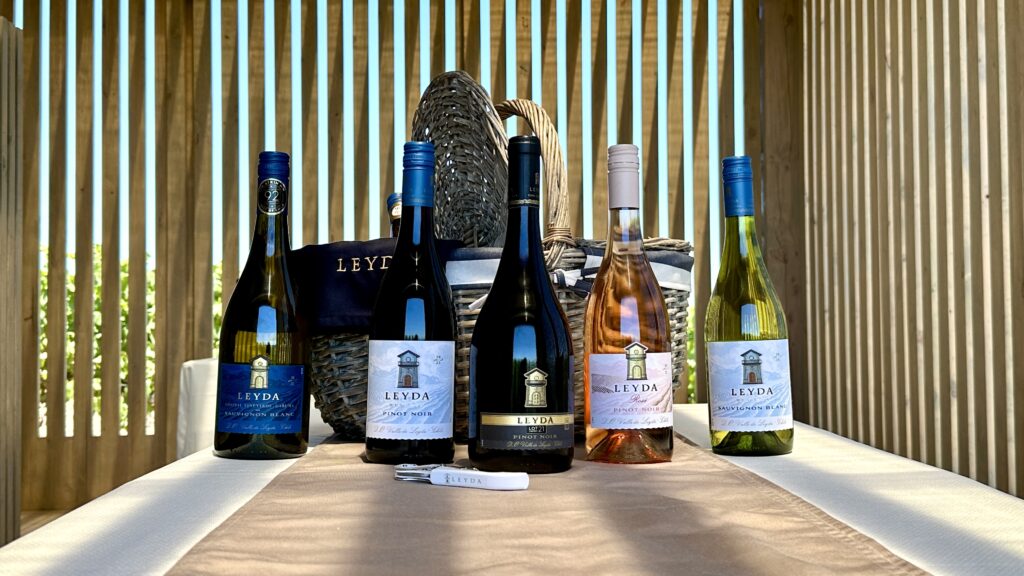
Not all great wineries have grand estates to visit—some let their wines do the talking. That’s the case with Viña Leyda, a producer that has defined what cool-climate winemaking in Chile is all about. Nestled just four kilometers from the Pacific Ocean, these vineyards are constantly kissed by ocean breezes, resulting in wines with crisp acidity, bright fruit, and undeniable freshness.
Leyda is best known for its Sauvignon Blanc and Pinot Noir, both of which carry an electric, mineral-driven character that sets them apart from their counterparts in other regions. These wines are all about terroir, and no one communicates that better than Viviana Navarrete, the winemaker who has led Viña Leyda since 2007. She’s known not just for her skill in the cellar, but for her ability to translate the vineyard’s unique climate and soil into wines that resonate with people.
While Viña Leyda itself doesn’t have a winery to visit, travelers can experience the spirit of the brand at Viña San Pedro in Cachapoal, the sister winery in the same group. There, guests can explore the broader winemaking philosophy of these estates and taste wines that embody Chile’s diverse landscapes.
Santa Rita – Where History and Wine Collide
Some wineries make great wines. Others tell great stories. Santa Rita does both.
Located in Chile’s Maipo Valley, Santa Rita isn’t just one of the country’s most celebrated wineries—it’s a place woven into the fabric of Chilean history. The estate played a role in the Chilean independence movement, when 120 soldiers took refuge here in 1814, seeking shelter during the country’s fight for freedom. That moment inspired the winery’s most famous label, “120”, a wine that pays homage to the bravery of those soldiers.
Founded in 1880 by Don Domingo Fernández Concha, Santa Rita was a pioneer in bringing French winemaking techniques to Chile, setting the stage for modern viticulture in the country. Today, the winery is known for its Cabernet Sauvignon, Merlot, and Carménère, with the flagship Casa Real Cabernet Sauvignon standing as a benchmark for high-end Chilean reds.
But Santa Rita isn’t just about the wines—it’s about the experience. Visitors can wander through its stunning gardens, visit the historic church, and even stay overnight at the Santa Rita Inn, a charming retreat that lets you immerse yourself in the vineyard lifestyle. It’s a place where history, wine, and hospitality blend seamlessly, creating something more than just a tasting—it’s a connection to Chile’s past and present.
Different Stories, One Country
Montes, Viña Leyda, and Santa Rita each tell a different tale—one about balance and energy, one about terroir and expression, and one about history and legacy. Together, they show the depth of Chilean wine, proving that it’s not just about what’s in the bottle—it’s about the stories, the places, and the people behind it.
So next time you pour a glass of Purple Angel, Leyda Pinot Noir, or Casa Real Cabernet Sauvignon, know that you’re tasting more than just wine. You’re tasting a piece of Chile’s identity.
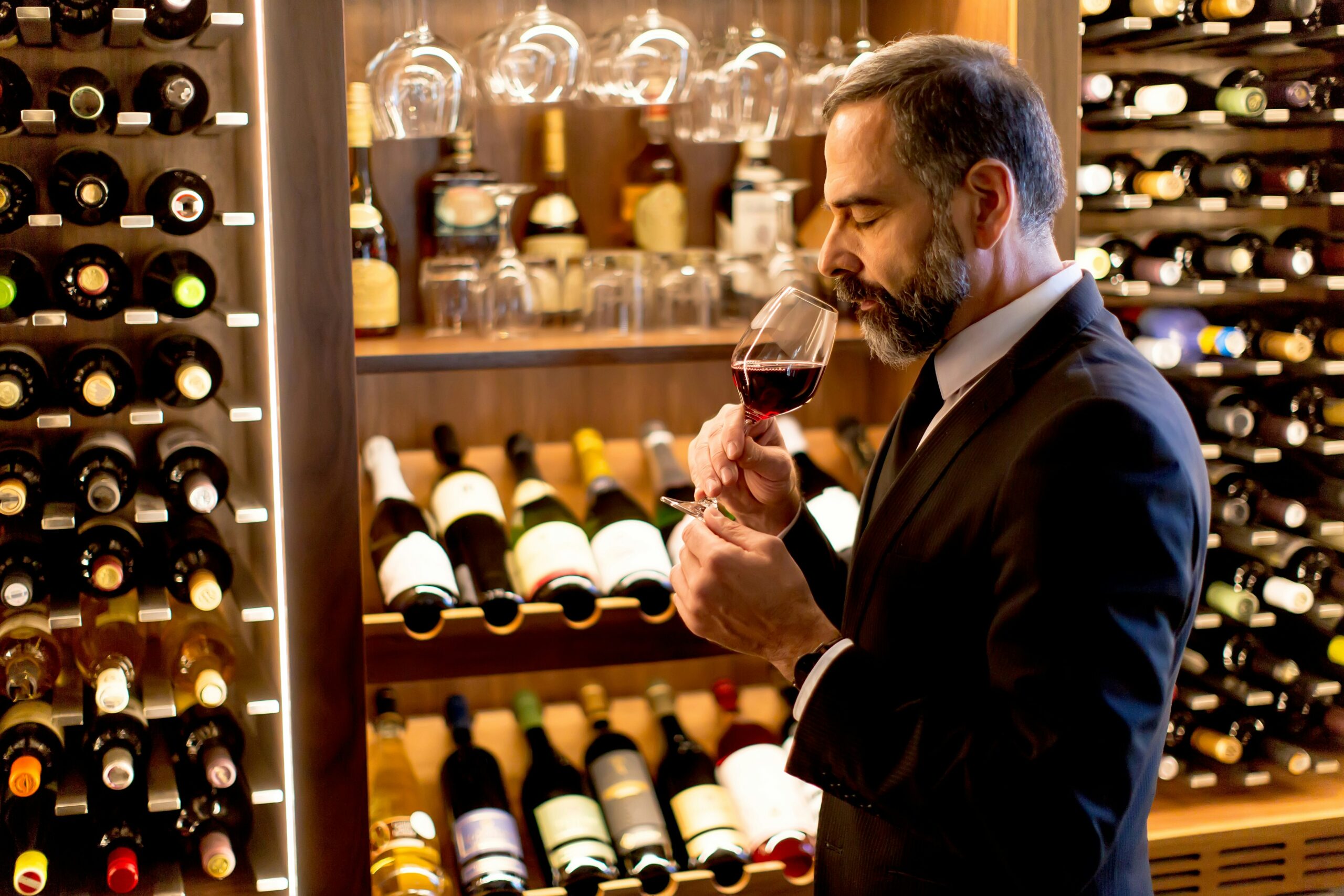
Wine tourism isn’t just growing—it’s redefining the global travel and wine industries. Far from being just “more visitors,” wine tourism represents a powerful economic force with profound benefits for wineries, local economies, and the global tourism landscape.
Consider this: the global wine tourism market was valued at an impressive $46.47 billion in 2023 and is projected to grow at a staggering 12.9% compound annual growth rate (CAGR), reaching $106.74 billion by 2030, according to Grand View Research. Future Market Insights goes even further, forecasting growth from $95.88 billion in 2024 to an astonishing $332.53 billion by 2034, reflecting a CAGR of 13.2%.
These numbers tell a clear story: wine tourism is on a meteoric rise, fueled by the global demand for experiential travel and the allure of wine-focused activities. But this is about more than numbers—wine tourists bring unique value that extends beyond visitor counts.
Why Wine Tourists Are Different
Wine tourists are not your average travelers. They’re more affluent, stay longer, spend more, and engage deeply with the destinations they visit. Here’s how they stand out:
1. Spending Power That Drives Growth
Wine tourists don’t just spend—they invest. Reports show they spend significantly more than regular tourists. In Napa Valley, wine tourists spent an average of $1,000 per visit in 2022, compared to $300–$500 for regular tourists (Wne Intelligence). Globally, wine tourism generates over $8 billion annually, encompassing wine purchases, dining, accommodations, and experiences (Vinexpo).
2. Wine Purchases: A Premium Market
Wine tourists actively support local wineries, often purchasing premium or exclusive bottles. In 2023, 52% of wine tourists bought wine directly from wineries, with average purchases ranging from $250 to $500 per visit (Wine Intelligence). For wineries, this is more than a sale—it’s a direct connection to a loyal customer base.
3. Longer Stays, Bigger Impact
Wine tourists make a destination their home for a while. In Napa Valley, the average stay for wine tourists in 2022 was 4–5 days, compared to 2–3 days for other visitors. This pattern is consistent globally; a 2023 European Travel Commission study found wine tourists often visit multiple wineries, creating extended and immersive trips that boost local economies.
4. Affluent and Experience-Driven
Wine tourists are typically older, wealthier, and more inclined to splurge on luxury experiences. With an average household income of $95,000+, many wine tourists fall into the $150,000+ range, far exceeding the income levels of the average traveler (Wine Marketing Council, 2023). Their preferences lean toward high-end accommodations, private tastings, and curated culinary experiences.
5. Regional Economic Lifeline
For rural and wine-producing regions, wine tourism is an economic lifeline. In Australia, regions like Barossa Valley and Hunter Valley collectively contribute over $3 billion annually through wine tourism. Globally, wine regions in France, Italy, Canada, and the U.S. rely on wine tourists for up to 35% of their total tourism revenue.
6. Experiential Focus
Wine tourists prioritize experiences over simple consumption. Reports by Tourism Economics (2022) show they are 2–3 times more likely than regular tourists to spend on premium activities such as vineyard tours, wine-pairing dinners, and educational seminars. This trend elevates wine tourism to an art form, making it a key player in the global travel economy.
What does all this mean? Wine is Shaping the Future of Travel
Wine tourism is much more than a niche market; it’s a driver of meaningful, sustainable growth in both the travel and wine industries. With a focus on longer stays, premium experiences, and higher spending, wine tourists deliver unparalleled economic benefits, especially to rural and wine-producing regions.
As global trends shift toward deeper, more authentic travel experiences, wine tourism stands at the crossroads of culture, economy, and sustainability—offering a journey that’s as enriching for travelers as it is for the communities they visit.
This is the kind of tourism that doesn’t just grow—it elevates.
Cheers to that.
Sources:
Wine Intelligence, Global Wine Tourism Report (2023)
Vinexpo, Wine Tourism Report (2023)
European Travel Commission, Wine Tourism Insights (2023)
Wine Marketing Council, Wine Tourist Demographics and Spending (2023)
Australian Wine Tourism Research, Economic Impact Report (2023)