Tag: Wine

  • Sunday Sips: Why Rituals Matter

    Sunday Sips: Why Rituals Matter


    By Isla Navarro, Style & Lifestyle Writer

    The Ritual That Grounds Me

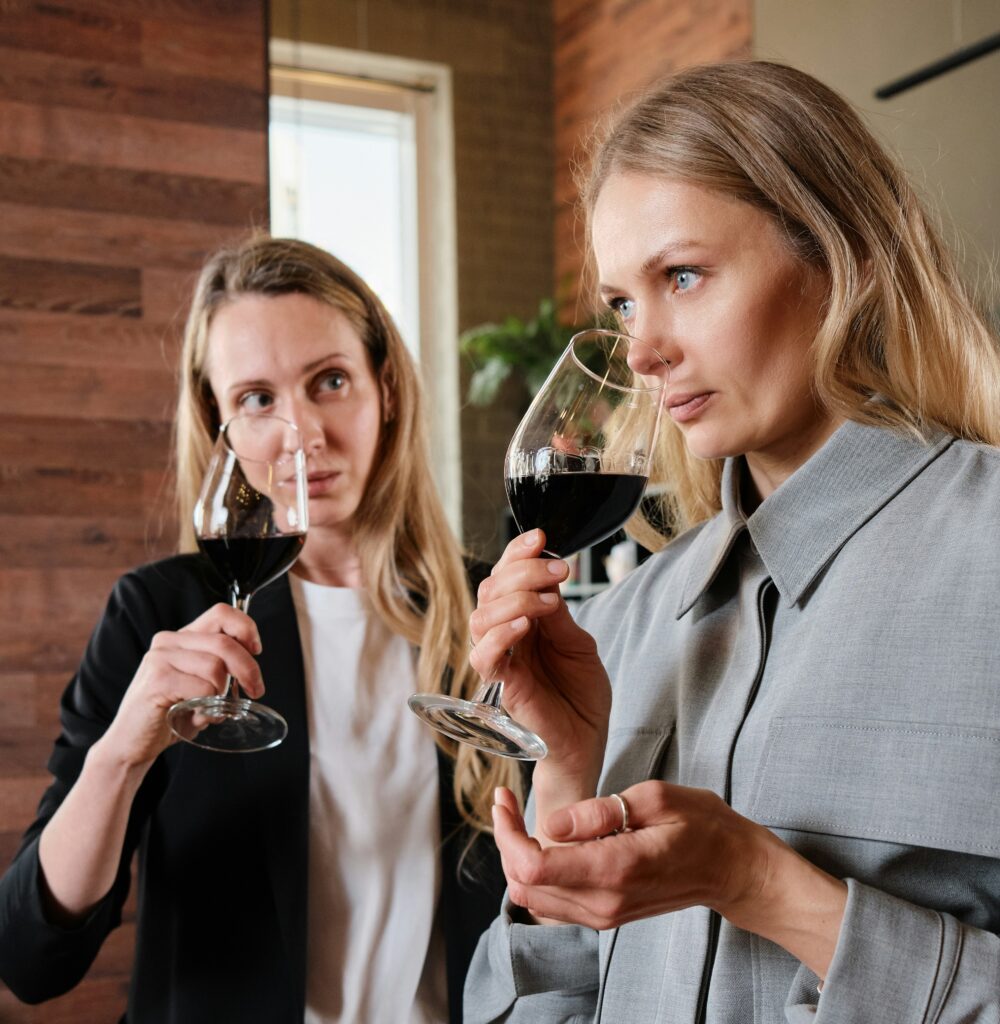
    Every Sunday at exactly 5:30 p.m., I pour myself a glass of wine. Not because it’s been a particularly long week (though it often has), not because I’m hosting anyone, and not even because it’s the trendy thing to do on Instagram. I do it because it’s mine. My little ritual. A pause. A punctuation mark between the noise of the past week and the clean slate of the one ahead.

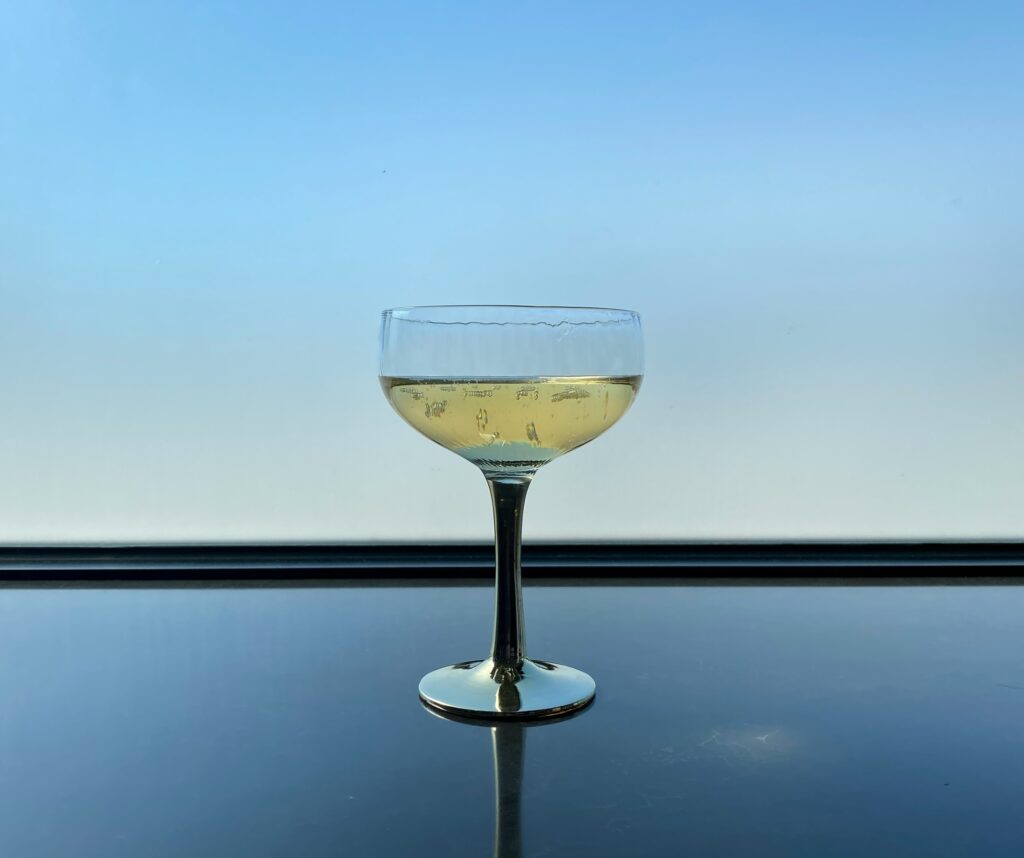
    I’m not alone in this. Among my friends—fellow creatives, stylists, and culinary obsessives—these tiny drinking traditions are sacred. Lauren has her Tuesday night whiskey after putting the kids to bed. Jordan does a negroni every Wednesday while watching reruns of Frasier. And my neighbor, an ex–pastry chef, celebrates Friday evenings with a vintage coupe of icy cold limoncello over a single cube of ice. None of us are drinking to excess. We’re sipping with intention.

    More Than Just a Drink

    There’s something about recurring rituals—especially those that involve our senses—that anchor us in a world that’s always in flux. When I sip my usual Sunday Côtes du Rhône, I’m not just tasting cherry and spice; I’m tasting quiet, reflection, and the rhythm of my own life.

    For me, that glass of wine is the equivalent of lighting a candle, rolling out a yoga mat, or putting on my comfiest cardigan. It marks a transition, a small ceremony to say: I’ve made it through another week. Let’s breathe now.
    Intentionality Is the New Luxury

    We live in a culture that often treats drinking as an all-or-nothing proposition. But ritual drinking—the slow, mindful kind—isn’t about numbing out. It’s about tuning in. To flavor. To feeling. To the environment we create around the drink itself.

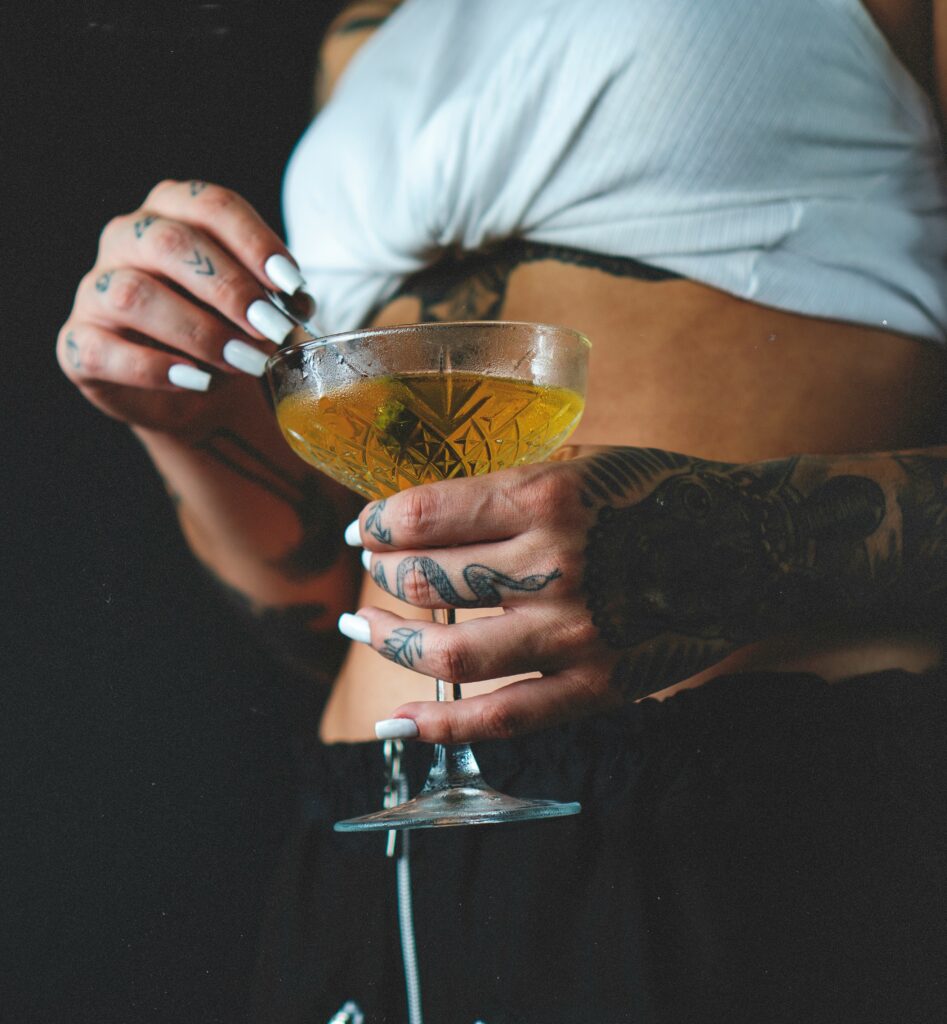
    I arrange my little tray: wine glass, coaster, a small bowl of olives. I sit on the same velvet chair by the window. I put on music—usually something soft and nostalgic. It’s a scene that reminds me that pleasure doesn’t have to be loud. Or expensive. Or performative.

    The Power of Repetition

    In a way, these rituals become chapters in the story of who we are. They give shape to time, especially in an era when days can blend together and digital noise makes everything feel urgent. Repetition doesn’t dull the magic; it enhances it.

    Sometimes my Sunday wine becomes a journaling session. Other times I just sit in silence, watching the golden light shift across the apartment. And occasionally, it turns into a spontaneous dinner party with a neighbor. The ritual is flexible, but it always starts with that single sip.

    A Toast to What Matters

    Whether it’s a morning matcha or a Saturday spritz, drinking rituals don’t have to be elaborate to be meaningful. They just need to be yours.

    So here’s to the drinks that bookend our weeks. To the small, elegant ways we make time for ourselves. To the rituals that remind us of who we are.

    And if you don’t have one yet? Start this Sunday.
  • What’s in Your Glass, Really? Understanding Wine Additives

    What’s in Your Glass, Really? Understanding Wine Additives


    Wine has long enjoyed a romantic reputation—fermented grapes, aged in oak, poured into crystal. But behind that swirl and sniff can be a surprising amount of chemistry. For drinkers who care about transparency, health, or simply knowing what’s in their glass, it’s worth exploring what winemakers are legally allowed to add to wine—and why they do it.

    Not Just Grapes: The Role of Additives in Winemaking

    While “grapes + time” might sound like the ideal equation, commercial winemaking often involves far more variables. From fermentation to bottling, dozens of additives may be used to adjust flavor, stability, appearance, and shelf life. Some are harmless and traditional. Others might give pause.

    The U.S. Alcohol and Tobacco Tax and Trade Bureau (TTB) approves over 60 wine additives, most of which don’t have to appear on a label.

    Common Additives You Might Not Know About

    Sulfites

    These are the best-known additive—and the most misunderstood. Sulfites help preserve wine and prevent oxidation. While they can trigger mild allergic reactions in a small percentage of people, most wines (even natural ones) contain them in trace amounts because sulfites are also a natural byproduct of fermentation.

    Sugar and Acidifiers

    In cool climates, grapes may not ripen fully. To balance the wine, sugar might be added to increase alcohol (chaptalization), or tartaric acid may be introduced to add freshness. Both practices are legal in some regions but banned in others, depending on tradition and regulation.

    Fining Agents

    To make wine look clear and bright, winemakers use fining agents that bind to particles and help remove them. Common ones include bentonite clay, egg whites, casein (milk protein), and isinglass (fish bladder). While these don’t remain in the final product, they’re worth noting for vegans or people with allergies.

    Flavor and Texture Enhancers

    Some mass-market wines are “adjusted” for consistency using oak chips, powdered tannins, or concentrated grape must. These tweaks can make a wine taste richer, rounder, or more approachable—but they also blur the line between wine and recipe.

    So, Should You Be Concerned?

    Not necessarily—but it depends on what kind of wine drinker you are. If you view wine as a crafted, expressive product of place, you may lean toward producers who prioritize transparency and minimal intervention. If you want consistency, affordability, and shelf stability, some additives may be a welcome part of the process.

    What’s missing is a clear label. In most countries, wine doesn’t require an ingredients list, making it difficult for consumers to make informed choices.

    How to Drink Cleaner

    Look for terms like “low-intervention,” “natural,” or “biodynamic,” though these labels aren’t always regulated. Your best bet? Seek out winemakers who share their methods publicly or buy from retailers who prioritize transparency.

    Wine is both ancient art and modern science. Understanding what’s in your glass won’t ruin the romance—it’ll deepen your appreciation for how complex, and carefully crafted, that glass really is.

  • Wine and Wellness: Can You Drink Mindfully?

    Wine and Wellness: Can You Drink Mindfully?


    Wine culture and wellness might seem like an unlikely pairing. One conjures images of indulgent evenings and candlelit dinners, the other of green juice and yoga mats. But in a world increasingly drawn to balance over extremes, the two are no longer at odds. In fact, the intersection of wine and wellness is becoming its own lifestyle—one rooted in mindfulness, moderation, and deeper connection to what we consume.

    So can you drink wine and still prioritize your well-being? Experts—and a new wave of conscious consumers—say yes.

    Mindful Drinking Is a Movement

    Mindful drinking isn’t about abstinence. It’s about awareness—of what you’re drinking, how much, and why. “The goal is to enjoy alcohol in a way that enhances your life, rather than numbs or distracts from it,” says registered dietitian Melissa Liu. “Wine can absolutely be part of a healthy routine, when consumed intentionally.”

    That shift is reflected in changing habits. More people are swapping binge culture for “low and slow” sipping. Dry January has given rise to “Damp Lifestyle”—a year-round approach where drinking is occasional, social, and savored. And wine fits naturally into this ethos, especially when treated as an experience rather than a routine.

    The Wellness Side of Wine

    Let’s start with the facts: red wine contains antioxidants like resveratrol, which has been linked to heart health. Moderate wine consumption (usually defined as one glass per day for women, two for men) has also been associated with longevity in studies of Mediterranean diets.

    But wellness goes beyond biochemistry. “When people drink wine with a sense of occasion, paired with good food and conversation, the psychological benefits are just as real,” says holistic health coach Javier Ortega. “It’s about connection—to others, to tradition, to place.”

    The Rise of Better-for-You Bottles

    Wine producers are taking note of the demand for wellness-conscious options. Natural wines—made with minimal intervention, fewer sulfites, and no added sugar—are booming. Low-alcohol and even alcohol-removed wines are becoming more refined and flavorful, appealing to those who want the taste without the buzz.

    “There’s a new generation of winemakers who prioritize purity,” says Sofia Beltran, co-founder of a sustainable vineyard in Chile. “We see wine as part of a healthy lifestyle, one that honors the earth and the body.”

    Drinking with Intention

    So how can you drink wine more mindfully? Start with quality over quantity. Choose wines made with care and transparency. Take your time with each sip. Pair it with food. Share it with people you care about. And most importantly, listen to your body.

    “A glass of wine can be a beautiful ritual,” says Liu. “The key is tuning into how it makes you feel—physically, emotionally, energetically. That’s wellness, too.”

    A Culture Shift in the Making

    Gone are the days when indulgence had to mean excess. In today’s evolving food and drink landscape, pleasure and health aren’t opposites. They’re partners. And wine, with its centuries-old history and ever-expanding possibilities, is perfectly positioned to lead that conversation.

    Whether you’re exploring biodynamic bottles or just slowing down your Friday night pour, one thing is clear: mindful drinking isn’t about drinking less—it’s about experiencing more.

  • Sustainable Sips: Eco-Friendly Wine Brands Leading the Way

    Sustainable Sips: Eco-Friendly Wine Brands Leading the Way

    The world of wine is experiencing a major shift, and it’s not just about the grapes anymore. As consumers grow more conscious of their environmental footprint, wineries are stepping up to meet the demand for sustainable, eco-friendly practices. From organic farming to eco-conscious packaging, the wine industry is increasingly focusing on sustainability—and it’s a trend that’s here to stay.

    Why Sustainability Matters in the Wine World

    Wine production can have a pretty hefty environmental impact. Pesticides, water use, transportation, and packaging all play a role in the carbon footprint of a bottle of wine. But the good news is, the industry is making great strides to reduce that impact. With global temperatures rising and concerns over the environment growing, wineries are looking for ways to preserve the land they rely on and ensure future generations can continue to enjoy great wine.

    Sustainable practices in winemaking often start with the vineyard. Many producers are turning to organic or biodynamic farming, using fewer chemicals and working in harmony with the land. These practices aren’t just better for the environment—they also produce better wines by allowing the true character of the land to shine through. But sustainability doesn’t end there; it also extends to packaging, transportation, and water conservation. By adopting greener practices at every step of the production process, wineries are making wine in a way that’s better for the planet—and better for the wine drinker too.

    Top Sustainable Wine Brands to Try

    If you’re looking to drink with a conscience, there’s no shortage of eco-friendly wines to choose from. Here are just a few standout sustainable wine brands that are leading the charge:

    Bonterra Organic Vineyards
    This California winery is a pioneer in organic and biodynamic farming. Bonterra’s commitment to sustainability goes beyond the vineyards—they use eco-friendly packaging and renewable energy to power their facilities. The result is a range of wines that are as good for the earth as they are for your taste buds.

    Frey Vineyards
    Frey Vineyards is the first California winery to become certified organic and biodynamic. They also offer a range of vegan wines, making them an excellent choice for environmentally conscious and plant-based drinkers. Their commitment to sustainability doesn’t stop at farming—they also use sustainable packaging and work to reduce waste in every aspect of their production.

    The Organic Wine Company
    This company offers a curated selection of organic wines from around the world. They focus on environmentally responsible vineyards that produce wines without synthetic pesticides or fertilizers. The Organic Wine Company is a great choice for anyone looking to enjoy wines that are both good for the planet and full of flavor.

    Rombauer Vineyards
    Rombauer Vineyards may be best known for their award-winning Chardonnay, but they’re also making waves in the sustainability space. They use sustainable farming practices, including water conservation and integrated pest management, to reduce their environmental impact. Plus, their commitment to eco-friendly packaging makes them a great choice for eco-conscious wine lovers.

    Stella Rosa Wines
    This popular Italian wine brand is committed to sustainability in every aspect of production. From the vineyards to the bottling process, Stella Rosa takes care to minimize their environmental impact. They also use eco-friendly glass bottles and are constantly working to reduce their carbon footprint.

    How You Can Drink Sustainably

    It’s easier than ever to enjoy a glass of wine that’s good for the planet. The next time you’re picking out a bottle, look for certifications like Certified Organic, Biodynamic, or Sustainably Farmed to ensure the wine was produced with environmentally friendly practices. Many wineries are also shifting to lighter glass bottles, which use less energy to produce and transport.

    Another way to enjoy sustainable wine is by supporting local producers. Many small-scale, sustainable wineries rely on local markets to sell their wines, reducing transportation emissions and supporting the community.

    Drinking sustainably isn’t just about feeling good—it’s about ensuring that the wine we love will still be around for future generations to enjoy. As the wine industry becomes more eco-conscious, it’s important for consumers to support those efforts. By choosing wines from sustainable brands, we’re not only enjoying exceptional wines, but we’re also making a positive impact on the planet.

    So, next time you raise your glass, why not choose one that’s been produced with care for the environment? Sustainable wines are a win-win for both the earth and your taste buds. Cheers to that!

  • The Winter of Cabernet Franc: Why This Red is Dominating 2025

    The Winter of Cabernet Franc: Why This Red is Dominating 2025

    Cabernet Franc has been quietly working its way into the spotlight, and in 2025, it’s definitely having a moment. Once considered more of a supporting player in Bordeaux blends, it’s now showing up in the limelight all on its own. With its fresh, approachable vibe and super versatile flavors, Cabernet Franc is stealing the show—and here’s why you should pay attention.

    What’s So Special About Cabernet Franc?

    So why is this red suddenly getting so much love? Well, for starters, Cabernet Franc is the kind of wine that works in all sorts of climates. Whether it’s from France’s Loire Valley, California’s Napa Valley, or even the Pacific Northwest, Cabernet Franc brings something special to the table. Unlike Cabernet Sauvignon, which can be big and bold, Cabernet Franc tends to be a little lighter and more drinkable, which makes it perfect for a wide variety of palates.

    What really makes this wine pop is its unique flavor profile. Imagine fresh red fruits like raspberries and cherries, mixed with hints of green bell pepper, tobacco, and sometimes even a little floral note. It’s complex, but not too overpowering—just the right balance between fruitiness and herbal undertones. It’s like a breath of fresh air in a world of heavier reds.

    Where’s It Grown?

    In places like Napa Valley and Paso Robles, California has started to take notice of Cabernet Franc’s potential. But it’s not just California leading the charge—areas like New York’s Finger Lakes and Washington’s Columbia Valley are starting to produce fantastic bottles as well. What’s cool is that Cabernet Franc can adapt to different regions, so no matter where it’s grown, it reflects the unique flavors of that place.

    Even in its traditional home, France’s Loire Valley, Cabernet Franc has been thriving for ages. But now, more winemakers are realizing how special it is as a stand-alone wine, rather than just a blending grape. Whether you’re in the U.S. or France (or anywhere in between), you’re bound to find some amazing Cabernet Franc bottles to try.

    Why 2025 is Cabernet Franc’s Year

    If you haven’t tried Cabernet Franc yet, now’s the time. It’s the perfect red for people who want something fresh and flavorful without the heaviness of other reds. Whether you’re sipping it on its own or pairing it with food, this wine is quickly becoming a go-to for wine lovers everywhere.

    What makes it even better is that it’s not just a “drink now” wine—Cabernet Franc ages beautifully, so collectors are also getting excited about it. Whether you’re a casual wine drinker or a collector, this is one wine that’s definitely worth adding to your list.

    What to Pair It With

    The best part about Cabernet Franc is how well it pairs with food. Thanks to its light body and bright acidity, it’s a fantastic match for all sorts of dishes. Try it with grilled meats like lamb or roast chicken, or go for roasted veggies and mushrooms if you’re looking for something a little lighter. It also pairs beautifully with cheese—think Brie, Camembert, or even something sharper like Gruyère. The freshness of the wine cuts through the richness of the cheese, making it a winning combo.

    Cabernet Franc is having its moment, and for good reason. It’s got a unique flavor profile, it’s easy to drink, and it pairs perfectly with food. Whether you’re new to this wine or a long-time fan, now is the perfect time to explore everything it has to offer. With so many incredible bottles out there, it’s safe to say that Cabernet Franc is no longer just a blend—it’s a star in its own right.

    So next time you’re in the wine store or browsing your wine list, be sure to give Cabernet Franc a try. You won’t regret it.

  • Easy Tips on The Art of Wine Pairing

    Easy Tips on The Art of Wine Pairing

    Wine Education

    Wine pairing is about finding harmony between your drink and your dish. A few simple principles can elevate your dining experience, helping flavors shine together rather than compete. Here’s a contemporary guide to mastering the art of pairing wine and food.

    1. Match Intensity: Pair wine and food with similar weight and flavor intensity. Light dishes, like salads or seafood, work beautifully with light-bodied wines such as Sauvignon Blanc or Pinot Grigio. Richer dishes—think steak or stews—call for robust reds like Cabernet Sauvignon or Malbec. The key is balance: neither the wine nor the dish should overpower the other.

    Quick Pairing Examples:

    • Light: Sauvignon Blanc with a Caprese salad or citrus-marinated shrimp.

    • Medium: Pinot Noir with mushroom risotto.

    • Heavy: Cabernet Sauvignon with ribeye steak or lamb stew.

    2. Balance Acidity: Acidity in wine brightens flavors and cuts through richness. High-acid wines, like Albariño or Sauvignon Blanc, complement dishes with acidity, such as vinaigrettes or citrus-infused seafood. For creamy or buttery dishes, choose moderate-acid wines like Chardonnay.

    Quick Pairing Examples:

    • High-Acid Wines: Albariño with ceviche or Greek salad.
    • Moderate-Acid Wines: Chardonnay with scallops in cream sauce.
    • Low-Acid Wines: Malbec with BBQ ribs.

    3. Sweetness and Spice: A touch of sweetness in wine can tame spicy dishes or enhance desserts. Off-dry Rieslings are perfect for Thai or Indian cuisine, while sweet wines like Sauternes pair excellently with rich desserts or salty cheeses. The rule is simple: match or exceed the dish’s sweetness to avoid clashes.

    Quick Pairing Examples:

    • Sweet: Sauternes with crème brûlée.
    • Off-Dry: Gewürztraminer with spicy curry.
    • Dry: Prosecco with oysters.

    4. Understand Tannins: Tannins, found in red wines, bring structure and texture. High-tannin wines like Cabernet Sauvignon pair well with fatty, protein-rich dishes, as tannins cut through the richness. For more delicate flavors, choose wines with lower tannins, such as Pinot Noir.

    Quick Pairing Examples:

    • High-Tannin: Cabernet Sauvignon with lamb chops.
    • Moderate-Tannin: Merlot with roast turkey.
    • Low-Tannin: Pinot Noir with grilled salmon.

    5. Regional Pairing: The phrase “What grows together goes together” often holds true. Regional pairings celebrate the natural harmony between local foods and wines. For instance, Italian Chianti complements pasta dishes, while Oregon Pinot Noir pairs well with Pacific Northwest salmon.

    Quick Pairing Examples:

    • Italian: Chianti with spaghetti carbonara.
    • French: Burgundy with coq au vin.
    • Local: Oregon Pinot Noir with salmon.

    6. Mind the Texture: The texture of food and wine affects the pairing. Creamy dishes, like risotto or Alfredo, pair well with wines with a similar mouthfeel, such as buttery Chardonnay. Light, crisp dishes, like oysters, go best with zesty wines like Sauvignon Blanc.

    Quick Pairing Examples:

    • Creamy: Chardonnay with lobster bisque.
    • Crisp: Sauvignon Blanc with oysters.
    • Smooth: Pinot Grigio with poached halibut.

    7. Explore and Experiment: Some of the most delightful pairings come from stepping outside the rules. Try unconventional combinations, like a dry rosé with sushi or a Nebbiolo with mac and cheese. Experiment with seasonal pairings, such as Zinfandel at a summer barbecue or Port by the fire in winter.

    Quick Pairing Examples:

    • Adventurous: Viognier with Thai curry or rosé with sushi.
    • Seasonal: Syrah with hearty fall stews.

    8. Trust Your Taste: At the end of the day, the best pairing is the one you enjoy. These guidelines are a starting point, but your preferences matter most. Whether it’s a favorite Merlot with roast chicken or Moscato with dessert, trust your instincts and savor every sip.

    Wine pairing is both an art and a journey. Use these tips to guide your exploration but remember; the best discoveries often happen when you follow your own palate. Cheers!