There are moments when a single sip or bite sends you tumbling backward in time. The scent of cinnamon recalls your grandmother’s kitchen. A spoonful of tomato soup brings back sick days home from school. One taste, and you’re there again—eyes closed, heart open, memory awakened.
This is the power of flavor memory. And for chefs, mixologists, and winemakers, it’s one of the most potent storytelling tools they have.
The Science Behind Flavor and Memory
Taste and smell are intimately tied to the limbic system—the part of the brain that processes emotion and memory. Unlike sight or sound, which pass through multiple processing centers, smell and taste go directly to the brain’s emotional core.
That’s why flavor memories are often more vivid, emotional, and enduring. You don’t just remember the meal—you remember how you felt when you ate it, who you were with, even what the light looked like in the room.
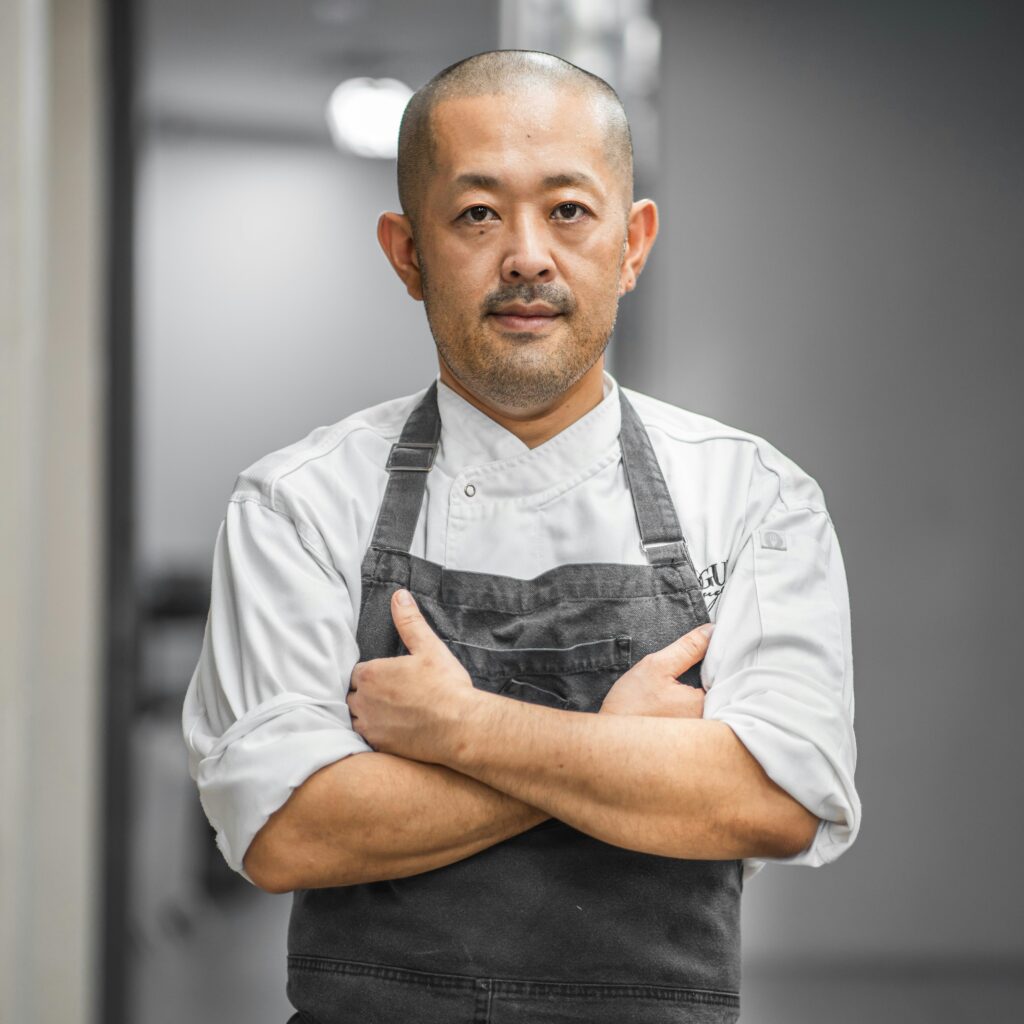
Chefs Who Cook With Memory
For many chefs, crafting a dish starts not with ingredients, but with emotion. A dish might be a love letter to a childhood meal or a reinterpretation of something once served on a plastic tray. It’s about honoring where they’ve been.
Take the trend of elevated comfort food: mac and cheese with truffles, gourmet PB&J, or a delicate broth that echoes the soups of someone’s youth. These are more than just upgrades—they’re invitations to connect, to feel, to remember.
Cocktails That Tell Stories
Bartenders and mixologists also tap into nostalgia, using aroma and flavor to evoke specific moments. A cocktail might replicate the scent of a forest after rain or mimic the flavors of a childhood treat, like orange creamsicle or cherry cola—reimagined, of course, with nuance and craft.
Smoke, spice, citrus zest—these elements aren’t just decorative. They’re sensory cues that tug at memory. One whiff, and suddenly, it’s summer, or winter break, or a first date.
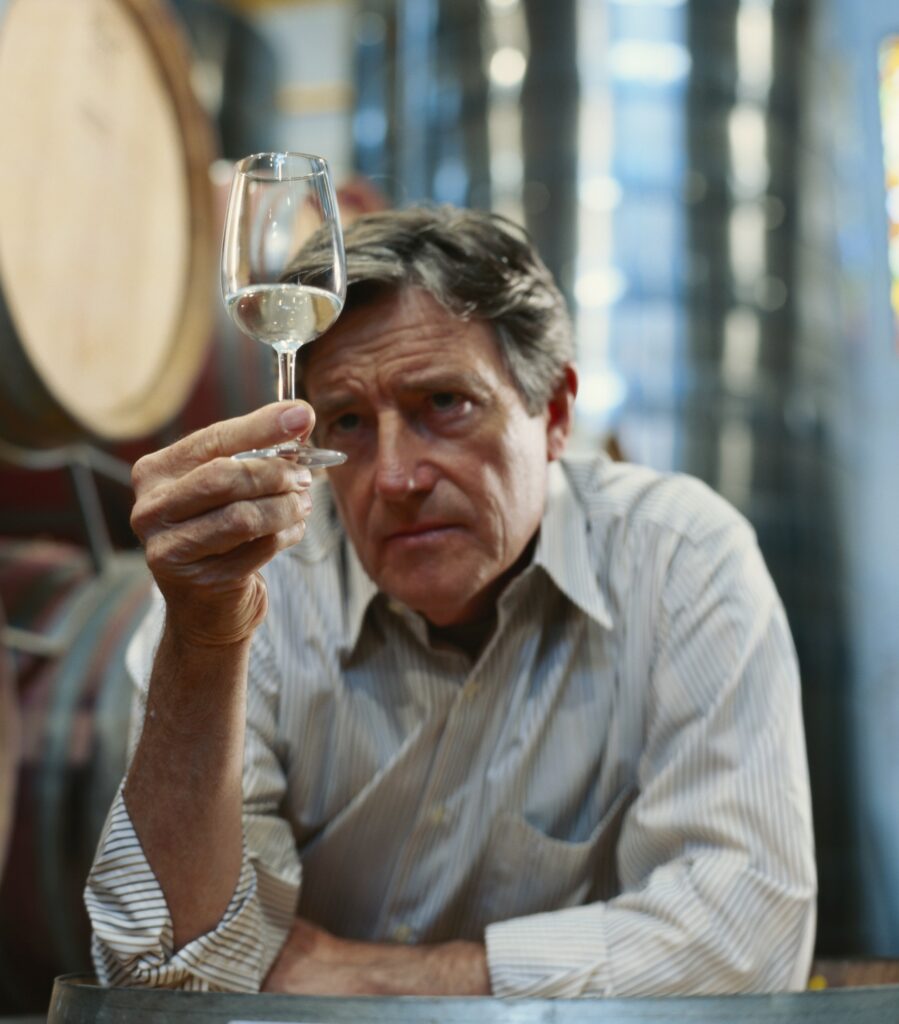
Winemakers and the Taste of Place
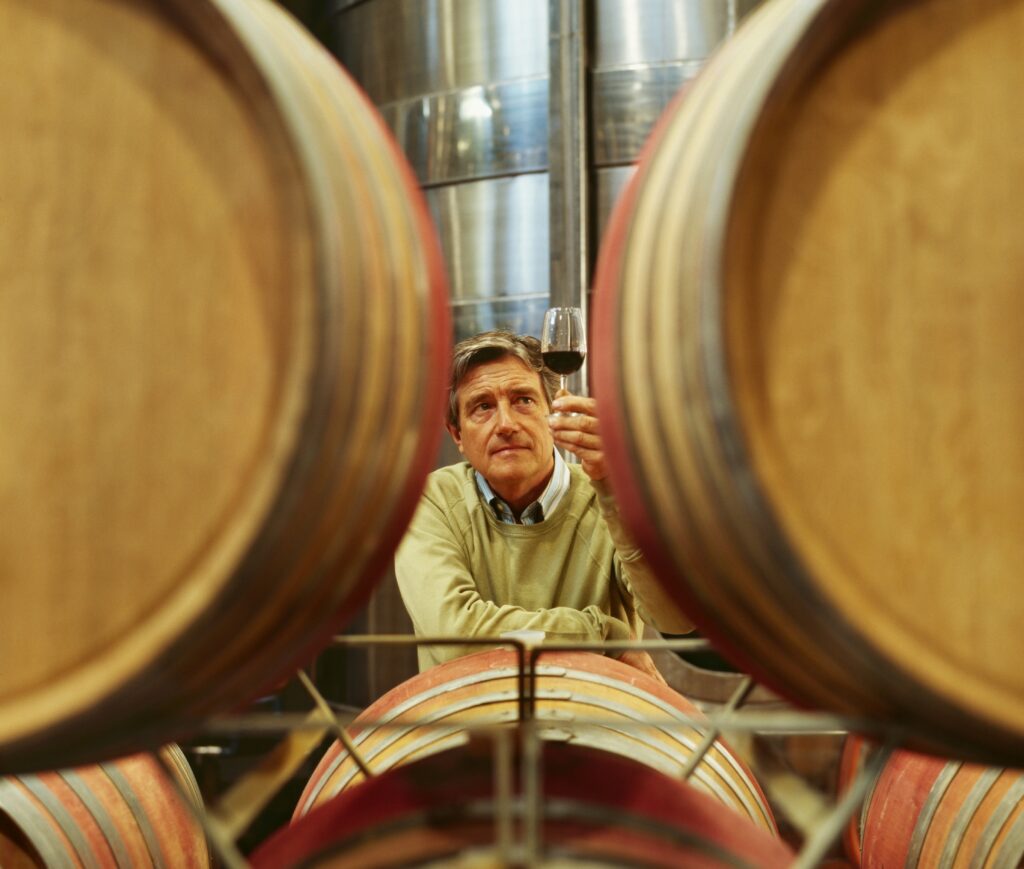
Wine is memory in a bottle. It captures a specific harvest, a season, a soil. For winemakers, the idea of terroir—how climate, land, and tradition shape a wine—adds a nostalgic weight to every glass. Drinking wine made from old vines or traditional methods is like drinking history itself.
And for many wine lovers, one bottle can become a personal time capsule: the one served at your wedding, the vintage from your gap year in Europe, the rosé that defined a beach trip.
Telling Stories Through the Senses
Ultimately, flavor memory is about emotion. Food and drink are never just fuel—they’re experience. And when chefs, bartenders, and vintners understand that, they don’t just serve something delicious. They create moments that stick with us.
In a world moving fast, it’s grounding to know that one bite, one sip, can take us home.