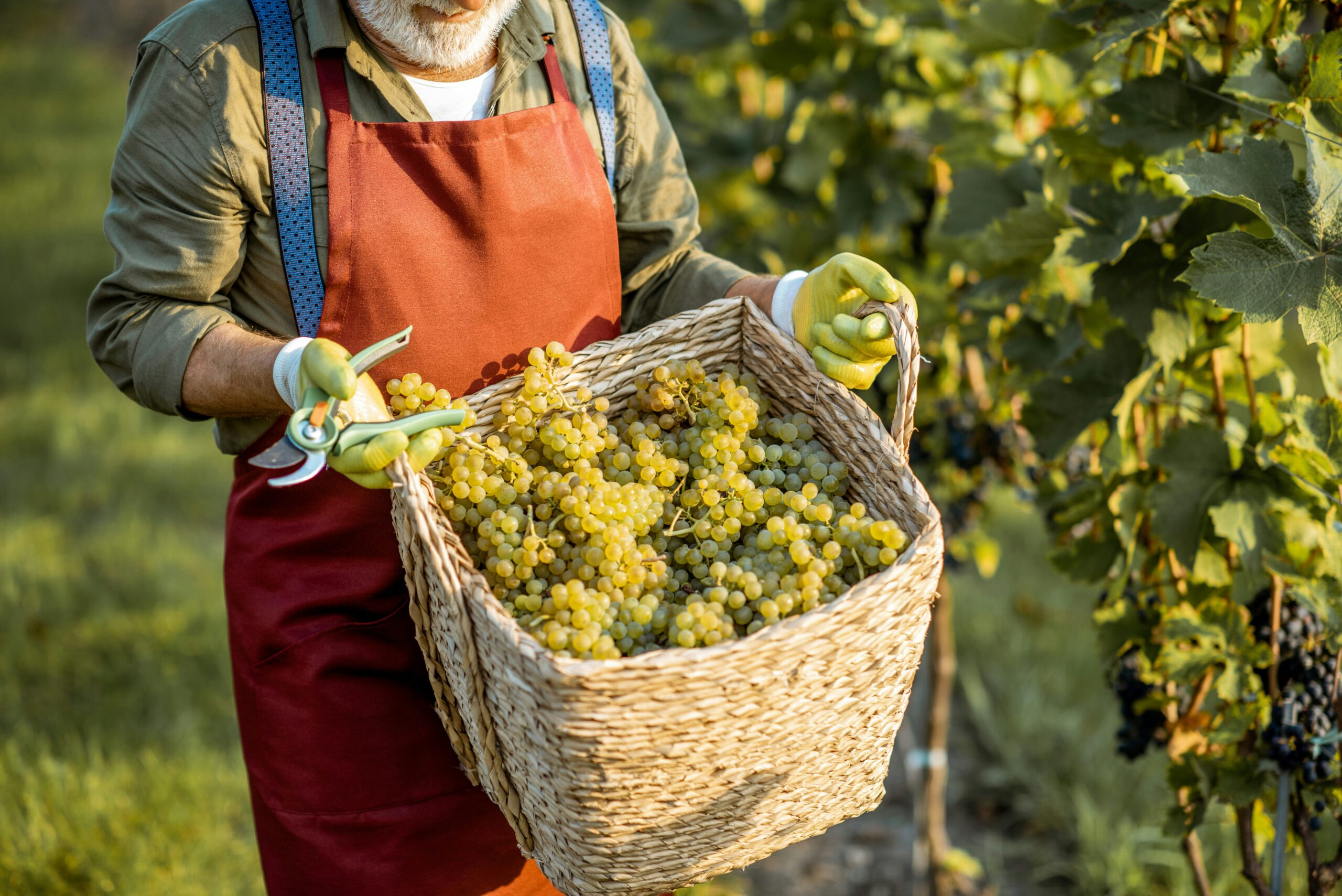
The next time you raise a glass, consider what’s behind it—not just the grapes, grains, or botanicals, but the choices made in how they were grown, processed, and packaged. Across winemaking, brewing, and distilling, a quiet revolution is reshaping how your favorite drinks are made. This isn’t about buzzwords or fleeting trends. It’s about building a better booze industry from the ground up.
Soil First, Always
Whether it’s wine grapes in Sonoma or barley in Scotland, the future of flavor begins underground. More winemakers and brewers are shifting toward regenerative agriculture—farming practices that don’t just minimize harm but actively improve soil health. Think cover cropping, composting, minimal tilling, and ditching synthetic fertilizers in favor of organic methods.
Healthy soil doesn’t just produce better crops. It captures carbon, boosts biodiversity, and supports long-term resilience. In a world of climate extremes, that’s not just ethical—it’s essential.
Rethinking Waste From Start to Finish
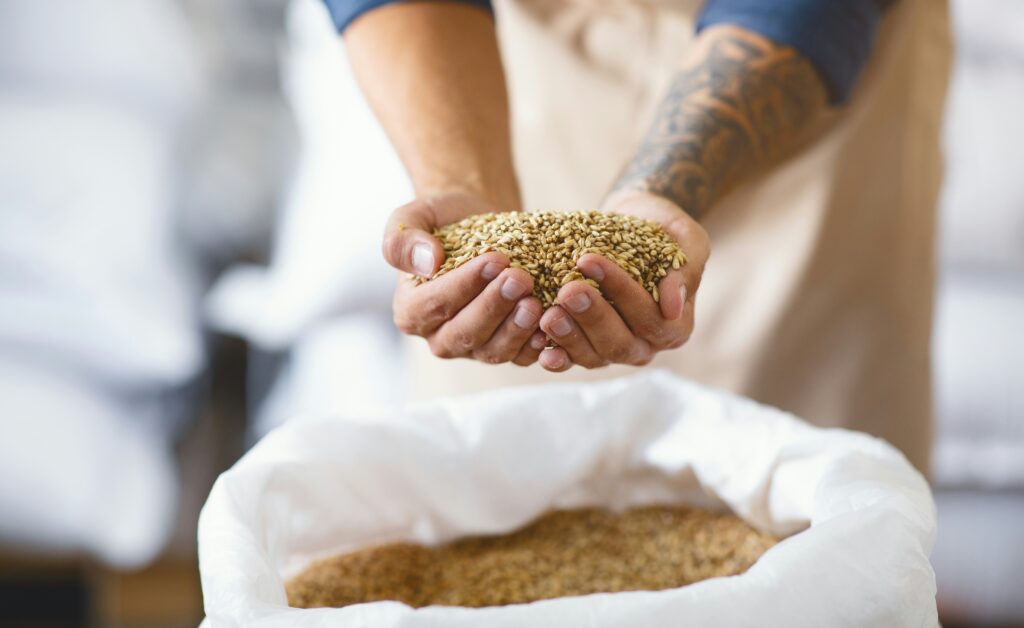
Traditional alcohol production can be shockingly wasteful. Think of the water it takes to clean equipment, the grape skins discarded after pressing, or the energy used in glass bottle manufacturing. Ethical producers are addressing these challenges at every step.
Some breweries are repurposing spent grain into dog treats or baked goods. Distilleries are turning peels and pulp into biofuel. Wineries are moving toward lighter bottles or even eliminating glass entirely in favor of recycled aluminum or compostable packaging. Zero-waste may still be a lofty goal, but incremental changes are adding up fast.
Real Sustainability Beats Trendy Greenwashing
It’s tempting to slap “eco-friendly” on a label and call it a day. But conscious consumers are increasingly skeptical of vague claims. The new standard for ethical booze is transparency—clear information about sourcing, production practices, and packaging choices.
Third-party certifications like organic, biodynamic, or B Corp can help, but they’re not the only markers. Many producers are inviting drinkers behind the curtain, offering digital traceability, open farm visits, and candid data on their carbon footprint.
In short: the brands that build trust are the ones that show their work.
People Matter Too
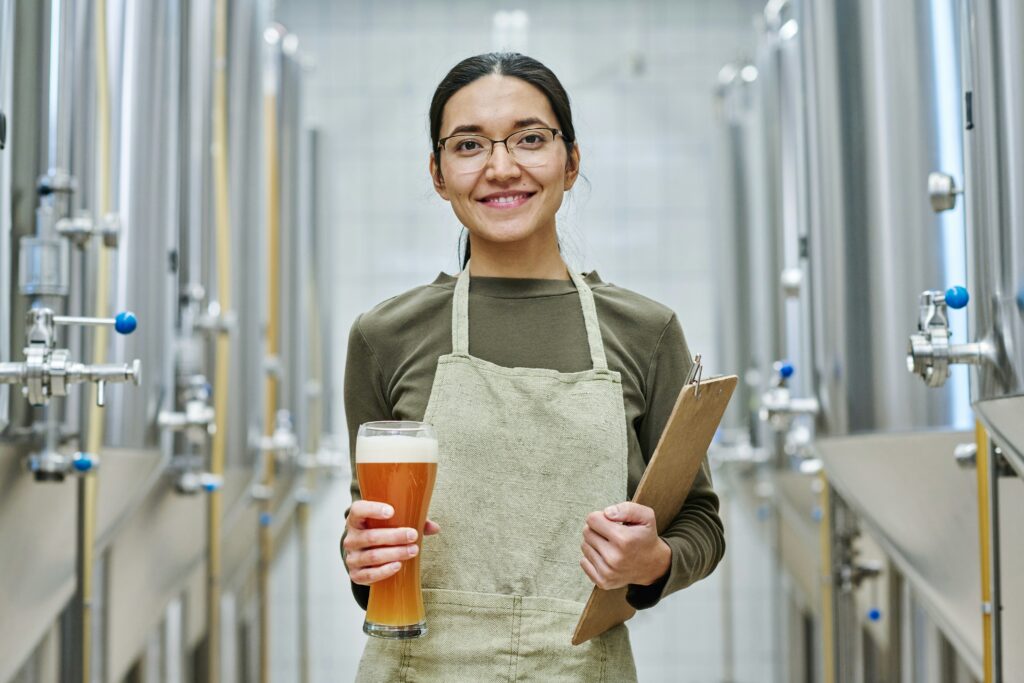
Sustainability isn’t just about the planet—it’s about people. Ethical alcohol means fair wages for farmworkers, safe conditions for production staff, and equitable ownership models. Some craft operations are going even further, investing in cooperatives, profit-sharing, or community reforestation projects.
The future of booze isn’t just “better for the Earth.” It’s better for everyone in the chain.
What You Can Do as a Drinker
You don’t need to overhaul your bar cart overnight. But you can start small: look for producers who are transparent about their sourcing. Support local or low-intervention makers. Pay attention to packaging. Ask questions.
Ultimately, ethical drinking is about more than choosing what’s in your glass. It’s about aligning your enjoyment with your values—and supporting the kind of future you want to toast to.