Blog

  • Eat Up Thailand Launches January 1 — Where Authentic Thai Cooking Meets Everyday Ease

    Eat Up Thailand Launches January 1 — Where Authentic Thai Cooking Meets Everyday Ease

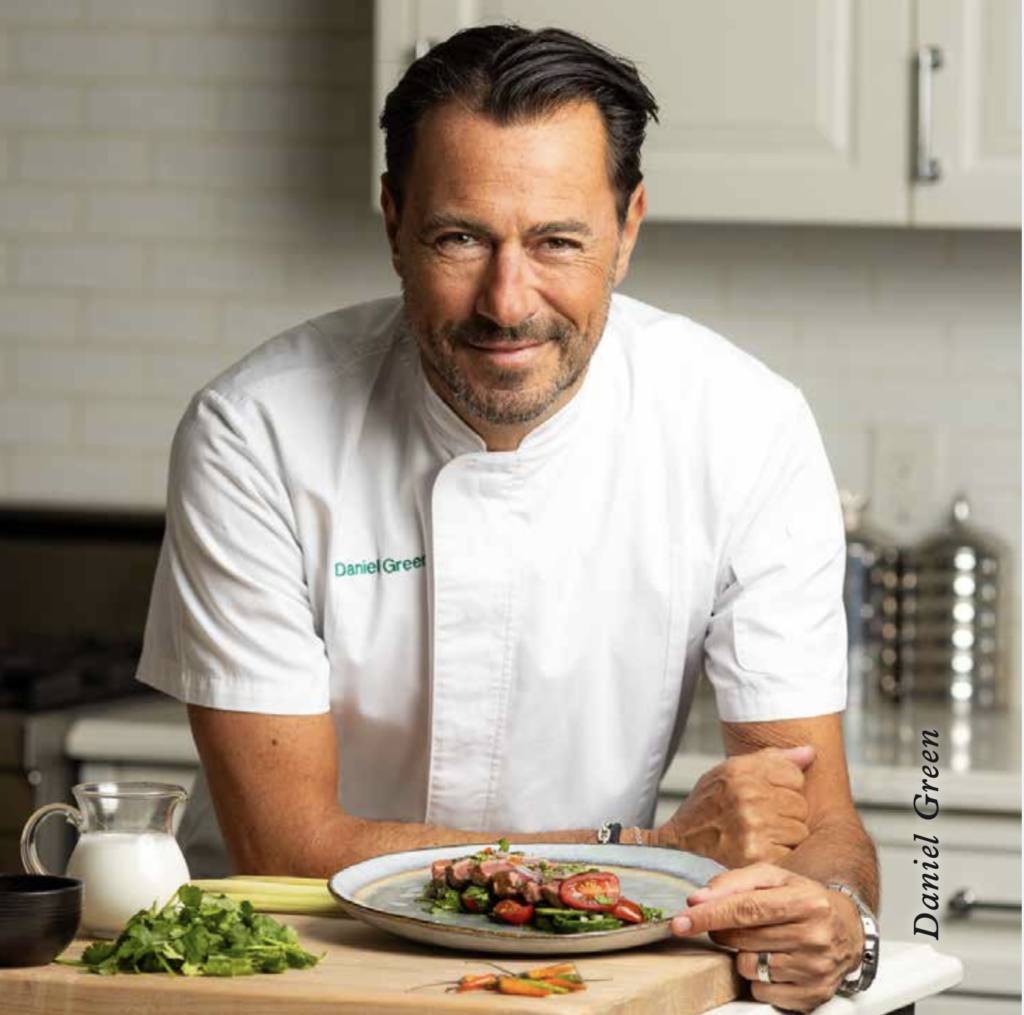
    On January 1, Tasted.TV kicks off the new year with a series that feels both transportive and refreshingly doable. Eat Up Thailand, hosted by chef, author, and wellness advocate Daniel Green, invites viewers to experience Thai cuisine not as something intimidating or out of reach, but as food that can be cooked, shared, and enjoyed at home — without losing its soul.

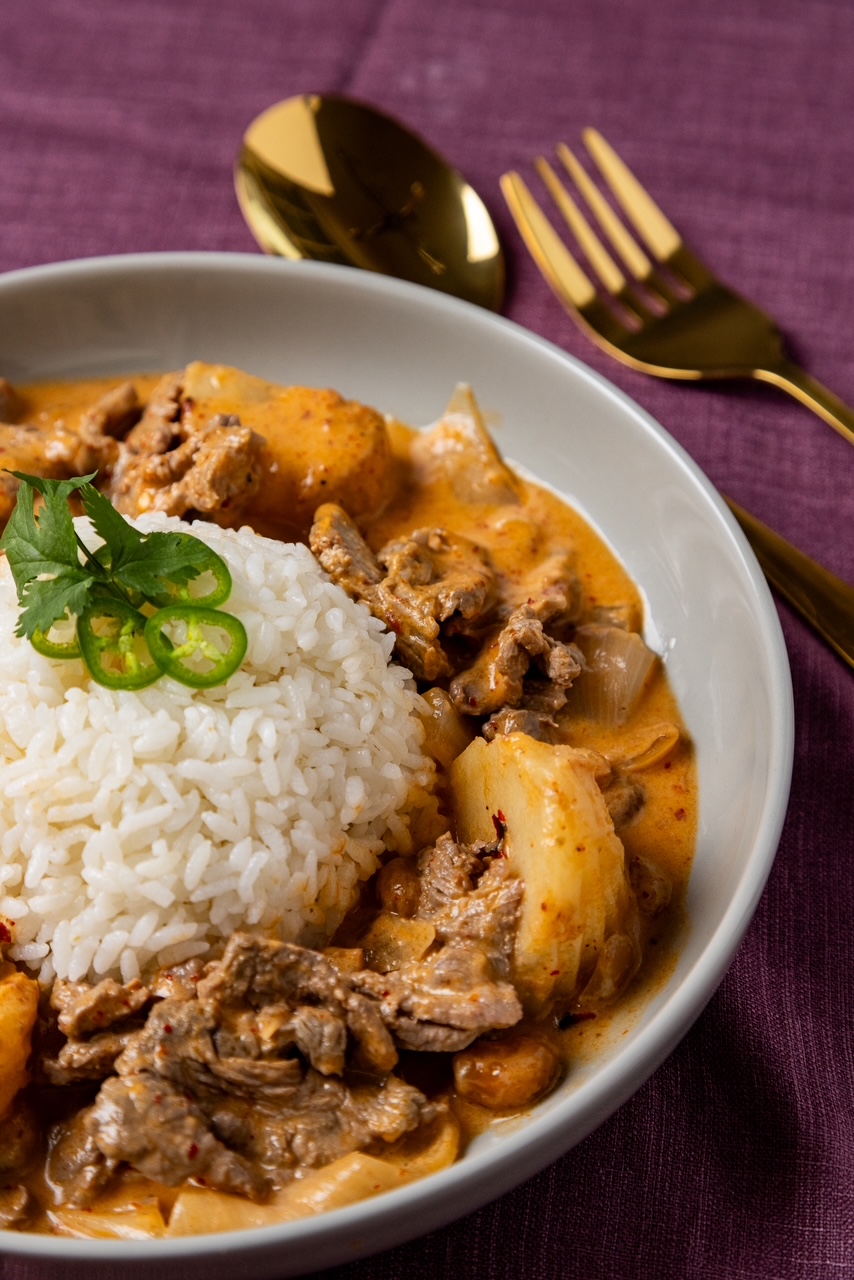
    Across 10 beautifully shot episodesEat Up Thailand delivers three recipes per episode, each grounded in authentic Thai flavors yet designed for real kitchens, real schedules, and real cooks. It’s a show built on a simple but powerful idea: great food doesn’t need to be complicated to be extraordinary.

    Authentic, But Approachable

    Thai food is often admired from a distance — bold, fragrant, complex, and sometimes assumed to be difficult. Eat Up Thailand quietly dismantles that myth. Daniel Green’s approach is rooted in respect for tradition, but shaped by years of teaching people how to cook better, healthier meals without stress.

    Throughout the series, he shares smart shortcuts, ingredient swaps, and time-saving techniques that don’t compromise flavor. From clever prep hacks to pantry substitutions that still honor the dish, the focus is always on making Thai cooking accessible — whether you’re an experienced home cook or someone just starting to explore the cuisine.

    The recipes are authentic, but the tone is welcoming. This isn’t about perfection. It’s about confidence, curiosity, and cooking with joy.

    From Bangkok to Your Kitchen

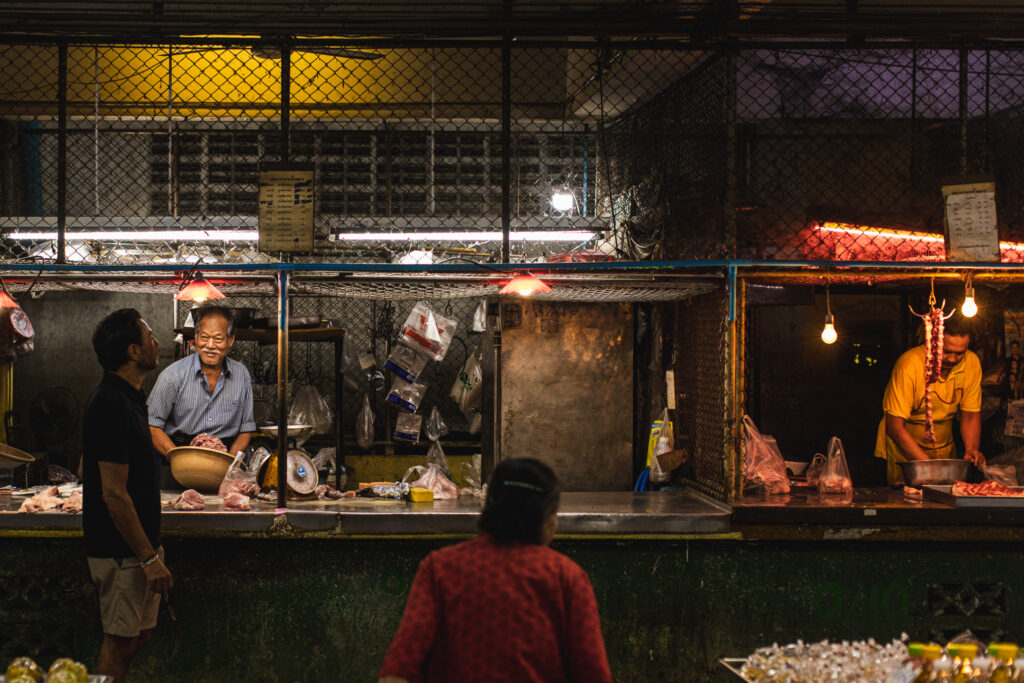
    Filmed on location in Bangkok and in Daniel Green’s own kitchen, the series moves effortlessly between the energy of Thailand’s capital and the calm, practical environment of home cooking. Street markets, riverside tables, green spaces, temples, and everyday city scenes provide a vivid backdrop, grounding each dish in a sense of place.

    Bangkok isn’t just a setting — it’s part of the story. The city’s rhythms, flavors, and contrasts inform the food on screen, reminding viewers that cuisine is inseparable from culture. You don’t just see the dishes being cooked; you feel where they come from.

    Back in Daniel’s kitchen, those inspirations are translated into meals that can be recreated anywhere in the world. The message is clear: you don’t need to travel far to cook well — but when food carries a sense of place, it transforms the experience.

    A Cookbook Brought to Life

    Eat Up Thailand is based on Daniel Green’s new cookbook Take Home Thailand. The series expands on that foundation, bringing the pages to life with visual storytelling, step-by-step guidance, and behind-the-scenes insight.

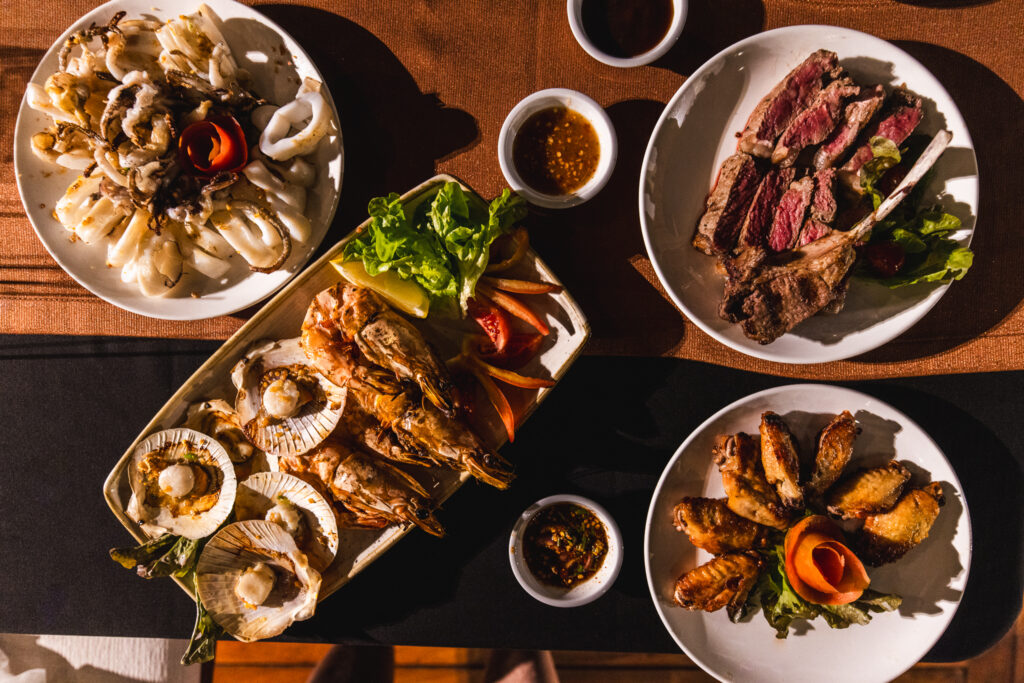
    Across the season, viewers explore a wide range of Thai cooking — from iconic Bangkok classics and lighter, health-forward dishes to regional flavors, street snacks, seafood, vegetarian plates, and desserts. Each episode is tightly focused, but collectively they form a complete journey through Thailand’s culinary landscape.

    10 Episodes. 30 Recipes. Endless Inspiration.

    The structure of the series is intentionally clear and satisfying: 10 episodes, 3 recipes per episode. It’s binge-friendly, but also easy to dip into — perfect for weeknight cooking inspiration or weekend experimentation.

    Whether it’s bold curries, fresh salads, comforting noodles, vibrant seafood, or Thai sweets, the recipes are designed to slot naturally into everyday life. These are dishes you’ll come back to — not once, but again and again.

    And because Eat Up Thailand lives on Tasted.TV, viewers can stream the entire series free, without commercials, making it effortless to cook along or revisit favorite episodes.

    More Than a Cooking Show

    At its heart, Eat Up Thailand is about more than food. It’s about connection — to culture, to travel, to the pleasure of cooking something delicious for yourself or the people you love.

    Daniel Green’s calm, confident presence anchors the series. He doesn’t perform; he guides. His experience as a chef and author is evident, but so is his belief that food should feel good — physically, emotionally, and socially.

    The result is a series that feels generous. It doesn’t overwhelm. It invites.

    Start the Year by Eating Well

    Launching on January 1Eat Up Thailand arrives at exactly the right moment — when many people are thinking about how they want to eat, live, and feel in the year ahead. This isn’t about restriction or rules. It’s about flavor, balance, and enjoyment.

    Authentic recipes. Approachable techniques. Unforgettable culinary and travel experiences.

    Eat Up Thailand  on Tasted.TV — where the world meets for food.

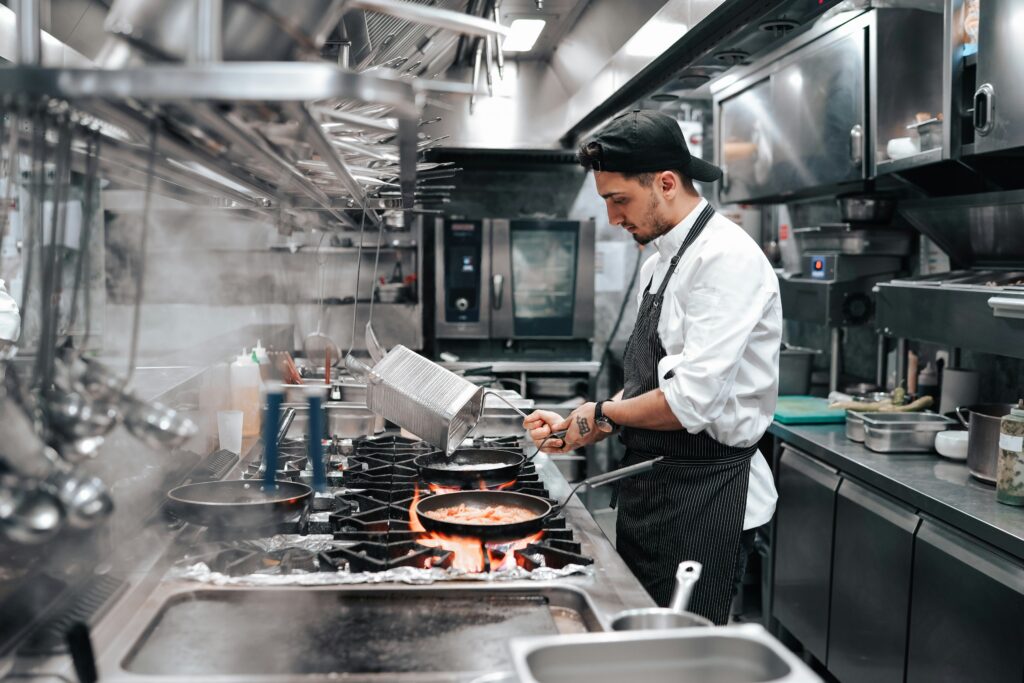
    Special thanks to Chris Emeott for his photography.

  • If You Say It, Some Will Believe It: How Falsehoods, Deepfakes and Power Trends Are Rewiring Global Truth

    If You Say It, Some Will Believe It: How Falsehoods, Deepfakes and Power Trends Are Rewiring Global Truth

    The camera used to be a guarantor of reality. Now a clip, a screenshot or a ten-second reel can rearrange what millions accept as fact. Across continents, people inhabit different “fact-worlds” — not because anyone is stupid, but because information systems, powerful actors and new technologies have changed how truth spreads. The result is measurable: large international surveys show broad concern about made-up news, and trust in traditional institutions has fallen in many countries.

    A fringe idea becomes visible — and dangerous

    Take the flat-Earth example. Firm believers remain a minority, but the phenomenon has become far more visible and statistically meaningful over the last decade. Polling shows younger age groups express higher levels of doubt or uncertainty about basic scientific claims than older cohorts; large national surveys have found single- to low-double-digit percentages endorsing or entertaining flat-Earth claims in some countries. That’s not merely trivia: when doubt about core facts grows, it opens the door to medical disinformation, climate denial and other conspiracies that undermine public policy and social cohesion.

    Conspiracies on the rise — worldwide

    Flat Earth is only one symptom. In the last decade several other conspiratorial narratives have spread globally: QAnon-style world-control myths, anti-vaccine and medical falsehoods, “crisis actors” claims after tragedies, chemtrail theories, and the so-called “Great Replacement” idea. These movements differ by country in scale and shape, but they share three reinforcing dynamics: erosion of institutional trust; algorithmic amplification by social platforms; and opportunistic actors (political groups, interest networks, or bad-faith entrepreneurs) who monetize outrage.

    Perception vs. evidence: a dangerous gap

    Often the data and the headlines point in different directions. For example, robust cross-national research shows immigrants in many places are no more likely — and in some cases less likely — to commit crimes than native-born residents. Yet political narratives and social feeds frequently depict the opposite, shaping public sentiment and policy debates. Similarly, international election-observation bodies may find few systemic irregularities in a vote, while large swaths of the public believe fraud occurred. The harm isn’t only factual error; it’s erosion of social trust and legitimacy.

    Power, profit and manipulation

    This moment isn’t accidental. History records repeated cases where industry funding shaped scientific and public narratives — a classic case being mid-20th-century lobbying that skewed nutrition research debates. Today, media ownership is concentrated: a few wealthy individuals and large corporations control major outlets and platforms across nations. Their incentives aren’t always ideological; often they aim to protect wealth, influence, or market access. That concentration makes it easier for certain versions of reality to be amplified — intentionally or not.

    AI and deepfakes: new tools, swift harms

    Artificial intelligence has accelerated the problem. Deepfakes have moved from novelty to geopolitical tool. Viral synthetic clips — from convincingly fabricated celebrity videos to manipulated footage falsely depicting public figures — have demonstrated how easily sight and sound can be faked. During recent conflicts and political cycles, manipulated videos purporting to show leaders in compromising situations circulated and were later debunked; even viral, playful deepfakes (such as highly realistic synthetic videos of celebrities) have shown how quickly false imagery can become accepted truth when shared widely.

    Where to go — and how to act

    There are reliable habits and sources that help. Trusted global news organizations with rigorous editorial standards, transparent corrections and broad newsgathering — such as Reuters, the Associated Press and the BBC — remain strong starting points. Established fact-checking organizations that publish methods and sources — including FactCheck.org, PolitiFact and Reuters Fact Check — are practical tools for verifying viral claims. Academic centers, public-interest research groups and primary-data repositories (polling organisations, election monitors, scientific journals) provide the evidence behind claims.

    A practical, human prescription

    Civic remedies are structural and personal. We need media-literacy education, regulation that limits harmful concentration of media ownership, transparency about corporate and political funding of research and journalism, and platforms that prioritize verifiable provenance for media. But there’s a human side too: before we rage, retweet or revoke someone’s reputation, pause. Ask for the source. Check a reputable fact-checker. Remember that many people repeat falsehoods out of confusion, fear or social pressure, not malice.

    In a world of engineered illusions and algorithmic echo chambers, the most radical acts are simple: verify the receipts, then be kinder. Give people the benefit of the doubt where you can — and insist on evidence where it matters. That combination of skepticism and compassion is how we slow the spread of lies and keep the public square whole.

  • Tiwai Island: The Wild Seduction of Sierra Leone

    Tiwai Island: The Wild Seduction of Sierra Leone

    There are places that don’t simply beckon, they seduce. Tiwai Island is one of them. You arrive by river like a conspirator: the canoe cleaves black water, the motor’s low thrum swallowed by a chorus of cicadas and distant, high-pitched monkey calls. The bank unfurls in slow motion, vines, palms, braided roots, the kind of green that seems to breathe. The air presses warm and wet against your skin; sweat beads like tiny secret promises.

    The forest moves in restless layers. Monkeys thread through the canopy in darting, theatrical flashes; eleven primate species call this place home, each a quicksilver glimpse of mischief. Birds throw color and noise into every clearing, their cries a salacious soundtrack. Underfoot, the soil smells of river, rot and rain, an erotic mix of life and decay that feels anything but tame.

    At dusk the island changes costume. Lantern light pools around low eco-lodges, and shadows grow thick and intimate. Palm wine passes between hands; local guides tell stories that slip between laugh and hush, and you find yourself leaning closer not just to hear but to inhabit the moment. Somewhere off the trail something heavy breaks the silence, a distant elephant, perhaps — and the group exhales together, aware of how thin the veil is between thrill and fear.

    Tiwai isn’t polished. There are no spas or infinity pools; the luxury here is raw: the thrill of being small inside a living world that has not been tamed. Days are for wet boots, sticky fingers, and salty river meals; nights are for tasting the dark and listening to a forest that refuses to be civilized. It lingers on your skin and in your dreams; a slow, persistent ache that calls you back long after you leave.

    Final thoughts (warning):

    As usual, we’re not telling you to do anything. Tiwai is remote, and you’re as free as a bird to evaluate your comfort zone alongside travel advisories and cautions. Tiwai is remote. Check current travel advisories, ensure required vaccinations, take malaria prophylaxis as recommended, and buy travel insurance that includes medevac. Travel should stretch you, not endanger you.

    Tiwai will seduce you. Prepare a little, and it will keep you wildly, gloriously alive.

  • Indigenous Cuisine in Canada: Tradition Meets Modern Taste

    Indigenous Cuisine in Canada: Tradition Meets Modern Taste

    Canada’s Indigenous food is finally stepping into the spotlight. For centuries, First Nations, Métis, and Inuit peoples built their diets around wild game, freshwater fish, berries, wild rice, and the famed “Three Sisters” of corn, beans, and squash. Colonization disrupted these foodways, but today a culinary resurgence is underway; one that blends tradition with innovation and insists that Indigenous food belongs among the world’s great cuisines.

    Modern Indigenous cooking is rooted in heritage but plated with contemporary flair. Think wild rice paired with venison tartare, smoked fish with foraged herbs, or bannock alongside cedar tea. These dishes are not nostalgia; they’re a living, evolving cuisine that tells the story of land, season, and community.

    Five Great Indigenous Restaurants

    Pow Wow Café (Kensington Market, Toronto)
    A cozy spot serving Ojibwe tacos on frybread, smoked salmon, and corn soup. It’s fun, approachable, and proudly Indigenous.

    Tea-N-Bannock (Toronto)
    Casual and comforting, with bannock, wild rice, bison, and northern fish, served in a way that feels like home cooking with heritage at the core.

    NishDish (Toronto)
    An Anishinaabe-owned venture showcasing “Nish” cuisine—soups, stews, game meats, and seasonal vegetables, all prepared with a deep cultural story.

    Naagan (Owen Sound, Ontario)
    Chef Zach Keeshig’s 17-seat tasting-menu restaurant is a landmark. Each course—bison tartare, smoked fish, goose prosciutto, sea buckthorn sorbet … this is “progressive Indigenous cuisine,” rooted in tradition yet executed with modern finesse.

    Kondiaronk (Montreal, Quebec)
    Chef Normand Laprise’s team collaborates with Indigenous cooks and producers at this pop-up style venture, celebrating First Nations recipes and ingredients such as venison, corn, and maple. It’s an urban showcase of traditional-meets-modern Indigenous fare in Quebec.

    (Bonus: Vancouver’s Salmon n’ Bannock is a west-coast must for wild salmon, bannock, and game meats.)

    Tradition and Innovation

    Indigenous chefs are keeping ancient practices alive; smoking fish, foraging fiddleheads, and using medicinal plants, all while embracing modern techniques like sous vide and creative plating. Menus often follow the seasons, echoing the deep connection to land. What you won’t find are global shortcuts like lemon or vanilla; instead, local flavors like sweetgrass, birch syrup, and goose eggs shine.

    Claiming Its Place

    For too long, Indigenous food has been overlooked or treated as a curiosity. Now, restaurants across Canada are proving it deserves equal billing with French, Italian, or Japanese cuisine. This movement is not just about taste; it’s about reconciliation, food sovereignty, and pride.

    Book a table, taste something new, and be part of this long-overdue recognition. Indigenous cuisine is not only Canada’s oldest, it may also be its most exciting!

  • Three Cuisines You Should Try

    Three Cuisines You Should Try

    We all love to keep track of delicious trends and unique ideas when it comes to our food, but what about some of the lesser-known gastronomy that just might bring us some joy? 

    Trend-analysts note that in 2026 there is a marked rise in interest for, “Traditional English, Eastern European, Southern Asian, and new-wave Japanese cuisines.”  

    Here are three lesser-known cuisines that are starting to break out globally, rife for food travel, dining innovation, and home cooking inspiration. Each has distinctive ingredients, textures and cooking techniques that bring something new to the palate.

    1. Eastern European Cuisine

    Cuisines from Eastern Europe are gaining traction beyond the traditional “beef-stroganoff” or pierogi trope.

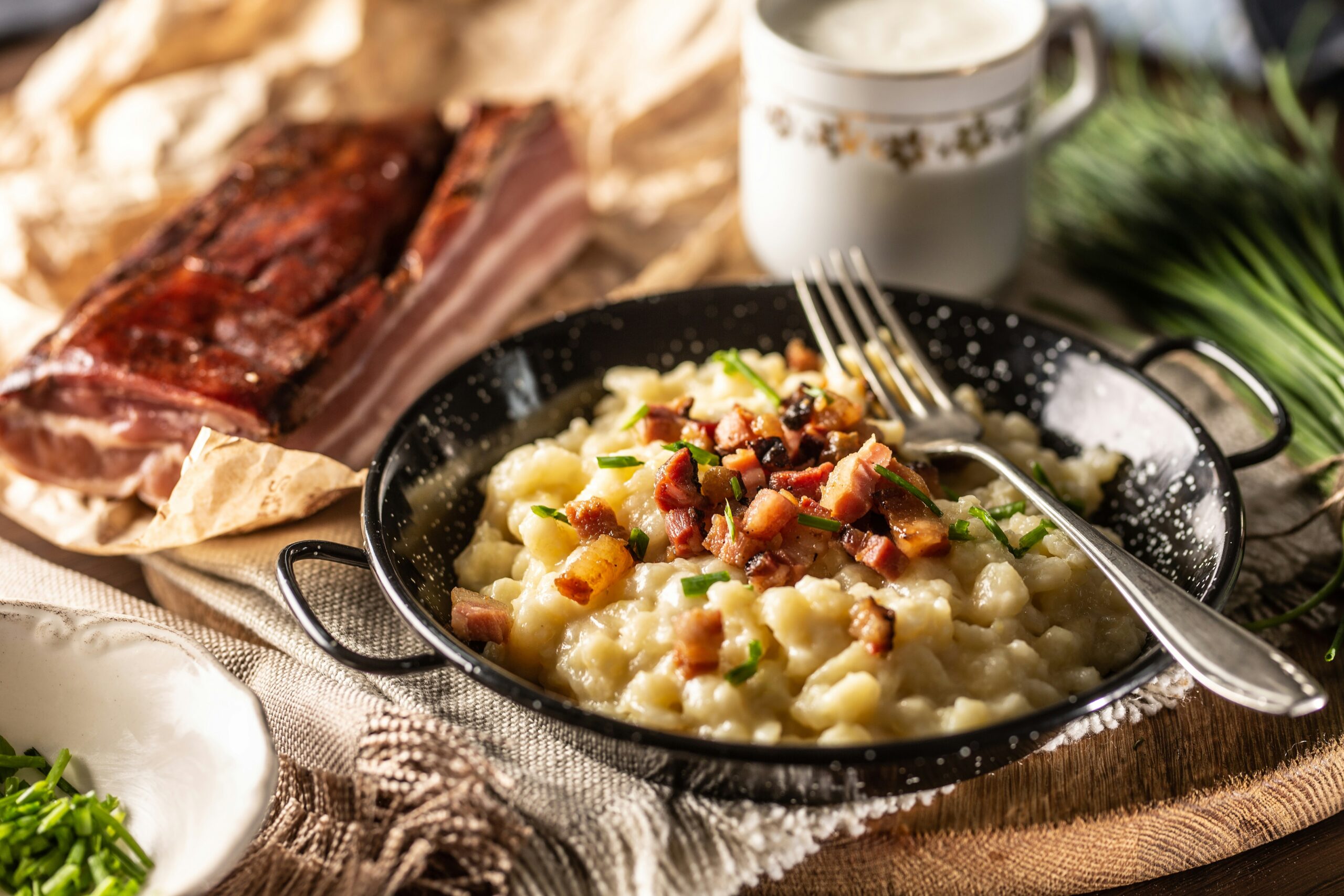
    What makes Eastern European food compelling right now: its hearty, rustic roots, the resurgence of forgotten ingredients (like buckwheat, kefir, wild mushrooms), and the elegant re-interpretation by modern chefs. In short: it offers both comfort and novelty.

    For home cooks and restaurant chefs, it means exploring flavor profiles like caraway, dill, sour cream, fermented vegetables, and smoked meats in new ways; perhaps pairing Ukrainian borscht with modern plating or Baltic rye-bread canapés with smoked fish and pickled touches.

    2. West and East African Cuisines

    African cuisines have always been rich and diverse, yet they are only recently getting broader global attention. West African dishes highlight elements like peanut-ground sauces (mafé), fermented cassava (fufu), spices like suya, and smoky chilli blends.

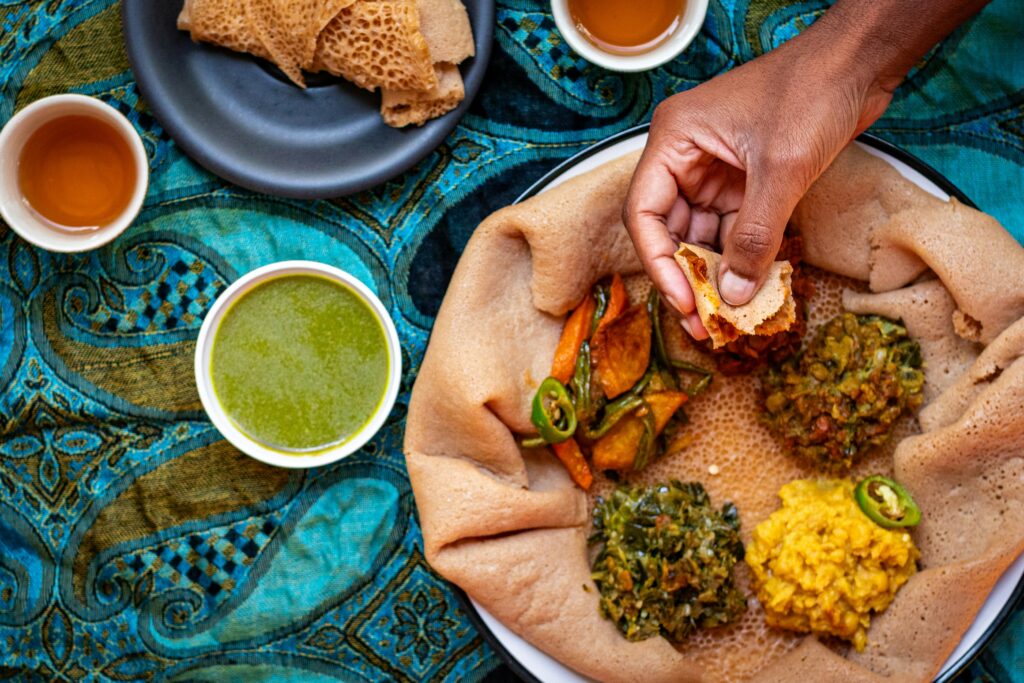
    East African cuisines bring injera (Ethiopian sour-flatbread), berbere spice, and communal eating formats. Restaurant Chefs and home cooks can tap into this by emphasising bold spice, fermentation, and sharing-style formats. For example, a restaurant might serve an “Eritrean thali” style platter, or a home cook might stir suya-spiced peanuts into roasted-veg bowls.

    The appeal: flavours that are unfamiliar (for many) yet rooted in tradition.

    3. Philippine Cuisine

    Often called “original Asian fusion,” Filipino cuisine blends native culinary roots with Chinese, Spanish, Malaysian, Japanese and American influences.  

    What’s making it pop now: Dishes like adobo, sinigang, lechon and halo-halo have begun gaining recognition outside of Filipino communities. Social-media, travel and chef-crossover have helped lift the profile. Additionally, younger diners are seeking “new global breakfasts and snacks” and “Filipino cuisine” is explicitly named among top Gen-Z food trends. For a chef in a restaurant, this could mean offering a “dessert duo” of ube ice-cream and cassava cake, or elevating street-food staples like balut or kinilaw into tasting menus.

    For the home cook, it might mean experimenting with calamansi, shrimp paste (bagoong), and coconut-vinegar-based marinades. All delicious and diverse in flavours for those searching for something new.

    These under exposed cuisines all share features that make them “Trend-worthy”; they are adaptable and can be incorporated into or alongside other dishes, have their own strong flavour identities and are rich in culture and stories. Enjoy!

  • Europe is On a Roll

    Europe is On a Roll

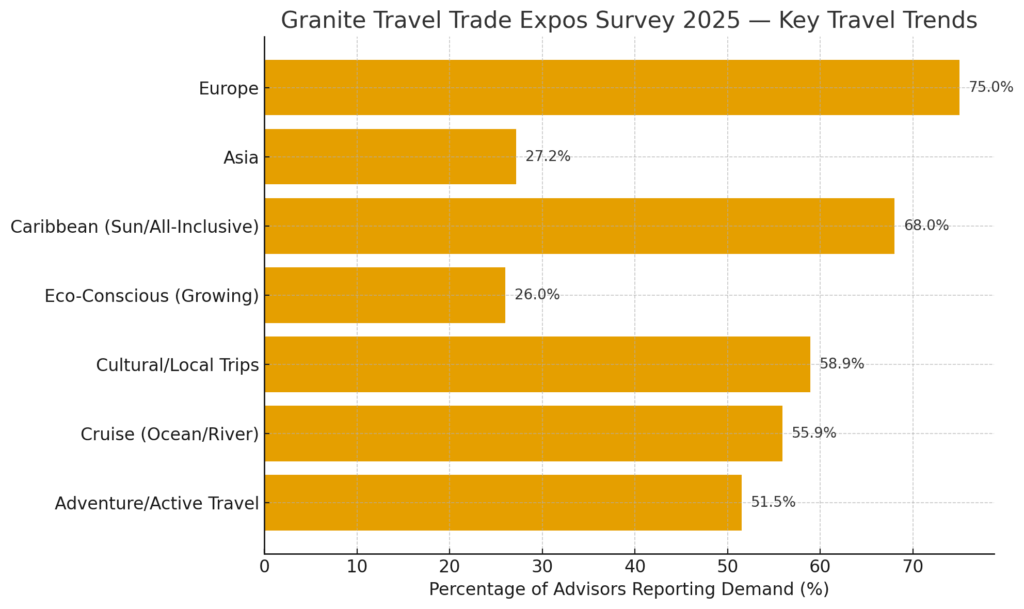
    Travel advisors are pointing to Europe as the top destination for the upcoming 2025-26 travel season, according to a Granite Travel Trade Expos survey conducted in August 2025. A decisive 75% of advisors identified Europe as the preferred region for client bookings, followed distantly by Asia at 27.2%. As the Granite Trade Expos prepare to launch their Fall 2025 roadshow, these results offer a clear snapshot of current traveler demands and agent expectations.

    Beyond geography, the survey reveals a strong desire for meaningful experiences over simple sightseeing. The top requests advisors are seeing include cultural immersion/local trips (58.9%), ocean or river cruises (55.9%), and adventure/active travel (51.5%). Additionally, about 40% of advisors reported clients are actively seeking to avoid over-tourism, a situation that becomes increasingly undesirable, a good example being Cruise Ships arriving in Santorini Greece, creating severe overcrowding. 

    While Europe dominates overall interest, the destinations advisors want to learn more about are telling: Portugal (69.3%), Japan (53%), Thailand (46.5%), Peru (38%), and Canada (26%), suggesting an appetite for both established favorites and deeper exploration of less-obvious regions.

    Supporting these trends are several key shifts in booking behavior. The traditional Sun/All-Inclusive vacation remains a consideration for 68% of clients. In terms of eco-conscious travel, 26% of advisors report an increase in demand, particularly among younger travelers, though 37.6% say demand is still relatively low. Significantly, booking lead times are lengthening: 45% of bookings are now made six months or more in advance, with an additional 39% falling in the three-to-six-month window. When planning, 45% of clients use social media for inspiration, and 27.2% are experimenting with AI-driven trip tools. Yet, about half (50.5%) still prefer direct, personalized service from their travel advisor.

    Collectively, these insights show a travel landscape where clients are confident enough to plan far ahead and are looking for depth over distance. Europe’s surging popularity signals a return to long-haul, culturally rich journeys. For travel professionals and suppliers, the takeaway is to move beyond simply selling a destination and instead focus on providing immersive narratives, guiding extended booking lead times, and leveraging technology to enhance service without sacrificing the crucial human connection. For travelers, the message is to think big, but also to think intentionally about the kind of story they want their next journey to tell.

  • Planning a Trip Alone? You Need These Tips 

    Planning a Trip Alone? You Need These Tips 

    Solo Travel is a growing trend, and it can be an amazingly rewarding experience, but it requires careful planning and a proactive mindset. Based on expert advice and traveler tips, here are 10 essential suggestions for solo travelers:

    1.) Conduct Thorough Research Before Booking: Familiarize yourself with your destination’s customs, common scams, safe neighborhoods, and transportation options. Understanding the lay of the land boosts your confidence and ensures your safety.

    2.) Share a Detailed Itinerary and Follow It: Give a close friend or relative your flight information, lodging addresses, and a general schedule of your days. Frequent check-ins make it easier for someone to monitor your location.

    3.) Join Group Activities to Meet People: To avoid loneliness, participate in small group experiences such as walking tours, cooking classes, or pub crawls. Staying in hostels or guesthouses with communal areas also fosters social connections.

    4.) Trust Your Instincts: If something or someone feels off, remove yourself immediately. Your safety comes first. Don’t hesitate to leave a situation or walk away if you feel uncomfortable.

    5.) Arrive During Daylight Hours: Plan your arrival during daylight to make navigation easier and safer. Assess your surroundings and find your accommodation when it’s light outside.

    6.) Travel Light with a Carry-On: Pack only essentials in a carry-on to enhance mobility, avoid baggage fees, and reduce vulnerability. Everything should fit comfortably on your back or in a small suitcase.

    7.) Keep Digital and Physical Copies of Important Documents: Store digital copies of your passport, visas, and insurance in a secure cloud service, and carry physical photocopies separately from the originals. Only bring the original passport when necessary.

      8.) Secure Your Money and Cards in Multiple Places: Never keep all your cash and cards together. Distribute emergency funds and backup cards in hidden spots like a concealed pocket, the bottom of your bag, or a money belt.

      9.) Blend In and Project Confidence: Appear sure of yourself, even if you’re unsure. Avoid standing in the street with a big map; instead, step into a cafe or shop to check your route discreetly. Use your phone with one earbud for GPS and stay aware of your surroundings.

      10.) Invest in Comprehensive Travel Insurance: This is a must-have. Make sure your policy covers medical emergencies, trip cancellations, lost luggage, and theft. Know how to contact your provider quickly in case of need.

      1. Mixing Comfort and Curiosity: How Global Fusion Is Driving Food Innovation

        Mixing Comfort and Curiosity: How Global Fusion Is Driving Food Innovation

        From Michelin-starred restaurants to suburban homes, cooks are exploring two overlapping food-moods: a longing for the familiar warmth of childhood flavours and a restless hunger for something new. The result? Call it “nostalgia meets novelty”: a culinary moment defined by contrast and curiosity, where mashed potatoes can meet miso, and mac and cheese can carry the scent of garam masala.

        Comfort food has always been emotional currency. Meatloaf, grilled cheese, dumplings, and casseroles don’t just fill the stomach; they fulfill a desire for memory, safety, and belonging. Yet, as global ingredients and culinary ideas have become more accessible, traditional dishes are being stretched, spiced, and reimagined in fascinating ways. A report from Innova Market Insights found that over 40 percent of consumers worldwide now seek what they call “crazy creations”; bold, flavour-forward combinations that deliver a sensory exploration combining the familiar with the fascinating (and delicious). Chefs of all kinds are taking these culinary invitations seriously.

        Chefs Are Reinventing Global Comfort Food

        In restaurant kitchens, global fusion has evolved from the “fusion confusion” of the 1990s into something far more thoughtful and grounded. Today’s chefs use fusion as storytelling, creating unique global comfort dishes rife with culinary creativity. A grilled cheese might carry the slow-cooked depth of birria; mac and cheese might hum with Thai curry. These aren’t gimmicks; they’re culinary bridges that invite diners to taste the world without losing their sense of home.

        At home, this same spirit is reshaping the way people cook. Social media has become the new test kitchen, where someone in Toronto can fold kimchi into a breakfast quesadilla or turn leftover butter chicken into a pie. Ingredients that were once considered exotic, like gochujang, harissa, yuzu, and za’atar, now share shelf space with salt and pepper in everyday kitchens. The comfort comes from the familiar act of cooking; the excitement lies in remixing those rituals. The result; global-inspired comfort food.

        This movement also reflects a broader social undercurrent: a world more connected, more curious, and more personal about what we eat. Global comfort food is not just about fusion, it’s about identity. Each reinterpretation, whether born in a test kitchen or a home kitchen, is an act of translation: finding comfort in difference and creating something new without erasing what came before.

        This continued reinvention of global fusion comfort-food reflects our desire to feel anchored in familiarity while being thrilled by novelty, and as chefs and home cooks continue to explore this foodie middle-ground between memory and discovery, between local roots and global reach, they are quietly reshaping modern cuisine. The next great comfort dish may not come from a corporate test lab but from the imagination of a cook unafraid to mix nostalgia with adventure.

      2. The Resurrection of a Long-Forgotten Grape, Orisi

        The Resurrection of a Long-Forgotten Grape, Orisi

        Is it possible to bring one forgotten Sicilian grape back to life? With passion, persistence and science, the answer is a resounding yes. 

        Since August of 2025, when Italy’s Official Gazette published the new Terre Siciliane IGT regulations, winemakers can proudly display “Orisi” on their labels. This is a historical first, made possible by the hard work and dedication of the Santa Tresa winery, spear headed by owner Stefano Girelli.

        Before this recognition, Santa Tresa’s wine made from the grape could only be called “O”, its true identity whispered among those in the know. With the rule change, the estate celebrated by releasing “O – Orisi Rosso IGP Bio,” a limited edition that honors the grape’s long-awaited

        This breakthrough was not overnight. Back in 2009, Santa Tresa, in partnership with the University of Palermo, began an impressive campo sperimentale (experimental vineyard) venture to bring ancient indigenous Sicilian grapes back from obscurity. Orisi was one of these varietals and to date their biggest success. 

        Santa Tresa

        Today, Santa Tresa is the only estate in Sicily cultivating Orisi, with a mere 1,523 vines rooted in their organic vineyards. Research led by owner Stefano Girelli has shown that Orisi is exceptionally resistant to both peronospera (downy mildew) and drought, challenges that have tested many growers in recent years. Its hardiness positions it as a sustainable, future-proof variety for the island’s evolving climate.

        Other rediscovered types, like Albanello, a local white grape exhibiting renewed potential, are yielding equally encouraging results for Girelli and his colleagues at The Wine People (TWP). Restoring Sicily’s historic varietal diversity and promoting grapes that are genuinely indigenous to the region’s soil and climate are their clear goals.

        The resurgence of Orisi is more than just a viticultural triumph; it is evidence of Santa Tresa’s conviction that authenticity and sustainability go hand in hand and that the future of Sicilian wine depends on its ability to remember its roots.

      3. Nova Scotia’s Got Its Own Fish and Brews — And It’s a Whole Lot Tastier

        Nova Scotia’s Got Its Own Fish and Brews — And It’s a Whole Lot Tastier

        Let’s give Newfoundland its due. Fish and brewis — salt cod, soaked hard tack, pork scrunchions — is a true east coast classic. But over here in Nova Scotia, we’ve taken that humble idea and given it a butter-drenched, beer-paired upgrade. Because why soak old bread when you can crack open a lobster claw and a cold Propeller?

        This is fish and brews — Nova Scotia style.

        First, the lobster. Sweet, salty, caught that morning. It doesn’t take much to find it — local joints have it boiled, grilled, rolled, or butter-poached, no GPS required. But the truly lucky? They end up eating it on a dock, salt air in their lungs, butter dripping from their knuckles, or at some glorious house party where someone’s cousin knows how to host a proper backyard boil.

        Second, the “brews.” And that’s where Propeller Beer comes in.

        This Halifax original has been pouring pints since the ’90s — long before craft beer became something you swirled and sniffed. Their Pilsner is crisp, clean, made for seafood. It cuts through the richness of lobster like it was brewed for it (because it basically was). Prefer something bolder? Grab their ESB or IPA, loaded with character and just enough bite to stand up to grilled tails or garlic butter anything.

        And the best part? You don’t have to hunt it down. Propeller has Tap Rooms and Beer Shops right in Halifax — welcoming, laid-back spots where you can sip, stock up, and maybe grab a T-shirt that proves you know what’s good. Whether you’re pre-gaming a lobster dinner or just popping in off the sidewalk, it’s an easy (and tasty) way to plug into Nova Scotia’s craft culture.

        This isn’t fine dining. This is finer. Casual, coastal, loud with laughter, maybe eaten off a paper plate. The kind of pairing that makes you slow down — not because it’s fancy, but because it’s real.

        So yeah, Newfoundland’s fish and brewis walks so Nova Scotia’s lobster and Propeller could run.

        And honestly? We’ll take ours dockside, beer in hand, friends all around, and a second helping already on the way.