Blog

  • The Zen of Mise en Place: How Culinary Habits Can Change Your Life

    The Zen of Mise en Place: How Culinary Habits Can Change Your Life


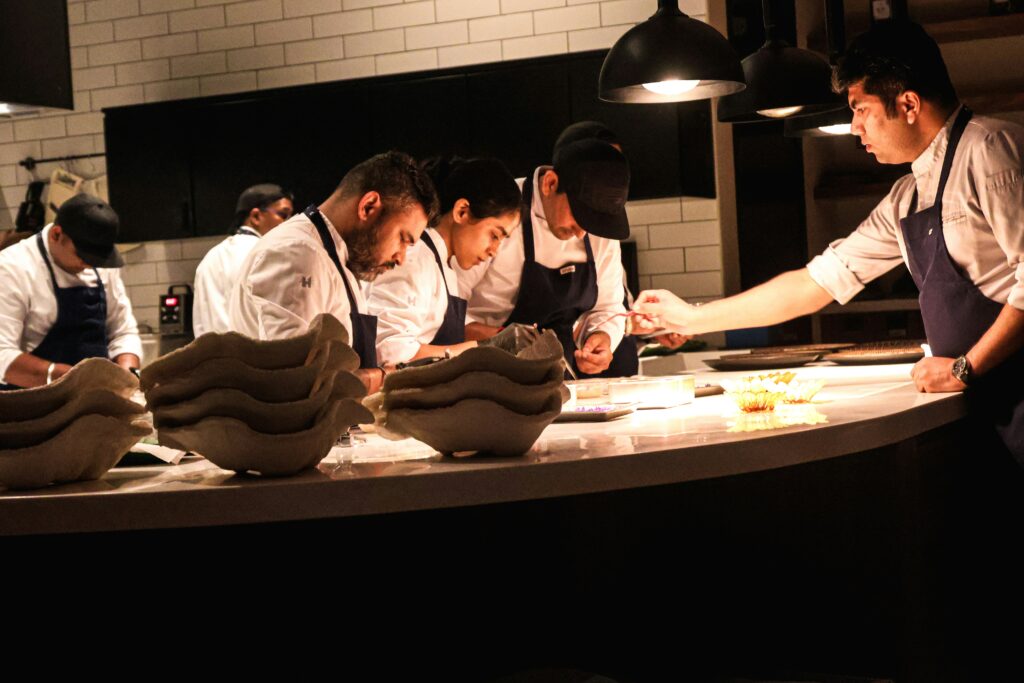
    In professional kitchens around the world, one quiet principle keeps the chaos at bay: mise en place. French for “everything in its place,” this approach to cooking is more than just a system of organizing ingredients. It’s a mindset—one that brings clarity, discipline, and flow to both the kitchen and beyond.

    What begins as a culinary necessity often becomes a philosophy. And for those outside the food world, adopting a mise en place mentality might just transform the way you cook, work, and live.

    What Mise en Place Actually Means

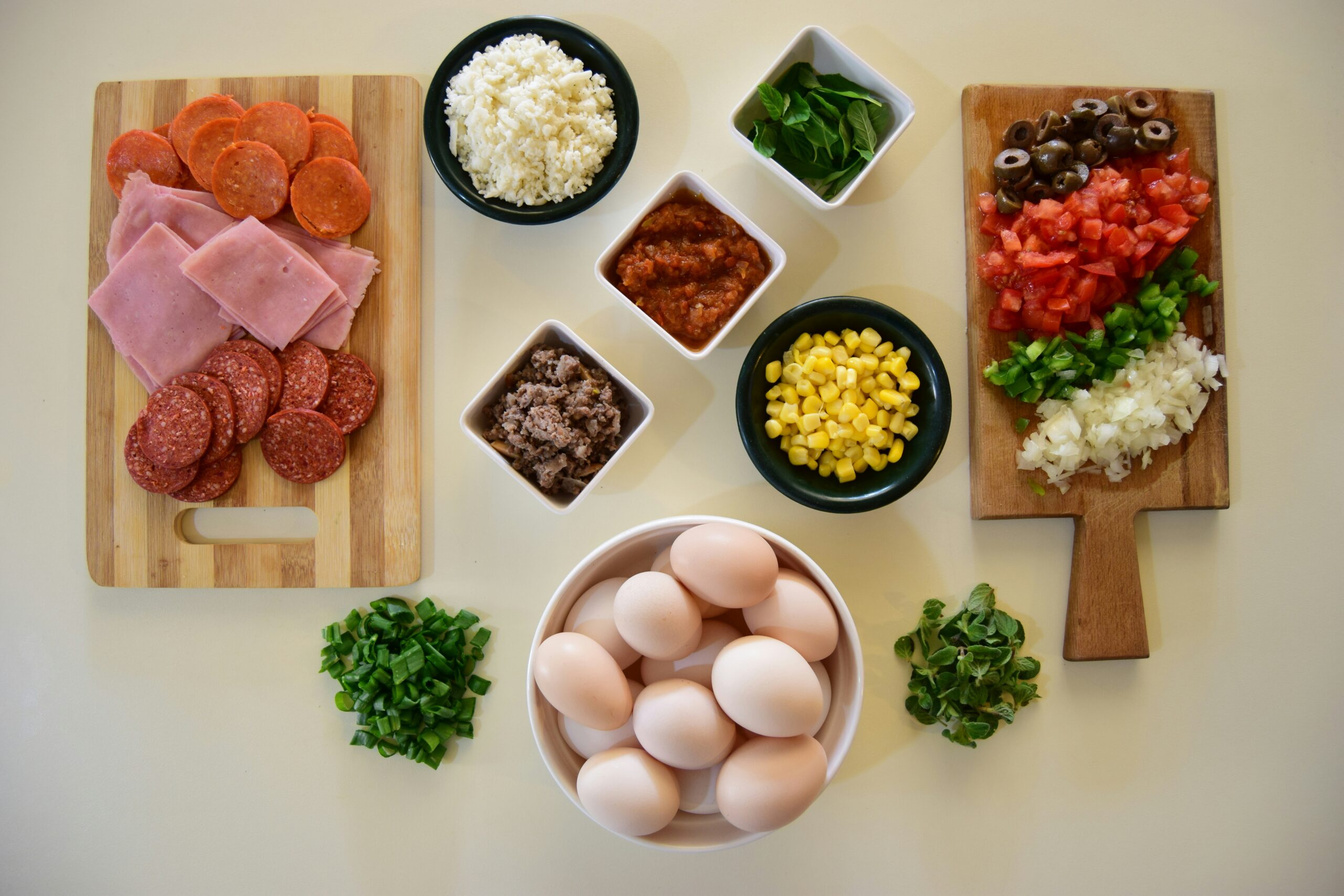
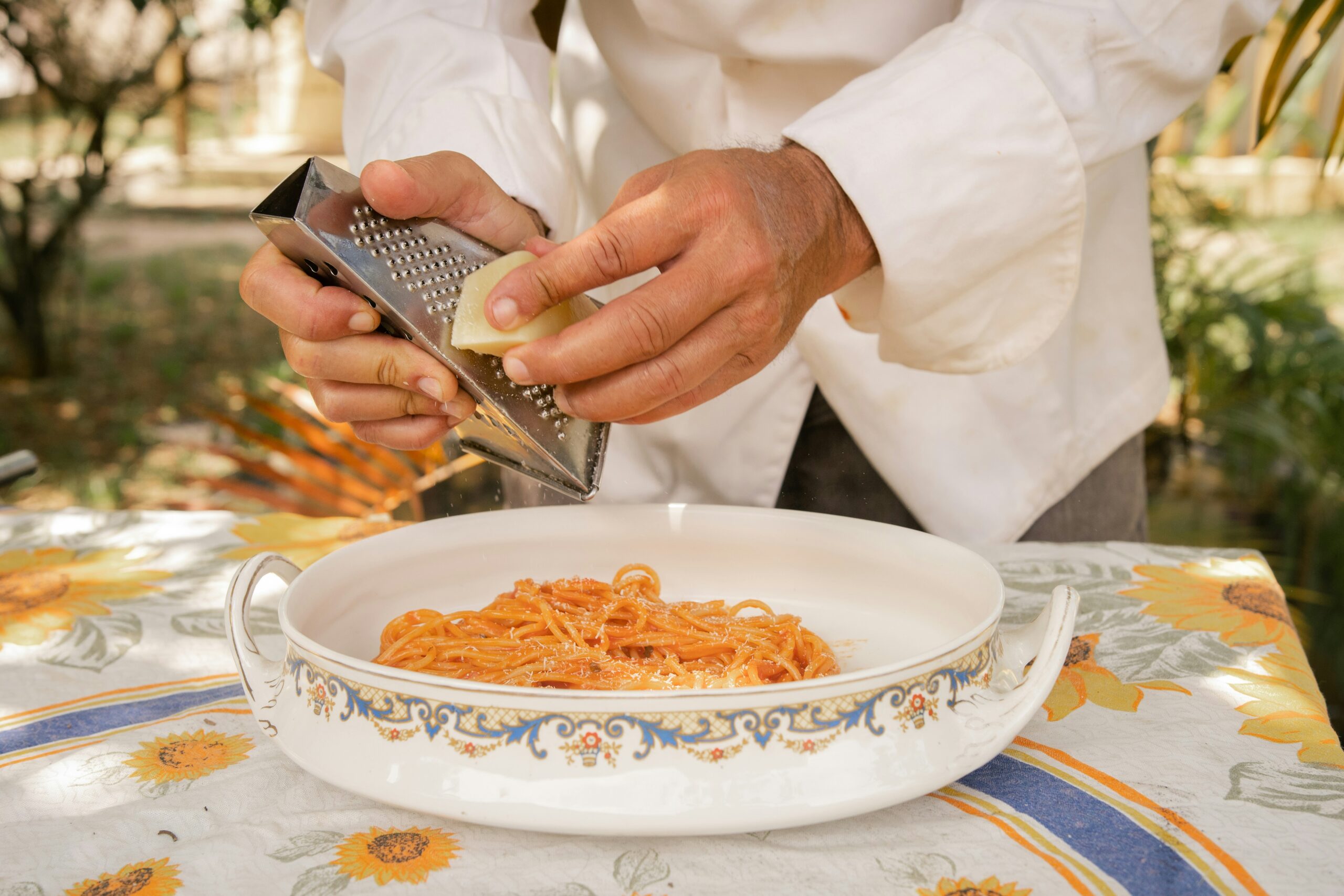
    At its core, mise en place is about readiness. Before a single pan gets hot, a chef has already chopped herbs, portioned butter, pre-measured spices, and neatly arranged tools. Every step of the recipe is accounted for before the cooking begins.

    In the high-stress environment of a professional kitchen, this method isn’t optional—it’s survival. But when brought into a home kitchen or office, mise en place becomes something else: a tool for staying present, efficient, and calm.

    Bringing Chef Discipline Into the Home

    Adopting mise en place in your own kitchen can be surprisingly empowering. Instead of scrambling to dice onions while your garlic burns in the pan, you move with calm confidence. A few small shifts—reading a recipe all the way through, prepping everything before you begin, keeping your tools organized—can eliminate stress and make cooking feel more meditative than messy.

    Even planning weekly meals can be a form of mise en place. Gathering ingredients, mapping out time, and setting yourself up to succeed all reflect that same chef’s mindset: respect for process, and trust in preparation.

    Beyond the Kitchen: Mise en Place at Work

    It doesn’t stop at the stove. Many people have found that mise en place works wonders outside the culinary world. Writers outline chapters before typing. Designers sketch ideas before jumping to software. Project managers map out steps before executing a campaign.

    The point isn’t to delay action—it’s to be deliberate. Mise en place encourages you to pause, prepare, and focus before diving in. It’s a way to resist distraction, reduce decision fatigue, and reclaim attention in a world constantly trying to pull it away.

    Creating Your Own Ritual

    Like any habit, mise en place takes practice. Start small: clear your workspace before you cook, group ingredients by task, put your tools back in the same place every time. Notice how the process affects your mood. Does it feel easier to focus? Do you enjoy cooking more?

    Then, bring the same principles to your desk, your schedule, or your morning routine. Organize before action. Set the stage before the show. Over time, the results add up—not just in better meals, but in a calmer, more intentional way of moving through your day.

    Mise en Place Is a Philosophy of Attention

    In the end, mise en place isn’t really about chopping vegetables. It’s about how you prepare for what matters. Whether you’re a home cook, a creative professional, or just someone trying to keep your week in order, this quiet kitchen discipline offers something powerful: a recipe for peace, one task at a time.

  • What’s in Your Glass, Really? Understanding Wine Additives

    What’s in Your Glass, Really? Understanding Wine Additives


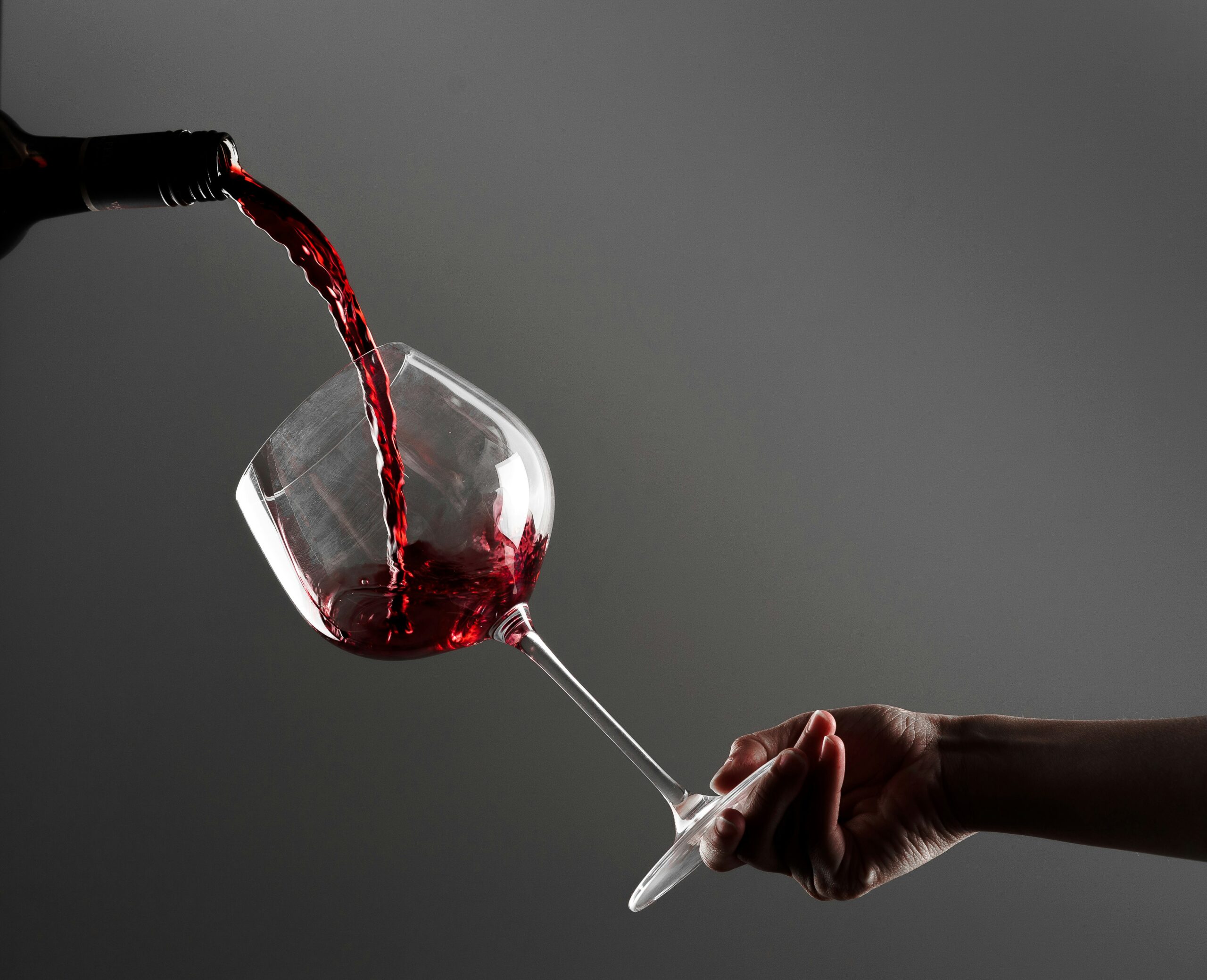
    Wine has long enjoyed a romantic reputation—fermented grapes, aged in oak, poured into crystal. But behind that swirl and sniff can be a surprising amount of chemistry. For drinkers who care about transparency, health, or simply knowing what’s in their glass, it’s worth exploring what winemakers are legally allowed to add to wine—and why they do it.

    Not Just Grapes: The Role of Additives in Winemaking

    While “grapes + time” might sound like the ideal equation, commercial winemaking often involves far more variables. From fermentation to bottling, dozens of additives may be used to adjust flavor, stability, appearance, and shelf life. Some are harmless and traditional. Others might give pause.

    The U.S. Alcohol and Tobacco Tax and Trade Bureau (TTB) approves over 60 wine additives, most of which don’t have to appear on a label.

    Common Additives You Might Not Know About

    Sulfites

    These are the best-known additive—and the most misunderstood. Sulfites help preserve wine and prevent oxidation. While they can trigger mild allergic reactions in a small percentage of people, most wines (even natural ones) contain them in trace amounts because sulfites are also a natural byproduct of fermentation.

    Sugar and Acidifiers

    In cool climates, grapes may not ripen fully. To balance the wine, sugar might be added to increase alcohol (chaptalization), or tartaric acid may be introduced to add freshness. Both practices are legal in some regions but banned in others, depending on tradition and regulation.

    Fining Agents

    To make wine look clear and bright, winemakers use fining agents that bind to particles and help remove them. Common ones include bentonite clay, egg whites, casein (milk protein), and isinglass (fish bladder). While these don’t remain in the final product, they’re worth noting for vegans or people with allergies.

    Flavor and Texture Enhancers

    Some mass-market wines are “adjusted” for consistency using oak chips, powdered tannins, or concentrated grape must. These tweaks can make a wine taste richer, rounder, or more approachable—but they also blur the line between wine and recipe.

    So, Should You Be Concerned?

    Not necessarily—but it depends on what kind of wine drinker you are. If you view wine as a crafted, expressive product of place, you may lean toward producers who prioritize transparency and minimal intervention. If you want consistency, affordability, and shelf stability, some additives may be a welcome part of the process.

    What’s missing is a clear label. In most countries, wine doesn’t require an ingredients list, making it difficult for consumers to make informed choices.

    How to Drink Cleaner

    Look for terms like “low-intervention,” “natural,” or “biodynamic,” though these labels aren’t always regulated. Your best bet? Seek out winemakers who share their methods publicly or buy from retailers who prioritize transparency.

    Wine is both ancient art and modern science. Understanding what’s in your glass won’t ruin the romance—it’ll deepen your appreciation for how complex, and carefully crafted, that glass really is.

  • The Rise of Low-ABV Cocktails: Why Less Is the New Luxe

    The Rise of Low-ABV Cocktails: Why Less Is the New Luxe


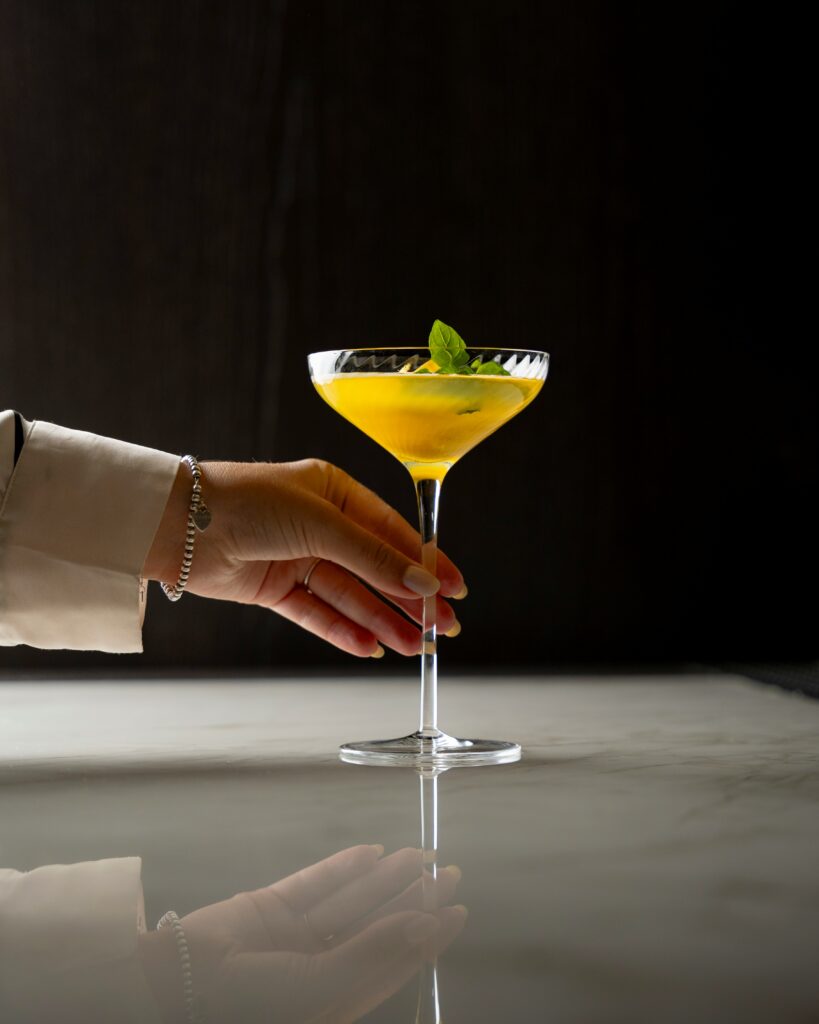
    In a world that’s increasingly wellness-conscious but still craving flavor, low-ABV (alcohol by volume) cocktails have stepped into the spotlight. These light-on-the-booze beverages are more than just a compromise—they’re becoming a deliberate, stylish choice. From aperitif-driven drinks to lower-proof spins on classics, bartenders around the globe are redefining what it means to indulge.

    A Shift in Sip Culture

    For years, cocktail menus were dominated by bold, high-proof concoctions that packed a punch. But tastes are evolving. “Guests want drinks they can enjoy over time, without feeling weighed down,” says Olivia Chang, beverage director at a New York City speakeasy that now features a dedicated low-ABV section. “It’s about pleasure and presence—not excess.”

    The rise of this trend coincides with larger cultural movements around moderation. The sober-curious crowd, Dry January devotees, and health-conscious millennials have all helped fuel a desire for alternatives to traditional high-proof cocktails.

    The Ingredients Behind the Movement

    Low-ABV cocktails tend to showcase ingredients like vermouth, sherry, amaro, sake, or even kombucha and tea infusions. These bases offer complexity and depth without the high alcohol content. Think spritzes with artful bitters, cobblers made with fortified wine, or a refreshing highball using sake and cucumber soda.

    “It forces creativity,” says Mateo Rivera, a bartender in San Francisco. “When you can’t rely on spirits to carry the weight, you get more inventive with herbs, tinctures, and seasonal produce. You’re painting with a subtler brush.”

    From Aperitivo to After-Hours

    This trend borrows inspiration from European aperitivo culture, where a late afternoon drink isn’t about intoxication but about stimulation—waking up the palate, not dulling it. That spirit is being adopted at trendy wine bars and rooftop lounges from Los Angeles to Lisbon.

    You’ll spot Negroni Sbagliatos on menus again, or see bartenders riffing on spritzes using unusual bitter liqueurs and sparkling water. One popular drink at a Tokyo bar? A yuzushu-based cocktail with a mist of gin and a garnish of grilled lemon. It’s light, layered, and surprisingly satisfying.

    Luxe by Design

    Ironically, the lighter the drink, the more intentional it often is. “There’s a quiet luxury to low-ABV cocktails,” says Chang. “They’re often more elegant in presentation and nuanced in flavor. You sip them slowly. You remember them.”

    This kind of drinking doesn’t mean giving anything up. It means elevating the experience. A well-made low-ABV cocktail is a celebration of restraint—and a sign that indulgence is no longer defined by excess, but by balance.

    Where It’s Headed

    As home bartending continues to boom, low-ABV cocktail culture is making its way into kitchens, backyards, and dinner parties. With more premium non-alcoholic and low-proof spirits on the market, the possibilities are expanding.

    Less really is more. And in this case, it’s more stylish, more sustainable, and arguably, more fun.

  • Spice Routes Reimagined: How Ancient Trade Influences Today’s Global Cuisine

    Spice Routes Reimagined: How Ancient Trade Influences Today’s Global Cuisine

    Centuries ago, the pursuit of spices shaped the world. The ancient spice trade influenced economies, sparked exploration, and connected distant cultures. Spices were currency, luxury, and power—coveted by emperors, traders, and cooks alike. Today, their legacy is alive and well, not just in history books but in modern kitchens, where the echoes of these trade routes still define the way we eat.

    From cinnamon-laced Moroccan tagines to the peppery heat of Indian curries and the citrusy brightness of Thai lemongrass, the flavors of the past continue to inspire chefs around the world.

    The Ancient Spice Trade: A Global Network Before Its Time

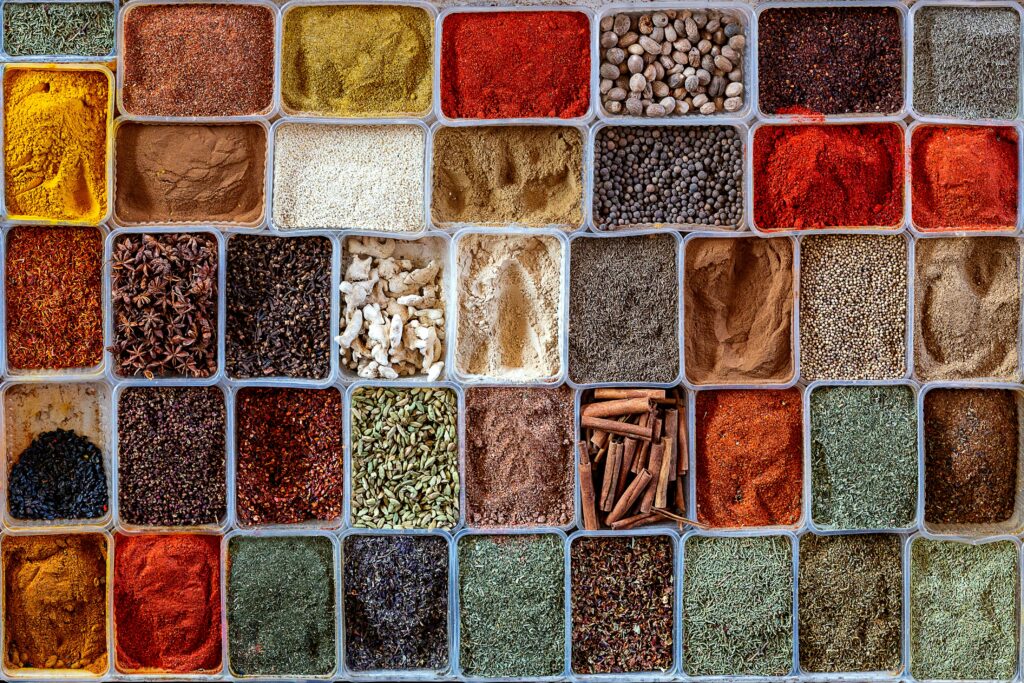
    Long before planes and modern shipping, spice routes connected Asia, the Middle East, Africa, and Europe in a web of commerce and cultural exchange. The Silk Road, stretching from China to the Mediterranean, carried saffron, ginger, and cloves alongside silk and tea. The Maritime Spice Route, spanning from India to Indonesia and beyond, spread cardamom, black pepper, and nutmeg across continents.

    The demand for these spices drove exploration and conquest. European powers, eager to control these valuable goods, launched expeditions that reshaped the world. The Portuguese reached India in search of black pepper, the Dutch monopolized nutmeg and clove production in Indonesia, and the Spanish brought chili peppers from the Americas to Asia, forever altering local cuisines.

    Ancient Flavors, Modern Plates

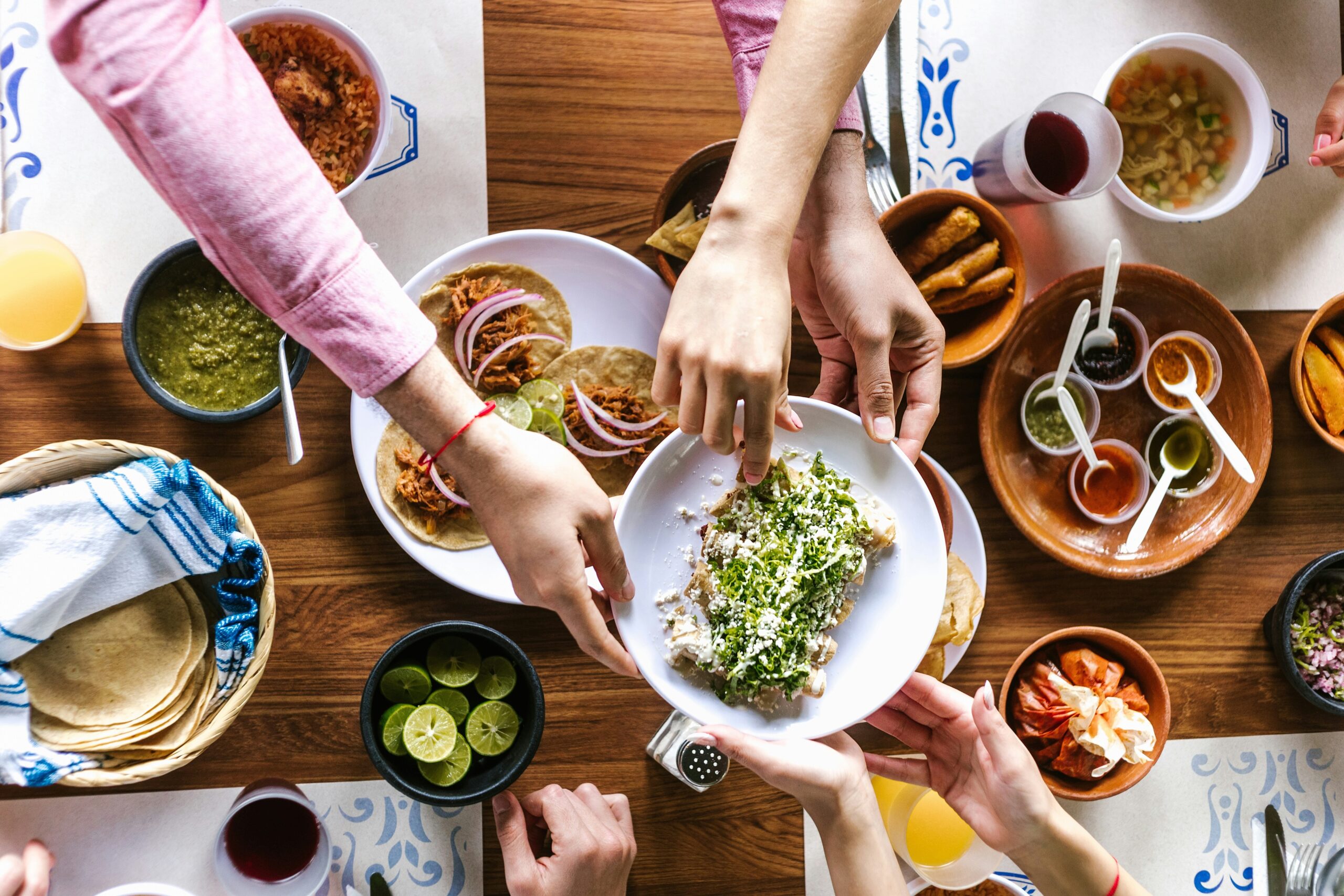
    While we may not trade spices for gold anymore, their influence on global cuisine remains. Many of today’s signature dishes trace their origins to these ancient trade networks, proof that food cultures are deeply intertwined.

    • Black Pepper & India’s Global ReachIndia was once the world’s most important source of black pepper, nicknamed “black gold.” Today, it’s hard to find a kitchen that doesn’t have a pepper grinder. From Italian cacio e pepe to Chinese pepper beef, its fiery bite is as global as ever.
    • Nutmeg’s Journey from Indonesia to the WorldOnce worth more than its weight in gold, nutmeg made its way from the Banda Islands to Europe, where it flavored medieval meats and desserts. Today, it’s a key ingredient in everything from béchamel sauce in France to Caribbean jerk seasoning.
    • Chilies from the Americas to AsiaBefore the 16th century, Indian, Thai, and Sichuan cuisine had no chili peppers—because they didn’t exist in Asia. Brought by Portuguese traders from the Americas, chilies revolutionized entire food cultures, giving us everything from kimchi’s heat to vindaloo’s spice.
    • Cinnamon’s Sweet and Savory InfluenceOriginally from Sri Lanka, cinnamon was treasured by the Egyptians, Romans, and Chinese alike. Today, it adds warmth to Moroccan tagines, Swedish cinnamon buns, and Vietnamese pho broth.

    The Future of Spice: New Blends, Old Traditions

    In today’s culinary landscape, chefs and home cooks alike are continuing to experiment with spice blends that bridge cultures. Fusion food isn’t new—it’s a continuation of a centuries-old tradition of global flavors meeting in unexpected ways.

    Think turmeric lattes (a modern take on India’s haldi doodh), Japanese shichimi togarashi seasoning burgers in California, or Middle Eastern za’atar dusted on everything from roasted vegetables to popcorn. The spirit of the spice trade lives on, blending past and present in the most delicious ways.

    So next time you shake a bit of cinnamon into your coffee or add a pinch of cumin to your stew, remember—you’re not just seasoning your food. You’re tasting history.

  • How Chefs Unwind: What Culinary Pros Eat (and Drink) at Home

    How Chefs Unwind: What Culinary Pros Eat (and Drink) at Home


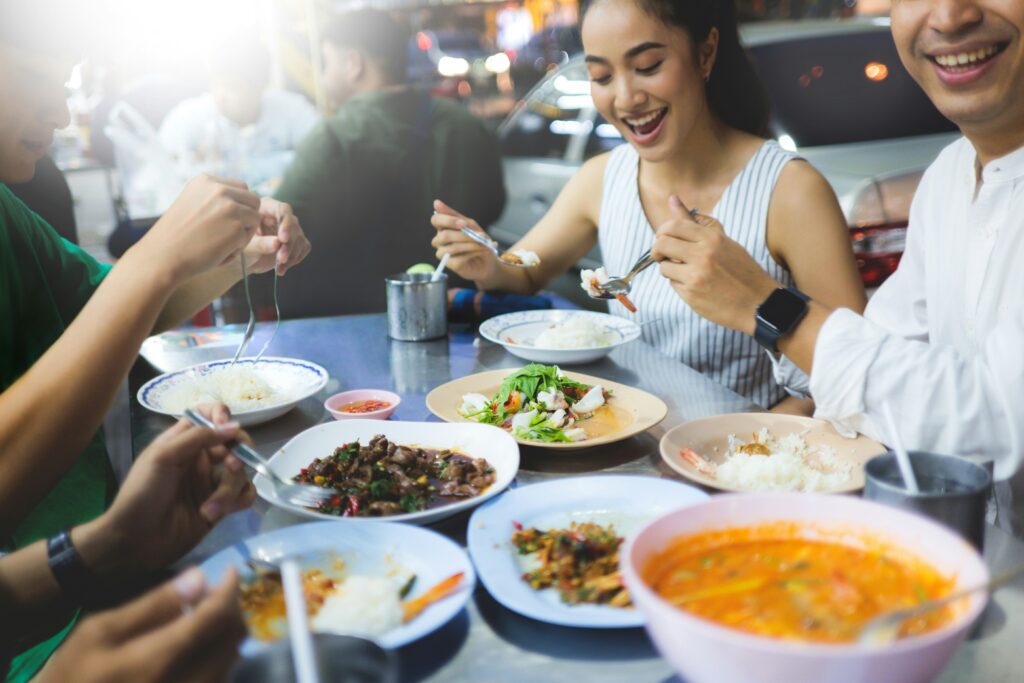
    After the last plate is wiped clean, the kitchen goes dark, and the guests have gone home, what do chefs reach for? Not the intricate dishes they plate for diners, but something personal. Comforting. Fast. Surprisingly simple.

    Lots of chefs head out to a late night dinner for some comfort food. But for many culinary pros, what happens at home is the true reward after a long night on the line—and it’s rarely haute cuisine.

    Late-Night Rituals After the Rush

    Service is physically demanding, emotionally charged, and creatively intense. So when it ends, unwinding isn’t just a want—it’s a need.

    Chef Mei Lin, a Top Chef winner and LA restaurateur, says her go-to late-night comfort is instant noodles. “It’s nostalgic. I’ll doctor it with sesame oil or leftover greens, but the simplicity is what I crave,” she says.

    Others go even more minimal. “After a double shift, give me scrambled eggs, toast, and a cold beer,” says Marcus Fairbanks, head chef at a Chicago gastropub. “That’s the reset button.”

    Comfort Over Complexity

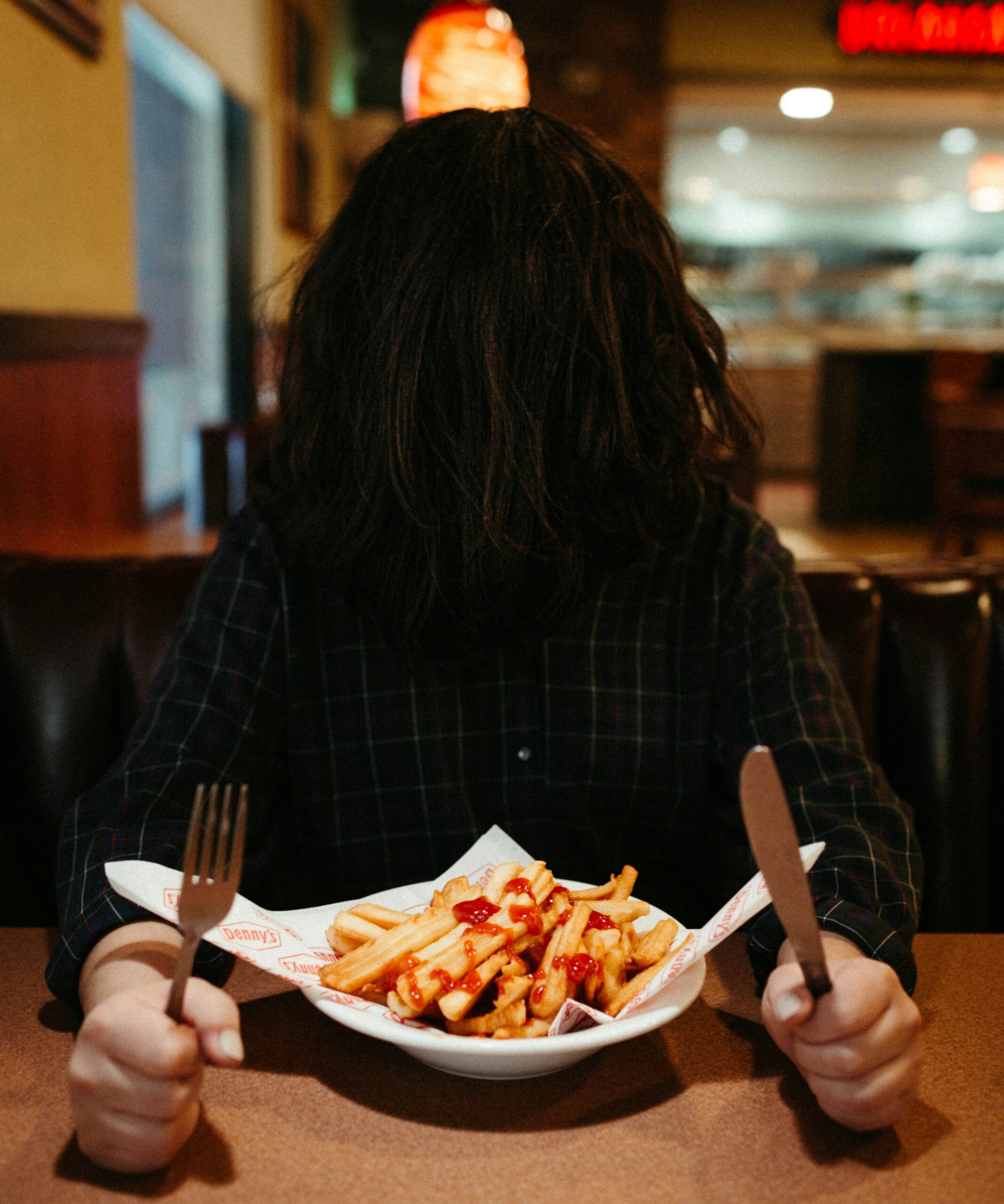
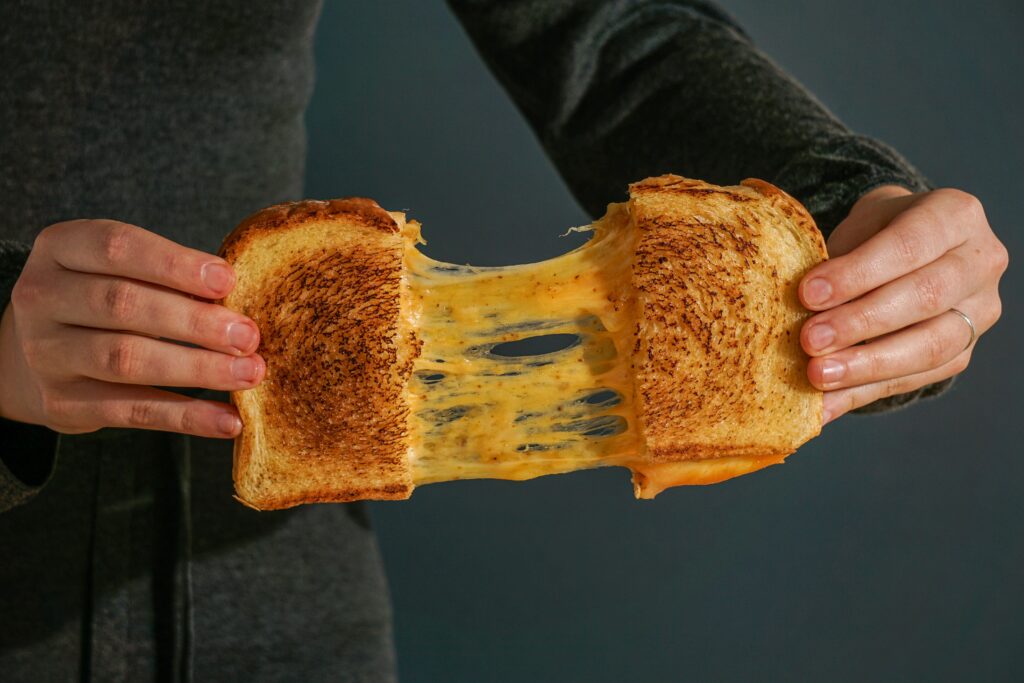
    There’s a surprising through-line: simplicity. Whether it’s a grilled cheese, a bowl of cereal, or rice with soy sauce and avocado, many chefs embrace humble, no-fuss meals when they’re off-duty.

    “It’s about removing decision fatigue,” explains Dana Shimizu, a private chef in New York. “I’ve made 200 tiny decisions all night—when I get home, I want something that makes itself.”

    That desire for comfort also extends to drinks. While some reach for beer or a neat whiskey, others keep it light: herbal teas, sparkling water, or a crisp glass of white wine. The point isn’t impressing anyone—it’s soothing themselves.

    Inside the Fridge of a Culinary Pro

    What’s actually stocked in a chef’s home kitchen? Often: leftovers from recipe testing, quality pantry staples, and cheat-day indulgences.

    Expect to find pickled things, great butter, high-end soy sauce, fancy chocolate, and a rotating cast of cheeses. “I always have good olives and a bottle of vermouth,” says Barcelona-based chef Lluís Montoya. “Sometimes that’s dinner.”

    And don’t forget the freezer. “It’s my best friend,” says pastry chef Alondra Chavez. “There’s always soup, frozen dumplings, and a tub of ice cream hidden in the back.”

    The Joy of Eating for Themselves

    At the heart of it, these meals are a return to self. They’re not plated for critics, built for menus, or optimized for Instagram. They’re food made by chefs—for themselves. And that’s something special.

    “After service, we get to reconnect with the pleasure of eating,” says Shimizu. “There’s no performance. Just flavor, memory, and whatever we feel like.”

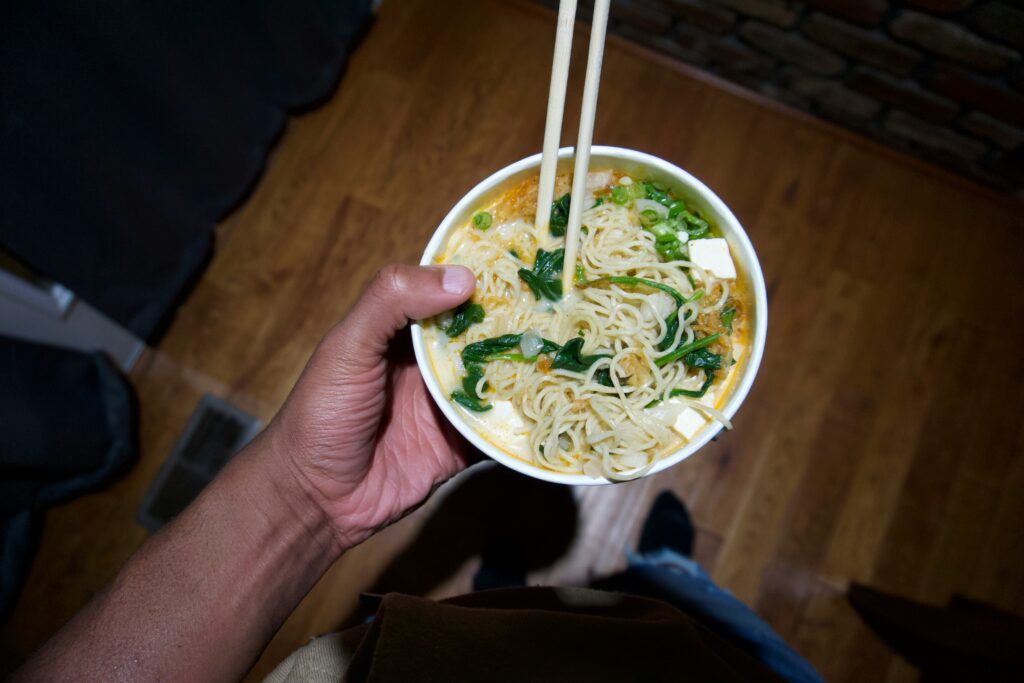
    So next time you imagine a Michelin-starred chef going home to sear scallops and build a beurre blanc, think again. Odds are, they’re curled up on the couch, chopsticks in one hand, and a bowl of instant ramen in the other—and loving every bite.

  • Wine and Wellness: Can You Drink Mindfully?

    Wine and Wellness: Can You Drink Mindfully?


    Wine culture and wellness might seem like an unlikely pairing. One conjures images of indulgent evenings and candlelit dinners, the other of green juice and yoga mats. But in a world increasingly drawn to balance over extremes, the two are no longer at odds. In fact, the intersection of wine and wellness is becoming its own lifestyle—one rooted in mindfulness, moderation, and deeper connection to what we consume.

    So can you drink wine and still prioritize your well-being? Experts—and a new wave of conscious consumers—say yes.

    Mindful Drinking Is a Movement

    Mindful drinking isn’t about abstinence. It’s about awareness—of what you’re drinking, how much, and why. “The goal is to enjoy alcohol in a way that enhances your life, rather than numbs or distracts from it,” says registered dietitian Melissa Liu. “Wine can absolutely be part of a healthy routine, when consumed intentionally.”

    That shift is reflected in changing habits. More people are swapping binge culture for “low and slow” sipping. Dry January has given rise to “Damp Lifestyle”—a year-round approach where drinking is occasional, social, and savored. And wine fits naturally into this ethos, especially when treated as an experience rather than a routine.

    The Wellness Side of Wine

    Let’s start with the facts: red wine contains antioxidants like resveratrol, which has been linked to heart health. Moderate wine consumption (usually defined as one glass per day for women, two for men) has also been associated with longevity in studies of Mediterranean diets.

    But wellness goes beyond biochemistry. “When people drink wine with a sense of occasion, paired with good food and conversation, the psychological benefits are just as real,” says holistic health coach Javier Ortega. “It’s about connection—to others, to tradition, to place.”

    The Rise of Better-for-You Bottles

    Wine producers are taking note of the demand for wellness-conscious options. Natural wines—made with minimal intervention, fewer sulfites, and no added sugar—are booming. Low-alcohol and even alcohol-removed wines are becoming more refined and flavorful, appealing to those who want the taste without the buzz.

    “There’s a new generation of winemakers who prioritize purity,” says Sofia Beltran, co-founder of a sustainable vineyard in Chile. “We see wine as part of a healthy lifestyle, one that honors the earth and the body.”

    Drinking with Intention

    So how can you drink wine more mindfully? Start with quality over quantity. Choose wines made with care and transparency. Take your time with each sip. Pair it with food. Share it with people you care about. And most importantly, listen to your body.

    “A glass of wine can be a beautiful ritual,” says Liu. “The key is tuning into how it makes you feel—physically, emotionally, energetically. That’s wellness, too.”

    A Culture Shift in the Making

    Gone are the days when indulgence had to mean excess. In today’s evolving food and drink landscape, pleasure and health aren’t opposites. They’re partners. And wine, with its centuries-old history and ever-expanding possibilities, is perfectly positioned to lead that conversation.

    Whether you’re exploring biodynamic bottles or just slowing down your Friday night pour, one thing is clear: mindful drinking isn’t about drinking less—it’s about experiencing more.

  • The Art of the Cocktail Garnish: From Minimalist to Maximalist

    The Art of the Cocktail Garnish: From Minimalist to Maximalist


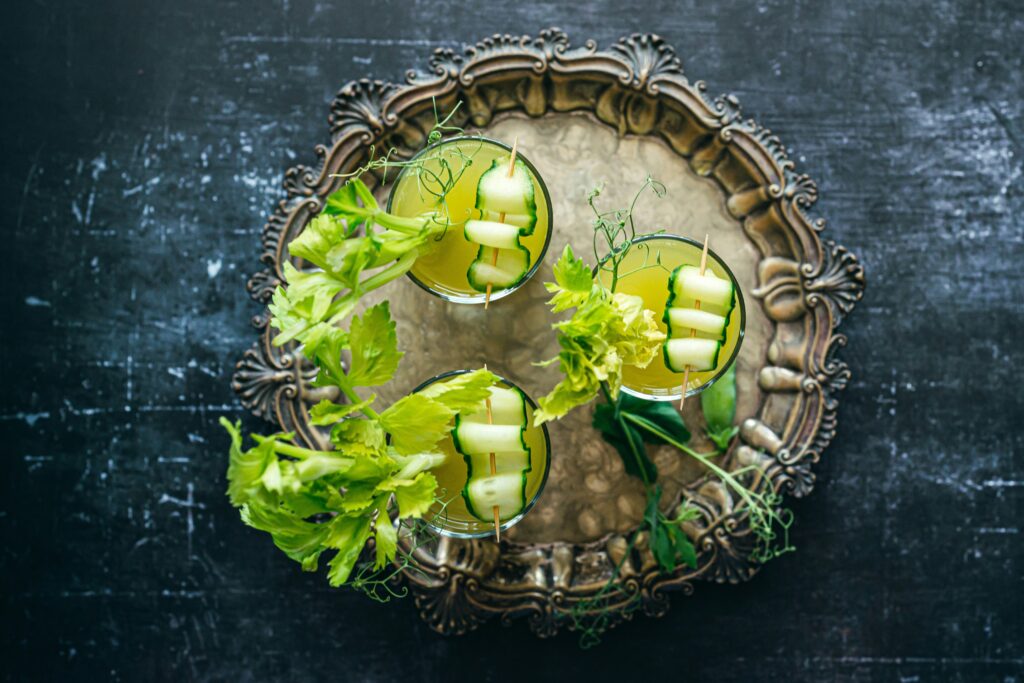
    A perfectly crafted cocktail is more than just a drink—it’s a visual moment. And nothing defines that moment more than the garnish. Once an afterthought, garnishes have become miniature works of art, helping drinks tell stories, express personalities, and go viral. From a single twist of lemon to a dramatic bouquet of herbs and dried flowers, the garnish is having a renaissance.

    Minimalist or maximalist? Your garnish style might say more about you than your drink order.

    The Rise of the Barely-There Garnish

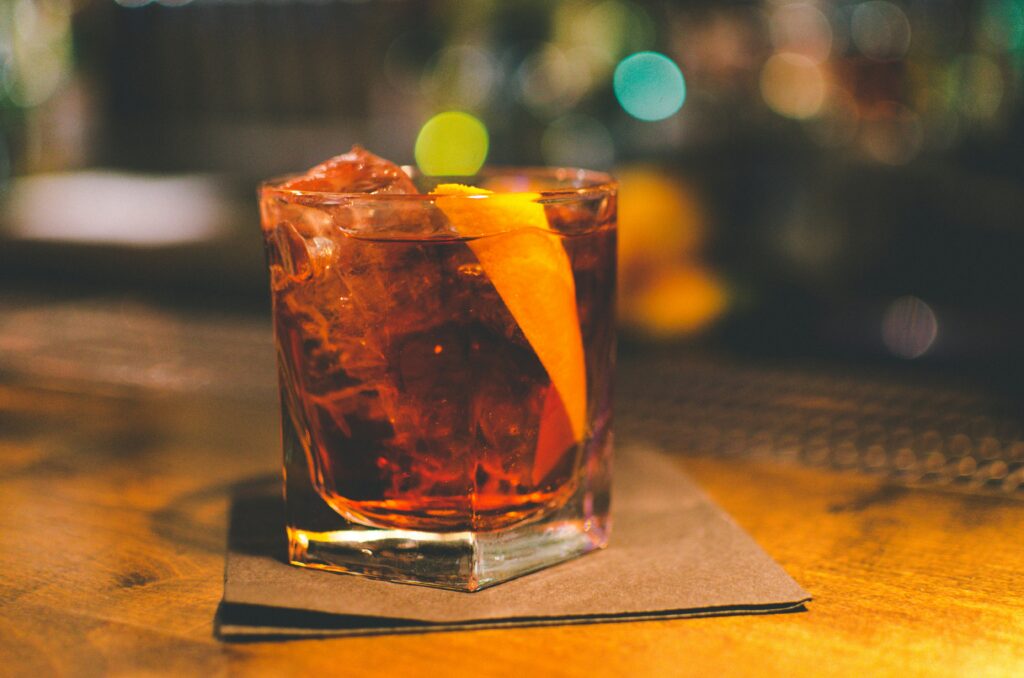
    Minimalist garnishes are all about restraint. Think a razor-thin lime wheel perched on a gimlet or a single, large ice cube with a perfectly placed orange peel in an Old Fashioned. These subtle choices suggest precision, balance, and quiet confidence.

    Bartenders embracing minimalism are often inspired by Japanese cocktail culture, where elegance and purity of flavor come first. In these drinks, the garnish doesn’t distract—it enhances. It’s for the cocktail purist who believes less is more, and who appreciates clean lines, crisp glassware, and symmetry.

    Maximalism: The More, The Merrier

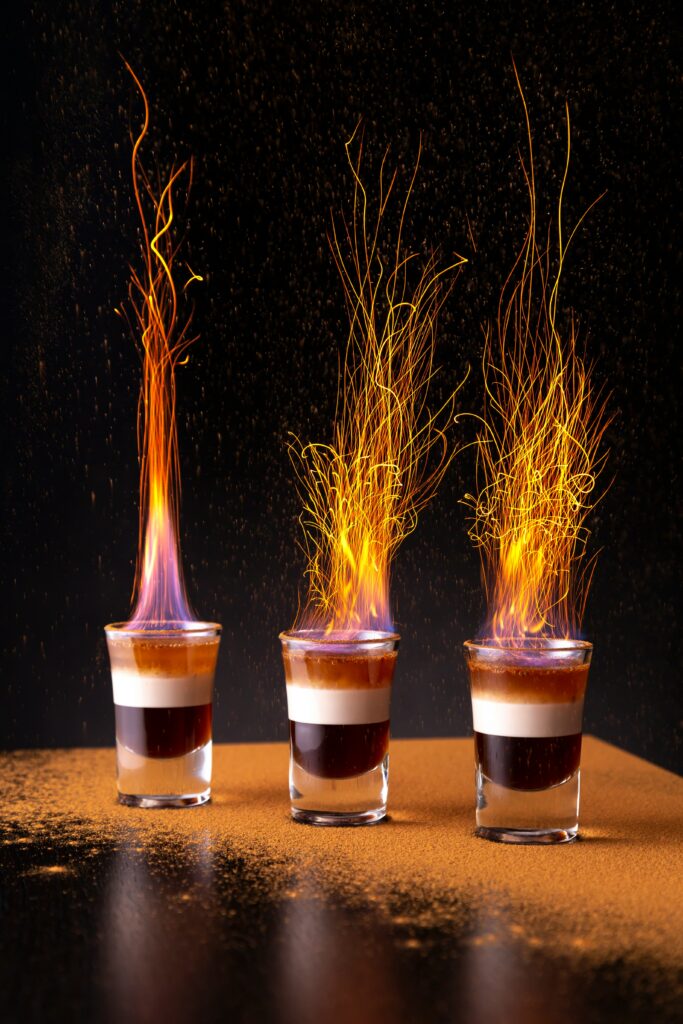
    At the other end of the spectrum, maximalist garnishes are big, bold, and unapologetically extra. We’re talking about Bloody Marys topped with mini cheeseburgers, piña coladas in hollowed-out pineapples, and smoky mezcal drinks crowned with a chili-salt rim, flaming rosemary sprig, and dehydrated citrus.

    This is the realm of the creative, the theatrical, the social media-savvy. Maximalist garnishes turn drinks into experiences. They invite conversation. They push boundaries. And they suggest a drinker who loves drama, flair, and maybe a little fun chaos.

    The Sustainable Garnish Movement

    As the garnish game has grown more elaborate, so has the push for sustainability. Many top bars now repurpose ingredients—citrus peels, spent herbs, dried fruit—to reduce waste. Dehydrated garnishes, herb ice cubes, and pickled accents are not only eco-conscious but also pack flavor and texture.

    It’s a reminder that the art of the garnish isn’t just about aesthetics—it’s also about intention.

    What Your Garnish Says About You

    Just like fashion or interior design, your garnish choice says a lot about your aesthetic. Are you the type who goes for a single sage leaf or a sugar-dusted pansy? You might lean toward the romantic, the refined, the detail-oriented. Prefer a sprig of mint so tall it brushes your eyebrows? You’re likely outgoing, bold, and love a little spectacle.

    Even bars are starting to build “garnish bars” where patrons can customize their drinks based on mood and flavor. Want to add a slice of candied ginger, a twist of grapefruit, or edible glitter? Go for it.

    A Drink That Speaks Before You Sip

    The next time your cocktail arrives, take a moment before you sip. Whether it’s adorned with a delicate flower or an entire snack, that garnish isn’t just for looks—it’s a statement.

    In today’s world of curated experiences and sensory storytelling, the garnish has become the exclamation point. How you end your sentence is up to you.

  • The Return of Table-Side Service: Why It’s Cool Again

    The Return of Table-Side Service: Why It’s Cool Again


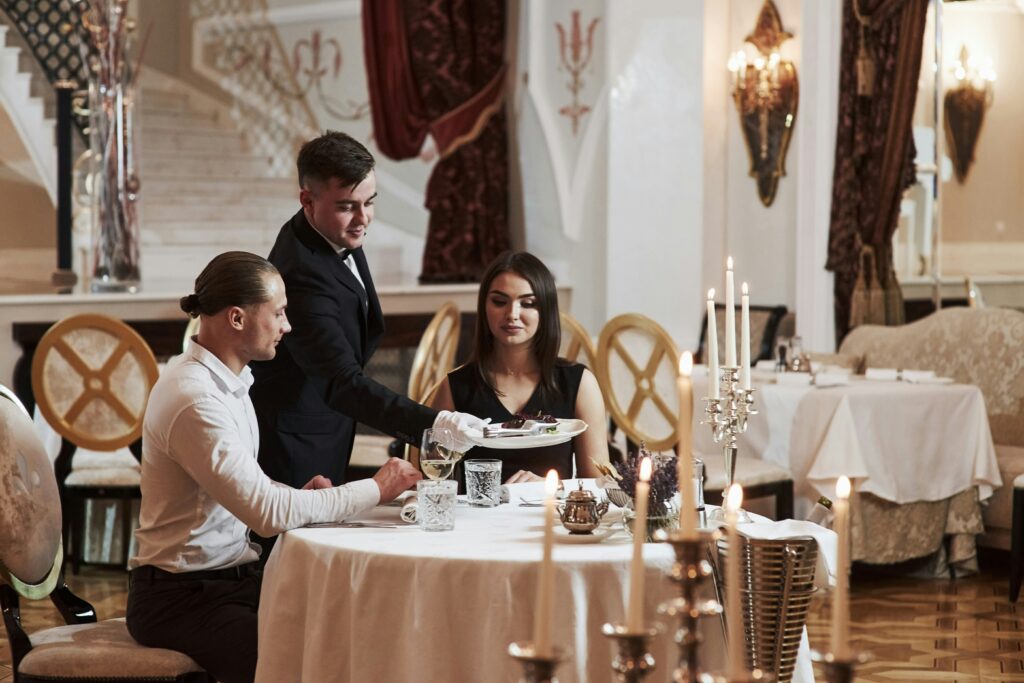
    There was a time when table-side theatrics—waiters flambéing desserts, tossing Caesar salads, or carving roast duck—felt like relics from a more formal dining era. But lately, what was once old-school is new again. From New York to Bangkok, high-end and hip restaurants alike are reviving the charm of tableside service. Why? Because in a world of fast food and digital ordering, the personal touch is suddenly… cool again.

    Here’s why the return of table-side service is one of the tastiest trends in hospitality.

    A Show With Your Supper

    Let’s be honest—food always tastes better when it comes with a little drama. A flaming crêpe suzette ignited at your table or a martini stirred in a vintage silver shaker right in front of you does more than just whet the appetite. It builds anticipation. It transforms a meal into a performance.

    Today’s diners, especially younger audiences, are craving experiences as much as meals. Table-side service offers just that. It’s not just about what you eat—it’s how it’s served. In an age of Instagram and TikTok, the sizzle and swirl of something made just for you at your table is worth more than a thousand hashtags.

    A Nod to Craft and Care

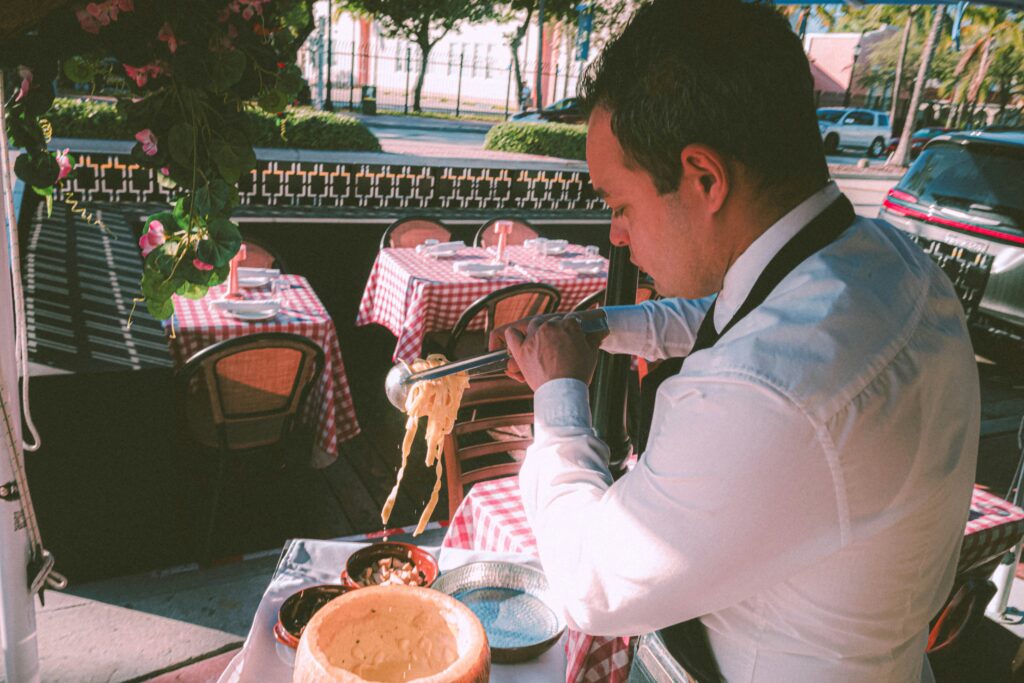
    There’s something deeply satisfying about seeing a dish assembled by hand, right before your eyes. Whether it’s a Caesar salad with anchovy paste folded into the dressing or a pasta dish finished in a giant wheel of Parmigiano-Reggiano, table-side service puts craftsmanship front and center.

    It tells the diner: we care. We’re not just delivering food—we’re curating a moment. It emphasizes the idea that hospitality isn’t just about efficiency; it’s about connection, storytelling, and generosity.

    Modern Twists on Vintage Flair

    The new generation of table-side service isn’t always about tuxedoed servers and white-glove formality. In fact, many modern restaurants are reimagining it with playful, updated energy.

    You might see a mezcal cocktail smoked and swirled at your table with local herbs. Or a tartare made to your taste on a custom cart wheeled over with a mix of international condiments. The tools are old, but the attitude is fresh.

    It’s not about reenacting the past—it’s about reinterpreting it with style, humor, and flair.

    Luxury, Reimagined

    For many diners, table-side service also evokes a feeling of old-school luxury—the kind that once defined cruise ships, supper clubs, and five-star hotels. But what’s interesting now is how it’s being democratized. You no longer need a black card or a special occasion to enjoy the magic.

    At some places, the server will mix your margarita table-side because it’s Tuesday. A brûlée torch might be whipped out just because you ordered the special. It feels indulgent without being inaccessible.

    The Future of Dining Is Personal

    As restaurants bounce back from the pandemic, one thing is clear: people want more intimacy and connection when they go out. Table-side service checks that box. It invites interaction. It sparks conversation. And in many ways, it slows things down—in the best way.

    It also gives the staff a chance to shine. Whether it’s a bartender walking you through the ingredients of your Old Fashioned or a server explaining the layers of a dessert, these moments build relationships between diner and restaurant. And that loyalty is priceless.

    So the next time you’re dining out and a cart rolls up to your table, lean in. The return of table-side service is more than a trend—it’s a small, theatrical reminder that dining can still be full of wonder.

  • Style on Tap: What Your Drink Order Says About Your Look

    Style on Tap: What Your Drink Order Says About Your Look


    We all know your drink of choice can say a lot about your personality—but what if it also says something about your style? At Tasted.TV, we spend a lot of time thinking about what we sip and how we live. So we started pairing our favorite beverages with the aesthetics they seem to channel. The result? A delicious mix of cocktails, craft beers, and bold looks worth raising a glass to.

    Here’s our guide to what your drink order might reveal about your wardrobe—and maybe your whole vibe.

    The Espresso Martini: Sleek, Chic, and Always in Control

    If you gravitate toward an espresso martini, there’s a high chance you know how to pull off a monochrome moment. Your closet is full of black blazers, pointed-toe boots, and statement gold accessories. You thrive at rooftop bars and gallery openings. The espresso martini is a drink that says, “I’ve arrived—and I’ve already answered all my emails.”

    Style match: Tailored silhouettes, dark neutrals, and sharp accents

    Vibe: Power lunch meets late-night lounge

    IPA Enthusiast: Vintage Denim and Laid-Back Layers

    The IPA lover is effortlessly cool. Think thrifted Levi’s, worn-in flannels, and ironic trucker hats. You’re probably carrying a reusable tote and know where the best food truck is parked tonight. You appreciate complexity—both in your hops and your closet. The more obscure the brewery, the better.

    Style match: Casual, layered, and a little nostalgic

    Vibe: Indie record store meets craft beer bar

    Natural Wine Drinker: Earthy Tones and Quiet Luxury

    Natural wine has become the darling of a certain aesthetic: think linen everything, hand-thrown ceramics, and slow Sundays. If this is your pour, you probably lean into subtle, elegant dressing. You favor clothes with stories—vintage finds, small-batch labels, and anything ethically made. You might not wear loud prints, but you definitely make a quiet statement.

    Style match: Flowy fits, earthy neutrals, and timeless cuts

    Vibe: Farmers market meets Parisian café

    Whiskey Neat: Rugged Refinement

    Ordering whiskey neat suggests confidence and a love of craft. Your style follows suit: leather jackets, raw denim, heritage watches. You appreciate the details—quality stitching, aged wood, and good tailoring. You’re not trying to impress anyone, which ironically makes you even cooler.

    Style match: Classic Americana with a modern twist

    Vibe: Cabin bar meets speakeasy

    The Classic Martini: Timeless Glamour

    Ordering a gin martini (or vodka, we’re not judging) says you appreciate the classics. You probably own a great trench coat, red lipstick that works in every season, and more than one pair of tailored trousers. You understand how to invest in style and how to make it your own. Everything about you says “icon.”

    Style match: Polished, minimal, and bold in the right places

    Vibe: Old Hollywood meets downtown cocktail bar

    Aperol Spritz: Light, Playful, and European Chic

    If your go-to is an Aperol spritz, you’re the life of the patio. You love color, prints, and dressing with a sense of fun. Think sundresses, espadrilles, or a well-pressed linen shirt with retro sunglasses. You’re nostalgic for Italian summers—whether you’ve had one or not—and your style says so.

    Style match: Bright hues, breezy fabrics, and effortless flair

    Vibe: Amalfi Coast meets rooftop brunch

    Match Your Drink, Match Your Mood

    At the end of the day, we drink what we love—and wear what makes us feel alive. But if you’ve ever wondered why your closet pairs so perfectly with your go-to order, you’re not imagining things. Taste, like style, is deeply personal and surprisingly revealing.

    So next time you pour something special, take a look in the mirror. Your drink might be telling a whole story.

  • Raising a Glass: Craft Beer Around the Globe

    Raising a Glass: Craft Beer Around the Globe

    Craft beer is no longer just a hipster trend or a backyard experiment—it’s a global movement. From Tokyo to Toronto, small-scale brewers are challenging the status quo, experimenting with ingredients, and creating a rich tapestry of flavors that reflect local cultures and global curiosity. What began as a rebellion against bland, mass-produced lagers has become a vibrant, international community rooted in creativity, authenticity, and flavor.

    North America: The Pioneer

    The United States is widely credited with igniting the modern craft beer revolution. In the 1980s, pioneers like Sierra Nevada and Anchor Steam paved the way for thousands of independent breweries to emerge. Today, cities like Portland, Denver, and Asheville are synonymous with IPAs, barrel-aged stouts, and innovative sour beers. Canada has followed closely behind, with vibrant scenes in Vancouver, Montreal, and Toronto, where brewers draw inspiration from local ingredients and European traditions.

    Europe: Old World Meets New Tricks

    Europe has long been home to historic brewing cultures—Belgium with its Trappist ales, Germany with its Reinheitsgebot-pure lagers, and the UK with its beloved bitters and porters. But craft beer is reshaping these traditions. In Copenhagen, Mikkeller helped kickstart Scandinavia’s experimental brewing scene. In Italy, birra artigianale is booming, often using wine grapes, chestnuts, and local herbs. Even traditional powerhouses like Munich and Brussels are seeing a new generation of brewers redefining what beer can be, while still honoring heritage.

    Asia: Innovation Meets Identity

    Asia’s craft beer scene is younger but growing fast. In Japan, meticulous brewing meets wild creativity—think yuzu IPAs and matcha-infused stouts. Breweries like Hitachino Nest are winning international fans, while microbreweries in Tokyo and Kyoto thrive on community and experimentation.

    In China, the craft beer wave is surging. Beijing and Shanghai have become hubs for expats and locals thirsty for new experiences, with breweries like Jing-A and Great Leap Brewing leading the charge. Thailand, Vietnam, and South Korea are also seeing major growth, with brewers tapping into tropical fruits, native spices, and street food culture for inspiration.

    Latin America: Bold and Local

    From Mexico City to Buenos Aires, craft brewers are blending local tradition with global style. In Brazil, Amazonian ingredients like cupuaçu and açaí find their way into funky farmhouse ales. In Argentina, malbec barrel-aged beers nod to the country’s famous wines. And in Mexico, cervecerías are reviving pre-Hispanic ingredients like corn and cacao to make beers that feel both new and deeply rooted in culture.

    Africa & The Middle East: Brewing Against the Odds

    Though challenges remain, the craft beer movement is gaining ground across Africa and the Middle East. South Africa’s Cape Town and Johannesburg are home to a growing scene, blending Western styles with indigenous grains and local botanicals. In the Middle East, where alcohol laws vary, breweries like Jordan’s Carakale and Israel’s Dancing Camel push boundaries with bold flavor and resilience.

    What’s Next

    Craft beer is more than just hops and yeast—it’s a cultural exchange in a glass. It tells stories about place, people, and palate. It celebrates diversity, both in taste and tradition. And as brewers continue to innovate, collaborate, and redefine what beer can be, craft beer becomes a liquid map of global curiosity.

    So whether you’re sipping a saison in Paris, a gose in Seoul, or a porter in Portland, one thing’s clear: the craft beer movement is here to stay, and it’s brewing something delicious—everywhere.