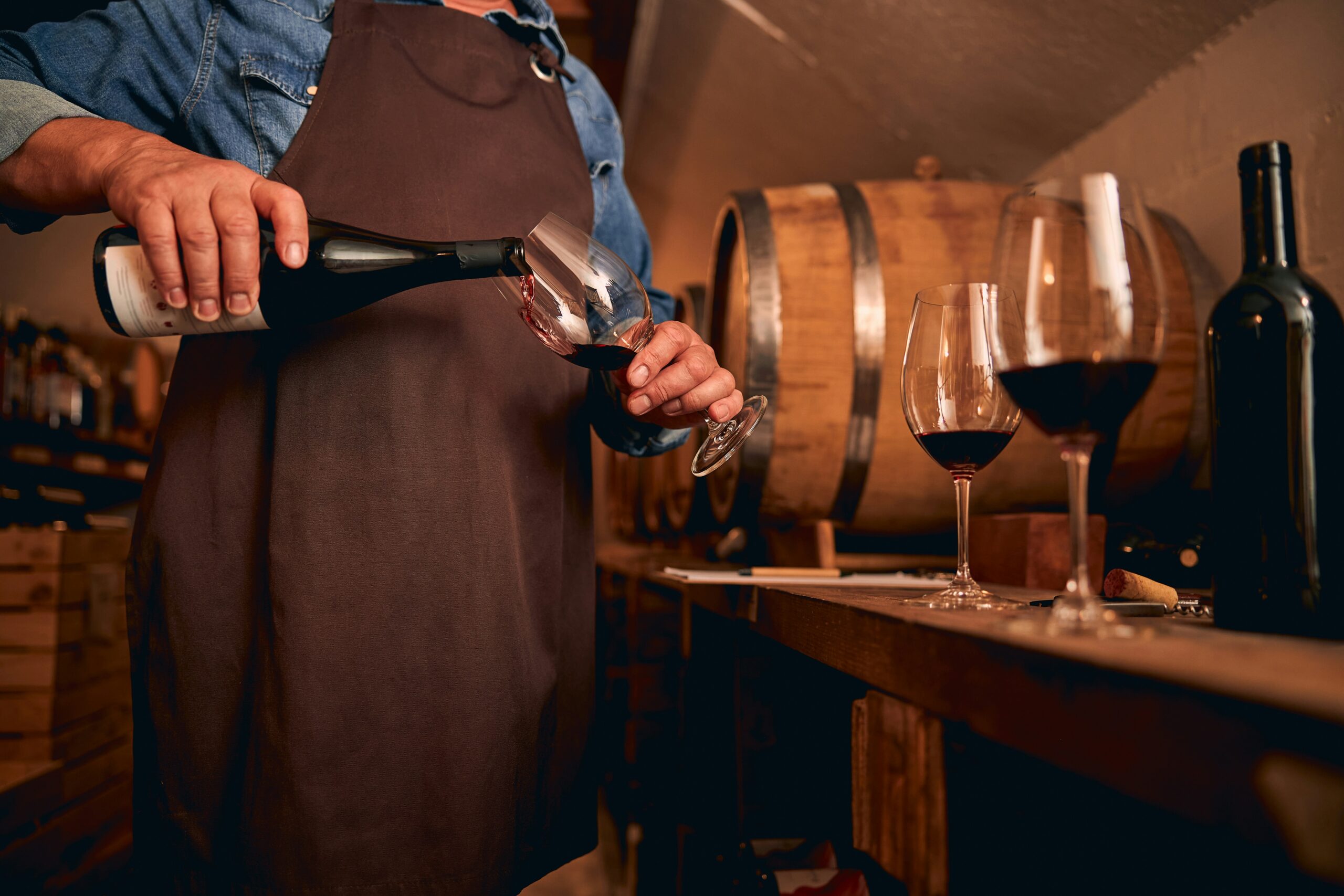
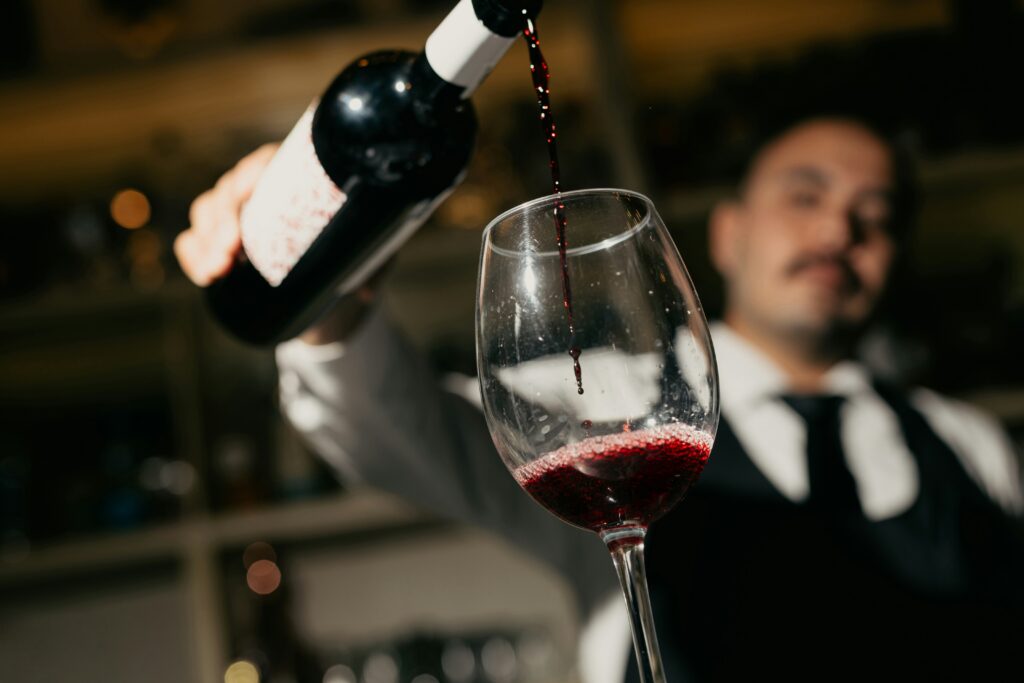
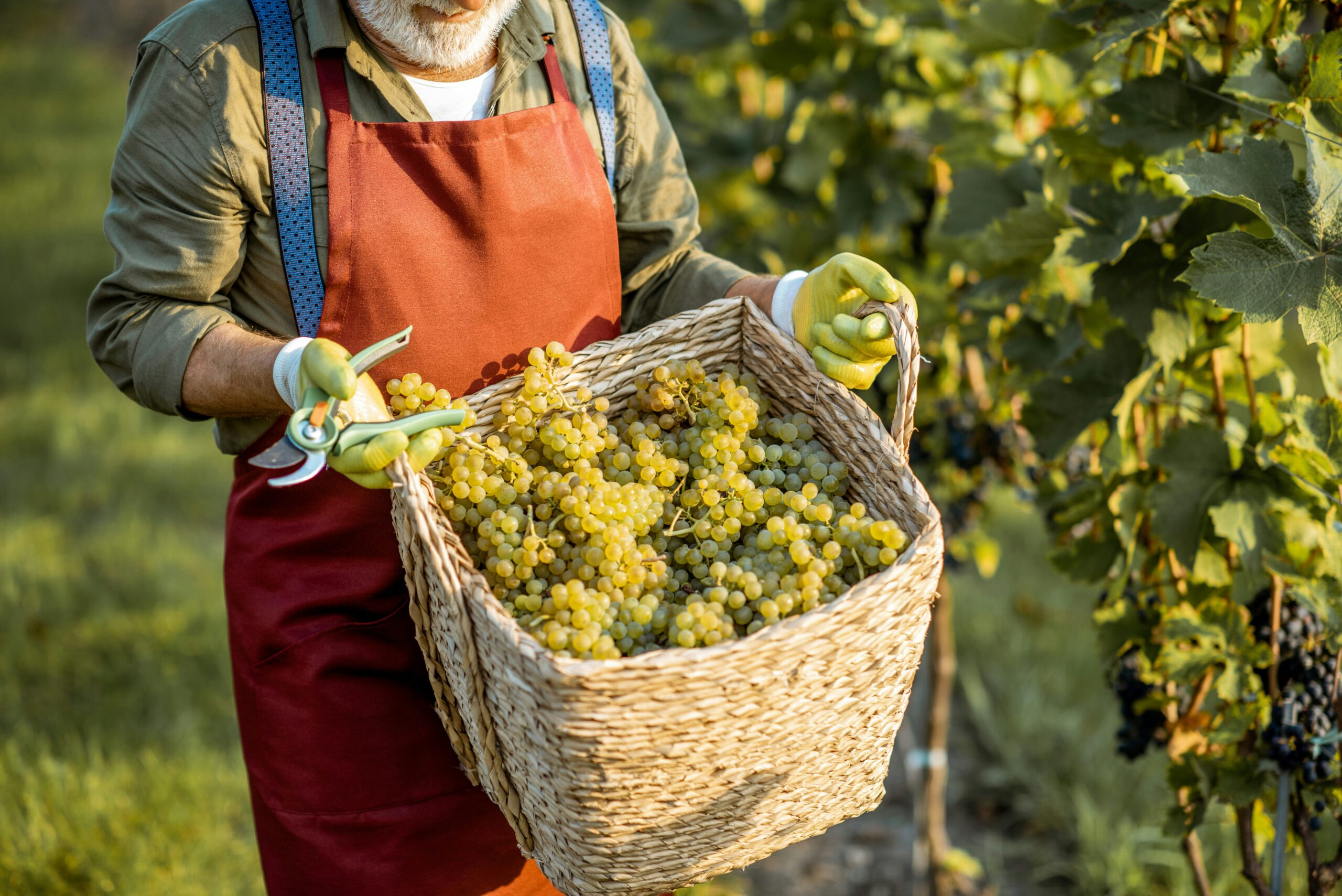
Wine lovers, gather ’round. We have breaking news that will shake the very foundations of your swirling, sniffing, and sipping rituals. Scientists—well, one scientist—has just discovered that most people have been drinking wine completely wrong. And no, this is not about aerators or decanting. It turns out, you’ve been drinking from the wrong side of the bottle.
For centuries, sommeliers and winemakers have quietly chuckled behind closed cellar doors, watching unsuspecting wine enthusiasts unknowingly pour their glass from what’s now being referred to as the “inferior side.” The truth? Every wine bottle has a left and a right side, and if you’re drinking from the wrong one, you might as well be sipping grape juice with a splash of regret.
According to Dr. Vinny Tinto of the International Institute of Beverage Bamboozlement, the side of the bottle exposed to more light and gravitational pull develops deeper complexity and flavor. “We conducted extensive blind tastings,” Dr. Tinto claims, “and found that 89% of tasters preferred wine poured from the ‘superior side’ of the bottle—though they weren’t sure why.” The study results were so shocking that top wineries are now considering labeling bottles with directional arrows to help guide consumers.
So, how can you tell which side is which? That’s where things get tricky. Sommeliers have long used a highly classified technique known as the “Label Alignment Method,” which suggests that if the bottle is rotated exactly 38 degrees clockwise while being poured, the wine aligns with the correct gravitational flow. Others insist that a quick chant of “left swirl, right thrill” before pouring ensures optimal taste.
If all of this seems a little overwhelming, don’t panic just yet. Some experts argue that, in reality, it’s not the side of the bottle that matters—it’s what’s in your glass that counts. But why take the risk? The next time you uncork a nice Bordeaux or that “fancy” bottle you bought on discount, pause and consider: are you drinking from the correct side?
Happy April Fools’ Day, and may your wine always land in the superior side of your glass—whatever that means.
We are well into 2025, with April right around the corner. Have you made travel plans yet? For those who love to explore the world through their taste buds, food festivals are the ultimate travel experience. From buttery lobster in Maine to rich chocolate in Ecuador, these festivals celebrate regional flavors, culinary craftsmanship, and cultural traditions. Here are ten must-visit food festivals from spring to winter in 2025 that should be on your travel itinerary.
1. Maine Lobster Festival – Rockland, Maine, USA (July 30 – August 3, 2025)
Nothing says summer like fresh lobster, and this legendary festival in Rockland is a crustacean lover’s dream. Over five days, thousands of pounds of lobster are cooked in the world’s largest lobster cooker and served in every imaginable form—rolls, bisques, and even deep-fried. Beyond the food, there’s a parade, live music, local craft beers, and the beloved (and hilarious) lobster crate race, where contestants try to run across floating crates without taking an unplanned dip in the harbor.
2. Galway International Oyster & Seafood Festival – Galway, Ireland (September 26–28, 2025)
This is the world’s longest-running oyster festival, and for good reason. Each September, the charming Irish city of Galway transforms into a seafood paradise, celebrating the start of oyster season with tastings, cooking demonstrations, and the World Oyster Opening Championship. Pair the briny bivalves with a crisp pint of Guinness and soak up the festival atmosphere with live music and vibrant parades.
3. Houston Barbecue Festival – Houston, Texas, USA (April 6, 2025)
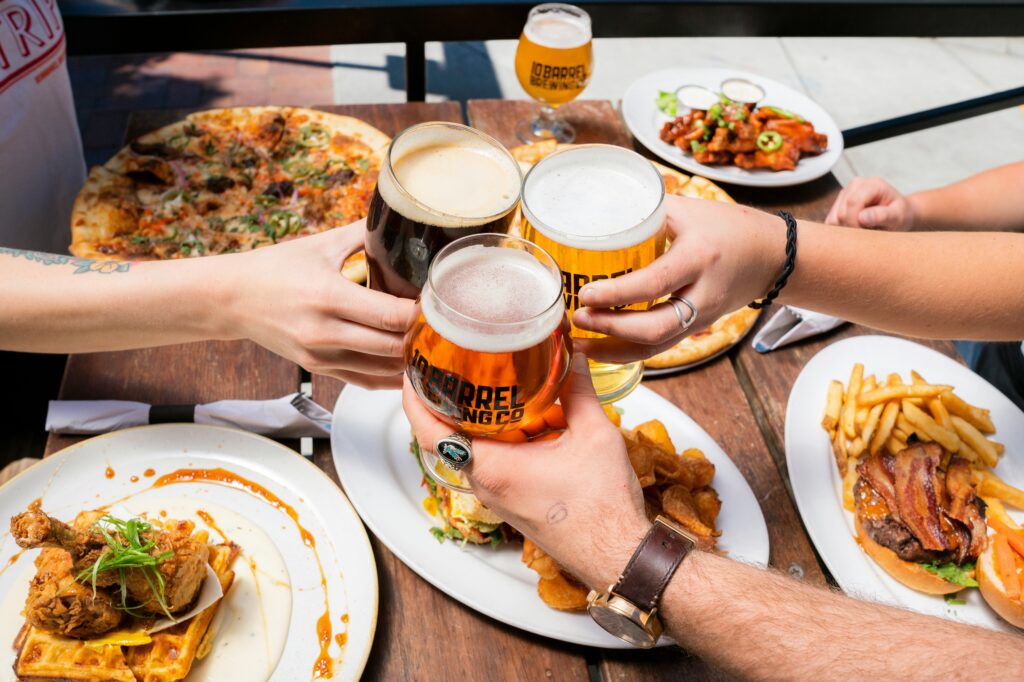
For barbecue enthusiasts, this festival is a pilgrimage. Houston’s finest pitmasters gather to serve up a mouthwatering spread of brisket, ribs, smoked sausages, and pulled pork. The event showcases Texas’ legendary barbecue culture, where slow-cooked meats and secret rubs create flavors worth traveling for. Wash it all down with local craft beers while soaking in the smoky, meaty goodness.
4. Bordeaux Wine Festival – Bordeaux, France (June 2025)
Every two years, Bordeaux hosts a wine festival that transforms the city’s waterfront into a sprawling “wine road.” This event is a must for wine lovers, featuring tastings from the region’s famed vineyards, including Saint-Émilion and Pomerol. Beyond wine, the festival offers gourmet food pairings, fireworks, music, and interactive wine workshops. The scenic setting along the Garonne River makes for an unforgettable experience.
5. Melbourne Food & Wine Festival – Melbourne, Australia (March 2025)
Melbourne’s culinary scene is one of the most dynamic in the world, and this festival highlights its diversity. From intimate dinners with world-class chefs to the famous “World’s Longest Lunch” (a 500-meter-long communal feast), the festival offers an array of experiences for food lovers. Expect everything from fresh seafood to innovative plant-based cuisine, all paired with the best Australian wines.
6. Salon del Chocolate – Quito, Ecuador (June 2025)
For chocoholics, Ecuador’s Salon del Chocolate is heaven on earth. The country is home to some of the world’s best cacao, and this festival is a deep dive into the art of chocolate making. Visitors can sample handcrafted chocolates infused with exotic flavors, attend masterclasses with top chocolatiers, and discover why Ecuadorian chocolate is prized for its rich, floral notes.
7. Bangkok Vegetarian Festival – Bangkok, Thailand (October 1–10, 2025)
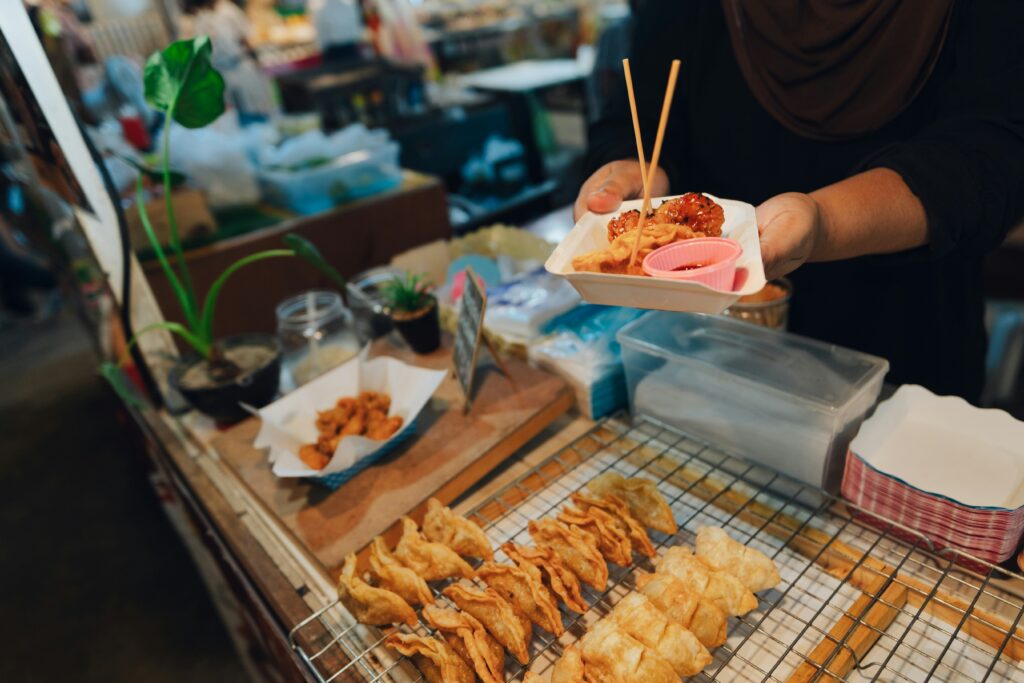
For ten days, Bangkok’s Chinatown is transformed into a vibrant street food haven celebrating vegan cuisine. The festival, rooted in Taoist tradition, features an incredible variety of meat-free dishes, including mock meats that look and taste astonishingly like the real thing. Alongside the food, expect colorful processions, traditional performances, and the mesmerizing spectacle of firewalking ceremonies.
Of course many Thais will tell you the real celebration happens at its origin in Phuket, but Bangkok’s is more accessible to foreign travelers.
8. Spirit of Speyside Whisky Festival – Speyside, Scotland (May 1–5, 2025)
Whisky lovers should mark their calendars for this immersive celebration in the heart of Scotland’s whisky country. The festival offers behind-the-scenes tours of iconic distilleries, exclusive tastings of rare single malts, and scenic adventures through the Speyside region. Whether you’re a whisky connoisseur or a curious beginner, this festival delivers a perfect blend of tradition, storytelling, and fine spirits.
9. International Paella Competition – Valencia, Spain (September 7, 2025)
If you think you know paella, think again. In the small town of Sueca, just outside Valencia, the world’s best paella chefs gather to compete for the title of the ultimate paella master. The competition honors the dish’s traditional roots—only the strictest list of ingredients is allowed—but visitors can sample a variety of versions, from seafood-infused to hearty meat paellas. The festival is a full-fledged cultural experience, complete with music, dancing, and plenty of Spanish wine.
10. Oktoberfest Blumenau – Blumenau, Brazil (October 8–27, 2025)
Munich’s Oktoberfest may be world-famous, but this lesser-known version in Brazil is a fantastic alternative. Blumenau, founded by German immigrants, hosts a beer festival that rivals its Bavarian counterpart, complete with authentic German brews, bratwurst, and oompah bands. The South American twist? Expect samba-infused celebrations and plenty of sunshine, making it a unique fusion of German tradition and Brazilian flair.
Food is one of the most immersive ways to experience a culture, and these festivals offer a delicious excuse to pack your bags and explore. Whether you crave fresh seafood, smoky barbecue, or the perfect glass of wine, there’s a festival waiting to indulge your taste buds in 2025.
Few things in the wine world have a backstory quite as dramatic as Beaujolais. It’s a tale of royal decrees, banishments, and ultimate redemption—a story of one grape’s fall from grace and its triumphant comeback just south of Burgundy. It all started in the 14th century, when one powerful man decided Gamay was simply not worthy of his kingdom.
Philip the Bold, Duke of Burgundy, wasn’t just another noble with a taste for good wine—he was a shrewd strategist who understood the value of branding before branding was even a thing. He had big plans for Burgundy, and those plans revolved around Pinot Noir. It was elegant, refined, and—most importantly—expensive. The perfect wine for aristocrats. But there was a problem. A scrappy little grape called Gamay was starting to gain ground in Burgundy’s vineyards, and Philip wasn’t having it.
Unlike Pinot Noir, which required patience and careful cultivation, Gamay was the easygoing workhorse of the vineyard. It grew faster, produced higher yields, and made bright, fruit-forward wines that were ready to drink almost immediately. To the hardworking farmers, this was a dream come true—a steady source of income without the long wait. But to Philip, it was a direct threat to Burgundy’s reputation. If people started associating his prized wine region with Gamay’s easy-drinking, lower-cost bottles, Burgundy’s prestige would take a hit. So, in 1395, he issued an edict that would change the course of wine history.
In what can only be described as one of the most dramatic takedowns in viticulture, Philip called Gamay a “very bad and disloyal plant” and ordered it banished from Burgundy. If you were a winemaker growing Gamay within his territory, you had two choices: rip up your vines or get out. The grape was exiled, forced to find a new home beyond the southern border of Burgundy, in the rolling hills of what would become Beaujolais.
But here’s the twist: Gamay didn’t just survive—it thrived. Beaujolais turned out to be the perfect place for it.
The granite-rich soil, combined with the warm summers and cool winters, gave Gamay a whole new dimension. The wines took on a lively, juicy character, bursting with flavors of red berries, violets, and a touch of spice. It wasn’t long before Beaujolais carved out its own identity, separate from Burgundy, and proved that Philip’s so-called “evil” grape was actually a hidden gem.
Fast forward to the 20th century, and Beaujolais was about to have its moment in the spotlight. Enter Beaujolais Nouveau—the fresh, young wine that would take the world by storm. Traditionally, winemakers in the region would make a quick, fruity wine to celebrate the end of the harvest. It was meant for local consumption, nothing too serious. But in the 1950s, some clever marketing minds saw an opportunity. What if they turned this into an event? A race to release the first wine of the vintage, just weeks after harvest?
The idea exploded. By the 1970s and ‘80s, Beaujolais Nouveau had become a global phenomenon. Every third Thursday in November, the wine would hit the shelves with a wave of celebrations, complete with parties, fireworks, and the famous slogan: “Le Beaujolais Nouveau est arrivé!” Bars from Paris to Tokyo would compete to get their hands on the first bottles, and for a while, Beaujolais was the most talked-about wine in the world.
But trends are fickle, and by the 1990s, Beaujolais Nouveau’s reputation started to suffer. Critics dismissed it as a gimmick—an overhyped, underwhelming wine that wasn’t worth the fuss.
To be fair, they had a point. In the rush to produce massive quantities, quality often took a backseat, and people started associating Beaujolais with thin, forgettable wines. Sales declined, and the region found itself in a bit of an identity crisis.
But just like Gamay all those centuries ago, Beaujolais wasn’t going down without a fight. A new generation of winemakers stepped in, determined to remind the world that Beaujolais was more than just Nouveau. They focused on the region’s ten crus—the top-tier villages that produce seriously good wine. These are wines with depth, complexity, and aging potential, far removed from the quick-and-easy Nouveau. Wines from places like Morgon, Fleurie, and Moulin-à-Vent have slowly but surely been reclaiming Beaujolais’ reputation, earning the respect of critics and wine lovers alike.
Today, Beaujolais is in the midst of a quiet renaissance. The hype around Nouveau has settled, but in its place is a newfound appreciation for the region’s versatility. Whether you’re after a fresh, chillable red for a summer afternoon or a structured, age-worthy bottle to pair with dinner, Beaujolais has something to offer. And it all started with one grape’s forced exile, centuries ago.
So the next time you pour a glass of Beaujolais, raise it to Gamay—the grape that refused to be written off. Because sometimes, being cast aside is the best thing that can happen.
Chile isn’t just producing great wines—it’s producing stories worth telling. Each winery has its own identity, a unique approach, and a reason it stands out. Some have shaped the country’s winemaking history, others have redefined certain grape varieties, and a few have created experiences so immersive that wine becomes more than just something to drink—it becomes something to feel.
Here’s a look at three wineries that helped put Chile on the world wine map.
Montes – The Harmony of Wine, Feng Shui, and a Perfect Carmenère
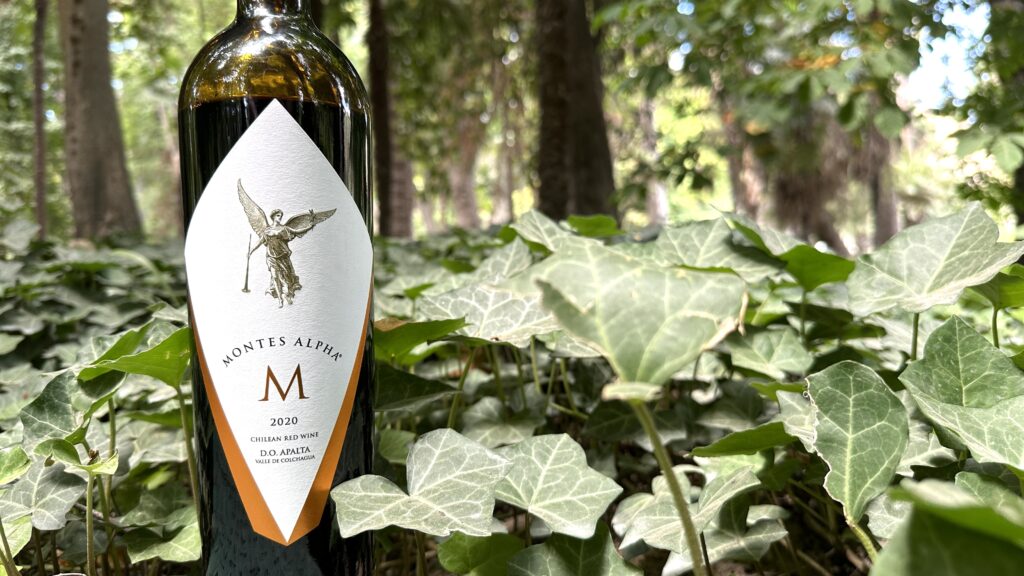
If there’s one wine that’s come to define Chile’s reputation for world-class reds, it’s Montes Purple Angel. This wine is Carmenère at its finest—a bold, velvety, dark-fruited masterpiece that shows just how much depth and complexity this once-forgotten grape can achieve. It’s rich with flavors of blackberry, blueberry, dark chocolate, and spice, with smooth, lingering tannins that make it a dream alongside grilled meats or aged cheeses.
But Montes is more than just wine—it’s an experience. Designed with Feng Shui principles, the winery itself is a masterpiece of balance and energy, carefully constructed to harmonize with the surrounding landscape. Water flows through the property, wooden elements bring warmth, and massive windows invite natural light, creating an environment that feels as serene as it is inspiring.
And then there’s the restaurant. At Fuegos de Apalta, run by renowned Argentine chef Francis Mallmann, you can dine under the shade of grapevines, sipping a glass of Purple Angel while enjoying fire-kissed meats and vegetables. It’s a setting that turns wine into something more than a beverage—it becomes part of a moment, part of a story.
Viña Leyda – A Coastal Terroir and a Winemaker Who Knows How to Tell Its Story
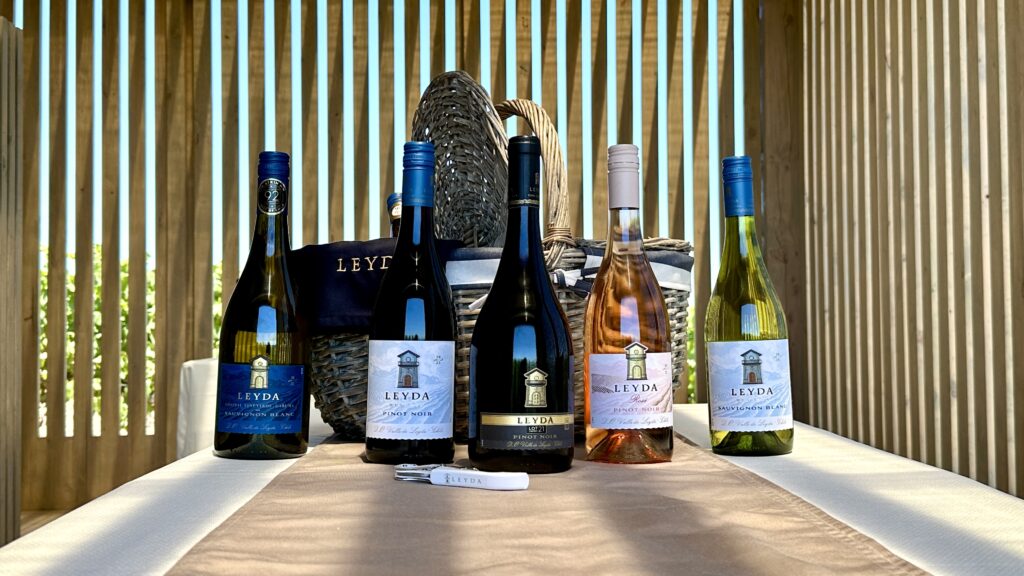
Not all great wineries have grand estates to visit—some let their wines do the talking. That’s the case with Viña Leyda, a producer that has defined what cool-climate winemaking in Chile is all about. Nestled just four kilometers from the Pacific Ocean, these vineyards are constantly kissed by ocean breezes, resulting in wines with crisp acidity, bright fruit, and undeniable freshness.
Leyda is best known for its Sauvignon Blanc and Pinot Noir, both of which carry an electric, mineral-driven character that sets them apart from their counterparts in other regions. These wines are all about terroir, and no one communicates that better than Viviana Navarrete, the winemaker who has led Viña Leyda since 2007. She’s known not just for her skill in the cellar, but for her ability to translate the vineyard’s unique climate and soil into wines that resonate with people.
While Viña Leyda itself doesn’t have a winery to visit, travelers can experience the spirit of the brand at Viña San Pedro in Cachapoal, the sister winery in the same group. There, guests can explore the broader winemaking philosophy of these estates and taste wines that embody Chile’s diverse landscapes.
Santa Rita – Where History and Wine Collide
Some wineries make great wines. Others tell great stories. Santa Rita does both.
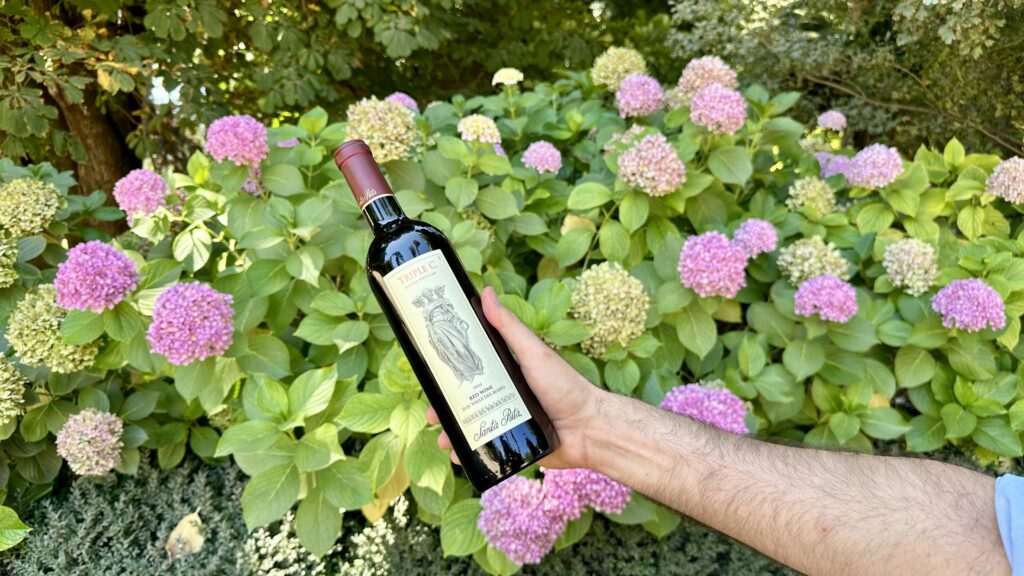
Located in Chile’s Maipo Valley, Santa Rita isn’t just one of the country’s most celebrated wineries—it’s a place woven into the fabric of Chilean history. The estate played a role in the Chilean independence movement, when 120 soldiers took refuge here in 1814, seeking shelter during the country’s fight for freedom. That moment inspired the winery’s most famous label, “120”, a wine that pays homage to the bravery of those soldiers.
Founded in 1880 by Don Domingo Fernández Concha, Santa Rita was a pioneer in bringing French winemaking techniques to Chile, setting the stage for modern viticulture in the country. Today, the winery is known for its Cabernet Sauvignon, Merlot, and Carménère, with the flagship Casa Real Cabernet Sauvignon standing as a benchmark for high-end Chilean reds.
But Santa Rita isn’t just about the wines—it’s about the experience. Visitors can wander through its stunning gardens, visit the historic church, and even stay overnight at the Santa Rita Inn, a charming retreat that lets you immerse yourself in the vineyard lifestyle. It’s a place where history, wine, and hospitality blend seamlessly, creating something more than just a tasting—it’s a connection to Chile’s past and present.
Different Stories, One Country
Montes, Viña Leyda, and Santa Rita each tell a different tale—one about balance and energy, one about terroir and expression, and one about history and legacy. Together, they show the depth of Chilean wine, proving that it’s not just about what’s in the bottle—it’s about the stories, the places, and the people behind it.
So next time you pour a glass of Purple Angel, Leyda Pinot Noir, or Casa Real Cabernet Sauvignon, know that you’re tasting more than just wine. You’re tasting a piece of Chile’s identity.
When most people think of Scotch whisky, they probably picture the rolling hills of Speyside or the mist-covered isles of Islay. However, there’s a new player on the scene: the Hebrides, a group of islands located off the west coast of Scotland, is quickly becoming known for its unique approach to whisky production. With its rich history, diverse climates, and untapped potential, the Hebrides are positioning themselves as the next big thing in the whisky world.
Why the Hebrides Are a Whisky Hotspot
The Hebrides, often known for their dramatic landscapes and isolated charm, are home to several distilleries that are starting to gain recognition for producing high-quality Scotch whisky. While the islands have long been known for their beauty and ruggedness, it’s only recently that they’ve begun to attract attention from whisky connoisseurs. The islands’ unique geography—its proximity to the sea, diverse climate conditions, and varied terrain—offers an environment where whisky can be crafted in a way that’s distinct from more traditional regions.
These islands offer something different: a blend of maritime influences, peat bogs, and a combination of both old and new distilling techniques. As the whisky world shifts towards exploring terroir (the unique flavor characteristics imparted by local environment), the Hebrides are becoming an exciting frontier for innovation.
Notable Distilleries in the Hebrides
Several distilleries in the Hebrides are making waves in the whisky industry, blending traditional methods with modern flair. Let’s look at some of the standout players in the region:
Isle of Harris Distillery Located on the Isle of Harris, this distillery is dedicated to producing a truly unique style of whisky. Known for its use of local botanicals in gin production, Isle of Harris has recently expanded its portfolio to include whisky. The island’s maritime climate, coupled with the use of hand-selected casks, imparts a distinctive salty and peaty character to the spirit. Their Isle of Harris Whisky promises to be one of the first of many future success stories from the region.
The Isle of Skye Distillers Skye’s climate—characterized by sea air and mild temperatures—creates a perfect setting for maturing whisky. Talisker, one of Scotland’s most iconic distilleries, is located on the Isle of Skye, but the island’s whisky scene is diversifying. The Isle of Skye Distillers, founded in 2018, is a new player on the scene and already showing promise with its selection of whiskies. Their products are crafted to bring out the island’s maritime essence, producing smooth, salty, and subtly peated whiskies.
Ardbeg Distillery (Islay and the Hebrides) Though technically based on Islay, Ardbeg’s reach extends into the Hebrides with its extensive use of local peat and barley. It’s an iconic distillery within the wider Hebrides whisky scene and continues to set the standard for heavily peated whiskies. Ardbeg’s unique smoky flavor profile, combined with the salty sea breeze from the islands, contributes to its status as one of the most beloved Scotch whisky brands worldwide.
The Hebrides Distillery (Coming Soon) One of the newest distilleries in the region, The Hebrides Distillery is making its mark with a focus on producing rich, flavorful whiskies that reflect the complexity of the islands. The distillery is set to take full advantage of its location, which is known for its peat bogs, cool temperatures, and sea breeze—all key factors in producing Scotch with character and depth.
The Future of Hebrides Whisky
The growing interest in the Hebrides as a whisky-producing region shows no signs of slowing down. Whisky enthusiasts are becoming more and more curious about what these remote islands have to offer. With whisky tourism on the rise, more and more visitors are making the journey to the Hebrides to tour distilleries, meet master distillers, and of course, taste the whisky.
As the region’s distilleries continue to expand and evolve, it’s clear that the Hebrides have the potential to become a major force in the global whisky scene. Whether you’re drawn to the maritime influence, the peaty landscapes, or the creativity of new distilleries, the Hebrides’ whisky offerings are as captivating and dynamic as the islands themselves.
If you’re a whisky lover looking for something new and exciting, keep an eye on the Hebrides. The region is carving out a niche for itself with its bold, distinct expressions that reflect the island’s rugged spirit and natural beauty.
The Hebrides are quickly becoming a must-visit destination for whisky lovers. Whisky tours on the islands offer a unique chance to explore local culture and history, with some distilleries offering exclusive tastings and expert insights. Be sure to stop by these emerging distilleries for a taste of Scotland’s next wave of whisky.
St. Patrick’s Day is the perfect excuse to gather friends and family for a fun celebration—but maybe you don’t want to spend hours prepping, or maybe the inside of a kitchen is a foreign land to you. Well, we’ve got you covered! These easy concoctions are perfect for the holiday and will make you look like a rockstar without breaking a sweat. From festive cocktails to simple, no-stress appetizers, you can create a memorable St. Patrick’s Day experience with minimal effort and maximum fun. Here’s how to impress your guests with ease!
St. Patrick’s Day Cocktails
1. Wine Cocktail: Shamrock Spritz
A sparkling wine cocktail with a green twist, the Shamrock Spritz is a light, refreshing drink that’s perfect for St. Patrick’s Day.
Ingredients:
3 oz Prosecco or sparkling white wine
1 oz Midori (melon liqueur) for a splash of green
Splash of club soda
Lime wedge for garnish
Instructions:
In a glass, combine the Midori and a splash of club soda.
Fill the glass with ice and top with Prosecco or sparkling wine.
Garnish with a lime wedge, or add a twist of lime peel for extra flair.
This wine cocktail is bright and effervescent, bringing the fun St. Patrick’s Day spirit to life. Plus, it’s easy to make and sure to impress!
2. Spirits Cocktail: Irish Whiskey Sour
For a classic twist on the Irish theme, the Irish Whiskey Sour brings together the richness of whiskey with the tang of lemon. It’s the perfect drink for those who prefer spirits-based cocktails.
Ingredients:
2 oz Irish whiskey
¾ oz fresh lemon juice
½ oz simple syrup
Ice
Lemon slice or cherry for garnish
Instructions:
In a cocktail shaker, combine Irish whiskey, lemon juice, and simple syrup.
Fill the shaker with ice and shake well.
Strain into a rocks glass filled with ice.
Garnish with a lemon slice or a cherry.
This cocktail is simple yet flavorful—an ideal way to celebrate with a bit of Irish tradition.
3. Beer Cocktail: The Irish Shandy
A beer cocktail is always a fun way to mix things up on St. Patrick’s Day. The Irish Shandy is a refreshing, easy-to-make drink that combines the crispness of beer with the light sweetness of lemonade.
Ingredients:
6 oz Irish lager or pale ale (like Guinness or Smithwick’s)
2 oz lemon-lime soda or ginger ale
Lemon slice for garnish
Instructions:
In a glass, pour the Irish lager or pale ale halfway.
Top with lemon-lime soda or ginger ale.
Stir gently and garnish with a slice of lemon.
This beer cocktail is light and effervescent, making it perfect for a St. Patrick’s Day toast. Plus, it’s so simple that even the most inexperienced mixologist can create it effortlessly.
Easy Appetizers to Pair with Your Cocktails
Now that you’ve got your drinks sorted, let’s talk about food! These three appetizers are perfect for St. Patrick’s Day and can be whipped up in under five minutes. Even if you’ve never cooked before, you can impress your guests with these easy recipes.
1. Mini Guacamole Cups
Mini guacamole cups are a fun twist on a classic dip, and they pair beautifully with the Shamrock Spritz or Irish Whiskey Sour.
Ingredients:
Pre-made guacamole (store-bought or homemade)
Tortilla chips or mini taco shells
Lime wedges for garnish
Instructions:
Fill mini taco shells or small cups with store-bought or homemade guacamole.
Top with a wedge of lime for a fresh, citrusy touch.
Serve alongside tortilla chips for extra crunch.
This appetizer is fresh, flavorful, and perfect for pairing with your cocktails.
2. Caprese Skewers
These bite-sized caprese skewers are a simple, elegant option that pairs well with the Irish Shandy. They offer a burst of flavor without requiring any cooking!
Ingredients:
Cherry tomatoes
Fresh mozzarella balls or cubes
Fresh basil leaves
Olive oil and balsamic vinegar for drizzling
Instructions:
Thread a cherry tomato, a basil leaf, and a mozzarella ball or cube onto small skewers or toothpicks.
Arrange on a platter and drizzle with olive oil and balsamic vinegar.
Serve immediately for a fresh, vibrant appetizer.
These caprese skewers are quick to make, light, and refreshing—perfect for balancing out the richness of the beer cocktail.
3. Smoked Salmon and Cream Cheese Bites
Smoked salmon pairs beautifully with both the wine and spirits cocktails. These smoked salmon and cream cheese bites are perfect for anyone looking for something a bit more luxurious but still easy to prepare.
Ingredients:
Smoked salmon slices
Cream cheese
Cucumber slices
Fresh dill for garnish
Instructions:
Spread a small amount of cream cheese on each cucumber slice.
Top with a slice of smoked salmon.
Garnish with fresh dill.
These are perfect bite-sized treats that pair perfectly with your drink selection and will add a touch of sophistication to your celebration.
This St. Patrick’s Day, entertaining doesn’t need to be complicated. With a few simple cocktails and easy appetizers, you can impress your guests without the stress. From the refreshing Shamrock Spritz to the savory smoked salmon bites, these easy-to-make recipes are sure to delight. Cheers to a festive and enjoyable celebration!
You asked for more, so here it is! Our last blog on unique plant-based food and wine pairings sparked so much interest that we had to continue the conversation. Whether you’re fully plant-based or just looking to expand your pairing game, these combinations will bring out the best in both your food and your wine. PS: We did 10 this time!
1. Thai Green Curry and Riesling (Germany)
Spicy, aromatic, and creamy, Thai green curry is a complex dish that needs a wine with the right balance of sweetness and acidity. Enter Riesling, a classic pairing for spicy foods. A German Riesling with a hint of residual sugar tames the heat while enhancing the citrus and herbal notes of the curry.
Why It Works: The natural sweetness of Riesling softens the spiciness, while its acidity refreshes the palate between bites. The floral and citrusy undertones also complement the lemongrass and coconut milk in the dish.
2. Mediterranean Mezze Platter and Assyrtiko (Greece)
A mezze platter—loaded with hummus, baba ganoush, olives, stuffed grape leaves, and fresh vegetables—brings together a variety of flavors and textures. A crisp Greek Assyrtiko provides the perfect backbone with its bright acidity and minerality.
Why It Works: Assyrtiko’s high acidity cuts through the richness of dips like hummus while enhancing the briny, savory notes of olives and grape leaves. It’s an effortlessly Mediterranean pairing.
3. Spicy Lentil Tacos and Gamay (France)
Lentil tacos are a hearty, spicy, and protein-packed plant-based alternative to traditional tacos. A juicy, fruit-forward Gamay (like a Beaujolais) provides a light, refreshing contrast.
Why It Works: Gamay’s bright berry flavors and low tannins complement the smoky spices in the lentils without clashing. Its refreshing nature also balances out the heat from salsas or chili peppers.
4. Eggplant Parmesan and Montepulciano d’Abruzzo (Italy)
Eggplant Parmesan is rich, cheesy (thanks to plant-based alternatives), and full of tomato goodness. It calls for a bold, Italian red like Montepulciano d’Abruzzo, which has enough acidity to cut through the dish’s richness.
Why It Works: The vibrant acidity in Montepulciano balances the tangy tomato sauce, while its dark fruit flavors complement the roasted eggplant. Plus, the tannins stand up to any creamy plant-based cheese used in the dish.
5. Miso-Glazed Eggplant (Nasu Dengaku) and Sancerre (France)
Miso-glazed eggplant is an umami bomb—sweet, salty, and deeply savory. It pairs beautifully with a crisp Sancerre, a Sauvignon Blanc from France’s Loire Valley.
Why It Works: Sancerre’s minerality and citrus notes bring out the caramelized miso glaze’s depth while cleansing the palate from the eggplant’s silky texture.
6. Vegan Mushroom Stroganoff and Syrah (Australia)
Mushrooms provide a meaty, umami-packed base for a plant-based Stroganoff. A bold Australian Syrah (Shiraz) matches the dish’s depth with its dark fruit, pepper, and earthy notes.
Why It Works: Syrah’s spice and richness enhance the umami of mushrooms, while its structured tannins balance the dish’s creamy sauce.
7. Jackfruit Pulled “Pork” Sandwich and Zinfandel (California, USA)
Jackfruit’s fibrous texture and mild sweetness make it a fantastic substitute for pulled pork. When slathered in barbecue sauce, it pairs beautifully with a bold, jammy Zinfandel.
Why It Works: Zinfandel’s ripe berry notes and smoky undertones complement the sweet and tangy barbecue sauce, while its bold body matches the dish’s richness.
8. Vegan Sushi Rolls and Albariño (Spain)
Sushi rolls filled with avocado, cucumber, and pickled vegetables need a wine that’s crisp and fresh. Albariño, a Spanish white, delivers bright citrus, saline minerality, and a zesty finish.
Why It Works: Albariño’s high acidity and citrusy notes mirror the brightness of sushi’s ingredients, while its minerality enhances the umami flavors from seaweed and soy sauce.
9. Spaghetti Aglio e Olio and Verdicchio (Italy)
A simple yet flavorful pasta dish featuring garlic, olive oil, and red pepper flakes pairs wonderfully with Verdicchio, a lesser-known Italian white wine with crisp acidity and a slightly nutty finish.
Why It Works: Verdicchio’s zesty citrus and almond notes balance the rich olive oil and garlic, while its minerality keeps the dish feeling light and fresh.
10. Vegan Cheesecake and Moscato d’Asti (Italy)
A creamy, dreamy plant-based cheesecake deserves a wine that’s equally delightful. A lightly sparkling Moscato d’Asti, with its natural sweetness and floral notes, is a perfect match.
Why It Works: Moscato’s gentle bubbles and peachy sweetness complement the cheesecake’s creamy texture and slight tang, making for a refreshing, indulgent pairing.
It’s undeniable that Plant-based dining doesn’t mean sacrificing great wine pairings. In fact, these unexpected combinations bring out the best in both the wine and the food, creating a sensory experience that’s anything but ordinary. Try these pairings, experiment with your favorites, and let your palate be your guide!
A few years ago, tequila was on fire. High-end bottles flew off shelves, celebrity-backed brands flooded the market, and Mexico’s agave fields stretched endlessly under the sun. But like all good parties, this one had to wind down. Now, agave farmers are facing a brutal reality—oversupply, plummeting prices, and a market that’s suddenly not as thirsty as before.
From Gold Rush to Glut
The early 2020s saw tequila explode in popularity, especially in the U.S., where it overtook whiskey as the most valuable spirits category in 2023. Farmers scrambled to plant more agave, hoping to cash in on the boom. The number of agave producers skyrocketed from just over 3,000 in 2014 to more than 42,000 by 2024. Fields expanded rapidly, and distilleries ramped up production to meet insatiable demand.
But nature doesn’t work on market cycles. Agave takes six to eight years to mature, meaning the surge in planting from years ago is now flooding the market all at once. As of late 2023, Mexico had more than 525 million liters of tequila in surplus—nearly an entire year’s worth of production just sitting in storage.
The Price Collapse and Farmer Backlash
With too much supply and not enough demand, prices nosedived. In 2020, a kilogram of agave fetched a healthy 30 pesos. By late 2024, farmers were lucky to get 2 to 8 pesos per kilo. Some stopped tending their fields entirely, unwilling to harvest crops that wouldn’t even cover production costs.
The situation has sparked protests, with farmers calling for better regulations and contracts that protect them from these brutal boom-and-bust cycles. Many blame the Tequila Regulatory Council (CRT) for failing to manage production levels or warn against overplanting.
U.S. Demand Slows, Trade Threats Loom
To make matters worse, Americans—who drink 80% of Mexico’s tequila exports—are cutting back. After years of skyrocketing sales, U.S. tequila consumption dipped by 1.1% in early 2023. And looming trade threats aren’t helping. The possibility of a 25% tariff on Mexican tequila could further choke exports, leaving even more bottles stranded in warehouses.
A Way Forward?
Despite the crisis, the industry isn’t standing still. Major brands like Patrón and Diageo are still investing, but they’re shifting focus to sustainability and premiumization—essentially, making tequila better, not just producing more of it. Some distillers are working with farmers to adopt sustainable practices and secure better contracts.
The tequila industry has always been cyclical, but the stakes feel higher this time. If demand doesn’t rebound quickly, thousands of farmers could be left in financial ruin. For now, the world’s agave fields are a sobering reminder that even in the spirits business, too much of a good thing can come back to bite you.
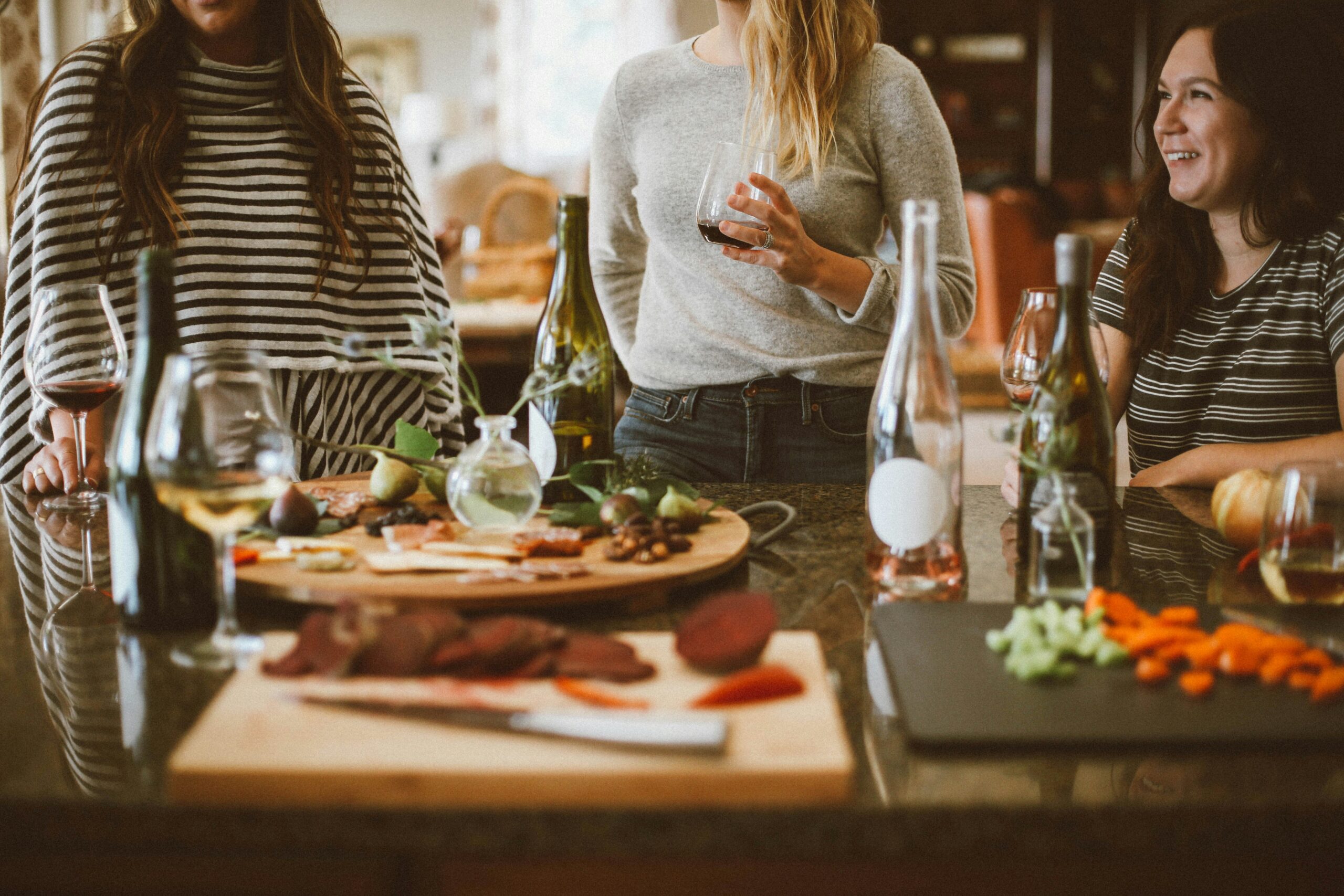
A charcuterie board is the ultimate way to entertain guests, combining flavors, textures, and colors in a visually stunning and delicious way. Whether you’re hosting a small gathering or a larger crowd, creating the perfect charcuterie board is easier than it seems. The key is balancing flavors, thinking about presentation, and ensuring everything is accessible and balanced. Here’s your guide to curating a beautiful, flavorful charcuterie board with wine pairings, including vegetarian options.
How to Build Your Charcuterie Board
When selecting meats and cheeses, aim for variety in both flavor and texture. Opposing flavors create a dynamic, balanced experience. For meats, combine salty, spicy, and smoky options:
Prosciutto: Soft and salty, pairs well with creamy cheeses and fruits.
Chorizo: Spicy and smoky, contrasts beautifully with delicate flavors.
Salami: Bold and tangy, works with rich cheeses and fresh fruit.
For cheeses, combine mild and sharp textures:
Brie: Creamy and mild, pairs with prosciutto and fruits.
Aged Cheddar: Sharp and tangy, complements richer meats like salami.
Manchego: Nutty and firm, pairs with chorizo.
If opting for a vegetarian option, choose cheeses with varied textures like goat cheese and aged Manchego. Add vegetarian “meats” like plant-based deli slices, marinated tofu, or veggie sausages.
Vegetables, Fruits, and Accompaniments
Fresh fruits like grapes, figs, and olives add a burst of sweetness and tang, while pickles provide a contrast to creamy cheeses. Add pomegranate seeds for color and crunch, or nuts like almonds or walnuts for texture.
For breads, consider crackers or a simple baguette for an affordable option. Arrange them around the board so guests can easily grab a piece.
Arranging Your Board
Start by placing your larger items like cheeses and meats, spacing them out evenly. Add fruits, nuts, and spreads around the edges. Don’t cluster similar items—spread everything evenly to ensure accessibility.
Wine Pairings
Prosecco or Cava: Sparkling wines pair well with any cheese and meat.
Pinot Noir or Garnacha: Great for sharp cheeses like cheddar or spicy meats.
Sauvignon Blanc or Chablis: Crisp whites that complement goat cheese and fruits.
Rosé: A versatile option for a variety of flavors on the board.
A charcuterie board is all about variety and presentation. With balanced flavors and thoughtful arrangement, you’ll create an inviting, delicious spread that’s sure to impress any guest.
The world of wine is experiencing a major shift, and it’s not just about the grapes anymore. As consumers grow more conscious of their environmental footprint, wineries are stepping up to meet the demand for sustainable, eco-friendly practices. From organic farming to eco-conscious packaging, the wine industry is increasingly focusing on sustainability—and it’s a trend that’s here to stay.
Why Sustainability Matters in the Wine World
Wine production can have a pretty hefty environmental impact. Pesticides, water use, transportation, and packaging all play a role in the carbon footprint of a bottle of wine. But the good news is, the industry is making great strides to reduce that impact. With global temperatures rising and concerns over the environment growing, wineries are looking for ways to preserve the land they rely on and ensure future generations can continue to enjoy great wine.
Sustainable practices in winemaking often start with the vineyard. Many producers are turning to organic or biodynamic farming, using fewer chemicals and working in harmony with the land. These practices aren’t just better for the environment—they also produce better wines by allowing the true character of the land to shine through. But sustainability doesn’t end there; it also extends to packaging, transportation, and water conservation. By adopting greener practices at every step of the production process, wineries are making wine in a way that’s better for the planet—and better for the wine drinker too.
Top Sustainable Wine Brands to Try
If you’re looking to drink with a conscience, there’s no shortage of eco-friendly wines to choose from. Here are just a few standout sustainable wine brands that are leading the charge:
Bonterra Organic Vineyards This California winery is a pioneer in organic and biodynamic farming. Bonterra’s commitment to sustainability goes beyond the vineyards—they use eco-friendly packaging and renewable energy to power their facilities. The result is a range of wines that are as good for the earth as they are for your taste buds.
Frey Vineyards Frey Vineyards is the first California winery to become certified organic and biodynamic. They also offer a range of vegan wines, making them an excellent choice for environmentally conscious and plant-based drinkers. Their commitment to sustainability doesn’t stop at farming—they also use sustainable packaging and work to reduce waste in every aspect of their production.
The Organic Wine Company This company offers a curated selection of organic wines from around the world. They focus on environmentally responsible vineyards that produce wines without synthetic pesticides or fertilizers. The Organic Wine Company is a great choice for anyone looking to enjoy wines that are both good for the planet and full of flavor.
Rombauer Vineyards Rombauer Vineyards may be best known for their award-winning Chardonnay, but they’re also making waves in the sustainability space. They use sustainable farming practices, including water conservation and integrated pest management, to reduce their environmental impact. Plus, their commitment to eco-friendly packaging makes them a great choice for eco-conscious wine lovers.
Stella Rosa Wines This popular Italian wine brand is committed to sustainability in every aspect of production. From the vineyards to the bottling process, Stella Rosa takes care to minimize their environmental impact. They also use eco-friendly glass bottles and are constantly working to reduce their carbon footprint.
How You Can Drink Sustainably
It’s easier than ever to enjoy a glass of wine that’s good for the planet. The next time you’re picking out a bottle, look for certifications like Certified Organic, Biodynamic, or Sustainably Farmed to ensure the wine was produced with environmentally friendly practices. Many wineries are also shifting to lighter glass bottles, which use less energy to produce and transport.
Another way to enjoy sustainable wine is by supporting local producers. Many small-scale, sustainable wineries rely on local markets to sell their wines, reducing transportation emissions and supporting the community.
Drinking sustainably isn’t just about feeling good—it’s about ensuring that the wine we love will still be around for future generations to enjoy. As the wine industry becomes more eco-conscious, it’s important for consumers to support those efforts. By choosing wines from sustainable brands, we’re not only enjoying exceptional wines, but we’re also making a positive impact on the planet.
So, next time you raise your glass, why not choose one that’s been produced with care for the environment? Sustainable wines are a win-win for both the earth and your taste buds. Cheers to that!