From toasting with soju in South Korea to lingering over aperitivo in Italy, the rituals of eating and drinking vary widely across cultures—but they all share something in common: respect. Understanding a few of these customs doesn’t just make you a more thoughtful traveler. It also deepens your connection to the people and places behind the plate.
Here are some global dining and drinking traditions that might surprise you—and inspire you to pause, notice, and participate more fully the next time you share a table abroad.
Pouring for Others in Korea
In Korean dining culture, pouring your own drink is considered impolite. Instead, guests pour for each other, creating a reciprocal act of care and attentiveness. When someone pours for you, you hold your glass with two hands—a small gesture of humility and gratitude.
It’s more than just good manners. This ritual strengthens social bonds and reinforces the importance of community at the table. Even among friends, it signals respect and mutual appreciation.

The Italian Art of Aperitivo
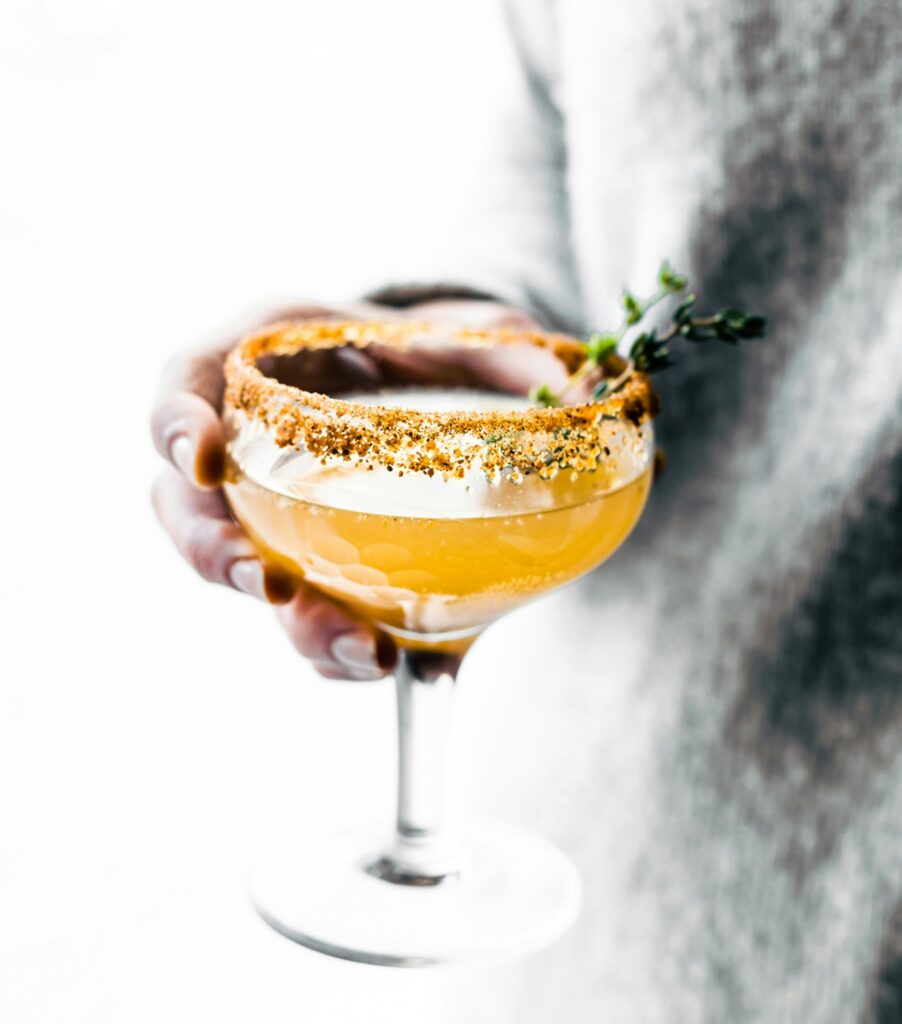
In Italy, aperitivo isn’t just a happy hour—it’s a way of life. Typically enjoyed in the early evening, the aperitivo is meant to open the appetite before dinner. It usually involves a light drink like a spritz or a bitter liqueur paired with salty snacks such as olives, cheese, or chips.
What matters most is the mood: relaxed, sociable, and unhurried. You don’t chug. You linger. You talk. It’s a reminder that dining is as much about connection as consumption.
Japan’s Chopstick Code
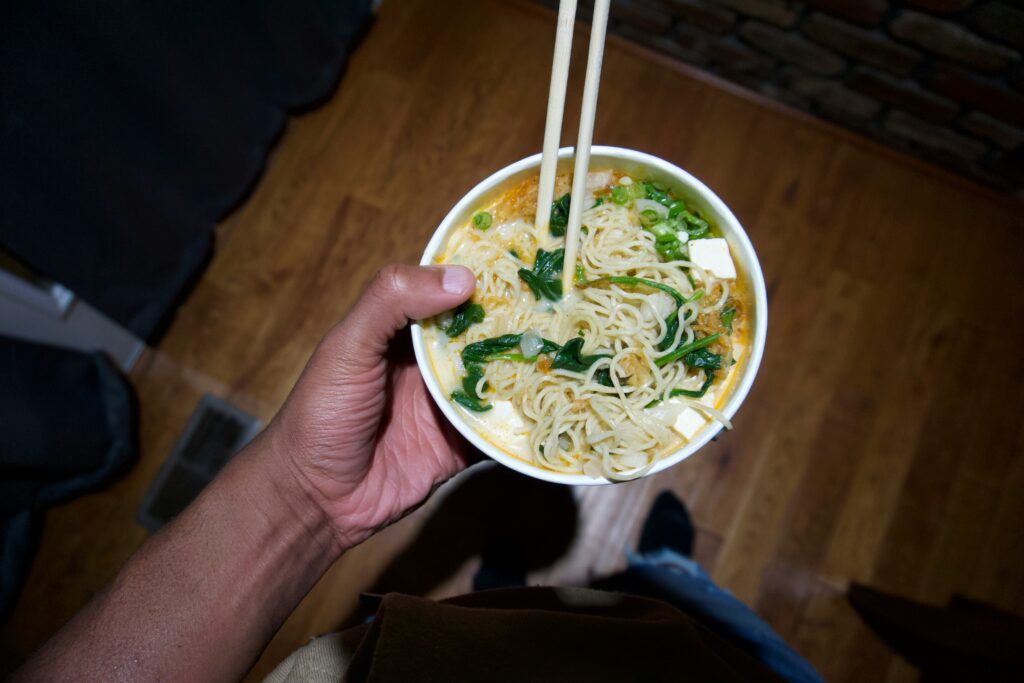
In Japan, chopsticks are more than utensils—they’re part of a deeply symbolic etiquette. Sticking them upright in a bowl of rice, for example, resembles a funeral offering and is considered taboo. Passing food from chopstick to chopstick also mimics a ritual from Japanese funerals and should be avoided.
These aren’t random rules—they reflect a cultural reverence for food, tradition, and subtlety. Paying attention to them shows more than cultural awareness. It shows care.
Toasting in Georgia
In the country of Georgia, toasting is practically a form of storytelling. At traditional feasts known as supra, a designated toastmaster—or tamada—leads a series of poetic, heartfelt toasts that touch on everything from friendship to ancestors.
To interrupt or ignore a toast would be unthinkable. Each one is an invitation to reflect and celebrate life with depth and sincerity, not just drink for the sake of drinking.
When Dining Is a Dialogue
Dining etiquette varies dramatically across cultures—but the deeper lesson is consistent. The table is never just about food. It’s a space for values, history, gratitude, and community to express themselves through gestures, timing, and tradition.
By observing these rituals, even as a guest, you do more than avoid awkwardness. You honor the spirit of the place—and show that you’ve come not just to eat, but to listen and learn.