Author: Tasted TV

  • A Young Couple, Their Life Savings, and a Dream: The Chapman’s Ice Cream Story

    A Young Couple, Their Life Savings, and a Dream: The Chapman’s Ice Cream Story

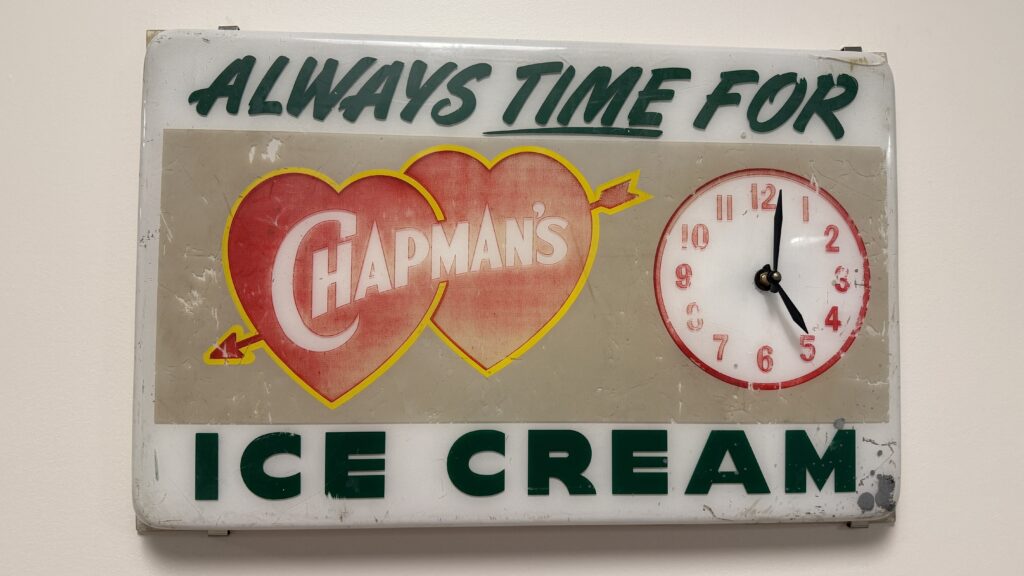
    A young couple. Their life savings. And a dream that would become a Canadian treasure. They were David and Penny Chapman — and yes, you’ve heard that name. But behind the familiar brand is a story of grit, heartbreak, and an unbreakable bond with community that still brings tears to Penny’s eyes.

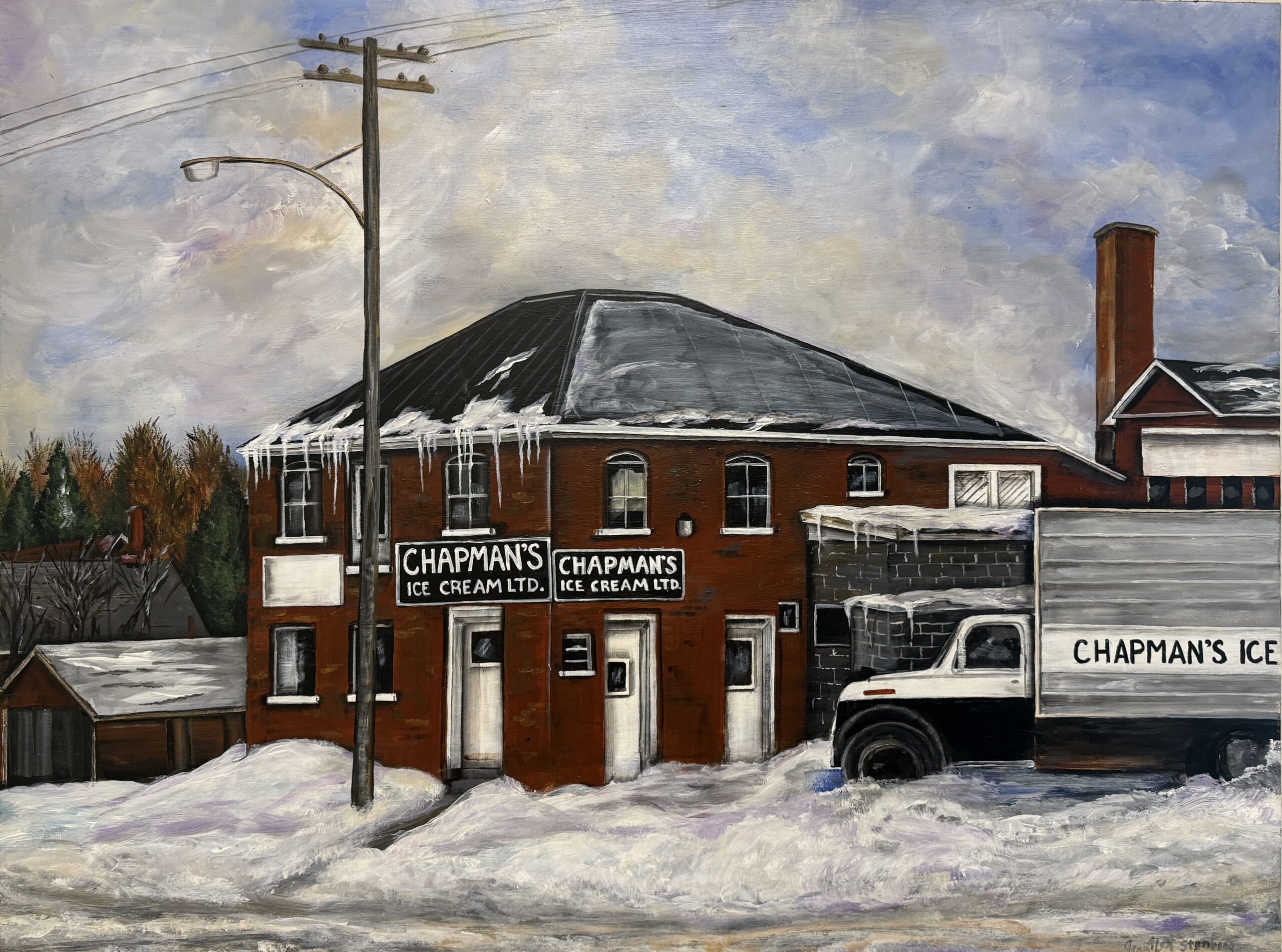
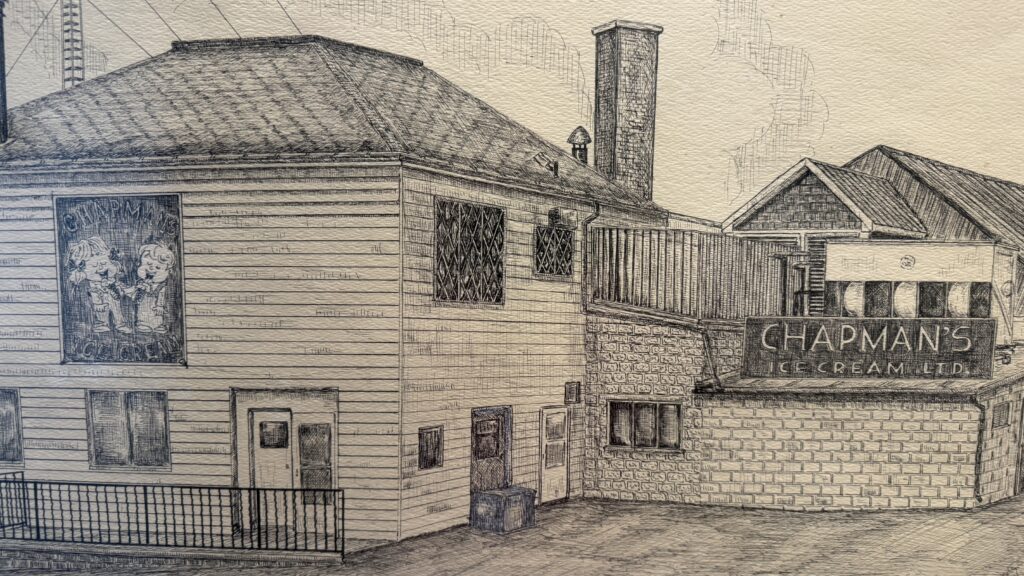
    In 1973, David and Penny bought a small creamery in Markdale, Ontario. It wasn’t glamorous. The building was old, the equipment outdated, and the road ahead uncertain. But they had something stronger than capital — determination, love for family, and a vision to create ice cream that made people smile. Their hands built the business from scratch, working long hours through every season, crafting flavours like Butterscotch Ripple and Dutch Chocolate that soon became favourites in homes across Canada.

    The community embraced them—not just as customers, but as neighbours, friends, and partners. When business was tough, local farmers, suppliers, and families stepped in. They believed in the Chapmans’ dream as if it was their own.

    Then, on a quiet September day in 2009, disaster struck. A welding spark ignited the aging insulation of the century-old plant. Flames tore through years of work, memories, and sweat. Penny still gets choked up remembering that day—the fire that seemed to swallow everything they’d built. The sky darkened with smoke, and the roar of the blaze echoed in the hearts of a small town watching their dream burn.

    But even as the fire raged, David and Penny made a promise: no employee would lose their job, no family would lose hope. In the ashes, the Chapmans’ spirit shone brightest.

    The community rallied in return. Other ice cream makers opened their doors, suppliers sent resources, and volunteers showed up ready to rebuild. Seven weeks later, against every odd, Chapman’s was producing ice cream again—out of a temporary plant, fueled by sheer will and generosity.

    They named their comeback Project Phoenix — rising from the ashes stronger than ever. A new plant was built, modern and safe, with allergy-free lines and sustainable systems. But the heart of Chapman’s was never the building; it was the people who refused to give up.

    Years later, that spirit took them across the ocean to Florence, Italy—home of gelato. At the International Ice Cream Consortium, Chapman’s faced off against the world’s best, including Italian gelato masters. Against all odds, their Salty Caramel Crunch took home the gold, earning international acclaim and proving that a small-town Canadian dream could stand toe-to-toe with the best on earth.

    That victory is sweet. But what’s sweeter still is the journey—the resilience, the promise kept to employees, the hands held when everything seemed lost. It’s the story of David and Penny, yes, but also of every neighbour, every worker, every fan who believed in a dream and helped it rise again.

    Chapman’s Ice Cream is more than a brand—it’s a testament to heart, community, and the power of never giving up. And every scoop tells that story.

    Chapman’s isn’t just an ice cream brand — it’s a Canadian story of determination, the power of community, and how one couple’s dream can ripple out and inspire an entire town, a province, and a nation. Every scoop is a celebration of resilience, love, and the sweet taste of hope realized.

  • Fall for the South Okanagan

    Fall for the South Okanagan

    If you’re craving something that feels like a world away but is only a short flight from Vancouver or Calgary, the South Okanagan is your autumn escape. Direct flights land you in Penticton; no long drives, no layovers, just you, your carry-on, and a region that knows how to seduce every one of your senses.

    British Columbia shines brightly here.

    This is not the Okanagan of brochures. This is terroir with attitude — where the food has a story, the wines have personalities, and your bed for the night might be a luxury yurt nestled into a mountainside vineyard.

    A Place of Contrasts and Cultures

    Diversity runs deep here. Sit lakeside at Elma in Penticton, where Turkish cuisine meets Okanagan ingredients — a warm, stylish space where wood-fired lamb kebabs and sumac-laced cocktails bring the Aegean coast to British Columbia.

    Then head south to Kismet Estate Winery, where Simran Saini, one of the few female Indian winemakers in the country, crafts elegant wines rooted in both her family’s Indian heritage and the boldness of the desert terroir. Their Mystique blend, paired with butter chicken at the on-site Masala Bistro, is the kind of East-meets-West perfection you don’t forget.

    From Polished to Playful: Two Sides of Okanagan Wine

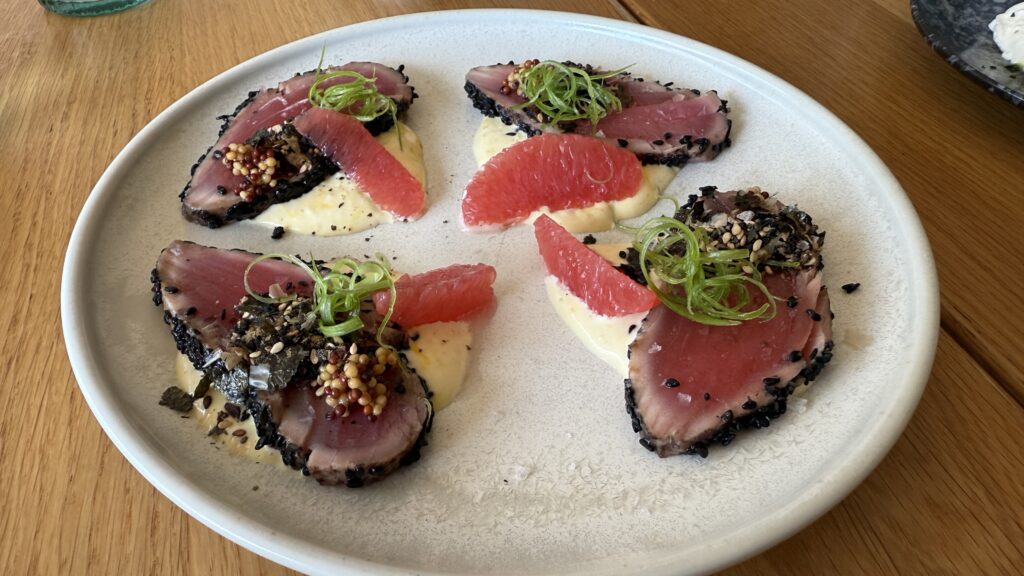
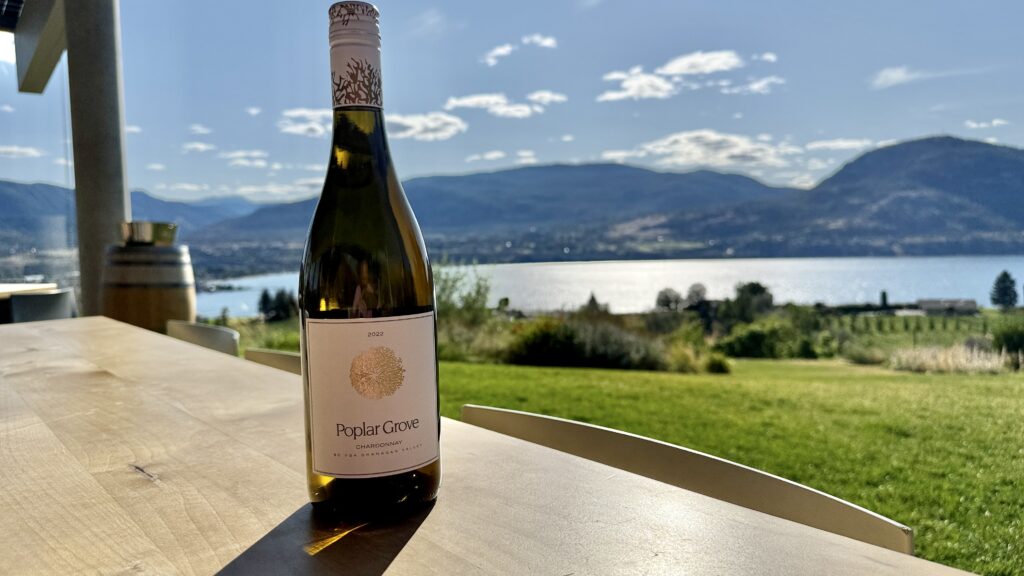
    Wineries here don’t just pour – they perform. At Poplar Grove, it’s all sleek lines, sweeping lake views, and wines that feel like tailored suits. Their cab franc whispers complexity. The on-site restaurant? Refined, seasonal, and plated like art.

    Then there’s Dirty Laundry in Summerland; cheeky, irreverent, and joyfully uncorked. Named after a former bordello and laundry operation, the winery leans hard into playfulness. Picture wine flights with names like “Peep Show Pinot” and labels that flirt with you. The tasting patio hums with live music, laughter, and a vintage train chugging past on cue. It’s wine country without the pretense.

    Where to Stay and Wander

    For something effortlessly chic in the heart of it all, check into Balcomo by Ramada. This newly renovated Penticton hotel blends sleek, modern rooms with thoughtful details and a walkable location close to the lake, breweries, and downtown tasting rooms. It’s the perfect home base whether you’re hitting wine country or just taking it slow.

    Prefer old-world charm? The Naramata Inn delivers historic character, lush bedding, and a killer local wine bar. And for groups, boutique vineyard villas across Summerland and Okanagan Falls offer space, seclusion, and full kitchens stocked with local provisions.

    Sleep in a Vineyard, Under the Stars

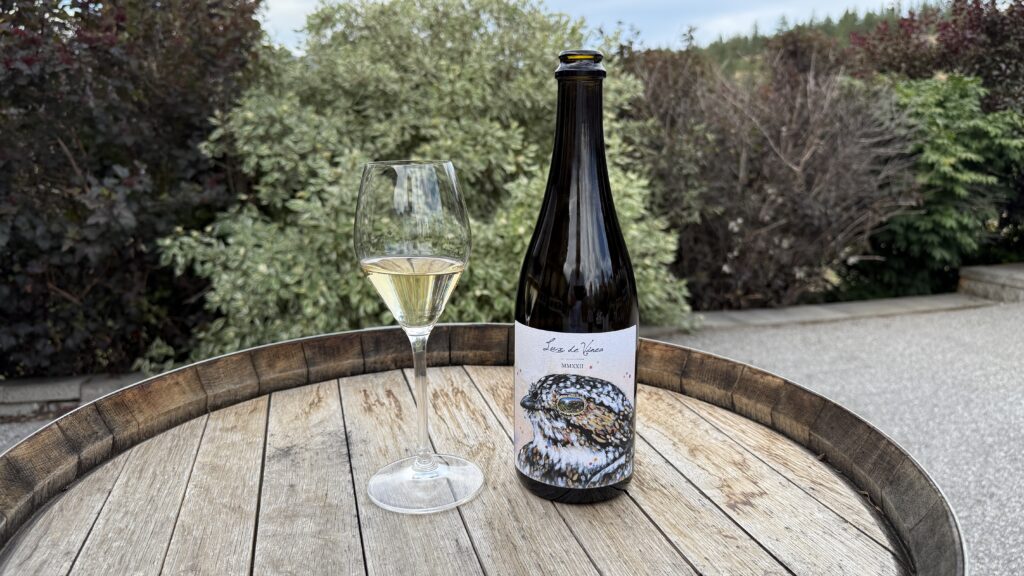
    And if you want something truly unforgettable? Book one of only two luxury yurts at Nighthawk Vineyards in Okanagan Falls. This family-run gem is perched above Green Lake, where small-batch, handcrafted wines are poured with pride. The yurts are secluded, open-air sanctuaries … complete with outdoor soaker tubs, rain showers, and private fire pits. Sip your sparkling rosé as the sun melts over the hills, coyotes howl in the distance, and you remember what quiet feels like..

    Fall is the Secret Season

    The crowds are gone, but the magic is just getting started. The vines turn gold. The air smells like earth and apples. Harvest dinners pop up in orchards. And everywhere you go, someone wants to pour you something beautiful and tell you how they made it.

    Whatever you’re craving this fall… spice, sparkle, silence, or a little bit of scandal; you’ll find it in the South Okanagan. All you have to do is get here.

  • The Texture of Wine: Why Mouthfeel Matters More Than You Think

    The Texture of Wine: Why Mouthfeel Matters More Than You Think


    When people talk about wine, they often use words like fruity, dry, or bold. Flavor and aroma get most of the attention. But there’s another quality that plays a huge role in how we experience wine—one that’s felt more than tasted. It’s called mouthfeel, and once you start noticing it, wine will never be the same.

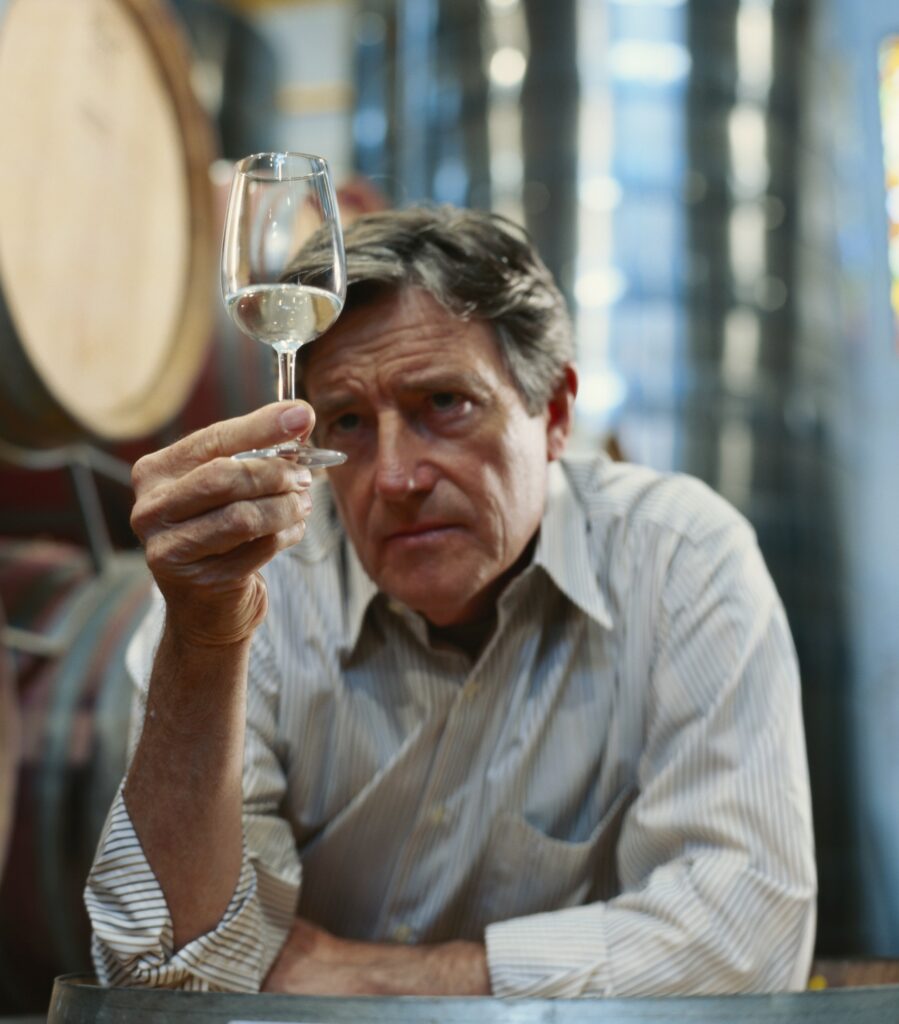
    Mouthfeel is, quite literally, the physical sensation of wine in your mouth. It can be silky or sharp, oily or effervescent, light as air or heavy as cream. It’s what makes a wine “grip” your tongue or glide across it like satin. And while it’s less talked about than flavor notes, many wine experts argue it’s just as important—if not more.

    What Is Mouthfeel, Exactly?

    Mouthfeel isn’t a single texture. It’s a combination of sensations created by a wine’s body, tannins, acidity, alcohol content, and even bubbles. Think of it as wine’s personality—the way it moves, lingers, or vanishes on your palate.

    • Body refers to the weight of the wine. A light-bodied wine like a Gamay feels lean and refreshing, while a full-bodied Syrah feels plush and substantial.
    • Tannins, found mostly in red wines, give structure and a drying, almost chalky feel—like licking a tea bag (in a good way).
    • Acidity creates a crisp or sharp feeling, making your mouth water. It’s what gives Riesling and Sauvignon Blanc their zing.
    • Alcohol adds warmth and a sense of richness. Higher-alcohol wines often feel rounder or more viscous.
    • Carbonation, in sparkling wines, adds a tickling texture and lifts the overall mouthfeel.

    The best wines balance all these elements, giving you a texture that matches the wine’s flavor and style.

    Why It Matters More Than You Think

    Texture shapes how we perceive taste. A creamy Chardonnay with buttery texture complements soft cheeses or roast chicken. A tannic Barolo cuts through fatty meats with structure and bite. Even if two wines have similar flavor profiles, their mouthfeel can make one feel elegant and the other rustic.

    Wine professionals often use mouthfeel to assess a wine’s age, quality, and even how it was made. For example, a smooth, velvety texture might indicate oak aging or malolactic fermentation. A slightly grainy mouthfeel could suggest minimal filtration or natural winemaking methods.

    The Emotional Side of Texture

    Mouthfeel is also emotional. A bright, fizzy Pet-Nat feels playful and alive. A silky Pinot Noir feels romantic. A dense Cabernet can feel commanding. We don’t just taste wine—we feel it, and that sensation can evoke mood, memory, or even a sense of place.

    For some drinkers, texture is what makes wine feel luxurious or comforting. It’s why we describe some wines as “chewy” or “velvety”—words you’d never use for soda or juice. Texture makes wine tactile, a drink you experience with your whole mouth, not just your taste buds.

    How to Pay Attention to It

    Next time you pour a glass, take a moment before your first sip. Swirl it. Smell it. Then take a small sip and close your eyes. Forget the flavors—just focus on how it feels. Is it light or heavy? Smooth or a little gritty? Does it coat your tongue or zip away quickly?

    Compare a few wines side by side—like a bright Pinot Grigio next to an oaky Chardonnay—and notice the differences. You’ll start to see just how much texture adds to your experience.

    A Final Sip

    Wine isn’t just about taste—it’s about feel. The next time you find yourself describing a wine, don’t stop at fruit notes and dryness. Talk about the texture. Is it silky? Grippy? Bright and electric? Once you start paying attention to mouthfeel, you’ll unlock a whole new layer of appreciation—and your wine game will never be the same.

  • Why We Romanticize the After-Work Drink

    Why We Romanticize the After-Work Drink


    You know the moment: you clock out, step into fading daylight, and hear the pop-hiss of a cold beer opening. It’s not just thirst you’re quenching—it’s something deeper. That first post-work drink, whether it’s a crisp lager, a juicy IPA, or a carefully stirred negroni, hits a nerve we rarely talk about. It’s not about getting buzzed. It’s about transition.

    Across cultures, the after-work drink marks a boundary—between duty and leisure, effort and ease, performance and presence. And while we often joke about needing a drink to “take the edge off,” there’s a quiet, ritualistic beauty to that pause, that sip, that exhale.

    A Global Habit with Local Flavors

    In Japan, it’s customary for salarymen to head to an izakaya after work to bond with colleagues over beer and highballs. In Italy, the early evening aperitivo—a light cocktail and a few salty bites—is practically sacred. In Germany, the Feierabendbier, or “beer to celebrate the end of the workday,” is a beloved part of life. And in the U.S., happy hour culture remains strong, even if the two-for-one specials have made way for curated tap lists and small-batch spirits.

    Though the setting and the drink may differ, the underlying impulse is the same: a need to decompress, to reconnect with ourselves and others, to signal a change in pace.

    The Psychology of Decompression

    So why does that first drink feel so satisfying?

    Psychologists call this kind of shift a “liminal space”—a threshold between two states. For many of us, the after-work drink is a personal ritual that helps us mentally separate the day’s stressors from our time off. It tells the brain, “You’re done. You did enough. You can relax now.”

    The sensory qualities of alcohol—bitterness, burn, bubbles—can amplify this sense of release. Studies have shown that moderate alcohol consumption may momentarily reduce cortisol levels, the stress hormone, and even trigger social bonding. But even without the science, we intuitively know: it’s not just the drink. It’s the moment.

    Beer vs. Cocktail: What the Choice Says

    Beer, with its casual pop-top and familiar flavors, often signals simplicity and physical relief. It’s the drink of backyard barbecues, post-shift construction crews, and office friends who just need to vent.

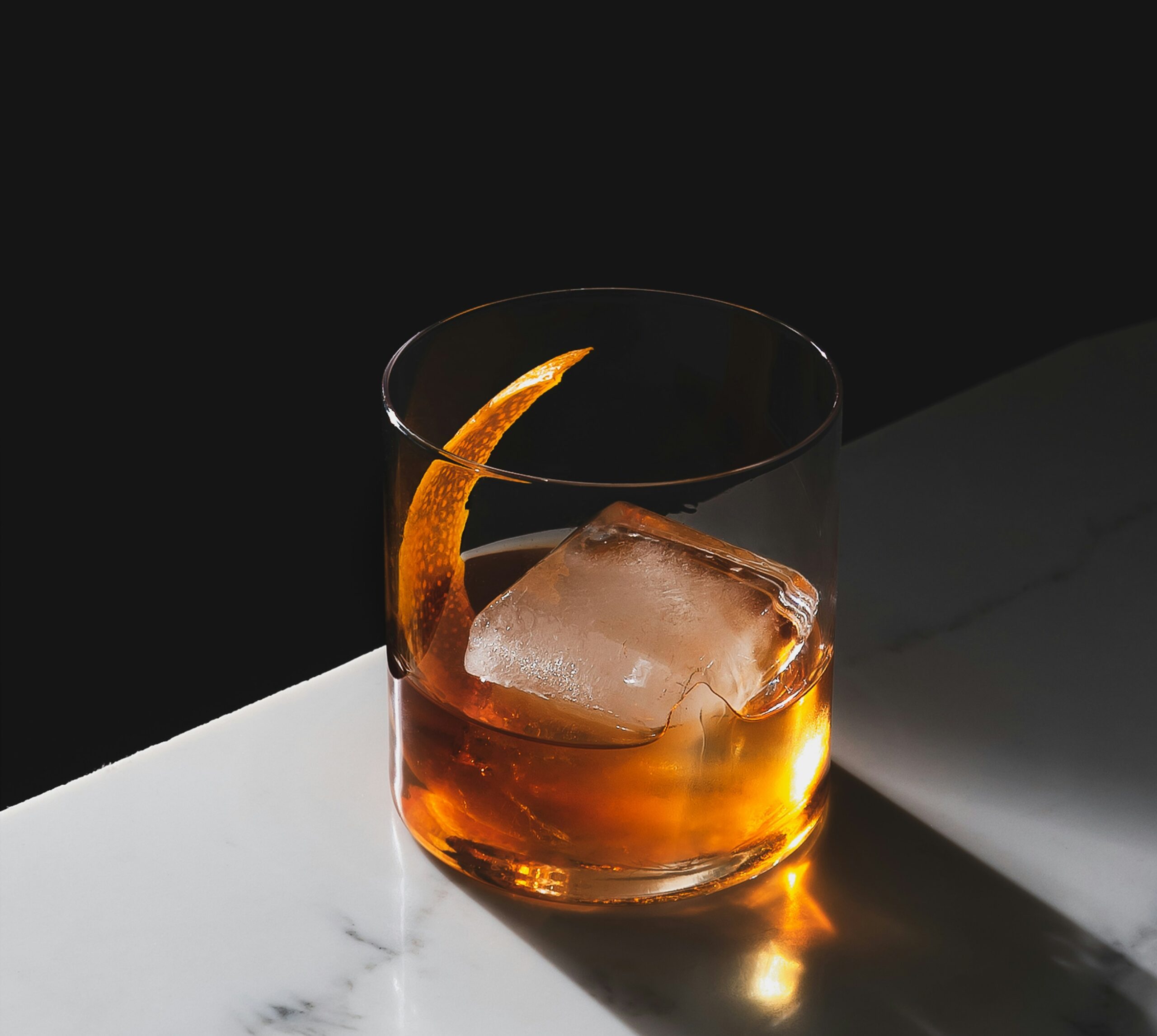
    Cocktails, on the other hand, often carry a whiff of intention. Stirring a Manhattan or muddling mint for a mojito suggests a desire for experience, not just effect. These drinks invite you to slow down, to savor, to participate.

    Both offer their own kind of pleasure. And both, when enjoyed mindfully, can become part of a comforting ritual—an anchor point in the chaos of daily life.

    Rethinking the Routine

    Of course, it’s worth noting that the romanticism of the after-work drink has a darker side. For some, it can slip from ritual into reliance. The key, say wellness advocates and mindful drinking proponents, is to stay conscious of the “why” behind your choice.

    Is it about celebration? Winding down? A social connector? When we understand the emotional need being met, we can fulfill it more intentionally—whether that means having a beer, a sparkling water with lime, or a zero-proof cocktail that hits all the right notes.

    The New Happy Hour

    Today, younger drinkers are reshaping after-hours habits. Low-ABV drinks, alcohol-free spirits, and even kombucha bars are expanding the definition of what a “drink” can be. And yet, the desire for ritual remains unchanged.

    We still want that soft landing after a hard day. We still crave that transition, that signal, that “cheers” moment. It just might look—and taste—a little different now.

    So whether it’s a cold pilsner, a lavender spritz, or a good old-fashioned G&T, raise your glass to the pause. It’s not just what’s in it that matters. It’s what it means.

  • Sunday Sips: Why Rituals Matter

    Sunday Sips: Why Rituals Matter


    By Isla Navarro, Style & Lifestyle Writer

    The Ritual That Grounds Me

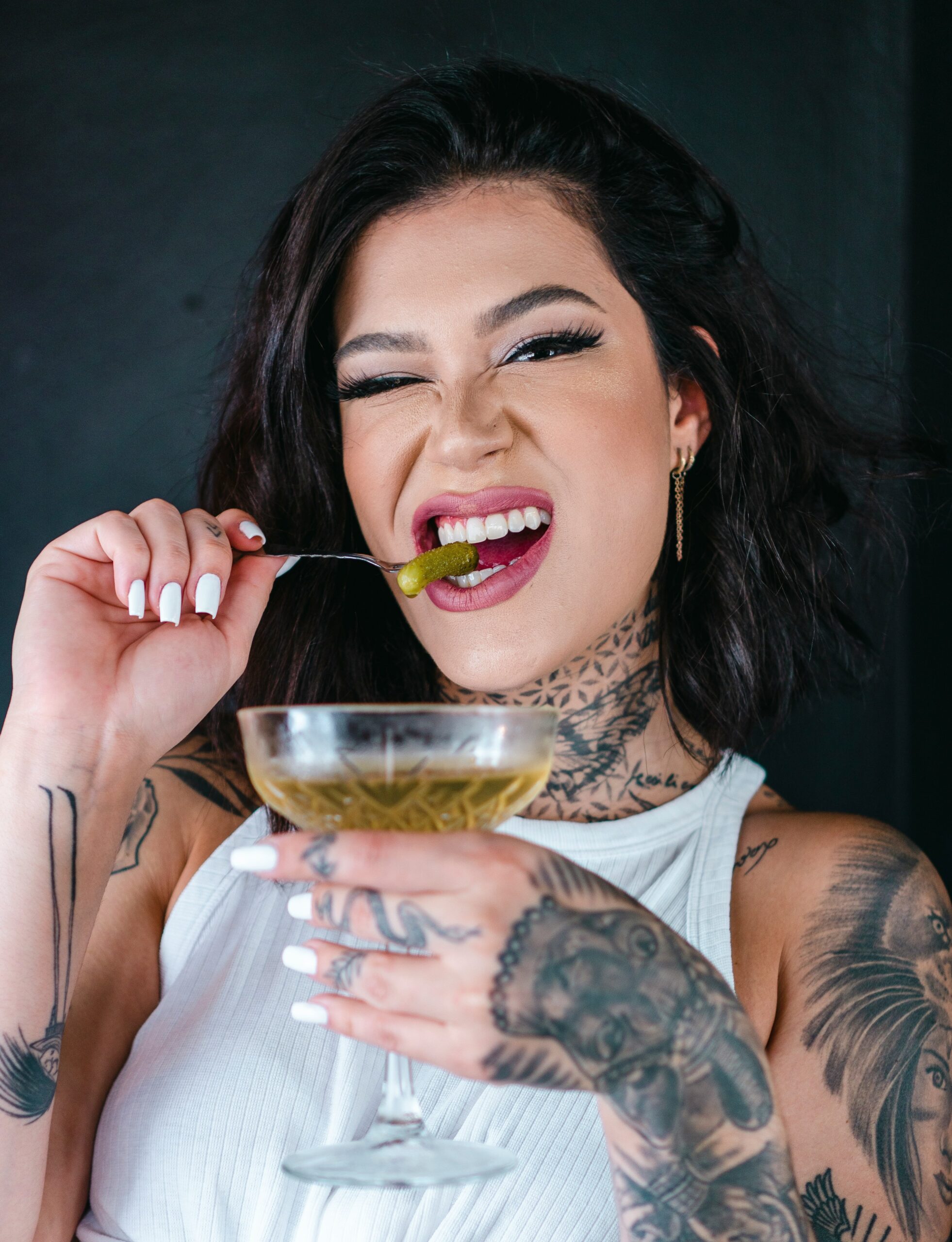
    Every Sunday at exactly 5:30 p.m., I pour myself a glass of wine. Not because it’s been a particularly long week (though it often has), not because I’m hosting anyone, and not even because it’s the trendy thing to do on Instagram. I do it because it’s mine. My little ritual. A pause. A punctuation mark between the noise of the past week and the clean slate of the one ahead.

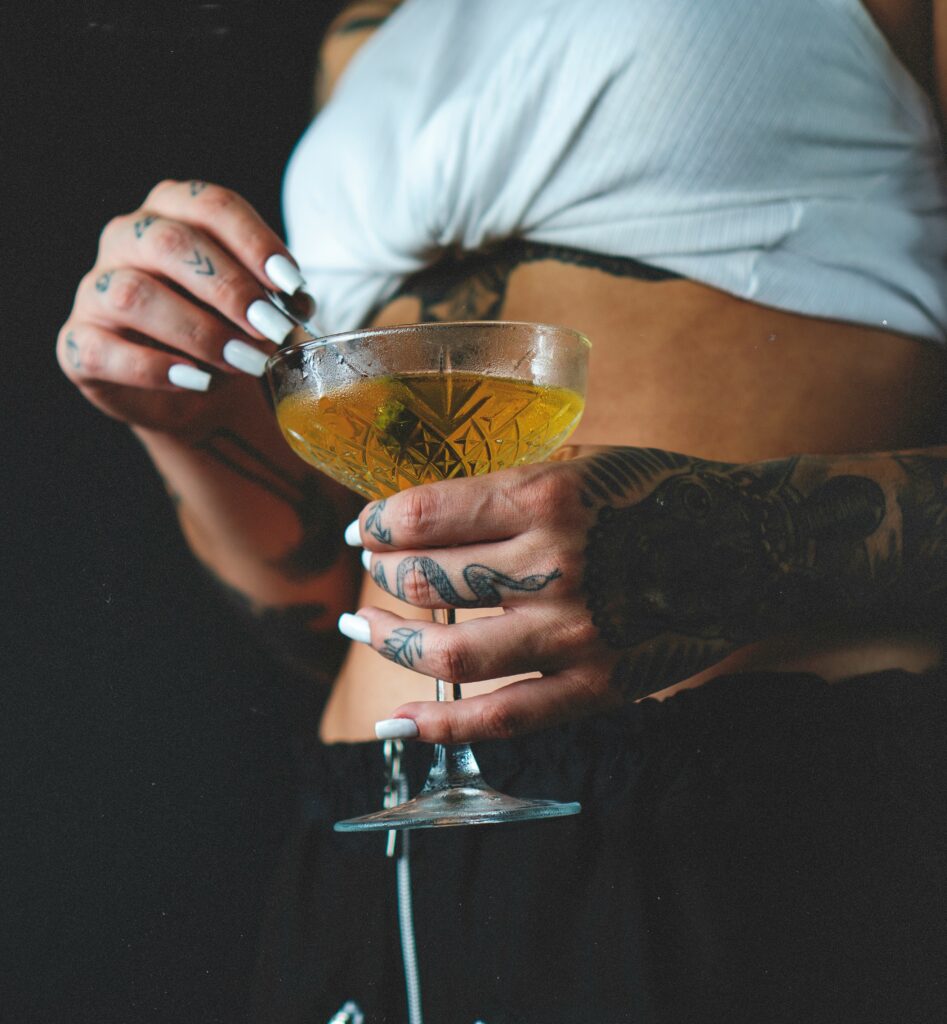
    I’m not alone in this. Among my friends—fellow creatives, stylists, and culinary obsessives—these tiny drinking traditions are sacred. Lauren has her Tuesday night whiskey after putting the kids to bed. Jordan does a negroni every Wednesday while watching reruns of Frasier. And my neighbor, an ex–pastry chef, celebrates Friday evenings with a vintage coupe of icy cold limoncello over a single cube of ice. None of us are drinking to excess. We’re sipping with intention.

    More Than Just a Drink

    There’s something about recurring rituals—especially those that involve our senses—that anchor us in a world that’s always in flux. When I sip my usual Sunday Côtes du Rhône, I’m not just tasting cherry and spice; I’m tasting quiet, reflection, and the rhythm of my own life.

    For me, that glass of wine is the equivalent of lighting a candle, rolling out a yoga mat, or putting on my comfiest cardigan. It marks a transition, a small ceremony to say: I’ve made it through another week. Let’s breathe now.

    Intentionality Is the New Luxury

    We live in a culture that often treats drinking as an all-or-nothing proposition. But ritual drinking—the slow, mindful kind—isn’t about numbing out. It’s about tuning in. To flavor. To feeling. To the environment we create around the drink itself.

    I arrange my little tray: wine glass, coaster, a small bowl of olives. I sit on the same velvet chair by the window. I put on music—usually something soft and nostalgic. It’s a scene that reminds me that pleasure doesn’t have to be loud. Or expensive. Or performative.

    The Power of Repetition

    In a way, these rituals become chapters in the story of who we are. They give shape to time, especially in an era when days can blend together and digital noise makes everything feel urgent. Repetition doesn’t dull the magic; it enhances it.

    Sometimes my Sunday wine becomes a journaling session. Other times I just sit in silence, watching the golden light shift across the apartment. And occasionally, it turns into a spontaneous dinner party with a neighbor. The ritual is flexible, but it always starts with that single sip.

    A Toast to What Matters

    Whether it’s a morning matcha or a Saturday spritz, drinking rituals don’t have to be elaborate to be meaningful. They just need to be yours.

    So here’s to the drinks that bookend our weeks. To the small, elegant ways we make time for ourselves. To the rituals that remind us of who we are.

    And if you don’t have one yet? Start this Sunday.

  • Flavor Memory: How Tastes Link Us to the Past

    Flavor Memory: How Tastes Link Us to the Past


    There are moments when a single sip or bite sends you tumbling backward in time. The scent of cinnamon recalls your grandmother’s kitchen. A spoonful of tomato soup brings back sick days home from school. One taste, and you’re there again—eyes closed, heart open, memory awakened.

    This is the power of flavor memory. And for chefs, mixologists, and winemakers, it’s one of the most potent storytelling tools they have.

    The Science Behind Flavor and Memory

    Taste and smell are intimately tied to the limbic system—the part of the brain that processes emotion and memory. Unlike sight or sound, which pass through multiple processing centers, smell and taste go directly to the brain’s emotional core.

    That’s why flavor memories are often more vivid, emotional, and enduring. You don’t just remember the meal—you remember how you felt when you ate it, who you were with, even what the light looked like in the room.

    Chefs Who Cook With Memory

    For many chefs, crafting a dish starts not with ingredients, but with emotion. A dish might be a love letter to a childhood meal or a reinterpretation of something once served on a plastic tray. It’s about honoring where they’ve been.

    Take the trend of elevated comfort food: mac and cheese with truffles, gourmet PB&J, or a delicate broth that echoes the soups of someone’s youth. These are more than just upgrades—they’re invitations to connect, to feel, to remember.

    Cocktails That Tell Stories

    Bartenders and mixologists also tap into nostalgia, using aroma and flavor to evoke specific moments. A cocktail might replicate the scent of a forest after rain or mimic the flavors of a childhood treat, like orange creamsicle or cherry cola—reimagined, of course, with nuance and craft.

    Smoke, spice, citrus zest—these elements aren’t just decorative. They’re sensory cues that tug at memory. One whiff, and suddenly, it’s summer, or winter break, or a first date.

    Winemakers and the Taste of Place

    Wine is memory in a bottle. It captures a specific harvest, a season, a soil. For winemakers, the idea of terroir—how climate, land, and tradition shape a wine—adds a nostalgic weight to every glass. Drinking wine made from old vines or traditional methods is like drinking history itself.

    And for many wine lovers, one bottle can become a personal time capsule: the one served at your wedding, the vintage from your gap year in Europe, the rosé that defined a beach trip.

    Telling Stories Through the Senses

    Ultimately, flavor memory is about emotion. Food and drink are never just fuel—they’re experience. And when chefs, bartenders, and vintners understand that, they don’t just serve something delicious. They create moments that stick with us.

    In a world moving fast, it’s grounding to know that one bite, one sip, can take us home.

  • Pelee Island Winery … You Should Go

    Pelee Island Winery … You Should Go

    Looking for a unique mini-vacation with something for everyone? Pelee Island has history, activities, relaxation, food and of course, great wine. 

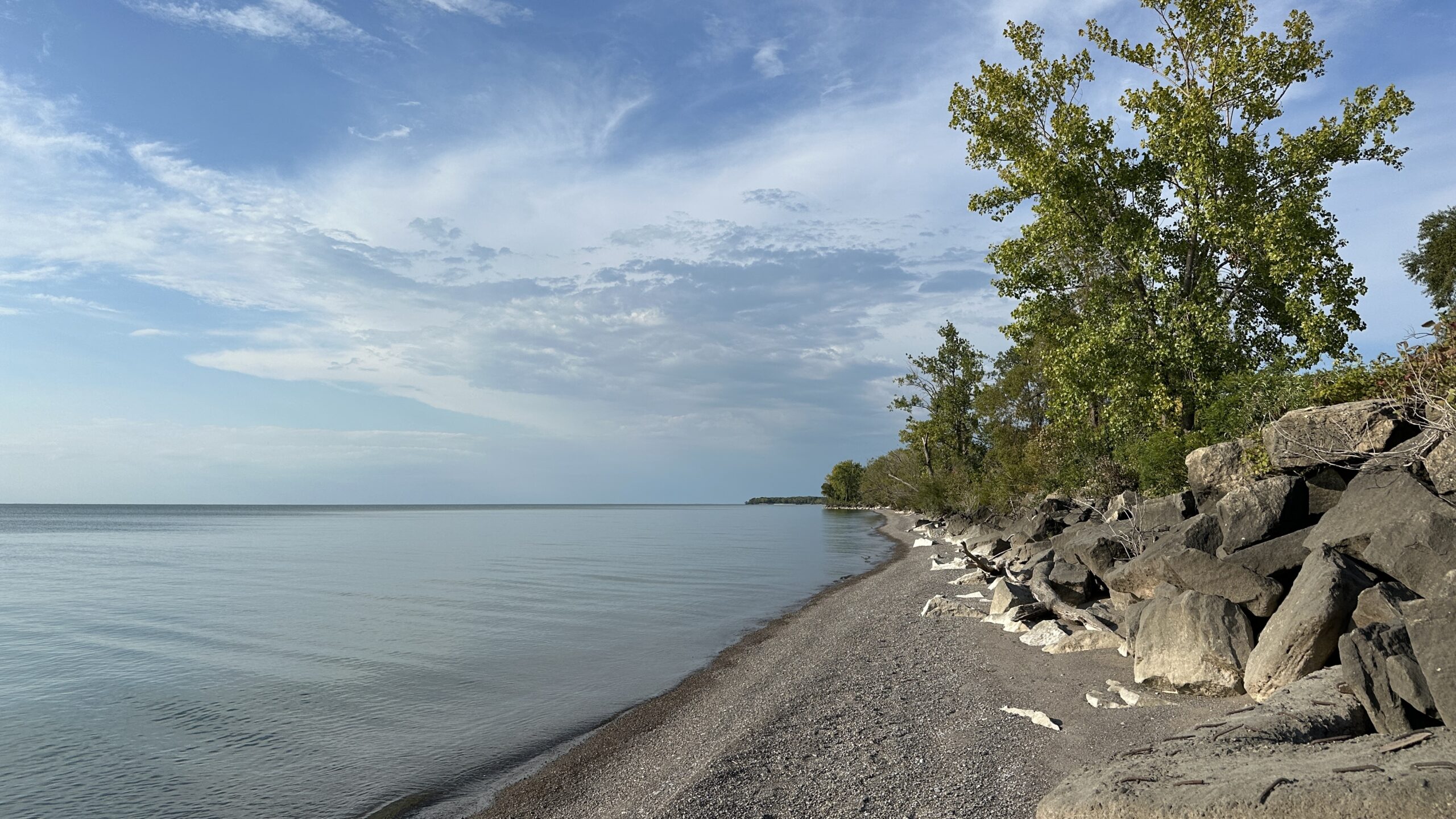
    Nestled at the southernmost tip of Canada, Pelee Island feels like a world apart and yet it’s just a scenic 90-minute ferry ride across Lake Erie. Once you disembark, the pace slows, shoulders drop, and the island’s relaxed charm seeps in. With Canada’s mildest climate, sitting at the same latitude as many of the world’s great wine regions,  this hidden gem offers a unique getaway perfect for wine lovers, nature seekers, and anyone in need of a low-key escape.

    Watch our video here:

    https://www.youtube.com/watch?v=sGC-VK_9qdU&t=98s

    A Winery Unlike Any Other

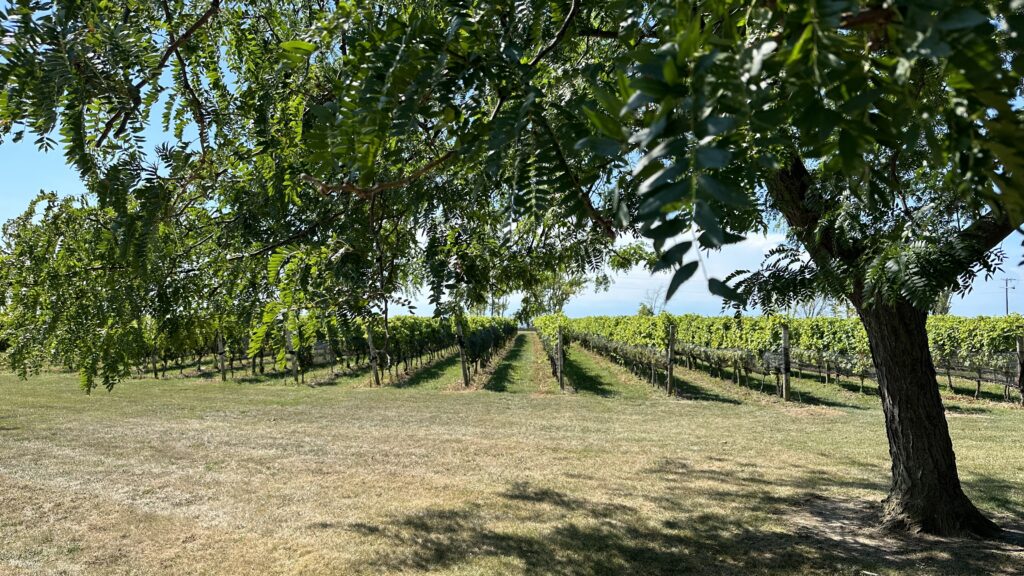
    Sprawling across over 700 acres, Pelee Island Winery, Canada’s largest private estate vineyard, harnessing an enviable microclimate that mirrors some of Europe’s best wine regions. Rich limestone soil, gentle lake breezes, and Canada’s longest growing season create an ideal terroir.
    At the quaint pavilion near the dock, visitors can explore the “Vine to Wine” experience: stroll through vines, tour the pavilion filled with antique winemaking tools, and enjoy tastings under the sun. Live music, wood-fired pizza, and artisan charcuterie make this a laid-back highlight.

    Getting Here: The Ferry Experience

    The journey is part of the charm. The ferries—MV Pelee Islander II and MV Pelee Islander—run from Leamington (April–July) and Kingsville (August–early December), accommodating vehicles, bikes, and foot passengers are essential, especially on holiday weekends. Book in advance! And don’t just plan for a crossing, plan for a transformative arrival into “island time.”

    Explore This Natural Wonder

    Beyond the vineyards, Pelee Island offers a rich tapestry of outdoor exploration:

    • Fish Point Nature Reserve – Hike through forest and along sandy dunes, birdwatchers’ paradise and home to Canada’s southernmost shoreline.
    • Lighthouse Point Provincial Nature Reserve – A peaceful boardwalk leads to a quaint lighthouse and a stunning spot for sunset gazing.
    • Birding & Wildlife – Located on major migratory flyways, the island is a globally recognized Important Bird Area with thousands of species passing through .

    Where to Stay

    For a stylish and comfortable stay on the mainland, consider cozy overnight stays at either The Grove near Leamington or Kingsville. These family owned boutique properties offer warm hospitality, and a perfect launch point for your island adventure.

    On the island itself, options include The Wandering Dog InnPelee Lake Muse, and Kiki’s Motel, perfect bases for sunsets, starry skies, and laid-back mornings.

    Slow Travel, Big Memories

    Pelee Island offers more than scenery—it offers serenity. With minimal cell coverage and no traffic lights, it’s the perfect place to unplug, unwind, and savor small joys. Whether you’re sipping a crisp Riesling from your deck, cycling past vineyards, or swimming off the ferry dock, this is a place to recharge the spirit; a cottage-country vibe without the crowds.

    Why You Should Visit

    • Unique terroir & award-winning VQA wines crafted sustainably in a pioneering microclimateen.
    • Stunning natural diversity—from beaches and forests to bird sanctuaries and lighthouses.
    • Charming local culture, with friendly hosts, rustic taverns, weekend music, and historic stories dating back centuries.
    • A vehicle-free escape—swap traffic for turtles, wine glasses for waves, and deadlines for downtime.

    So whether you’re planning a wine-paired weekend, a birding adventure, or a digital detox, Pelee Island delivers. Book your ferry, pack your curiosity, and prepare for quiet discoveries in Canada’s most southernly haven.

  • Bitter Is Better: Why Grown-Up Palates Crave Complexity

    Bitter Is Better: Why Grown-Up Palates Crave Complexity


    There’s a moment—somewhere between your second Negroni and your first love for dark leafy greens—when you realize your taste buds have grown up. Suddenly, the cloying sweetness of soda or syrupy cocktails loses its charm. In its place? A newfound craving for complexity, dryness, and, yes, bitterness.

    Welcome to the adult palate. It’s more sophisticated, a little more demanding, and it’s why bitter is better.

    Taste Buds Change As We Age

    We’re born wired for sweetness. It’s evolutionary—sweetness often signals safety and energy, especially for babies. But as we age, our taste buds evolve. We lose sensitivity to certain flavors, especially sweet and salty, while sour and bitter notes become more tolerable—and even appealing.

    At the same time, cultural exposure and repetition train our brains to appreciate what once tasted “too strong.” Think of your first sip of black coffee—jarring, maybe unpleasant. Now? It’s a morning ritual you might even describe as beautiful.

    Bitter Flavors Signal Complexity

    What makes something bitter—like Campari, espresso, or hops—is often what gives it nuance. Bitterness doesn’t hit you all at once. It unfurls. It lingers. It challenges your expectations.

    That’s why adult drinks tend to skew bitter. A briny martini, a smoky mezcal, an IPA with unapologetic bite—these are drinks you savor slowly, not slam. The pleasure isn’t in the sugar rush but in the unfolding layers of flavor.

    From Aperitivo to After-Dinner

    Cultures that have long embraced bitterness offer perfect examples. In Italy, the aperitivo tradition thrives on bitter amari—herbal liqueurs meant to stimulate appetite. In Japan, green tea can be grassy and astringent. And in Scandinavia, aquavit carries the sharp sting of caraway and dill.

    These aren’t acquired tastes by accident. They’re functional. Bitterness often helps with digestion, clarity, and balance—both in body and in the structure of a drink or dish.

    Craving Bitterness Is Craving Balance

    When you start preferring bitter over sweet, it’s not about masochism—it’s about harmony. Bitter flavors balance richness, cut through fat, and create contrast. A bitter salad green like radicchio pops against creamy cheese. A bitter cocktail refreshes after a heavy meal.

    And let’s be honest: they also make you feel like you’re in on something. Bitterness signals taste, maturity, maybe even sophistication. It says you’ve moved on from mixers and mimosas and into a world of deeper flavor.

    How To Embrace Bitter

    You don’t have to dive headfirst into Fernet-Branca. Start with balance—maybe an IPA that leans citrusy, or a cocktail with just a splash of amaro. Try adding bitter greens like arugula or dandelion to your salad. Sip your coffee black now and then. Taste slowly, and without judgment.

    Bitterness isn’t about suffering—it’s about complexity. And once you welcome it into your palate, a whole new world opens up.

  • From Farm to Ferment: The Future of Ethical Drinks


    The next time you raise a glass, consider what’s behind it—not just the grapes, grains, or botanicals, but the choices made in how they were grown, processed, and packaged. Across winemaking, brewing, and distilling, a quiet revolution is reshaping how your favorite drinks are made. This isn’t about buzzwords or fleeting trends. It’s about building a better booze industry from the ground up.

    Soil First, Always

    Whether it’s wine grapes in Sonoma or barley in Scotland, the future of flavor begins underground. More winemakers and brewers are shifting toward regenerative agriculture—farming practices that don’t just minimize harm but actively improve soil health. Think cover cropping, composting, minimal tilling, and ditching synthetic fertilizers in favor of organic methods.

    Healthy soil doesn’t just produce better crops. It captures carbon, boosts biodiversity, and supports long-term resilience. In a world of climate extremes, that’s not just ethical—it’s essential.

    Rethinking Waste From Start to Finish

    Traditional alcohol production can be shockingly wasteful. Think of the water it takes to clean equipment, the grape skins discarded after pressing, or the energy used in glass bottle manufacturing. Ethical producers are addressing these challenges at every step.

    Some breweries are repurposing spent grain into dog treats or baked goods. Distilleries are turning peels and pulp into biofuel. Wineries are moving toward lighter bottles or even eliminating glass entirely in favor of recycled aluminum or compostable packaging. Zero-waste may still be a lofty goal, but incremental changes are adding up fast.

    Real Sustainability Beats Trendy Greenwashing

    It’s tempting to slap “eco-friendly” on a label and call it a day. But conscious consumers are increasingly skeptical of vague claims. The new standard for ethical booze is transparency—clear information about sourcing, production practices, and packaging choices.

    Third-party certifications like organic, biodynamic, or B Corp can help, but they’re not the only markers. Many producers are inviting drinkers behind the curtain, offering digital traceability, open farm visits, and candid data on their carbon footprint.

    In short: the brands that build trust are the ones that show their work.

    People Matter Too

    Sustainability isn’t just about the planet—it’s about people. Ethical alcohol means fair wages for farmworkers, safe conditions for production staff, and equitable ownership models. Some craft operations are going even further, investing in cooperatives, profit-sharing, or community reforestation projects.

    The future of booze isn’t just “better for the Earth.” It’s better for everyone in the chain.

    What You Can Do as a Drinker

    You don’t need to overhaul your bar cart overnight. But you can start small: look for producers who are transparent about their sourcing. Support local or low-intervention makers. Pay attention to packaging. Ask questions.

    Ultimately, ethical drinking is about more than choosing what’s in your glass. It’s about aligning your enjoyment with your values—and supporting the kind of future you want to toast to.

  • Eat Like a Local, Drink Like a Native: Global Dining Etiquette You Never Knew

    Eat Like a Local, Drink Like a Native: Global Dining Etiquette You Never Knew


    From toasting with soju in South Korea to lingering over aperitivo in Italy, the rituals of eating and drinking vary widely across cultures—but they all share something in common: respect. Understanding a few of these customs doesn’t just make you a more thoughtful traveler. It also deepens your connection to the people and places behind the plate.

    Here are some global dining and drinking traditions that might surprise you—and inspire you to pause, notice, and participate more fully the next time you share a table abroad.

    Pouring for Others in Korea

    In Korean dining culture, pouring your own drink is considered impolite. Instead, guests pour for each other, creating a reciprocal act of care and attentiveness. When someone pours for you, you hold your glass with two hands—a small gesture of humility and gratitude.

    It’s more than just good manners. This ritual strengthens social bonds and reinforces the importance of community at the table. Even among friends, it signals respect and mutual appreciation.

    The Italian Art of Aperitivo

    In Italy, aperitivo isn’t just a happy hour—it’s a way of life. Typically enjoyed in the early evening, the aperitivo is meant to open the appetite before dinner. It usually involves a light drink like a spritz or a bitter liqueur paired with salty snacks such as olives, cheese, or chips.

    What matters most is the mood: relaxed, sociable, and unhurried. You don’t chug. You linger. You talk. It’s a reminder that dining is as much about connection as consumption.

    Japan’s Chopstick Code

    In Japan, chopsticks are more than utensils—they’re part of a deeply symbolic etiquette. Sticking them upright in a bowl of rice, for example, resembles a funeral offering and is considered taboo. Passing food from chopstick to chopstick also mimics a ritual from Japanese funerals and should be avoided.

    These aren’t random rules—they reflect a cultural reverence for food, tradition, and subtlety. Paying attention to them shows more than cultural awareness. It shows care.

    Toasting in Georgia

    In the country of Georgia, toasting is practically a form of storytelling. At traditional feasts known as supra, a designated toastmaster—or tamada—leads a series of poetic, heartfelt toasts that touch on everything from friendship to ancestors.

    To interrupt or ignore a toast would be unthinkable. Each one is an invitation to reflect and celebrate life with depth and sincerity, not just drink for the sake of drinking.

    When Dining Is a Dialogue

    Dining etiquette varies dramatically across cultures—but the deeper lesson is consistent. The table is never just about food. It’s a space for values, history, gratitude, and community to express themselves through gestures, timing, and tradition.

    By observing these rituals, even as a guest, you do more than avoid awkwardness. You honor the spirit of the place—and show that you’ve come not just to eat, but to listen and learn.