
There’s a moment—somewhere between your second Negroni and your first love for dark leafy greens—when you realize your taste buds have grown up. Suddenly, the cloying sweetness of soda or syrupy cocktails loses its charm. In its place? A newfound craving for complexity, dryness, and, yes, bitterness.
Welcome to the adult palate. It’s more sophisticated, a little more demanding, and it’s why bitter is better.
Taste Buds Change As We Age
We’re born wired for sweetness. It’s evolutionary—sweetness often signals safety and energy, especially for babies. But as we age, our taste buds evolve. We lose sensitivity to certain flavors, especially sweet and salty, while sour and bitter notes become more tolerable—and even appealing.
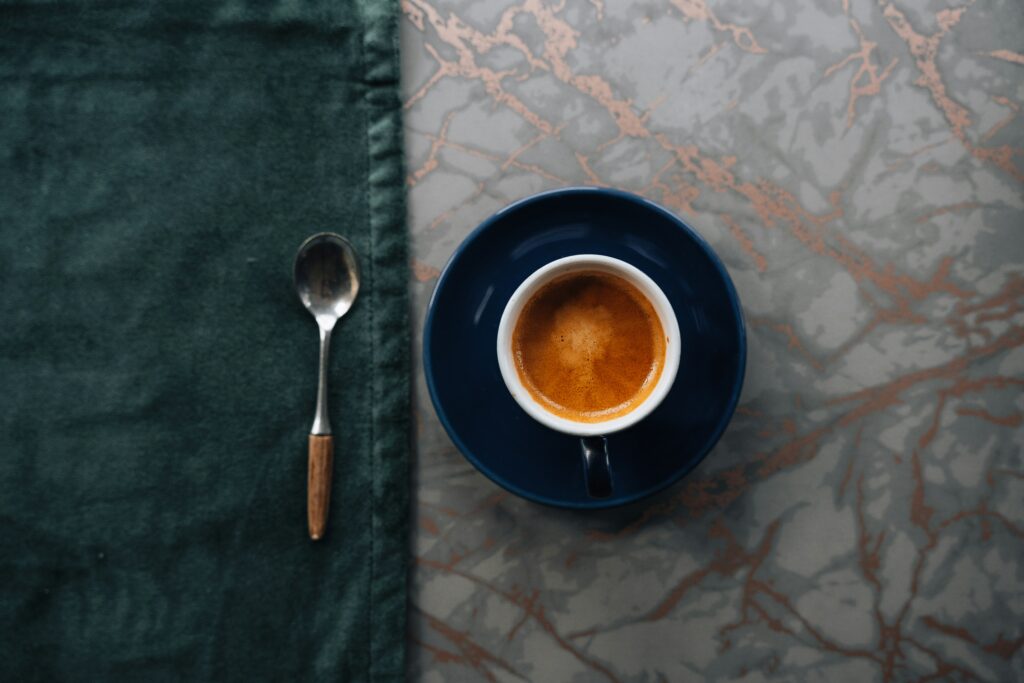
At the same time, cultural exposure and repetition train our brains to appreciate what once tasted “too strong.” Think of your first sip of black coffee—jarring, maybe unpleasant. Now? It’s a morning ritual you might even describe as beautiful.
Bitter Flavors Signal Complexity
What makes something bitter—like Campari, espresso, or hops—is often what gives it nuance. Bitterness doesn’t hit you all at once. It unfurls. It lingers. It challenges your expectations.
That’s why adult drinks tend to skew bitter. A briny martini, a smoky mezcal, an IPA with unapologetic bite—these are drinks you savor slowly, not slam. The pleasure isn’t in the sugar rush but in the unfolding layers of flavor.
From Aperitivo to After-Dinner
Cultures that have long embraced bitterness offer perfect examples. In Italy, the aperitivo tradition thrives on bitter amari—herbal liqueurs meant to stimulate appetite. In Japan, green tea can be grassy and astringent. And in Scandinavia, aquavit carries the sharp sting of caraway and dill.
These aren’t acquired tastes by accident. They’re functional. Bitterness often helps with digestion, clarity, and balance—both in body and in the structure of a drink or dish.
Craving Bitterness Is Craving Balance
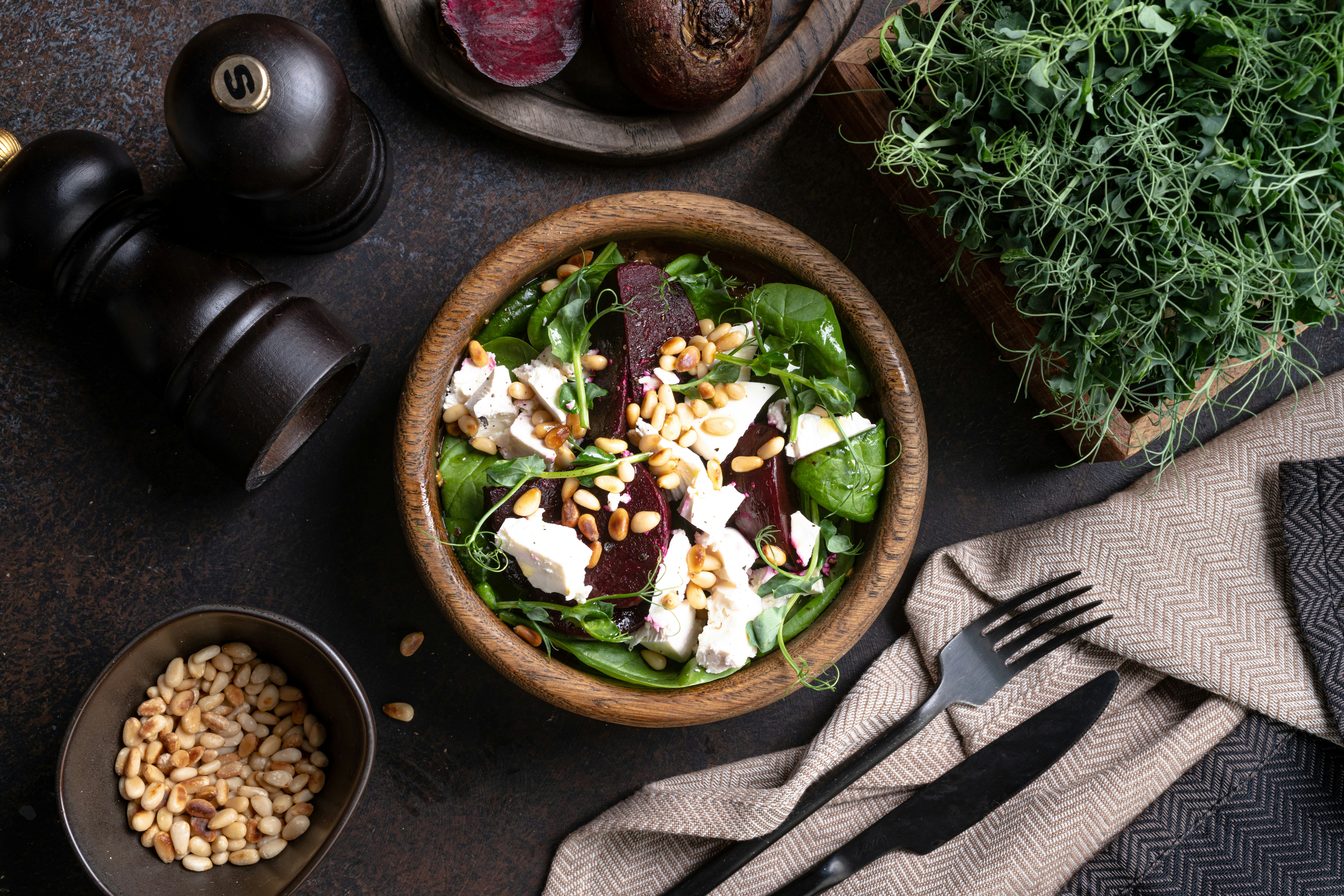
When you start preferring bitter over sweet, it’s not about masochism—it’s about harmony. Bitter flavors balance richness, cut through fat, and create contrast. A bitter salad green like radicchio pops against creamy cheese. A bitter cocktail refreshes after a heavy meal.
And let’s be honest: they also make you feel like you’re in on something. Bitterness signals taste, maturity, maybe even sophistication. It says you’ve moved on from mixers and mimosas and into a world of deeper flavor.
How To Embrace Bitter
You don’t have to dive headfirst into Fernet-Branca. Start with balance—maybe an IPA that leans citrusy, or a cocktail with just a splash of amaro. Try adding bitter greens like arugula or dandelion to your salad. Sip your coffee black now and then. Taste slowly, and without judgment.
Bitterness isn’t about suffering—it’s about complexity. And once you welcome it into your palate, a whole new world opens up.