Tag: Cocktails

  • Why We Romanticize the After-Work Drink

    Why We Romanticize the After-Work Drink


    You know the moment: you clock out, step into fading daylight, and hear the pop-hiss of a cold beer opening. It’s not just thirst you’re quenching—it’s something deeper. That first post-work drink, whether it’s a crisp lager, a juicy IPA, or a carefully stirred negroni, hits a nerve we rarely talk about. It’s not about getting buzzed. It’s about transition.

    Across cultures, the after-work drink marks a boundary—between duty and leisure, effort and ease, performance and presence. And while we often joke about needing a drink to “take the edge off,” there’s a quiet, ritualistic beauty to that pause, that sip, that exhale.

    A Global Habit with Local Flavors

    In Japan, it’s customary for salarymen to head to an izakaya after work to bond with colleagues over beer and highballs. In Italy, the early evening aperitivo—a light cocktail and a few salty bites—is practically sacred. In Germany, the Feierabendbier, or “beer to celebrate the end of the workday,” is a beloved part of life. And in the U.S., happy hour culture remains strong, even if the two-for-one specials have made way for curated tap lists and small-batch spirits.

    Though the setting and the drink may differ, the underlying impulse is the same: a need to decompress, to reconnect with ourselves and others, to signal a change in pace.

    The Psychology of Decompression

    So why does that first drink feel so satisfying?

    Psychologists call this kind of shift a “liminal space”—a threshold between two states. For many of us, the after-work drink is a personal ritual that helps us mentally separate the day’s stressors from our time off. It tells the brain, “You’re done. You did enough. You can relax now.”

    The sensory qualities of alcohol—bitterness, burn, bubbles—can amplify this sense of release. Studies have shown that moderate alcohol consumption may momentarily reduce cortisol levels, the stress hormone, and even trigger social bonding. But even without the science, we intuitively know: it’s not just the drink. It’s the moment.

    Beer vs. Cocktail: What the Choice Says

    Beer, with its casual pop-top and familiar flavors, often signals simplicity and physical relief. It’s the drink of backyard barbecues, post-shift construction crews, and office friends who just need to vent.

    Cocktails, on the other hand, often carry a whiff of intention. Stirring a Manhattan or muddling mint for a mojito suggests a desire for experience, not just effect. These drinks invite you to slow down, to savor, to participate.

    Both offer their own kind of pleasure. And both, when enjoyed mindfully, can become part of a comforting ritual—an anchor point in the chaos of daily life.

    Rethinking the Routine

    Of course, it’s worth noting that the romanticism of the after-work drink has a darker side. For some, it can slip from ritual into reliance. The key, say wellness advocates and mindful drinking proponents, is to stay conscious of the “why” behind your choice.

    Is it about celebration? Winding down? A social connector? When we understand the emotional need being met, we can fulfill it more intentionally—whether that means having a beer, a sparkling water with lime, or a zero-proof cocktail that hits all the right notes.

    The New Happy Hour

    Today, younger drinkers are reshaping after-hours habits. Low-ABV drinks, alcohol-free spirits, and even kombucha bars are expanding the definition of what a “drink” can be. And yet, the desire for ritual remains unchanged.

    We still want that soft landing after a hard day. We still crave that transition, that signal, that “cheers” moment. It just might look—and taste—a little different now.

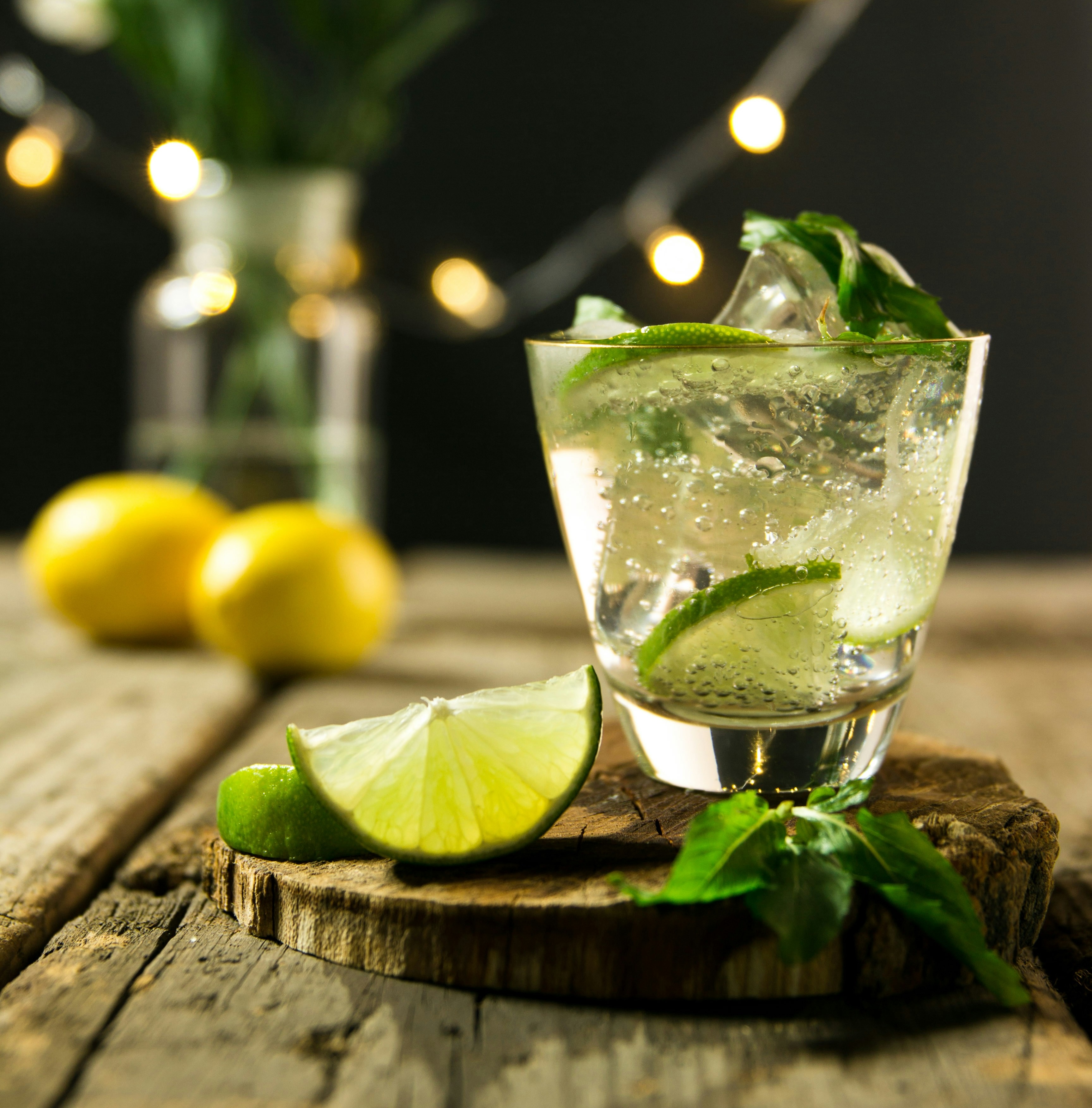
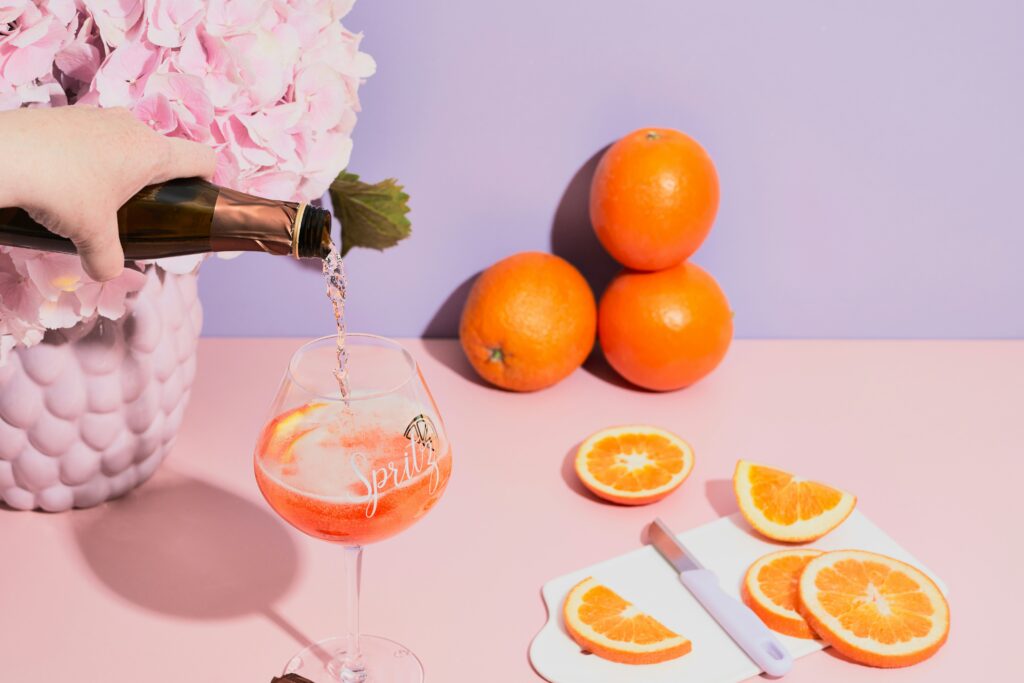
    So whether it’s a cold pilsner, a lavender spritz, or a good old-fashioned G&T, raise your glass to the pause. It’s not just what’s in it that matters. It’s what it means.
  • Sunday Sips: Why Rituals Matter

    Sunday Sips: Why Rituals Matter


    By Isla Navarro, Style & Lifestyle Writer

    The Ritual That Grounds Me

    Every Sunday at exactly 5:30 p.m., I pour myself a glass of wine. Not because it’s been a particularly long week (though it often has), not because I’m hosting anyone, and not even because it’s the trendy thing to do on Instagram. I do it because it’s mine. My little ritual. A pause. A punctuation mark between the noise of the past week and the clean slate of the one ahead.

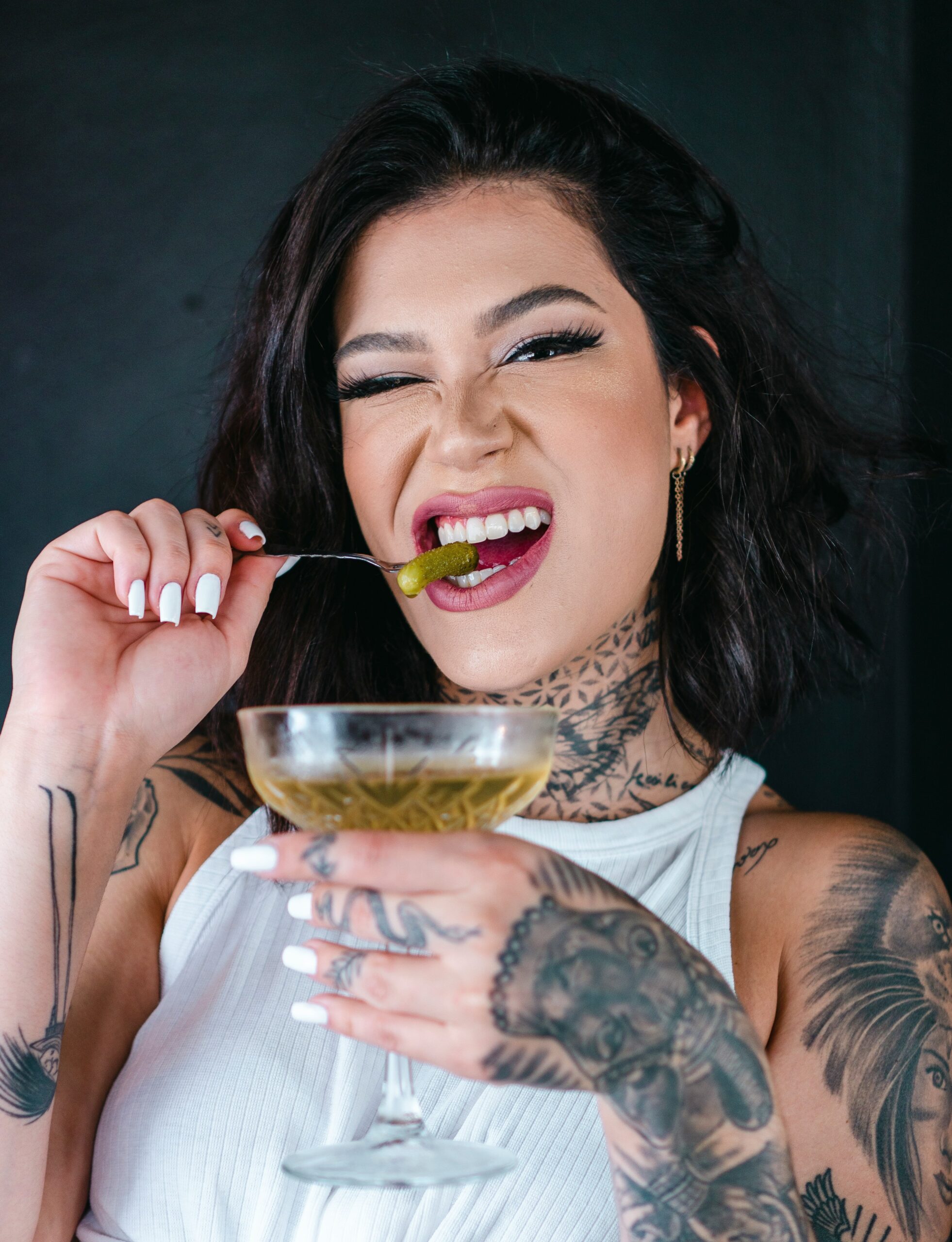
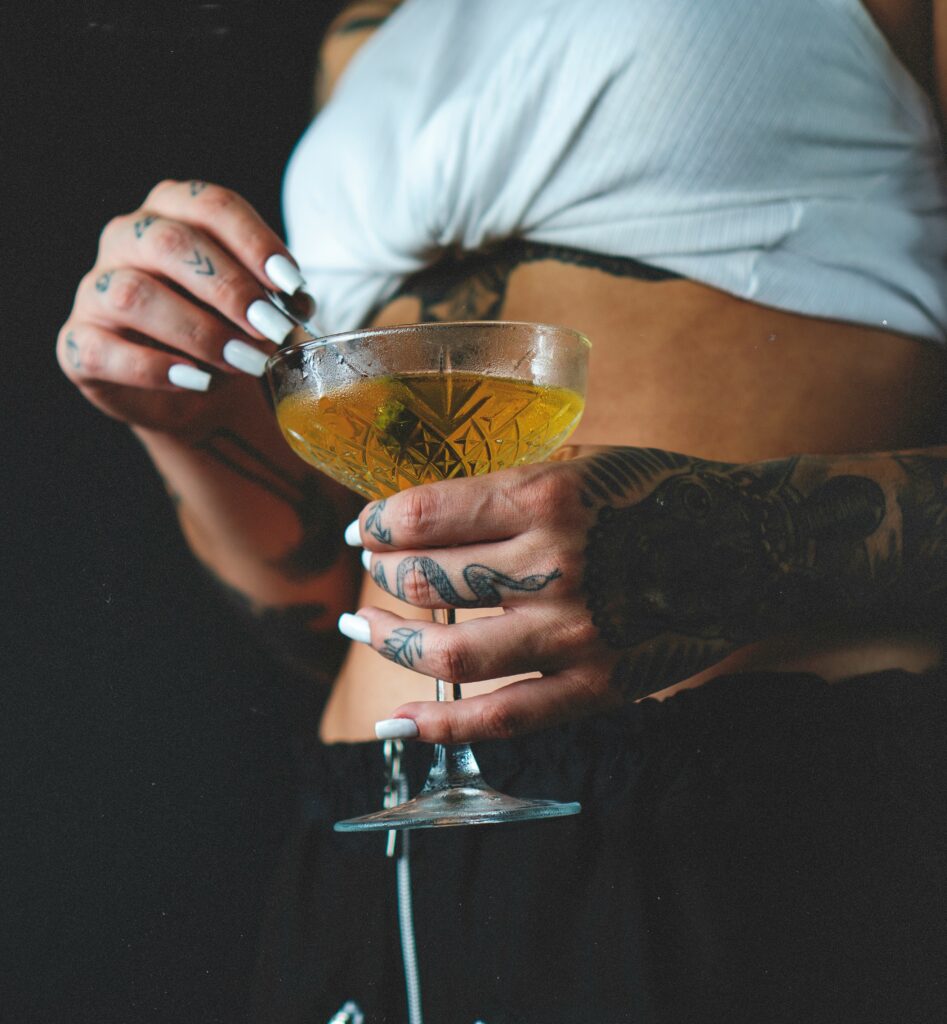
    I’m not alone in this. Among my friends—fellow creatives, stylists, and culinary obsessives—these tiny drinking traditions are sacred. Lauren has her Tuesday night whiskey after putting the kids to bed. Jordan does a negroni every Wednesday while watching reruns of Frasier. And my neighbor, an ex–pastry chef, celebrates Friday evenings with a vintage coupe of icy cold limoncello over a single cube of ice. None of us are drinking to excess. We’re sipping with intention.

    More Than Just a Drink

    There’s something about recurring rituals—especially those that involve our senses—that anchor us in a world that’s always in flux. When I sip my usual Sunday Côtes du Rhône, I’m not just tasting cherry and spice; I’m tasting quiet, reflection, and the rhythm of my own life.

    For me, that glass of wine is the equivalent of lighting a candle, rolling out a yoga mat, or putting on my comfiest cardigan. It marks a transition, a small ceremony to say: I’ve made it through another week. Let’s breathe now.

    Intentionality Is the New Luxury

    We live in a culture that often treats drinking as an all-or-nothing proposition. But ritual drinking—the slow, mindful kind—isn’t about numbing out. It’s about tuning in. To flavor. To feeling. To the environment we create around the drink itself.

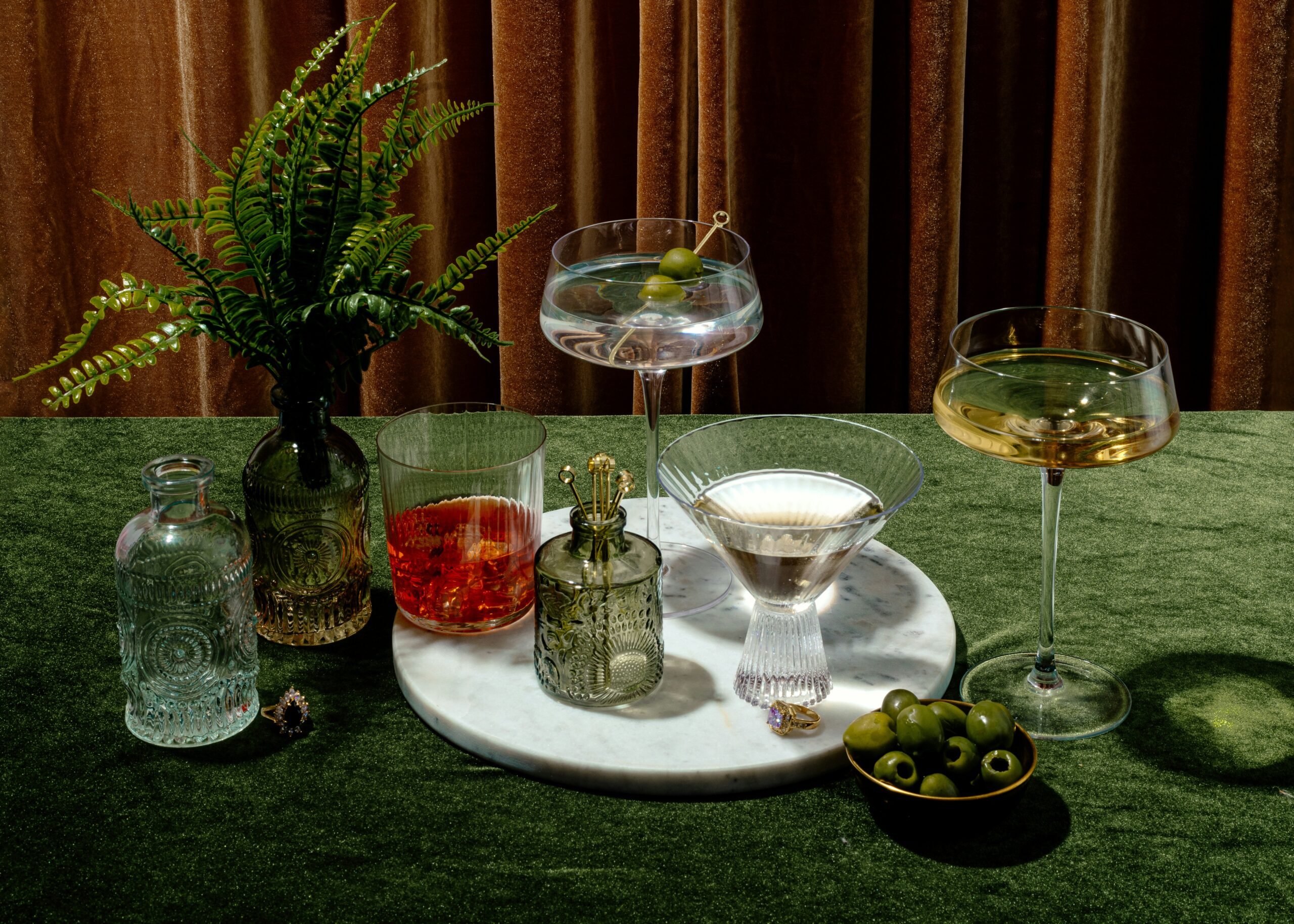
    I arrange my little tray: wine glass, coaster, a small bowl of olives. I sit on the same velvet chair by the window. I put on music—usually something soft and nostalgic. It’s a scene that reminds me that pleasure doesn’t have to be loud. Or expensive. Or performative.

    The Power of Repetition

    In a way, these rituals become chapters in the story of who we are. They give shape to time, especially in an era when days can blend together and digital noise makes everything feel urgent. Repetition doesn’t dull the magic; it enhances it.

    Sometimes my Sunday wine becomes a journaling session. Other times I just sit in silence, watching the golden light shift across the apartment. And occasionally, it turns into a spontaneous dinner party with a neighbor. The ritual is flexible, but it always starts with that single sip.

    A Toast to What Matters

    Whether it’s a morning matcha or a Saturday spritz, drinking rituals don’t have to be elaborate to be meaningful. They just need to be yours.

    So here’s to the drinks that bookend our weeks. To the small, elegant ways we make time for ourselves. To the rituals that remind us of who we are.

    And if you don’t have one yet? Start this Sunday.

  • Bitter Is Better: Why Grown-Up Palates Crave Complexity

    Bitter Is Better: Why Grown-Up Palates Crave Complexity


    There’s a moment—somewhere between your second Negroni and your first love for dark leafy greens—when you realize your taste buds have grown up. Suddenly, the cloying sweetness of soda or syrupy cocktails loses its charm. In its place? A newfound craving for complexity, dryness, and, yes, bitterness.

    Welcome to the adult palate. It’s more sophisticated, a little more demanding, and it’s why bitter is better.

    Taste Buds Change As We Age

    We’re born wired for sweetness. It’s evolutionary—sweetness often signals safety and energy, especially for babies. But as we age, our taste buds evolve. We lose sensitivity to certain flavors, especially sweet and salty, while sour and bitter notes become more tolerable—and even appealing.

    At the same time, cultural exposure and repetition train our brains to appreciate what once tasted “too strong.” Think of your first sip of black coffee—jarring, maybe unpleasant. Now? It’s a morning ritual you might even describe as beautiful.

    Bitter Flavors Signal Complexity

    What makes something bitter—like Campari, espresso, or hops—is often what gives it nuance. Bitterness doesn’t hit you all at once. It unfurls. It lingers. It challenges your expectations.

    That’s why adult drinks tend to skew bitter. A briny martini, a smoky mezcal, an IPA with unapologetic bite—these are drinks you savor slowly, not slam. The pleasure isn’t in the sugar rush but in the unfolding layers of flavor.

    From Aperitivo to After-Dinner

    Cultures that have long embraced bitterness offer perfect examples. In Italy, the aperitivo tradition thrives on bitter amari—herbal liqueurs meant to stimulate appetite. In Japan, green tea can be grassy and astringent. And in Scandinavia, aquavit carries the sharp sting of caraway and dill.

    These aren’t acquired tastes by accident. They’re functional. Bitterness often helps with digestion, clarity, and balance—both in body and in the structure of a drink or dish.

    Craving Bitterness Is Craving Balance

    When you start preferring bitter over sweet, it’s not about masochism—it’s about harmony. Bitter flavors balance richness, cut through fat, and create contrast. A bitter salad green like radicchio pops against creamy cheese. A bitter cocktail refreshes after a heavy meal.

    And let’s be honest: they also make you feel like you’re in on something. Bitterness signals taste, maturity, maybe even sophistication. It says you’ve moved on from mixers and mimosas and into a world of deeper flavor.

    How To Embrace Bitter

    You don’t have to dive headfirst into Fernet-Branca. Start with balance—maybe an IPA that leans citrusy, or a cocktail with just a splash of amaro. Try adding bitter greens like arugula or dandelion to your salad. Sip your coffee black now and then. Taste slowly, and without judgment.

    Bitterness isn’t about suffering—it’s about complexity. And once you welcome it into your palate, a whole new world opens up.

  • The Rise of Low-ABV Cocktails: Why Less Is the New Luxe

    The Rise of Low-ABV Cocktails: Why Less Is the New Luxe


    In a world that’s increasingly wellness-conscious but still craving flavor, low-ABV (alcohol by volume) cocktails have stepped into the spotlight. These light-on-the-booze beverages are more than just a compromise—they’re becoming a deliberate, stylish choice. From aperitif-driven drinks to lower-proof spins on classics, bartenders around the globe are redefining what it means to indulge.

    A Shift in Sip Culture

    For years, cocktail menus were dominated by bold, high-proof concoctions that packed a punch. But tastes are evolving. “Guests want drinks they can enjoy over time, without feeling weighed down,” says Olivia Chang, beverage director at a New York City speakeasy that now features a dedicated low-ABV section. “It’s about pleasure and presence—not excess.”

    The rise of this trend coincides with larger cultural movements around moderation. The sober-curious crowd, Dry January devotees, and health-conscious millennials have all helped fuel a desire for alternatives to traditional high-proof cocktails.

    The Ingredients Behind the Movement

    Low-ABV cocktails tend to showcase ingredients like vermouth, sherry, amaro, sake, or even kombucha and tea infusions. These bases offer complexity and depth without the high alcohol content. Think spritzes with artful bitters, cobblers made with fortified wine, or a refreshing highball using sake and cucumber soda.

    “It forces creativity,” says Mateo Rivera, a bartender in San Francisco. “When you can’t rely on spirits to carry the weight, you get more inventive with herbs, tinctures, and seasonal produce. You’re painting with a subtler brush.”

    From Aperitivo to After-Hours

    This trend borrows inspiration from European aperitivo culture, where a late afternoon drink isn’t about intoxication but about stimulation—waking up the palate, not dulling it. That spirit is being adopted at trendy wine bars and rooftop lounges from Los Angeles to Lisbon.

    You’ll spot Negroni Sbagliatos on menus again, or see bartenders riffing on spritzes using unusual bitter liqueurs and sparkling water. One popular drink at a Tokyo bar? A yuzushu-based cocktail with a mist of gin and a garnish of grilled lemon. It’s light, layered, and surprisingly satisfying.

    Luxe by Design

    Ironically, the lighter the drink, the more intentional it often is. “There’s a quiet luxury to low-ABV cocktails,” says Chang. “They’re often more elegant in presentation and nuanced in flavor. You sip them slowly. You remember them.”

    This kind of drinking doesn’t mean giving anything up. It means elevating the experience. A well-made low-ABV cocktail is a celebration of restraint—and a sign that indulgence is no longer defined by excess, but by balance.

    Where It’s Headed

    As home bartending continues to boom, low-ABV cocktail culture is making its way into kitchens, backyards, and dinner parties. With more premium non-alcoholic and low-proof spirits on the market, the possibilities are expanding.

    Less really is more. And in this case, it’s more stylish, more sustainable, and arguably, more fun.

  • The Art of the Cocktail Garnish: From Minimalist to Maximalist

    The Art of the Cocktail Garnish: From Minimalist to Maximalist


    A perfectly crafted cocktail is more than just a drink—it’s a visual moment. And nothing defines that moment more than the garnish. Once an afterthought, garnishes have become miniature works of art, helping drinks tell stories, express personalities, and go viral. From a single twist of lemon to a dramatic bouquet of herbs and dried flowers, the garnish is having a renaissance.

    Minimalist or maximalist? Your garnish style might say more about you than your drink order.

    The Rise of the Barely-There Garnish

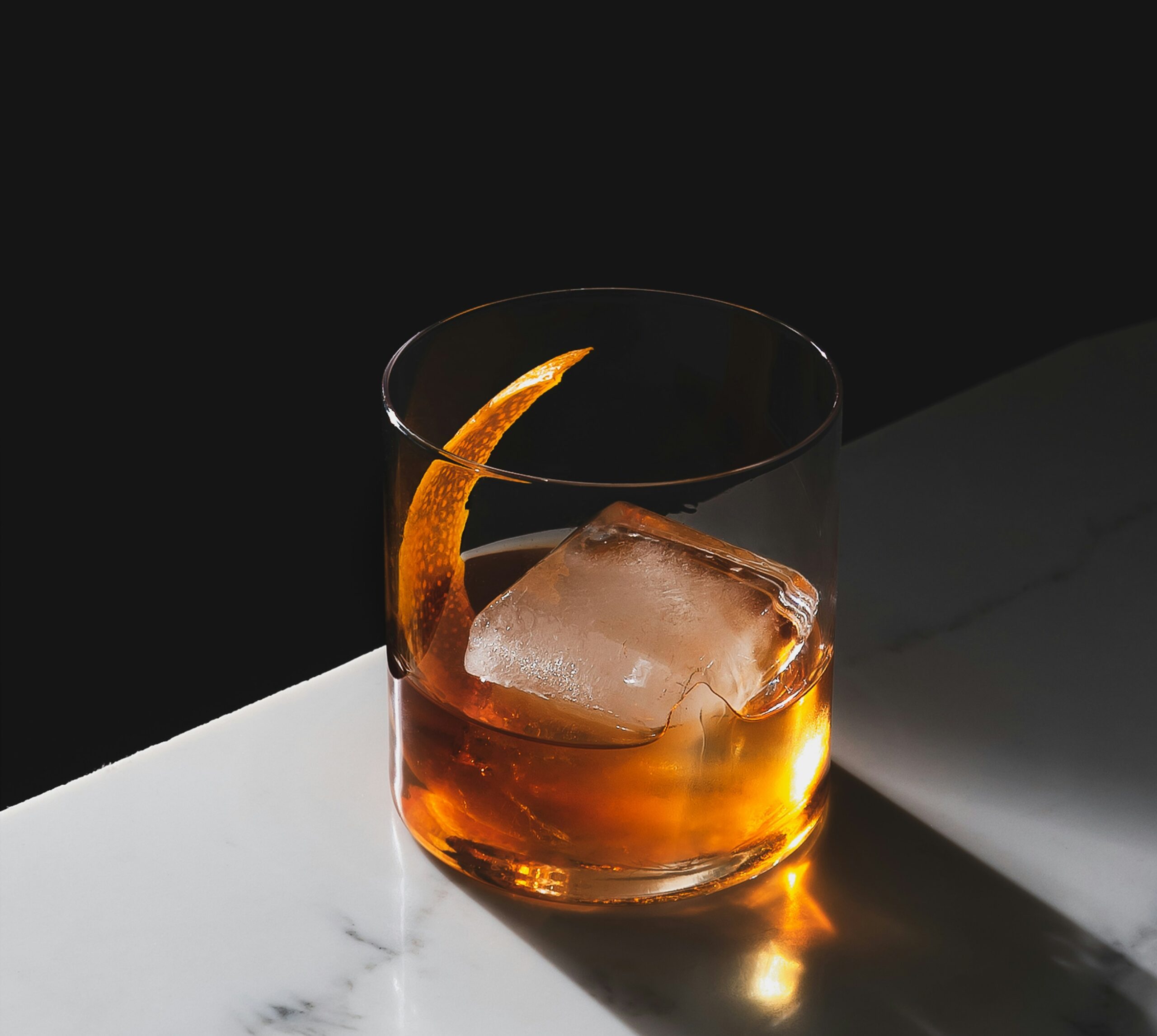
    Minimalist garnishes are all about restraint. Think a razor-thin lime wheel perched on a gimlet or a single, large ice cube with a perfectly placed orange peel in an Old Fashioned. These subtle choices suggest precision, balance, and quiet confidence.

    Bartenders embracing minimalism are often inspired by Japanese cocktail culture, where elegance and purity of flavor come first. In these drinks, the garnish doesn’t distract—it enhances. It’s for the cocktail purist who believes less is more, and who appreciates clean lines, crisp glassware, and symmetry.

    Maximalism: The More, The Merrier

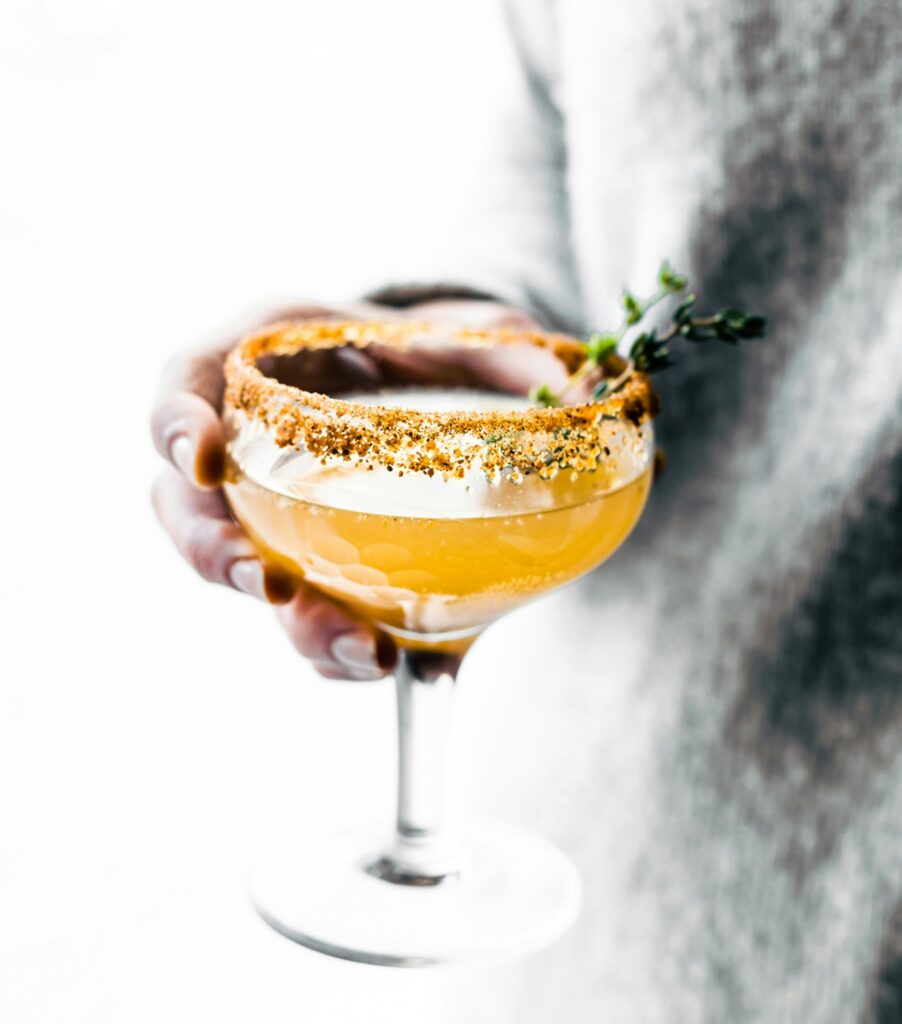
    At the other end of the spectrum, maximalist garnishes are big, bold, and unapologetically extra. We’re talking about Bloody Marys topped with mini cheeseburgers, piña coladas in hollowed-out pineapples, and smoky mezcal drinks crowned with a chili-salt rim, flaming rosemary sprig, and dehydrated citrus.

    This is the realm of the creative, the theatrical, the social media-savvy. Maximalist garnishes turn drinks into experiences. They invite conversation. They push boundaries. And they suggest a drinker who loves drama, flair, and maybe a little fun chaos.

    The Sustainable Garnish Movement

    As the garnish game has grown more elaborate, so has the push for sustainability. Many top bars now repurpose ingredients—citrus peels, spent herbs, dried fruit—to reduce waste. Dehydrated garnishes, herb ice cubes, and pickled accents are not only eco-conscious but also pack flavor and texture.

    It’s a reminder that the art of the garnish isn’t just about aesthetics—it’s also about intention.

    What Your Garnish Says About You

    Just like fashion or interior design, your garnish choice says a lot about your aesthetic. Are you the type who goes for a single sage leaf or a sugar-dusted pansy? You might lean toward the romantic, the refined, the detail-oriented. Prefer a sprig of mint so tall it brushes your eyebrows? You’re likely outgoing, bold, and love a little spectacle.

    Even bars are starting to build “garnish bars” where patrons can customize their drinks based on mood and flavor. Want to add a slice of candied ginger, a twist of grapefruit, or edible glitter? Go for it.

    A Drink That Speaks Before You Sip

    The next time your cocktail arrives, take a moment before you sip. Whether it’s adorned with a delicate flower or an entire snack, that garnish isn’t just for looks—it’s a statement.

    In today’s world of curated experiences and sensory storytelling, the garnish has become the exclamation point. How you end your sentence is up to you.

  • Mindful Sipping: 5 Delicious Low-Alcohol Cocktails

    Mindful Sipping: 5 Delicious Low-Alcohol Cocktails

    In a world where happy hours, dinner parties, and weekend brunches revolve around cocktails and wine, many of us are looking for ways to drink more mindfully. Whether you’re cutting back on alcohol, watching your calorie intake, or just looking for something light and refreshing, low-ABV cocktails are the perfect solution. These drinks offer all the complexity and sophistication of a great cocktail, without the heavy buzz. Here are five delicious, low-alcohol options that are perfect for any occasion—each with no more than one ounce of alcohol per serving, and you can always cut that in half! 

    1. Cucumber Spritz (Vodka)

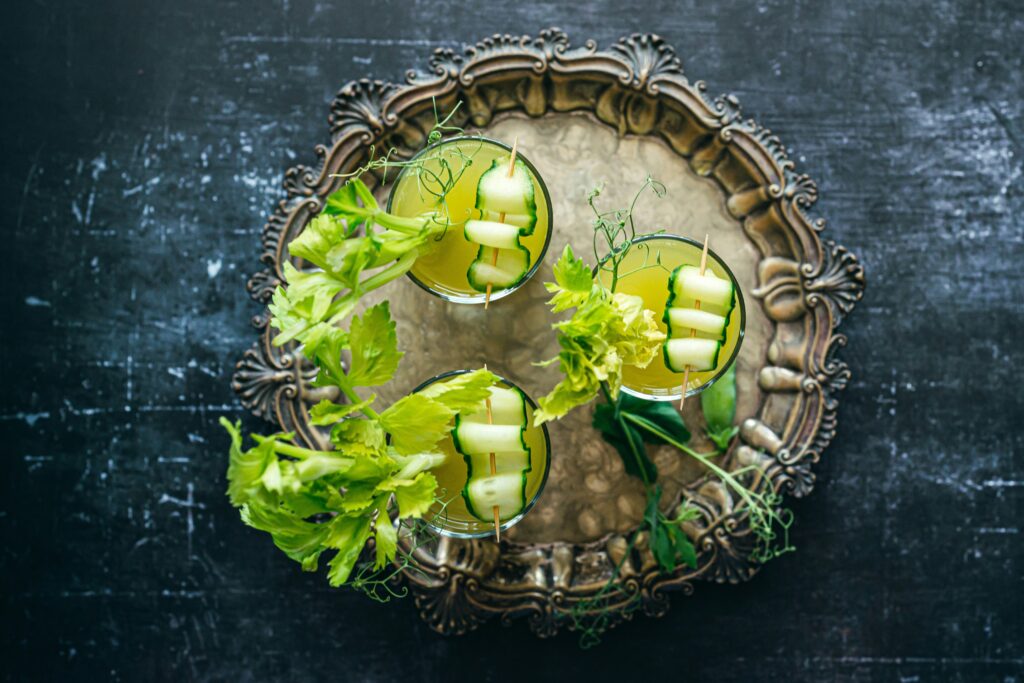
    Crisp, hydrating, and delightfully light, this cucumber-forward cocktail is a perfect choice for a summer afternoon or a spa-like reset. Fresh cucumber and mint add a refreshing twist, while soda water keeps it bubbly without extra calories.

    Recipe:

    • 1 oz vodka
    • 3 oz sparkling water
    • 1 oz fresh lime juice
    • 3-4 cucumber slices
    • A few fresh mint leaves
    • Ice
      Muddle the cucumber and mint in a glass, add ice, vodka, and lime juice, then top with sparkling water. Stir and enjoy!

    2. Rosé Citrus Spritzer (Wine)

    A light and fruity alternative to a full glass of wine, this spritzer brings out the best in a crisp rosé while keeping things bright and refreshing.

    Recipe:

    • 3 oz dry rosé wine
    • 1 oz fresh grapefruit juice
    • 2 oz soda water
    • A few fresh berries for garnish
    • Ice
      Fill a wine glass with ice, pour in the rosé and grapefruit juice, then top with soda water. Stir gently and garnish with berries.

    3. Elderflower Collins (Gin)

    This delicate, floral cocktail is a perfect balance of botanicals, citrus, and subtle sweetness. Elderflower liqueur adds an elegant touch, while club soda keeps it light.

    Recipe:

    • 1 oz gin
    • ½ oz elderflower liqueur
    • ½ oz fresh lemon juice
    • 3 oz club soda
    • Ice
      Shake the gin, elderflower liqueur, and lemon juice with ice, strain into a glass filled with ice, and top with club soda. Stir and garnish with a lemon slice.

    4. Paloma Light (Tequila)

    A classic Paloma gets a lighter makeover with fresh grapefruit juice and a hint of tequila. This one’s perfect for those who love citrus-forward drinks without the sugar overload.

    Recipe:

    • 1 oz tequila
    • 2 oz fresh grapefruit juice
    • 1 oz soda water
    • ½ oz lime juice
    • Pinch of sea salt
    • Ice
      Fill a glass with ice, add the tequila, grapefruit juice, and lime juice, then top with soda water. Stir and finish with a pinch of sea salt for extra brightness.

    5. Apple & Ginger Spritz (Whiskey)

    For those who love a hint of spice, this whiskey-based cocktail is a fantastic alternative to a full-strength highball. The combination of apple and ginger gives it a warm, crisp finish.

    Recipe:

    • 1 oz whiskey
    • 3 oz sparkling apple cider
    • ½ oz fresh lemon juice
    • 1 oz ginger beer
    • Ice
      Fill a glass with ice, add whiskey and lemon juice, top with sparkling apple cider and ginger beer. Stir gently and enjoy!

    Drinking mindfully doesn’t mean sacrificing flavor or experience. These cocktails prove that less alcohol doesn’t mean less fun—just more balance and refreshment. Whether you’re hosting friends or simply unwinding after a long day, these low-ABV sippers will keep the good times rolling without overindulging. Cheers to enjoying the best of both worlds!