Category: Food

  • Eat Up Thailand Launches January 1 — Where Authentic Thai Cooking Meets Everyday Ease

    Eat Up Thailand Launches January 1 — Where Authentic Thai Cooking Meets Everyday Ease

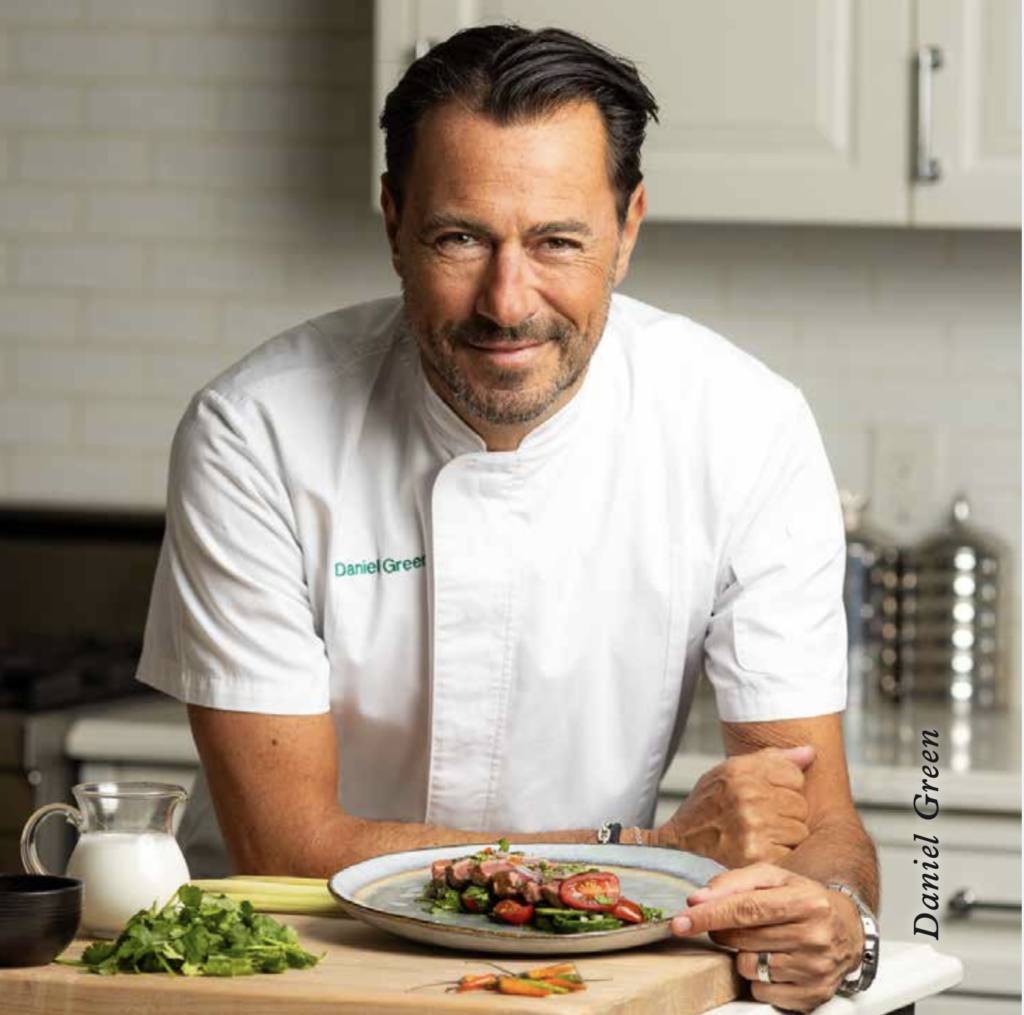
    On January 1, Tasted.TV kicks off the new year with a series that feels both transportive and refreshingly doable. Eat Up Thailand, hosted by chef, author, and wellness advocate Daniel Green, invites viewers to experience Thai cuisine not as something intimidating or out of reach, but as food that can be cooked, shared, and enjoyed at home — without losing its soul.

    Across 10 beautifully shot episodesEat Up Thailand delivers three recipes per episode, each grounded in authentic Thai flavors yet designed for real kitchens, real schedules, and real cooks. It’s a show built on a simple but powerful idea: great food doesn’t need to be complicated to be extraordinary.
    Authentic, But Approachable

    Thai food is often admired from a distance — bold, fragrant, complex, and sometimes assumed to be difficult. Eat Up Thailand quietly dismantles that myth. Daniel Green’s approach is rooted in respect for tradition, but shaped by years of teaching people how to cook better, healthier meals without stress.

    Throughout the series, he shares smart shortcuts, ingredient swaps, and time-saving techniques that don’t compromise flavor. From clever prep hacks to pantry substitutions that still honor the dish, the focus is always on making Thai cooking accessible — whether you’re an experienced home cook or someone just starting to explore the cuisine.

    The recipes are authentic, but the tone is welcoming. This isn’t about perfection. It’s about confidence, curiosity, and cooking with joy.

    From Bangkok to Your Kitchen

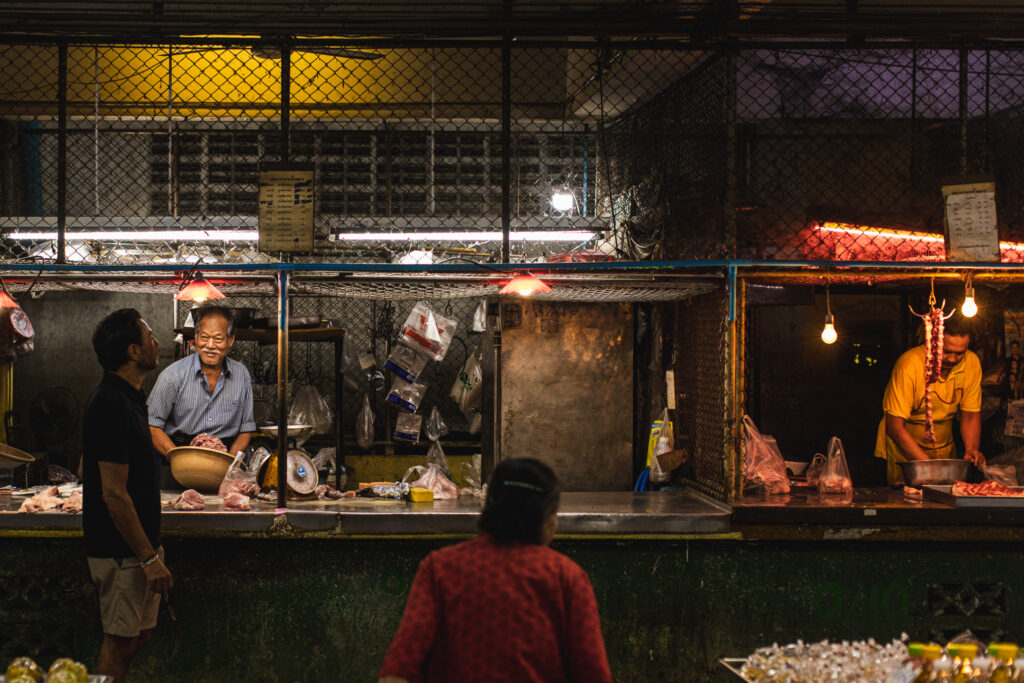
    Filmed on location in Bangkok and in Daniel Green’s own kitchen, the series moves effortlessly between the energy of Thailand’s capital and the calm, practical environment of home cooking. Street markets, riverside tables, green spaces, temples, and everyday city scenes provide a vivid backdrop, grounding each dish in a sense of place.

    Bangkok isn’t just a setting — it’s part of the story. The city’s rhythms, flavors, and contrasts inform the food on screen, reminding viewers that cuisine is inseparable from culture. You don’t just see the dishes being cooked; you feel where they come from.

    Back in Daniel’s kitchen, those inspirations are translated into meals that can be recreated anywhere in the world. The message is clear: you don’t need to travel far to cook well — but when food carries a sense of place, it transforms the experience.
    A Cookbook Brought to Life

    Eat Up Thailand is based on Daniel Green’s new cookbook Take Home Thailand. The series expands on that foundation, bringing the pages to life with visual storytelling, step-by-step guidance, and behind-the-scenes insight.

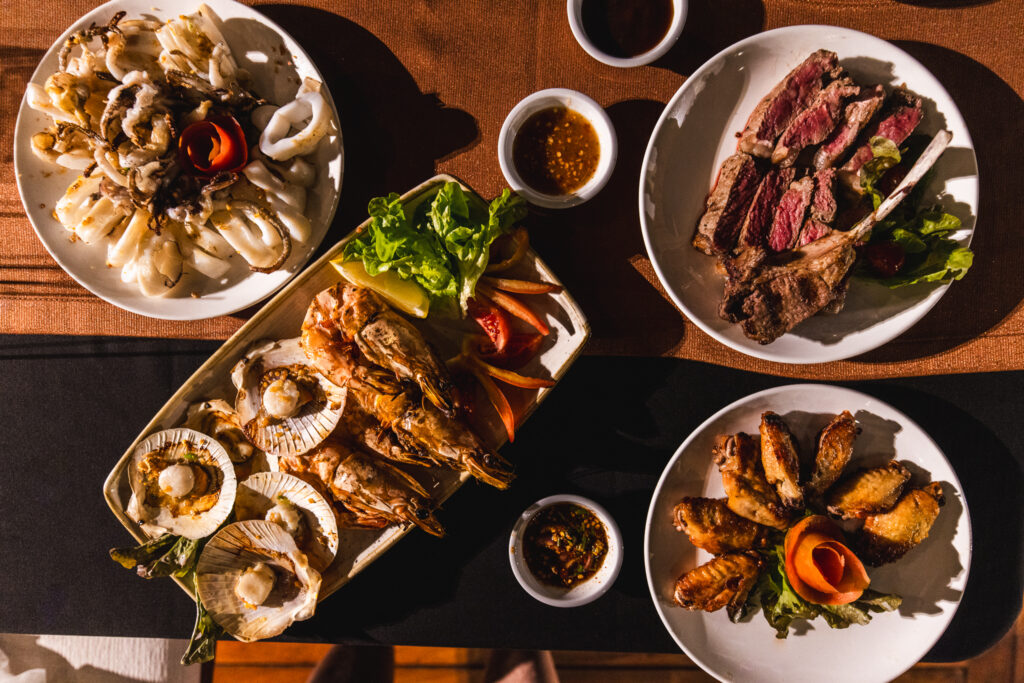
    Across the season, viewers explore a wide range of Thai cooking — from iconic Bangkok classics and lighter, health-forward dishes to regional flavors, street snacks, seafood, vegetarian plates, and desserts. Each episode is tightly focused, but collectively they form a complete journey through Thailand’s culinary landscape.

    10 Episodes. 30 Recipes. Endless Inspiration.

    The structure of the series is intentionally clear and satisfying: 10 episodes, 3 recipes per episode. It’s binge-friendly, but also easy to dip into — perfect for weeknight cooking inspiration or weekend experimentation.

    Whether it’s bold curries, fresh salads, comforting noodles, vibrant seafood, or Thai sweets, the recipes are designed to slot naturally into everyday life. These are dishes you’ll come back to — not once, but again and again.

    And because Eat Up Thailand lives on Tasted.TV, viewers can stream the entire series free, without commercials, making it effortless to cook along or revisit favorite episodes.
    More Than a Cooking Show

    At its heart, Eat Up Thailand is about more than food. It’s about connection — to culture, to travel, to the pleasure of cooking something delicious for yourself or the people you love.

    Daniel Green’s calm, confident presence anchors the series. He doesn’t perform; he guides. His experience as a chef and author is evident, but so is his belief that food should feel good — physically, emotionally, and socially.

    The result is a series that feels generous. It doesn’t overwhelm. It invites.

    Start the Year by Eating Well

    Launching on January 1Eat Up Thailand arrives at exactly the right moment — when many people are thinking about how they want to eat, live, and feel in the year ahead. This isn’t about restriction or rules. It’s about flavor, balance, and enjoyment.

    Authentic recipes. Approachable techniques. Unforgettable culinary and travel experiences.

    Eat Up Thailand  on Tasted.TV — where the world meets for food.

    Special thanks to Chris Emeott for his photography.
  • Indigenous Cuisine in Canada: Tradition Meets Modern Taste

    Indigenous Cuisine in Canada: Tradition Meets Modern Taste

    Canada’s Indigenous food is finally stepping into the spotlight. For centuries, First Nations, Métis, and Inuit peoples built their diets around wild game, freshwater fish, berries, wild rice, and the famed “Three Sisters” of corn, beans, and squash. Colonization disrupted these foodways, but today a culinary resurgence is underway; one that blends tradition with innovation and insists that Indigenous food belongs among the world’s great cuisines.

    Modern Indigenous cooking is rooted in heritage but plated with contemporary flair. Think wild rice paired with venison tartare, smoked fish with foraged herbs, or bannock alongside cedar tea. These dishes are not nostalgia; they’re a living, evolving cuisine that tells the story of land, season, and community.

    Five Great Indigenous Restaurants

    Pow Wow Café (Kensington Market, Toronto)
    A cozy spot serving Ojibwe tacos on frybread, smoked salmon, and corn soup. It’s fun, approachable, and proudly Indigenous.

    Tea-N-Bannock (Toronto)
    Casual and comforting, with bannock, wild rice, bison, and northern fish, served in a way that feels like home cooking with heritage at the core.

    NishDish (Toronto)
    An Anishinaabe-owned venture showcasing “Nish” cuisine—soups, stews, game meats, and seasonal vegetables, all prepared with a deep cultural story.

    Naagan (Owen Sound, Ontario)
    Chef Zach Keeshig’s 17-seat tasting-menu restaurant is a landmark. Each course—bison tartare, smoked fish, goose prosciutto, sea buckthorn sorbet … this is “progressive Indigenous cuisine,” rooted in tradition yet executed with modern finesse.

    Kondiaronk (Montreal, Quebec)
    Chef Normand Laprise’s team collaborates with Indigenous cooks and producers at this pop-up style venture, celebrating First Nations recipes and ingredients such as venison, corn, and maple. It’s an urban showcase of traditional-meets-modern Indigenous fare in Quebec.

    (Bonus: Vancouver’s Salmon n’ Bannock is a west-coast must for wild salmon, bannock, and game meats.)

    Tradition and Innovation

    Indigenous chefs are keeping ancient practices alive; smoking fish, foraging fiddleheads, and using medicinal plants, all while embracing modern techniques like sous vide and creative plating. Menus often follow the seasons, echoing the deep connection to land. What you won’t find are global shortcuts like lemon or vanilla; instead, local flavors like sweetgrass, birch syrup, and goose eggs shine.

    Claiming Its Place

    For too long, Indigenous food has been overlooked or treated as a curiosity. Now, restaurants across Canada are proving it deserves equal billing with French, Italian, or Japanese cuisine. This movement is not just about taste; it’s about reconciliation, food sovereignty, and pride.

    Book a table, taste something new, and be part of this long-overdue recognition. Indigenous cuisine is not only Canada’s oldest, it may also be its most exciting!

  • Three Cuisines You Should Try

    Three Cuisines You Should Try

    We all love to keep track of delicious trends and unique ideas when it comes to our food, but what about some of the lesser-known gastronomy that just might bring us some joy? 

    Trend-analysts note that in 2026 there is a marked rise in interest for, “Traditional English, Eastern European, Southern Asian, and new-wave Japanese cuisines.”  

    Here are three lesser-known cuisines that are starting to break out globally, rife for food travel, dining innovation, and home cooking inspiration. Each has distinctive ingredients, textures and cooking techniques that bring something new to the palate.

    1. Eastern European Cuisine

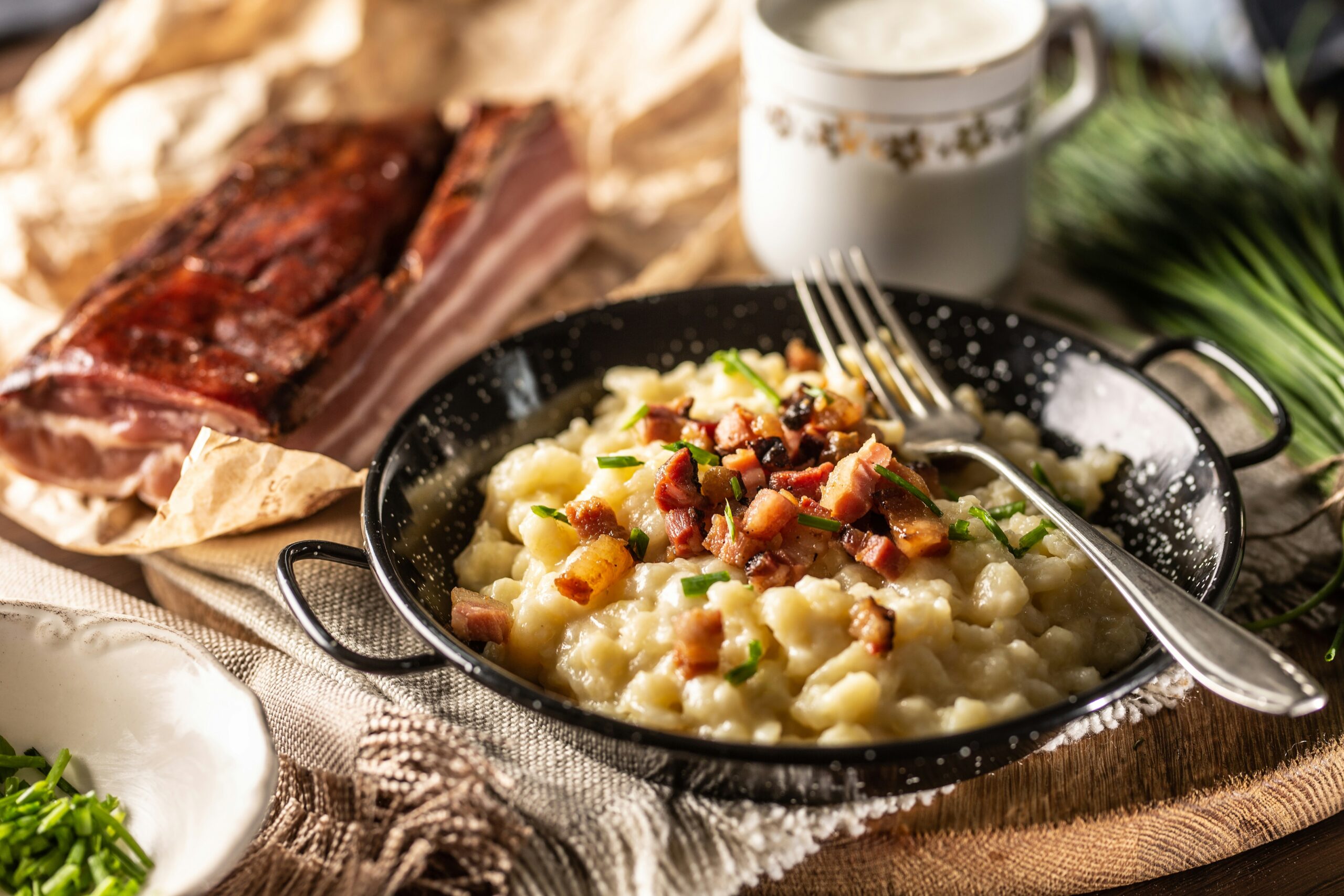
    Cuisines from Eastern Europe are gaining traction beyond the traditional “beef-stroganoff” or pierogi trope.

    What makes Eastern European food compelling right now: its hearty, rustic roots, the resurgence of forgotten ingredients (like buckwheat, kefir, wild mushrooms), and the elegant re-interpretation by modern chefs. In short: it offers both comfort and novelty.

    For home cooks and restaurant chefs, it means exploring flavor profiles like caraway, dill, sour cream, fermented vegetables, and smoked meats in new ways; perhaps pairing Ukrainian borscht with modern plating or Baltic rye-bread canapés with smoked fish and pickled touches.

    2. West and East African Cuisines

    African cuisines have always been rich and diverse, yet they are only recently getting broader global attention. West African dishes highlight elements like peanut-ground sauces (mafé), fermented cassava (fufu), spices like suya, and smoky chilli blends.

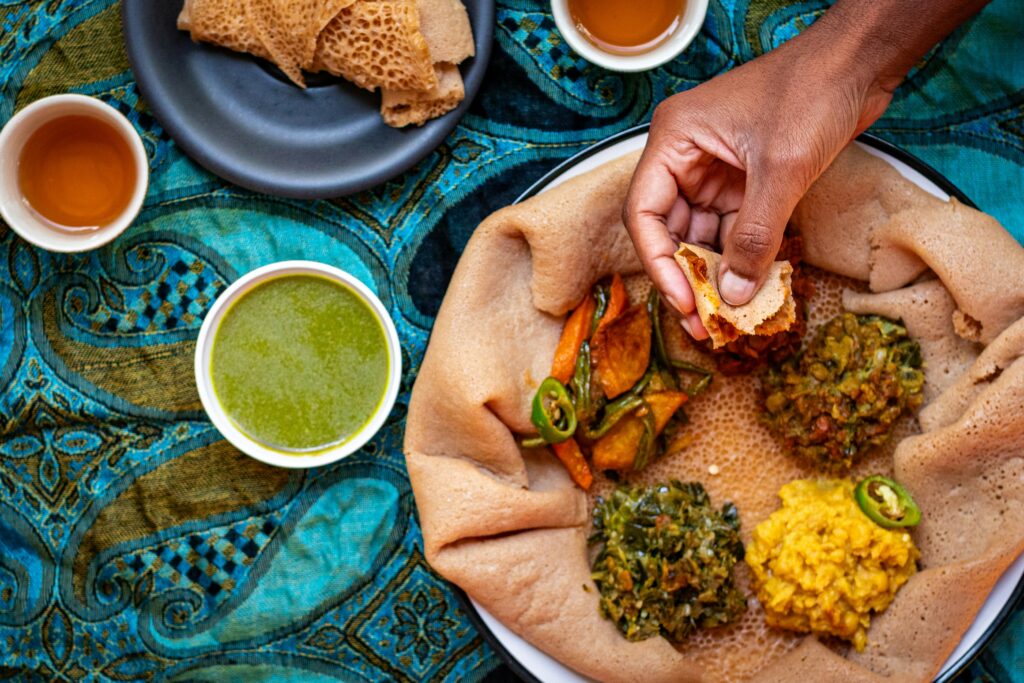
    East African cuisines bring injera (Ethiopian sour-flatbread), berbere spice, and communal eating formats. Restaurant Chefs and home cooks can tap into this by emphasising bold spice, fermentation, and sharing-style formats. For example, a restaurant might serve an “Eritrean thali” style platter, or a home cook might stir suya-spiced peanuts into roasted-veg bowls.

    The appeal: flavours that are unfamiliar (for many) yet rooted in tradition.

    3. Philippine Cuisine

    Often called “original Asian fusion,” Filipino cuisine blends native culinary roots with Chinese, Spanish, Malaysian, Japanese and American influences.  

    What’s making it pop now: Dishes like adobo, sinigang, lechon and halo-halo have begun gaining recognition outside of Filipino communities. Social-media, travel and chef-crossover have helped lift the profile. Additionally, younger diners are seeking “new global breakfasts and snacks” and “Filipino cuisine” is explicitly named among top Gen-Z food trends. For a chef in a restaurant, this could mean offering a “dessert duo” of ube ice-cream and cassava cake, or elevating street-food staples like balut or kinilaw into tasting menus.

    For the home cook, it might mean experimenting with calamansi, shrimp paste (bagoong), and coconut-vinegar-based marinades. All delicious and diverse in flavours for those searching for something new.

    These under exposed cuisines all share features that make them “Trend-worthy”; they are adaptable and can be incorporated into or alongside other dishes, have their own strong flavour identities and are rich in culture and stories. Enjoy!

  • Mixing Comfort and Curiosity: How Global Fusion Is Driving Food Innovation

    Mixing Comfort and Curiosity: How Global Fusion Is Driving Food Innovation

    From Michelin-starred restaurants to suburban homes, cooks are exploring two overlapping food-moods: a longing for the familiar warmth of childhood flavours and a restless hunger for something new. The result? Call it “nostalgia meets novelty”: a culinary moment defined by contrast and curiosity, where mashed potatoes can meet miso, and mac and cheese can carry the scent of garam masala.

    Comfort food has always been emotional currency. Meatloaf, grilled cheese, dumplings, and casseroles don’t just fill the stomach; they fulfill a desire for memory, safety, and belonging. Yet, as global ingredients and culinary ideas have become more accessible, traditional dishes are being stretched, spiced, and reimagined in fascinating ways. A report from Innova Market Insights found that over 40 percent of consumers worldwide now seek what they call “crazy creations”; bold, flavour-forward combinations that deliver a sensory exploration combining the familiar with the fascinating (and delicious). Chefs of all kinds are taking these culinary invitations seriously.

    Chefs Are Reinventing Global Comfort Food

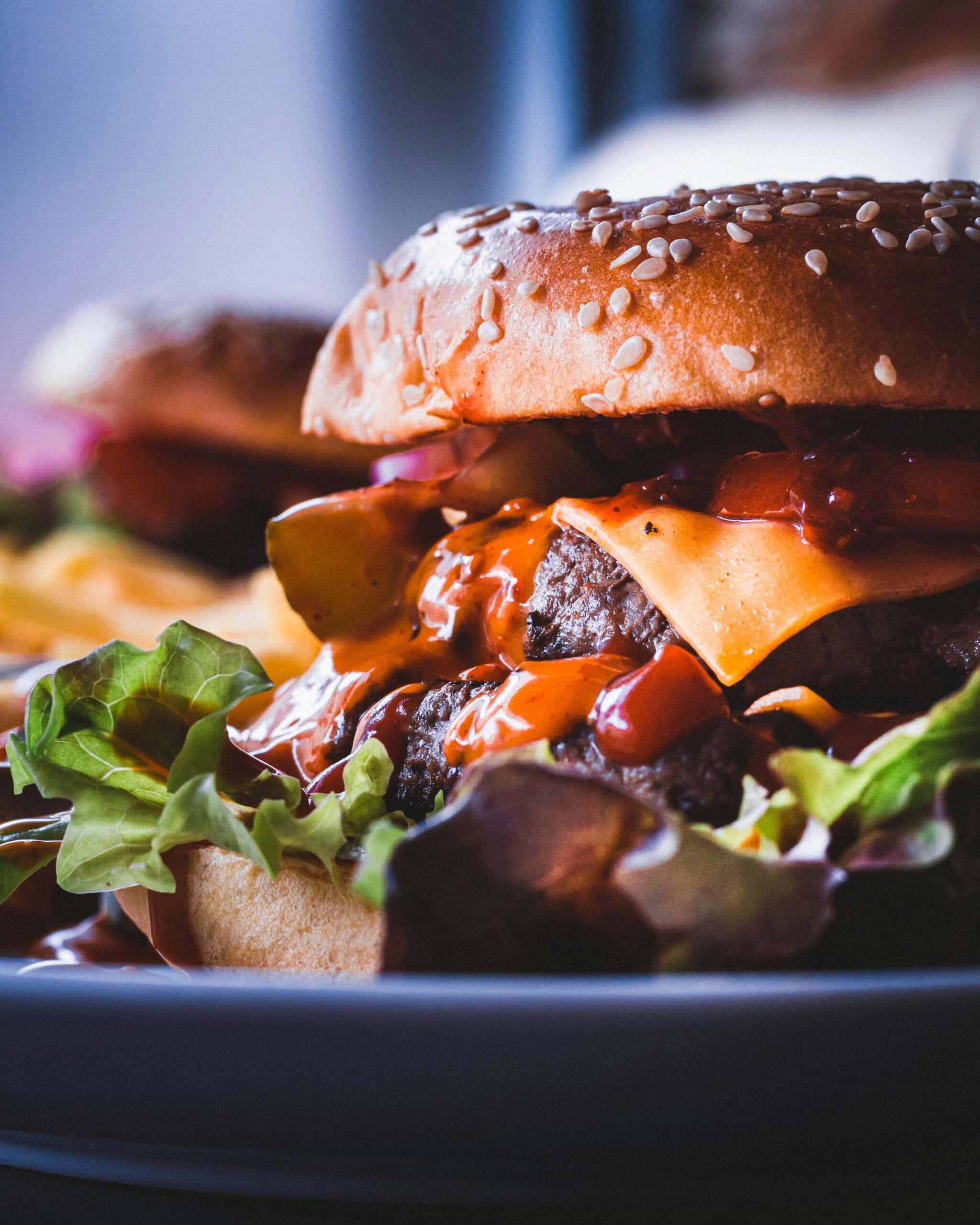
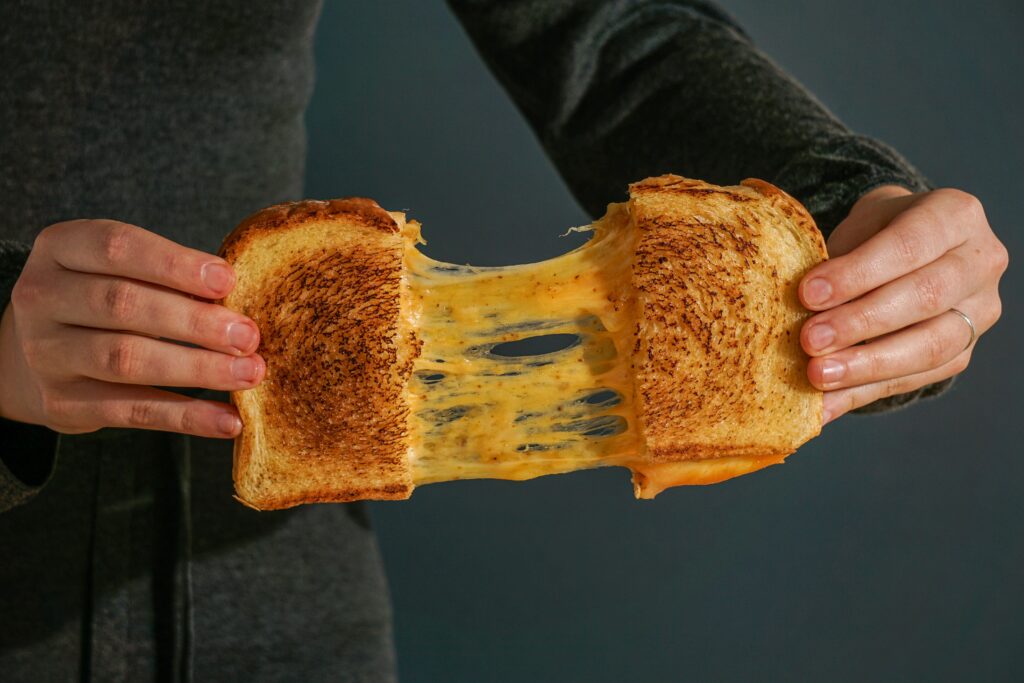
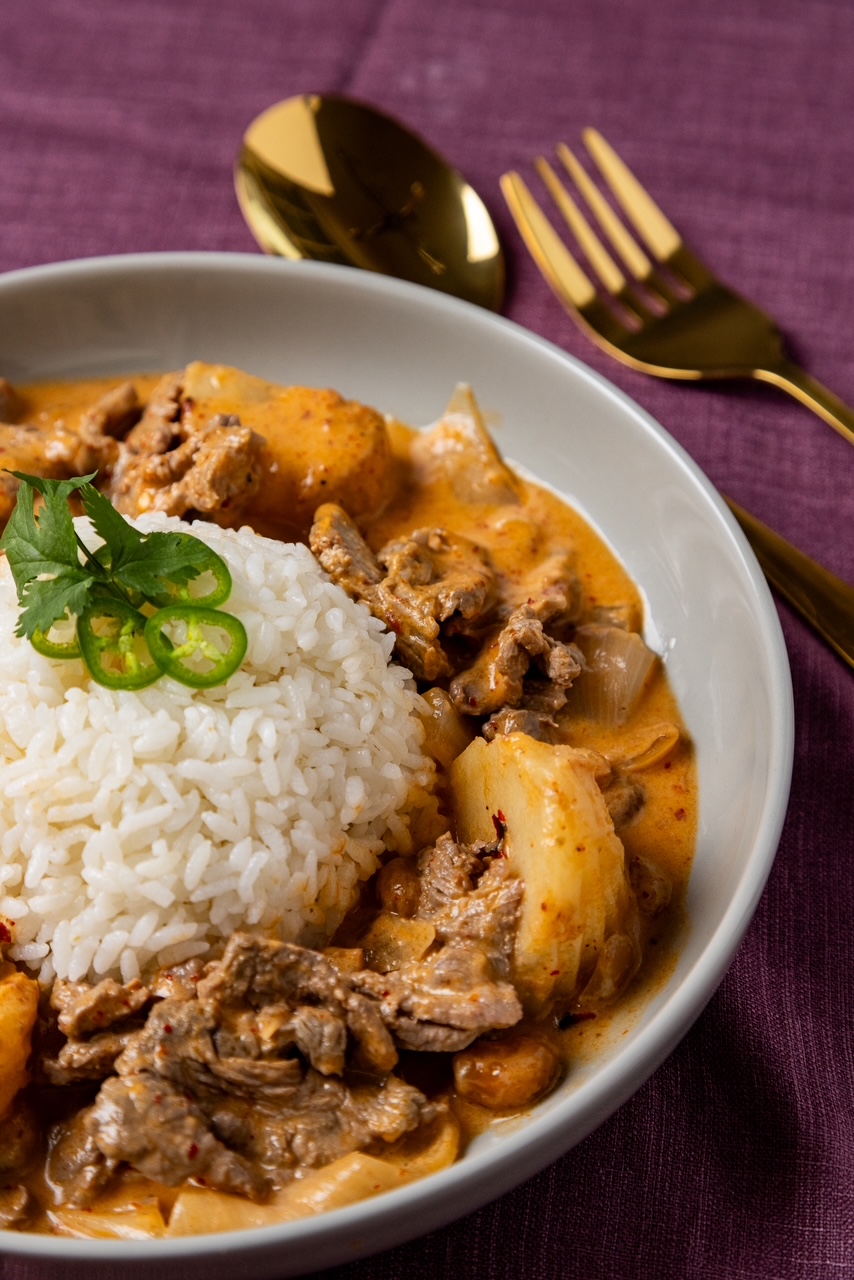
    In restaurant kitchens, global fusion has evolved from the “fusion confusion” of the 1990s into something far more thoughtful and grounded. Today’s chefs use fusion as storytelling, creating unique global comfort dishes rife with culinary creativity. A grilled cheese might carry the slow-cooked depth of birria; mac and cheese might hum with Thai curry. These aren’t gimmicks; they’re culinary bridges that invite diners to taste the world without losing their sense of home.

    At home, this same spirit is reshaping the way people cook. Social media has become the new test kitchen, where someone in Toronto can fold kimchi into a breakfast quesadilla or turn leftover butter chicken into a pie. Ingredients that were once considered exotic, like gochujang, harissa, yuzu, and za’atar, now share shelf space with salt and pepper in everyday kitchens. The comfort comes from the familiar act of cooking; the excitement lies in remixing those rituals. The result; global-inspired comfort food.

    This movement also reflects a broader social undercurrent: a world more connected, more curious, and more personal about what we eat. Global comfort food is not just about fusion, it’s about identity. Each reinterpretation, whether born in a test kitchen or a home kitchen, is an act of translation: finding comfort in difference and creating something new without erasing what came before.

    This continued reinvention of global fusion comfort-food reflects our desire to feel anchored in familiarity while being thrilled by novelty, and as chefs and home cooks continue to explore this foodie middle-ground between memory and discovery, between local roots and global reach, they are quietly reshaping modern cuisine. The next great comfort dish may not come from a corporate test lab but from the imagination of a cook unafraid to mix nostalgia with adventure.

  • Bitter Is Better: Why Grown-Up Palates Crave Complexity

    Bitter Is Better: Why Grown-Up Palates Crave Complexity


    There’s a moment—somewhere between your second Negroni and your first love for dark leafy greens—when you realize your taste buds have grown up. Suddenly, the cloying sweetness of soda or syrupy cocktails loses its charm. In its place? A newfound craving for complexity, dryness, and, yes, bitterness.

    Welcome to the adult palate. It’s more sophisticated, a little more demanding, and it’s why bitter is better.

    Taste Buds Change As We Age

    We’re born wired for sweetness. It’s evolutionary—sweetness often signals safety and energy, especially for babies. But as we age, our taste buds evolve. We lose sensitivity to certain flavors, especially sweet and salty, while sour and bitter notes become more tolerable—and even appealing.

    At the same time, cultural exposure and repetition train our brains to appreciate what once tasted “too strong.” Think of your first sip of black coffee—jarring, maybe unpleasant. Now? It’s a morning ritual you might even describe as beautiful.

    Bitter Flavors Signal Complexity

    What makes something bitter—like Campari, espresso, or hops—is often what gives it nuance. Bitterness doesn’t hit you all at once. It unfurls. It lingers. It challenges your expectations.

    That’s why adult drinks tend to skew bitter. A briny martini, a smoky mezcal, an IPA with unapologetic bite—these are drinks you savor slowly, not slam. The pleasure isn’t in the sugar rush but in the unfolding layers of flavor.

    From Aperitivo to After-Dinner

    Cultures that have long embraced bitterness offer perfect examples. In Italy, the aperitivo tradition thrives on bitter amari—herbal liqueurs meant to stimulate appetite. In Japan, green tea can be grassy and astringent. And in Scandinavia, aquavit carries the sharp sting of caraway and dill.

    These aren’t acquired tastes by accident. They’re functional. Bitterness often helps with digestion, clarity, and balance—both in body and in the structure of a drink or dish.

    Craving Bitterness Is Craving Balance

    When you start preferring bitter over sweet, it’s not about masochism—it’s about harmony. Bitter flavors balance richness, cut through fat, and create contrast. A bitter salad green like radicchio pops against creamy cheese. A bitter cocktail refreshes after a heavy meal.

    And let’s be honest: they also make you feel like you’re in on something. Bitterness signals taste, maturity, maybe even sophistication. It says you’ve moved on from mixers and mimosas and into a world of deeper flavor.

    How To Embrace Bitter

    You don’t have to dive headfirst into Fernet-Branca. Start with balance—maybe an IPA that leans citrusy, or a cocktail with just a splash of amaro. Try adding bitter greens like arugula or dandelion to your salad. Sip your coffee black now and then. Taste slowly, and without judgment.

    Bitterness isn’t about suffering—it’s about complexity. And once you welcome it into your palate, a whole new world opens up.

  • The Zen of Mise en Place: How Culinary Habits Can Change Your Life

    The Zen of Mise en Place: How Culinary Habits Can Change Your Life


    In professional kitchens around the world, one quiet principle keeps the chaos at bay: mise en place. French for “everything in its place,” this approach to cooking is more than just a system of organizing ingredients. It’s a mindset—one that brings clarity, discipline, and flow to both the kitchen and beyond.

    What begins as a culinary necessity often becomes a philosophy. And for those outside the food world, adopting a mise en place mentality might just transform the way you cook, work, and live.

    What Mise en Place Actually Means

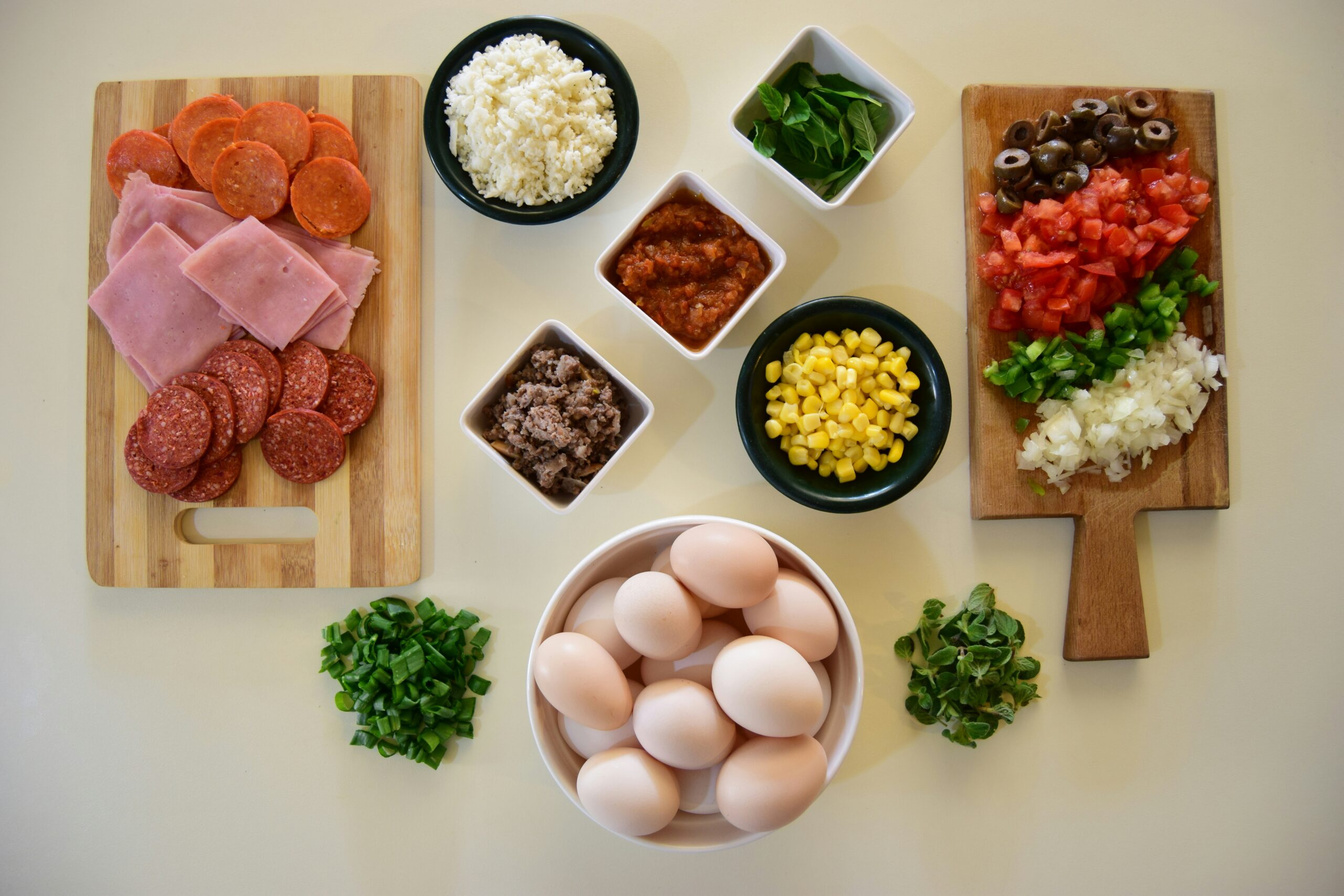
    At its core, mise en place is about readiness. Before a single pan gets hot, a chef has already chopped herbs, portioned butter, pre-measured spices, and neatly arranged tools. Every step of the recipe is accounted for before the cooking begins.

    In the high-stress environment of a professional kitchen, this method isn’t optional—it’s survival. But when brought into a home kitchen or office, mise en place becomes something else: a tool for staying present, efficient, and calm.

    Bringing Chef Discipline Into the Home

    Adopting mise en place in your own kitchen can be surprisingly empowering. Instead of scrambling to dice onions while your garlic burns in the pan, you move with calm confidence. A few small shifts—reading a recipe all the way through, prepping everything before you begin, keeping your tools organized—can eliminate stress and make cooking feel more meditative than messy.

    Even planning weekly meals can be a form of mise en place. Gathering ingredients, mapping out time, and setting yourself up to succeed all reflect that same chef’s mindset: respect for process, and trust in preparation.

    Beyond the Kitchen: Mise en Place at Work

    It doesn’t stop at the stove. Many people have found that mise en place works wonders outside the culinary world. Writers outline chapters before typing. Designers sketch ideas before jumping to software. Project managers map out steps before executing a campaign.

    The point isn’t to delay action—it’s to be deliberate. Mise en place encourages you to pause, prepare, and focus before diving in. It’s a way to resist distraction, reduce decision fatigue, and reclaim attention in a world constantly trying to pull it away.

    Creating Your Own Ritual

    Like any habit, mise en place takes practice. Start small: clear your workspace before you cook, group ingredients by task, put your tools back in the same place every time. Notice how the process affects your mood. Does it feel easier to focus? Do you enjoy cooking more?

    Then, bring the same principles to your desk, your schedule, or your morning routine. Organize before action. Set the stage before the show. Over time, the results add up—not just in better meals, but in a calmer, more intentional way of moving through your day.

    Mise en Place Is a Philosophy of Attention

    In the end, mise en place isn’t really about chopping vegetables. It’s about how you prepare for what matters. Whether you’re a home cook, a creative professional, or just someone trying to keep your week in order, this quiet kitchen discipline offers something powerful: a recipe for peace, one task at a time.

  • Spice Routes Reimagined: How Ancient Trade Influences Today’s Global Cuisine

    Spice Routes Reimagined: How Ancient Trade Influences Today’s Global Cuisine

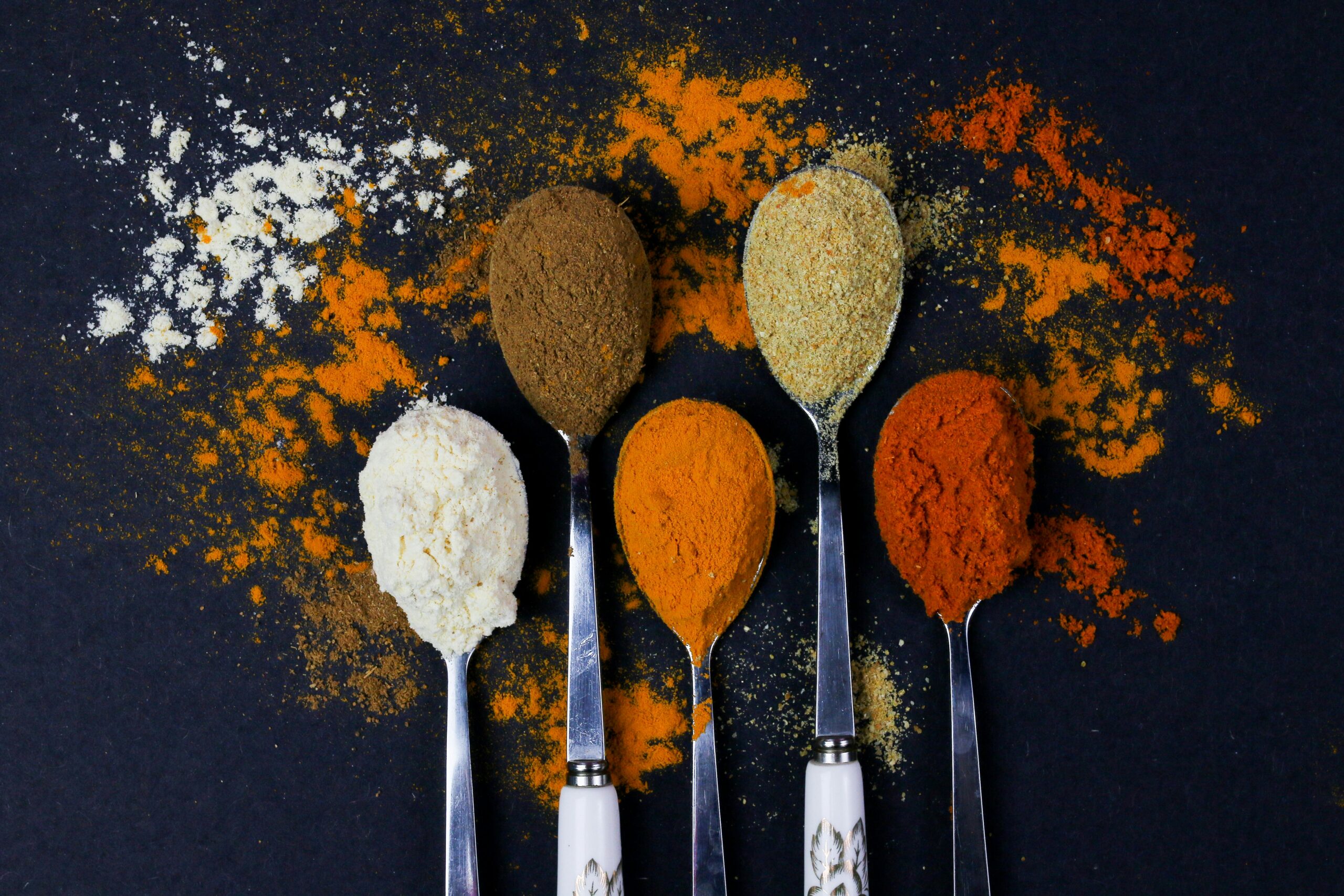
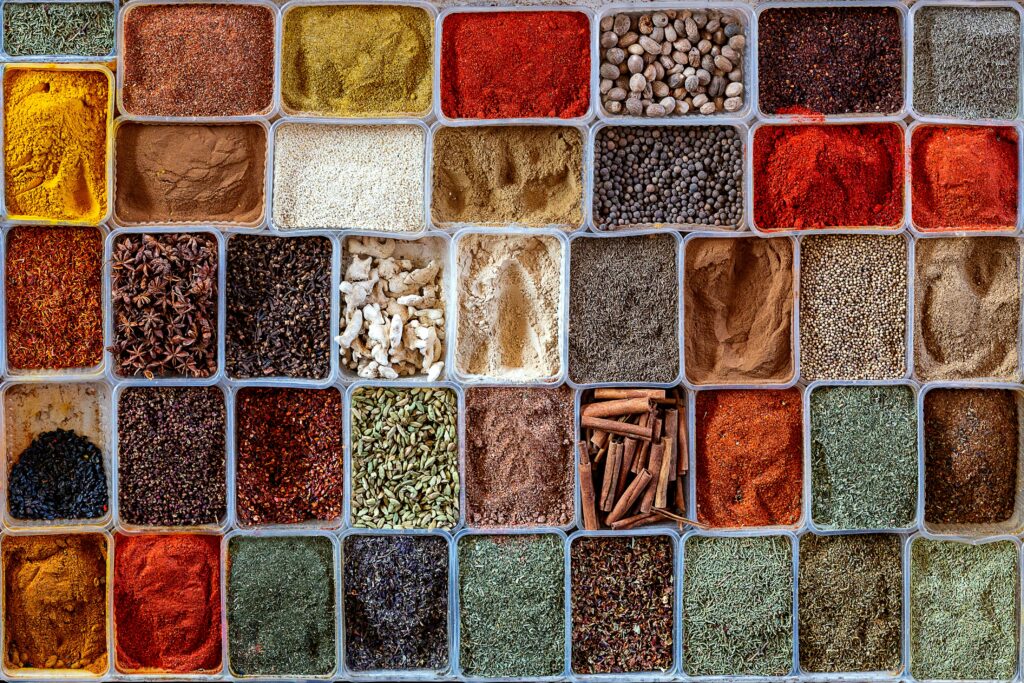
    Centuries ago, the pursuit of spices shaped the world. The ancient spice trade influenced economies, sparked exploration, and connected distant cultures. Spices were currency, luxury, and power—coveted by emperors, traders, and cooks alike. Today, their legacy is alive and well, not just in history books but in modern kitchens, where the echoes of these trade routes still define the way we eat.

    From cinnamon-laced Moroccan tagines to the peppery heat of Indian curries and the citrusy brightness of Thai lemongrass, the flavors of the past continue to inspire chefs around the world.

    The Ancient Spice Trade: A Global Network Before Its Time

    Long before planes and modern shipping, spice routes connected Asia, the Middle East, Africa, and Europe in a web of commerce and cultural exchange. The Silk Road, stretching from China to the Mediterranean, carried saffron, ginger, and cloves alongside silk and tea. The Maritime Spice Route, spanning from India to Indonesia and beyond, spread cardamom, black pepper, and nutmeg across continents.

    The demand for these spices drove exploration and conquest. European powers, eager to control these valuable goods, launched expeditions that reshaped the world. The Portuguese reached India in search of black pepper, the Dutch monopolized nutmeg and clove production in Indonesia, and the Spanish brought chili peppers from the Americas to Asia, forever altering local cuisines.

    Ancient Flavors, Modern Plates

    While we may not trade spices for gold anymore, their influence on global cuisine remains. Many of today’s signature dishes trace their origins to these ancient trade networks, proof that food cultures are deeply intertwined.

    • Black Pepper & India’s Global ReachIndia was once the world’s most important source of black pepper, nicknamed “black gold.” Today, it’s hard to find a kitchen that doesn’t have a pepper grinder. From Italian cacio e pepe to Chinese pepper beef, its fiery bite is as global as ever.
    • Nutmeg’s Journey from Indonesia to the WorldOnce worth more than its weight in gold, nutmeg made its way from the Banda Islands to Europe, where it flavored medieval meats and desserts. Today, it’s a key ingredient in everything from béchamel sauce in France to Caribbean jerk seasoning.
    • Chilies from the Americas to AsiaBefore the 16th century, Indian, Thai, and Sichuan cuisine had no chili peppers—because they didn’t exist in Asia. Brought by Portuguese traders from the Americas, chilies revolutionized entire food cultures, giving us everything from kimchi’s heat to vindaloo’s spice.
    • Cinnamon’s Sweet and Savory InfluenceOriginally from Sri Lanka, cinnamon was treasured by the Egyptians, Romans, and Chinese alike. Today, it adds warmth to Moroccan tagines, Swedish cinnamon buns, and Vietnamese pho broth.

    The Future of Spice: New Blends, Old Traditions

    In today’s culinary landscape, chefs and home cooks alike are continuing to experiment with spice blends that bridge cultures. Fusion food isn’t new—it’s a continuation of a centuries-old tradition of global flavors meeting in unexpected ways.

    Think turmeric lattes (a modern take on India’s haldi doodh), Japanese shichimi togarashi seasoning burgers in California, or Middle Eastern za’atar dusted on everything from roasted vegetables to popcorn. The spirit of the spice trade lives on, blending past and present in the most delicious ways.

    So next time you shake a bit of cinnamon into your coffee or add a pinch of cumin to your stew, remember—you’re not just seasoning your food. You’re tasting history.

  • How Chefs Unwind: What Culinary Pros Eat (and Drink) at Home

    How Chefs Unwind: What Culinary Pros Eat (and Drink) at Home


    After the last plate is wiped clean, the kitchen goes dark, and the guests have gone home, what do chefs reach for? Not the intricate dishes they plate for diners, but something personal. Comforting. Fast. Surprisingly simple.

    Lots of chefs head out to a late night dinner for some comfort food. But for many culinary pros, what happens at home is the true reward after a long night on the line—and it’s rarely haute cuisine.

    Late-Night Rituals After the Rush

    Service is physically demanding, emotionally charged, and creatively intense. So when it ends, unwinding isn’t just a want—it’s a need.

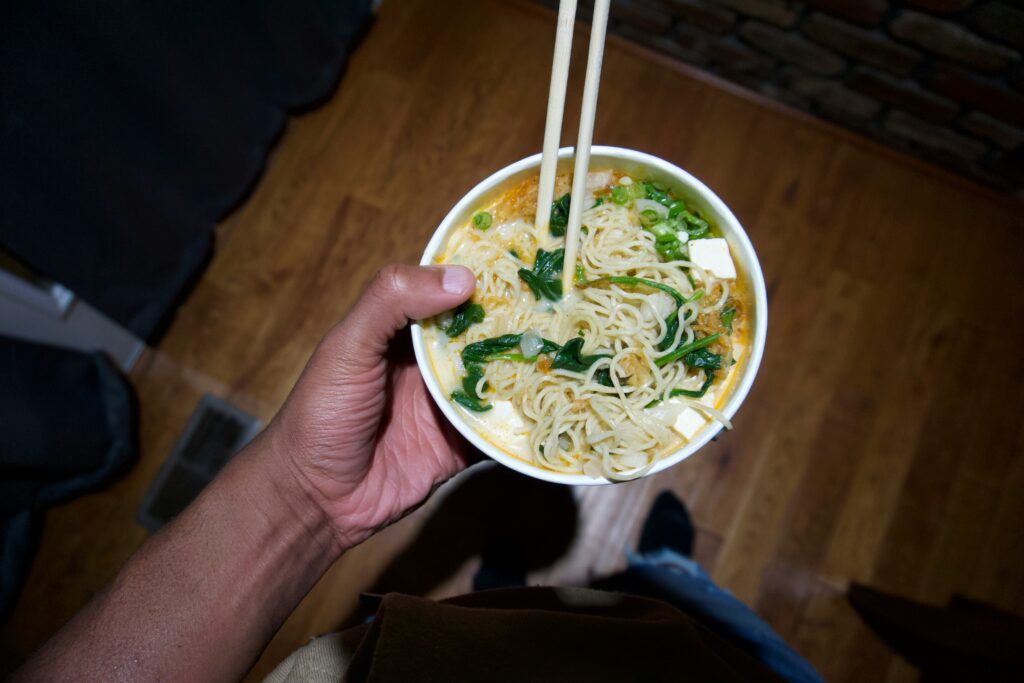
    Chef Mei Lin, a Top Chef winner and LA restaurateur, says her go-to late-night comfort is instant noodles. “It’s nostalgic. I’ll doctor it with sesame oil or leftover greens, but the simplicity is what I crave,” she says.

    Others go even more minimal. “After a double shift, give me scrambled eggs, toast, and a cold beer,” says Marcus Fairbanks, head chef at a Chicago gastropub. “That’s the reset button.”

    Comfort Over Complexity

    There’s a surprising through-line: simplicity. Whether it’s a grilled cheese, a bowl of cereal, or rice with soy sauce and avocado, many chefs embrace humble, no-fuss meals when they’re off-duty.

    “It’s about removing decision fatigue,” explains Dana Shimizu, a private chef in New York. “I’ve made 200 tiny decisions all night—when I get home, I want something that makes itself.”

    That desire for comfort also extends to drinks. While some reach for beer or a neat whiskey, others keep it light: herbal teas, sparkling water, or a crisp glass of white wine. The point isn’t impressing anyone—it’s soothing themselves.

    Inside the Fridge of a Culinary Pro

    What’s actually stocked in a chef’s home kitchen? Often: leftovers from recipe testing, quality pantry staples, and cheat-day indulgences.

    Expect to find pickled things, great butter, high-end soy sauce, fancy chocolate, and a rotating cast of cheeses. “I always have good olives and a bottle of vermouth,” says Barcelona-based chef Lluís Montoya. “Sometimes that’s dinner.”

    And don’t forget the freezer. “It’s my best friend,” says pastry chef Alondra Chavez. “There’s always soup, frozen dumplings, and a tub of ice cream hidden in the back.”

    The Joy of Eating for Themselves

    At the heart of it, these meals are a return to self. They’re not plated for critics, built for menus, or optimized for Instagram. They’re food made by chefs—for themselves. And that’s something special.

    “After service, we get to reconnect with the pleasure of eating,” says Shimizu. “There’s no performance. Just flavor, memory, and whatever we feel like.”

    So next time you imagine a Michelin-starred chef going home to sear scallops and build a beurre blanc, think again. Odds are, they’re curled up on the couch, chopsticks in one hand, and a bowl of instant ramen in the other—and loving every bite.