Tag: Wine Pairing

  • The Texture of Wine: Why Mouthfeel Matters More Than You Think

    The Texture of Wine: Why Mouthfeel Matters More Than You Think


    When people talk about wine, they often use words like fruity, dry, or bold. Flavor and aroma get most of the attention. But there’s another quality that plays a huge role in how we experience wine—one that’s felt more than tasted. It’s called mouthfeel, and once you start noticing it, wine will never be the same.

    Mouthfeel is, quite literally, the physical sensation of wine in your mouth. It can be silky or sharp, oily or effervescent, light as air or heavy as cream. It’s what makes a wine “grip” your tongue or glide across it like satin. And while it’s less talked about than flavor notes, many wine experts argue it’s just as important—if not more.

    What Is Mouthfeel, Exactly?

    Mouthfeel isn’t a single texture. It’s a combination of sensations created by a wine’s body, tannins, acidity, alcohol content, and even bubbles. Think of it as wine’s personality—the way it moves, lingers, or vanishes on your palate.

    • Body refers to the weight of the wine. A light-bodied wine like a Gamay feels lean and refreshing, while a full-bodied Syrah feels plush and substantial.
    • Tannins, found mostly in red wines, give structure and a drying, almost chalky feel—like licking a tea bag (in a good way).
    • Acidity creates a crisp or sharp feeling, making your mouth water. It’s what gives Riesling and Sauvignon Blanc their zing.
    • Alcohol adds warmth and a sense of richness. Higher-alcohol wines often feel rounder or more viscous.
    • Carbonation, in sparkling wines, adds a tickling texture and lifts the overall mouthfeel.

    The best wines balance all these elements, giving you a texture that matches the wine’s flavor and style.

    Why It Matters More Than You Think

    Texture shapes how we perceive taste. A creamy Chardonnay with buttery texture complements soft cheeses or roast chicken. A tannic Barolo cuts through fatty meats with structure and bite. Even if two wines have similar flavor profiles, their mouthfeel can make one feel elegant and the other rustic.

    Wine professionals often use mouthfeel to assess a wine’s age, quality, and even how it was made. For example, a smooth, velvety texture might indicate oak aging or malolactic fermentation. A slightly grainy mouthfeel could suggest minimal filtration or natural winemaking methods.

    The Emotional Side of Texture

    Mouthfeel is also emotional. A bright, fizzy Pet-Nat feels playful and alive. A silky Pinot Noir feels romantic. A dense Cabernet can feel commanding. We don’t just taste wine—we feel it, and that sensation can evoke mood, memory, or even a sense of place.

    For some drinkers, texture is what makes wine feel luxurious or comforting. It’s why we describe some wines as “chewy” or “velvety”—words you’d never use for soda or juice. Texture makes wine tactile, a drink you experience with your whole mouth, not just your taste buds.

    How to Pay Attention to It

    Next time you pour a glass, take a moment before your first sip. Swirl it. Smell it. Then take a small sip and close your eyes. Forget the flavors—just focus on how it feels. Is it light or heavy? Smooth or a little gritty? Does it coat your tongue or zip away quickly?

    Compare a few wines side by side—like a bright Pinot Grigio next to an oaky Chardonnay—and notice the differences. You’ll start to see just how much texture adds to your experience.

    A Final Sip

    Wine isn’t just about taste—it’s about feel. The next time you find yourself describing a wine, don’t stop at fruit notes and dryness. Talk about the texture. Is it silky? Grippy? Bright and electric? Once you start paying attention to mouthfeel, you’ll unlock a whole new layer of appreciation—and your wine game will never be the same.


  • May 1st is May Day: A Celebration of Workers, Spring, and the Perfect Feast

    May 1st is May Day: A Celebration of Workers, Spring, and the Perfect Feast

    May 1st—May Day—is more than just another date on the calendar. It’s a day with deep roots, a celebration of workers’ achievements and the arrival of warmer days. While North America has its own Labor Day in September, most of the world takes this day to rally for workers’ rights, dance around maypoles, and embrace spring’s abundance. So why not make it a holiday worth celebrating everywhere? In these unpredictable times, coming together over great food, drinks, and traditions feels more important than ever.

    If we’re going to celebrate, we need a proper feast—one that honors the old-world traditions of May Day while adding a fresh twist. From grilled lamb and floral cocktails to vibrant spring vegetables and the perfect glass of wine, here’s how to toast to May 1st in style.

    Grilled Lamb & Mugwort Wine (or a Bold Red)

    In Romania, it was customary to roast lamb on May Day, paired with fresh mutton cheese and a glass of mugwort-infused wine, believed to “cleanse the blood.” If you don’t have a bottle of mugwort wine lying around (and let’s be honest, who does?), go for a robust red like a classic Rioja or a bold Malbec. Their deep fruit and earthy undertones beautifully complement the richness of lamb.

    For a fresh take, try grilled lamb chops with a rosemary and garlic rub. Serve them with a side of creamy goat cheese polenta or a bright mint chimichurri. Pair it with a Malbec from Argentina—its velvety tannins cut through the fat and elevate the smoky char. If beer is more your speed, a Belgian Dubbel with its caramelized malt and dark fruit notes is an excellent match.

    Spring Vegetables & Sauvignon Blanc

    May Day is tied to fertility and new beginnings, so fresh, seasonal vegetables are a must. Think asparagus, fava beans, artichokes, and spring peas—all bursting with bright, grassy flavors.

    Try a grilled asparagus and artichoke salad, drizzled with a lemony vinaigrette and topped with shaved Parmesan. The acidity and minerality of a Sauvignon Blanc from the Loire Valley will bring out the green, herbal notes of the dish. If you prefer beer, a dry-hopped Pilsner works wonders with spring veggies, adding a crisp, floral bitterness that won’t overpower their delicate flavors.

    May Day Flowers & a Floral Gin Cocktail

    Flowers are a huge part of May Day, from woven flower crowns to maypole decorations. Why not bring them into your glass? A floral cocktail is the perfect way to toast the day.

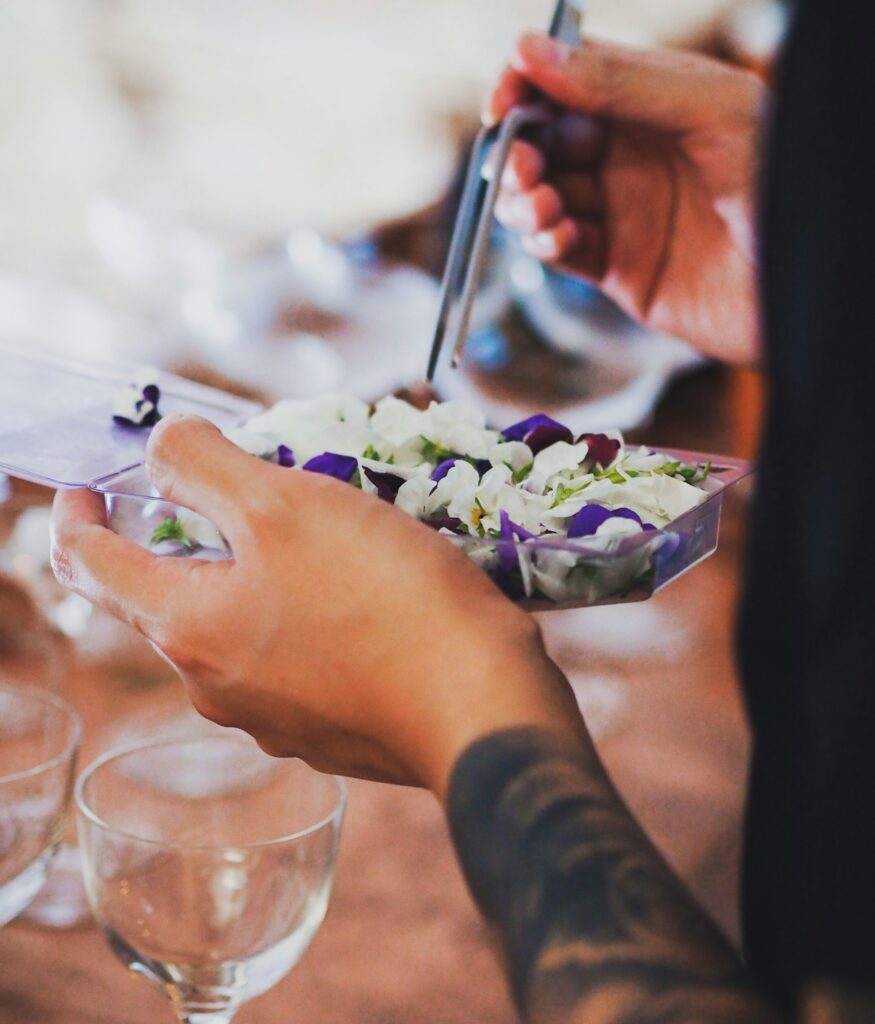
    Mix up a Lavender & Elderflower Gin Fizz—a refreshing blend of gin, elderflower liqueur, lemon juice, and a splash of sparkling water, garnished with edible flowers. The botanicals in the gin play beautifully with the floral notes, creating a drink that feels like spring in a glass.

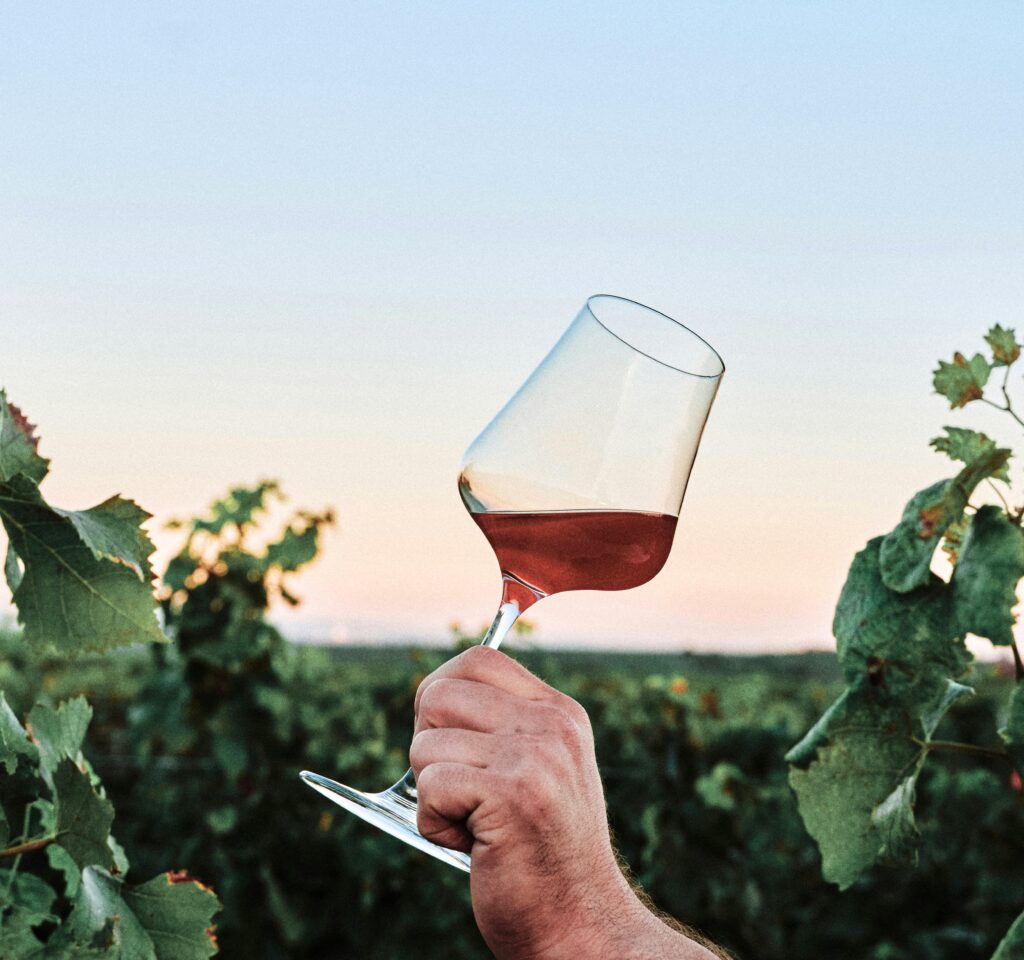
    Pair it with lightly fried zucchini blossoms stuffed with ricotta and herbs—the crisp, delicate texture complements the cocktail’s effervescence. If you’re more into wine, a dry Rosé with subtle floral and berry notes will do the trick.

    Why Not Make May Day a Tradition?

    We celebrate so many things in life—why not a day that honors both the working spirit and the changing of the seasons? Whether you gather friends for a backyard feast, sip a floral cocktail in the sunshine, or simply take a moment to appreciate the season, May Day is the perfect excuse to slow down, raise a glass, and savor the moment. Cheers!

  • Malbec: From French Exile to Argentina’s Superstar

    Malbec: From French Exile to Argentina’s Superstar

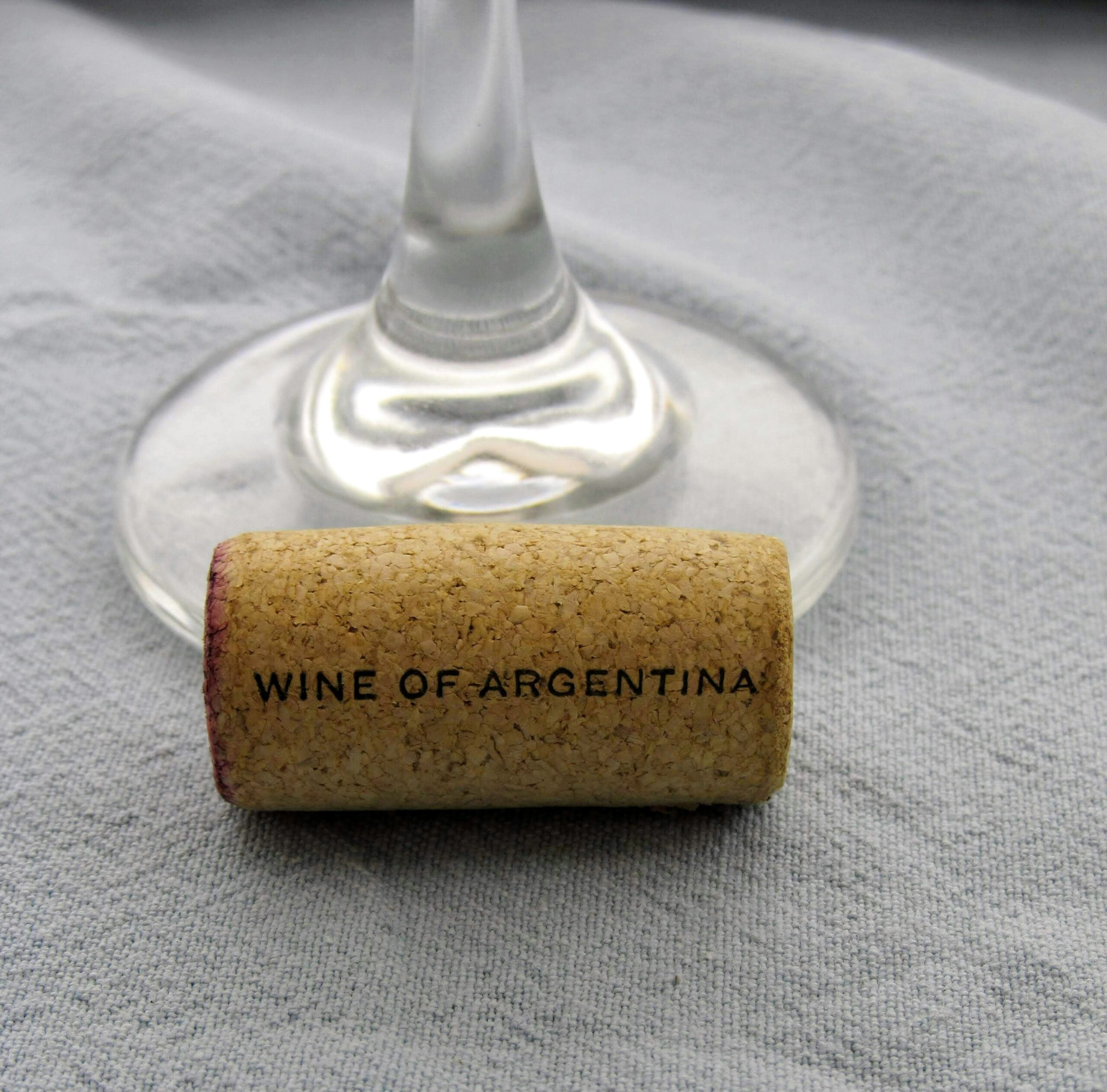
    April 17th isn’t just another day on the calendar—it’s a reason to pour yourself a glass of something bold and delicious. International Malbec Day is a celebration of Argentina’s signature grape, a wine that went from a forgotten French varietal to a global sensation. But how did Malbec get here? And more importantly, why should you be drinking it? Let’s dive in.

    A Grape with a Passport

    Malbec wasn’t born in Argentina—it started in France, in the Cahors region, where it was called “Cot.” Back then, it was rough around the edges, tannic, and not exactly winning popularity contests. Then, in 1853, Argentina stepped in. The country was looking to improve its wine industry, so they brought in Michel Aimé Pouget, a French agronomist, who introduced Malbec to local vineyards. The timing was perfect—French vineyards were soon devastated by disease, and Malbec nearly disappeared from its homeland. But in Argentina? It thrived.

    Today, Argentina produces a whopping 75% of the world’s Malbec, with Mendoza as its heart and soul. The region’s high-altitude vineyards, sunny days, and cool nights create the perfect conditions for Malbec to develop deep flavors, smooth tannins, and just the right amount of spice.

    What Makes Malbec So Good?

    If you love red wine but don’t want something overly heavy or oaky, Malbec hits that sweet spot. It’s full-bodied but smooth, with big, juicy flavors of blackberry, plum, and black cherry, plus hints of cocoa, leather, and spice. And while it’s fantastic to drink young, some Malbecs age beautifully, developing even more complexity over 5-10 years.

    What to Eat with Malbec

    Malbec isn’t a wine that likes to sit on the sidelines—it wants to be paired with food. And not just any food, but the kind of bold, flavorful dishes that can keep up with its intensity. Here’s what to serve with your next bottle:

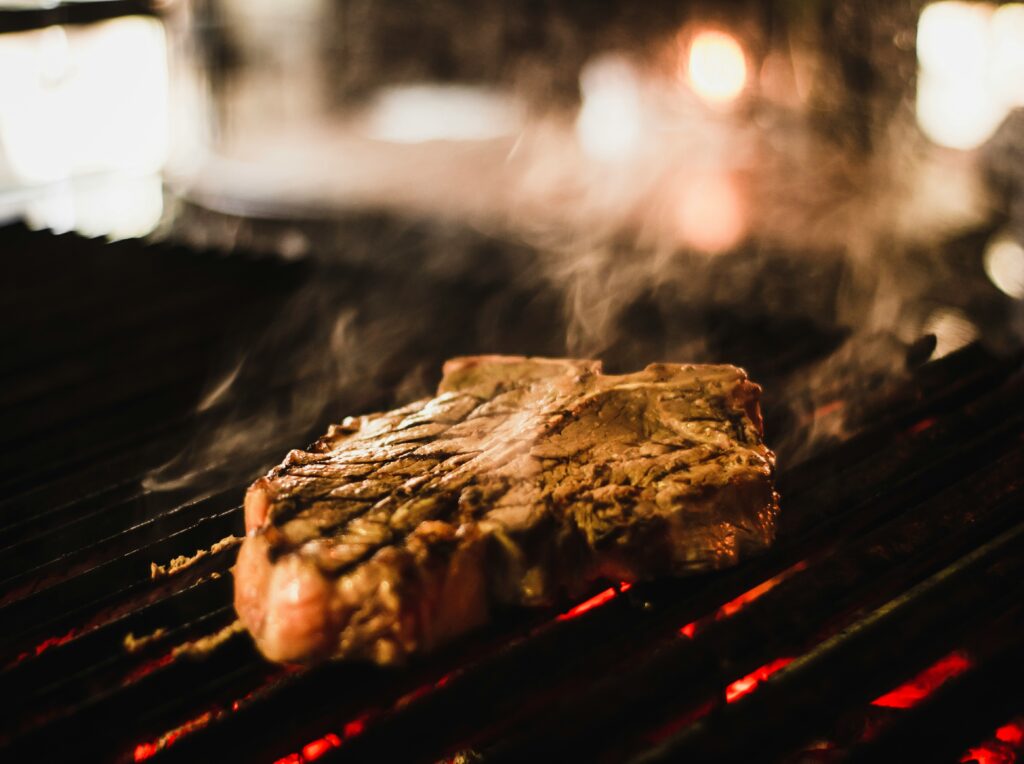
    🔥 Grilled Meats & BBQ – The smoky, charred edges of steak, lamb, or ribs are a dream with Malbec’s dark fruit and peppery finish. Argentina figured this out a long time ago—just add a little chimichurri, and you’re golden.

    🧀 Aged Cheeses – The balance of fruit and tannins in Malbec makes it a great match for hard cheeses like aged cheddar, gouda, or manchego.

    🌶 Spicy Foods – Malbec’s ripe fruit and smooth finish help tame the heat of spicy empanadas, chorizo, or even a rich mole sauce.

    Why Malbec Deserves a Spot in Your Glass

    Malbec isn’t just a wine—it’s a story of resilience, reinvention, and pure deliciousness. Whether you’re grilling up a feast, ordering takeout, or just unwinding after a long day, there’s a Malbec for that. So this April 17th, do yourself a favor—pop a bottle, pour a glass, and toast to a grape that found its perfect home. 

    Cheers to Malbec! 

  • Easter Feasting: The Perfect Wine Pairings for Your Holiday Table

    Easter Feasting: The Perfect Wine Pairings for Your Holiday Table

    Easter is just around the corner! Atime of renewal, celebration, and, of course, an incredible feast. Whether you’re serving up a beautifully roasted rack of lamb, seasonal spring vegetables, a sweet-glazed ham, or ending with rich chocolate treats, the right wine can elevate your meal to new heights. Here are the perfect pairings for your Easter table, with two wines for each dish to suit different palates.

    Rack of Lamb & Trimmings

    Lamb is the ultimate Easter showstopper, with its tender, juicy richness and herbal seasonings. A bold wine with structure and depth is the perfect match.

    1. Bordeaux (Left Bank) – With its classic blend of Cabernet Sauvignon and Merlot, a Bordeaux from the Left Bank brings firm tannins, dark fruit flavors, and herbal undertones that mirror the rosemary and thyme often used to season lamb.
    2. Syrah (Northern Rhône, France) – Syrah’s peppery spice, deep blackberry notes, and smoky finish complement the charred crust of the lamb while standing up to the meat’s richness without overpowering it.

    Seasonal Easter Vegetables

    Spring’s bounty is full of vibrant, fresh flavors—from asparagus and peas to artichokes and more. These vegetables need wines with bright acidity and a crisp, refreshing nature.

    1. Sancerre (Loire Valley, France) – This Sauvignon Blanc is known for its high acidity, citrus zest, and minerality, making it a perfect match for fresh green vegetables like asparagus and peas.
    2. Grüner Veltliner (Austria) – With notes of white pepper, green apple, and citrus, Grüner Veltliner provides a wonderful contrast to the delicate, grassy notes of spring vegetables, making every bite taste even fresher.

    Easter Glazed Ham

    The balance of sweet and salty in glazed ham calls for wines that can handle both elements, either by complementing the sweetness or cutting through the richness with acidity.

    1. Riesling (Germany or Alsace) – A slightly off-dry Riesling has just enough sweetness to complement the glaze while its zippy acidity keeps everything balanced, refreshing your palate with each sip.
    2. Pinot Noir (Oregon or Burgundy, France) – A fruit-forward Pinot Noir with bright red cherry, cranberry, and earthy notes provides a perfect contrast to the salty, smoky ham while enhancing its sweet glaze.

    Chocolate Desserts

    No Easter celebration is complete without a touch of chocolate, whether it’s a silky mousse, rich cake, or classic chocolate eggs. The right wine can bring out the depth of cocoa and sweetness without being overwhelmed.

    1. Ruby Port (Portugal) – A rich, fruit-driven fortified wine, Ruby Port is packed with blackberries, plums, and a hint of spice, making it a perfect match for dark chocolate.
    2. Brachetto d’Acqui (Piedmont, Italy) – This lightly sparkling red wine has a natural sweetness with notes of strawberries and rose petals, making it an incredible pairing for milk chocolate or fruit-infused chocolate treats.

    This Easter, let wine be the finishing touch to your delicious feast. Whether you prefer bold reds, crisp whites, or something sweet to end the meal, these pairings will bring out the best in every dish. Cheers to a joyful and delicious Easter celebration! 

  • By Popular Demand: More Unexpected Plant-Based Food and Wine Pairings You Need to Try

    By Popular Demand: More Unexpected Plant-Based Food and Wine Pairings You Need to Try

    You asked for more, so here it is! Our last blog on unique plant-based food and wine pairings sparked so much interest that we had to continue the conversation. Whether you’re fully plant-based or just looking to expand your pairing game, these combinations will bring out the best in both your food and your wine. PS: We did 10 this time!

    1. Thai Green Curry and Riesling (Germany)

    Spicy, aromatic, and creamy, Thai green curry is a complex dish that needs a wine with the right balance of sweetness and acidity. Enter Riesling, a classic pairing for spicy foods. A German Riesling with a hint of residual sugar tames the heat while enhancing the citrus and herbal notes of the curry.

    Why It Works: The natural sweetness of Riesling softens the spiciness, while its acidity refreshes the palate between bites. The floral and citrusy undertones also complement the lemongrass and coconut milk in the dish.

    2. Mediterranean Mezze Platter and Assyrtiko (Greece)

    A mezze platter—loaded with hummus, baba ganoush, olives, stuffed grape leaves, and fresh vegetables—brings together a variety of flavors and textures. A crisp Greek Assyrtiko provides the perfect backbone with its bright acidity and minerality.

    Why It Works: Assyrtiko’s high acidity cuts through the richness of dips like hummus while enhancing the briny, savory notes of olives and grape leaves. It’s an effortlessly Mediterranean pairing.

    3. Spicy Lentil Tacos and Gamay (France)

    Lentil tacos are a hearty, spicy, and protein-packed plant-based alternative to traditional tacos. A juicy, fruit-forward Gamay (like a Beaujolais) provides a light, refreshing contrast.

    Why It Works: Gamay’s bright berry flavors and low tannins complement the smoky spices in the lentils without clashing. Its refreshing nature also balances out the heat from salsas or chili peppers.

    4. Eggplant Parmesan and Montepulciano d’Abruzzo (Italy)

    Eggplant Parmesan is rich, cheesy (thanks to plant-based alternatives), and full of tomato goodness. It calls for a bold, Italian red like Montepulciano d’Abruzzo, which has enough acidity to cut through the dish’s richness.

    Why It Works: The vibrant acidity in Montepulciano balances the tangy tomato sauce, while its dark fruit flavors complement the roasted eggplant. Plus, the tannins stand up to any creamy plant-based cheese used in the dish.

    5. Miso-Glazed Eggplant (Nasu Dengaku) and Sancerre (France)

    Miso-glazed eggplant is an umami bomb—sweet, salty, and deeply savory. It pairs beautifully with a crisp Sancerre, a Sauvignon Blanc from France’s Loire Valley.

    Why It Works: Sancerre’s minerality and citrus notes bring out the caramelized miso glaze’s depth while cleansing the palate from the eggplant’s silky texture.

    6. Vegan Mushroom Stroganoff and Syrah (Australia)

    Mushrooms provide a meaty, umami-packed base for a plant-based Stroganoff. A bold Australian Syrah (Shiraz) matches the dish’s depth with its dark fruit, pepper, and earthy notes.

    Why It Works: Syrah’s spice and richness enhance the umami of mushrooms, while its structured tannins balance the dish’s creamy sauce.

    7. Jackfruit Pulled “Pork” Sandwich and Zinfandel (California, USA)

    Jackfruit’s fibrous texture and mild sweetness make it a fantastic substitute for pulled pork. When slathered in barbecue sauce, it pairs beautifully with a bold, jammy Zinfandel.

    Why It Works: Zinfandel’s ripe berry notes and smoky undertones complement the sweet and tangy barbecue sauce, while its bold body matches the dish’s richness.

    8. Vegan Sushi Rolls and Albariño (Spain)

    Sushi rolls filled with avocado, cucumber, and pickled vegetables need a wine that’s crisp and fresh. Albariño, a Spanish white, delivers bright citrus, saline minerality, and a zesty finish.

    Why It Works: Albariño’s high acidity and citrusy notes mirror the brightness of sushi’s ingredients, while its minerality enhances the umami flavors from seaweed and soy sauce.

    9. Spaghetti Aglio e Olio and Verdicchio (Italy)

    A simple yet flavorful pasta dish featuring garlic, olive oil, and red pepper flakes pairs wonderfully with Verdicchio, a lesser-known Italian white wine with crisp acidity and a slightly nutty finish.

    Why It Works: Verdicchio’s zesty citrus and almond notes balance the rich olive oil and garlic, while its minerality keeps the dish feeling light and fresh.

    10. Vegan Cheesecake and Moscato d’Asti (Italy)

    A creamy, dreamy plant-based cheesecake deserves a wine that’s equally delightful. A lightly sparkling Moscato d’Asti, with its natural sweetness and floral notes, is a perfect match.

    Why It Works: Moscato’s gentle bubbles and peachy sweetness complement the cheesecake’s creamy texture and slight tang, making for a refreshing, indulgent pairing.

    It’s undeniable that Plant-based dining doesn’t mean sacrificing great wine pairings. In fact, these unexpected combinations bring out the best in both the wine and the food, creating a sensory experience that’s anything but ordinary. Try these pairings, experiment with your favorites, and let your palate be your guide!

  • The Ultimate Guide to Crafting the Perfect Charcuterie Board and Wine Pairings

    The Ultimate Guide to Crafting the Perfect Charcuterie Board and Wine Pairings

    A charcuterie board is the ultimate way to entertain guests, combining flavors, textures, and colors in a visually stunning and delicious way. Whether you’re hosting a small gathering or a larger crowd, creating the perfect charcuterie board is easier than it seems. The key is balancing flavors, thinking about presentation, and ensuring everything is accessible and balanced. Here’s your guide to curating a beautiful, flavorful charcuterie board with wine pairings, including vegetarian options.

    How to Build Your Charcuterie Board

    When selecting meats and cheeses, aim for variety in both flavor and texture. Opposing flavors create a dynamic, balanced experience. For meats, combine salty, spicy, and smoky options:

    • Prosciutto: Soft and salty, pairs well with creamy cheeses and fruits.
    • Chorizo: Spicy and smoky, contrasts beautifully with delicate flavors.
    • Salami: Bold and tangy, works with rich cheeses and fresh fruit. 

    For cheeses, combine mild and sharp textures:

    • Brie: Creamy and mild, pairs with prosciutto and fruits.
    • Aged Cheddar: Sharp and tangy, complements richer meats like salami.
    • Manchego: Nutty and firm, pairs with chorizo.

    If opting for a vegetarian option, choose cheeses with varied textures like goat cheese and aged Manchego. Add vegetarian “meats” like plant-based deli slices, marinated tofu, or veggie sausages.

    Vegetables, Fruits, and Accompaniments

    Fresh fruits like grapes, figs, and olives add a burst of sweetness and tang, while pickles provide a contrast to creamy cheeses. Add pomegranate seeds for color and crunch, or nuts like almonds or walnuts for texture.

    For breads, consider crackers or a simple baguette for an affordable option. Arrange them around the board so guests can easily grab a piece.

    Arranging Your Board

    Start by placing your larger items like cheeses and meats, spacing them out evenly. Add fruits, nuts, and spreads around the edges. Don’t cluster similar items—spread everything evenly to ensure accessibility.

    Wine Pairings

    • Prosecco or Cava: Sparkling wines pair well with any cheese and meat.
    • Pinot Noir or Garnacha: Great for sharp cheeses like cheddar or spicy meats.
    • Sauvignon Blanc or Chablis: Crisp whites that complement goat cheese and fruits.
    • Rosé: A versatile option for a variety of flavors on the board.

    A charcuterie board is all about variety and presentation. With balanced flavors and thoughtful arrangement, you’ll create an inviting, delicious spread that’s sure to impress any guest.

  • Top 10 Plant-Based Food and Wine Pairings You Must Try

    Top 10 Plant-Based Food and Wine Pairings You Must Try

    Plant-based eating has moved from a niche lifestyle to a mainstream culinary movement. Whether motivated by health reasons, environmental concerns, or ethical considerations, more and more people are embracing plant-based diets. But one common question remains: what wine pairs best with plant-based dishes?

    The good news is that plant-based food can be just as versatile with wine as traditional fare. Here are 10 great plant-based food and wine pairings that are sure to elevate your dining experience and make you look like a pro:

    1. Vegan Mushroom Risotto & Chardonnay
    Mushrooms have an earthy, umami flavor, and they pair wonderfully with a rich, oaked Chardonnay. The creamy texture of the risotto, combined with the deep mushroom flavors, is complemented by the subtle vanilla and buttery notes in the wine.

    2. Grilled Veggie Skewers & Sauvignon Blanc
    Grilled vegetables like peppers, zucchini, and mushrooms have smoky and savory notes that are balanced perfectly with the crisp acidity and herbal character of a Sauvignon Blanc. The wine’s vibrant profile will also highlight the fresh flavors of the vegetables.

    3. Spaghetti with Vegan Pesto & Pinot Grigio
    Pesto, with its rich basil, pine nut, and olive oil base, requires a wine that complements its herbal and nutty flavors. A bright and fresh Pinot Grigio is a perfect match, offering crisp acidity and delicate citrus notes that won’t overpower the dish.

    4. Vegan Tacos with Spicy Salsa & Rosé
    Spicy, zesty, and full of bold flavors, vegan tacos filled with plant-based proteins like jackfruit or lentils can be paired with a chilled Rosé. The wine’s refreshing acidity and hints of red berries will cut through the spice while enhancing the vibrancy of the salsa.

    5. Vegan Burger & Zinfandel
    For a satisfying vegan burger, often made from lentils, black beans, or chickpeas, try pairing it with a bold Zinfandel. The wine’s fruit-forward profile and peppery finish will complement the smoky flavors of the patty and any accompanying BBQ sauce or grilled veggies.

    6. Grilled Asparagus & Sauvignon Blanc
    Grilled asparagus has a smoky and slightly bitter flavor, making it the perfect match for the herbal and citrusy profile of a Sauvignon Blanc. The acidity and crisp finish of the wine will enhance the natural sweetness of the asparagus.

    7. Vegan Sushi & Champagne
    Vegan sushi, often filled with avocado, cucumber, and pickled vegetables, pairs beautifully with a glass of bubbly. The effervescence of Champagne cleanses the palate between bites, while the wine’s crisp acidity enhances the delicate, fresh flavors of the sushi.

    8. Vegan Chili & Merlot
    For a hearty bowl of vegan chili packed with beans, vegetables, and a touch of spice, Merlot offers a soft, fruity balance. Its smooth tannins and ripe berry flavors won’t overpower the heat in the chili but will bring a comforting richness to each bite.

    9. Vegan Cheese Platter & Pinot Noir
    A well-curated vegan cheese platter, featuring everything from cashew-based cheeses to creamy coconut cheeses, pairs beautifully with a light, fruit-forward Pinot Noir. The wine’s elegant acidity and red fruit notes will balance the richness of the cheese without overwhelming the palate.

    10. Roasted Cauliflower Steak & Syrah
    For a main dish with a deep, roasted flavor, cauliflower steaks are an excellent choice. Pair it with a Syrah, whose bold tannins and flavors of dark fruit and spices will complement the caramelized edges of the cauliflower and its savory profile.

    The plant-based revolution is here to stay, and it’s not just for vegans. Whether you’re a full-on vegan or simply exploring new options, these 10 food and wine pairings show that plant-based eating and wine go hand in hand. With the right wine, you can elevate plant-based dishes and enjoy a wine experience as complex and rewarding as any traditional pairing.

    Are you ready to try these unique combinations? Whether you’re hosting a plant-based dinner party or simply enjoying a meal at home, these wine pairings are sure to impress.

  • The Winter of Cabernet Franc: Why This Red is Dominating 2025

    The Winter of Cabernet Franc: Why This Red is Dominating 2025

    Cabernet Franc has been quietly working its way into the spotlight, and in 2025, it’s definitely having a moment. Once considered more of a supporting player in Bordeaux blends, it’s now showing up in the limelight all on its own. With its fresh, approachable vibe and super versatile flavors, Cabernet Franc is stealing the show—and here’s why you should pay attention.

    What’s So Special About Cabernet Franc?

    So why is this red suddenly getting so much love? Well, for starters, Cabernet Franc is the kind of wine that works in all sorts of climates. Whether it’s from France’s Loire Valley, California’s Napa Valley, or even the Pacific Northwest, Cabernet Franc brings something special to the table. Unlike Cabernet Sauvignon, which can be big and bold, Cabernet Franc tends to be a little lighter and more drinkable, which makes it perfect for a wide variety of palates.

    What really makes this wine pop is its unique flavor profile. Imagine fresh red fruits like raspberries and cherries, mixed with hints of green bell pepper, tobacco, and sometimes even a little floral note. It’s complex, but not too overpowering—just the right balance between fruitiness and herbal undertones. It’s like a breath of fresh air in a world of heavier reds.

    Where’s It Grown?

    In places like Napa Valley and Paso Robles, California has started to take notice of Cabernet Franc’s potential. But it’s not just California leading the charge—areas like New York’s Finger Lakes and Washington’s Columbia Valley are starting to produce fantastic bottles as well. What’s cool is that Cabernet Franc can adapt to different regions, so no matter where it’s grown, it reflects the unique flavors of that place.

    Even in its traditional home, France’s Loire Valley, Cabernet Franc has been thriving for ages. But now, more winemakers are realizing how special it is as a stand-alone wine, rather than just a blending grape. Whether you’re in the U.S. or France (or anywhere in between), you’re bound to find some amazing Cabernet Franc bottles to try.

    Why 2025 is Cabernet Franc’s Year

    If you haven’t tried Cabernet Franc yet, now’s the time. It’s the perfect red for people who want something fresh and flavorful without the heaviness of other reds. Whether you’re sipping it on its own or pairing it with food, this wine is quickly becoming a go-to for wine lovers everywhere.

    What makes it even better is that it’s not just a “drink now” wine—Cabernet Franc ages beautifully, so collectors are also getting excited about it. Whether you’re a casual wine drinker or a collector, this is one wine that’s definitely worth adding to your list.

    What to Pair It With

    The best part about Cabernet Franc is how well it pairs with food. Thanks to its light body and bright acidity, it’s a fantastic match for all sorts of dishes. Try it with grilled meats like lamb or roast chicken, or go for roasted veggies and mushrooms if you’re looking for something a little lighter. It also pairs beautifully with cheese—think Brie, Camembert, or even something sharper like Gruyère. The freshness of the wine cuts through the richness of the cheese, making it a winning combo.

    Cabernet Franc is having its moment, and for good reason. It’s got a unique flavor profile, it’s easy to drink, and it pairs perfectly with food. Whether you’re new to this wine or a long-time fan, now is the perfect time to explore everything it has to offer. With so many incredible bottles out there, it’s safe to say that Cabernet Franc is no longer just a blend—it’s a star in its own right.

    So next time you’re in the wine store or browsing your wine list, be sure to give Cabernet Franc a try. You won’t regret it.

  • Easy Tips on The Art of Wine Pairing

    Easy Tips on The Art of Wine Pairing

    Wine Education

    Wine pairing is about finding harmony between your drink and your dish. A few simple principles can elevate your dining experience, helping flavors shine together rather than compete. Here’s a contemporary guide to mastering the art of pairing wine and food.

    1. Match Intensity: Pair wine and food with similar weight and flavor intensity. Light dishes, like salads or seafood, work beautifully with light-bodied wines such as Sauvignon Blanc or Pinot Grigio. Richer dishes—think steak or stews—call for robust reds like Cabernet Sauvignon or Malbec. The key is balance: neither the wine nor the dish should overpower the other.

    Quick Pairing Examples:

    • Light: Sauvignon Blanc with a Caprese salad or citrus-marinated shrimp.

    • Medium: Pinot Noir with mushroom risotto.

    • Heavy: Cabernet Sauvignon with ribeye steak or lamb stew.

    2. Balance Acidity: Acidity in wine brightens flavors and cuts through richness. High-acid wines, like Albariño or Sauvignon Blanc, complement dishes with acidity, such as vinaigrettes or citrus-infused seafood. For creamy or buttery dishes, choose moderate-acid wines like Chardonnay.

    Quick Pairing Examples:

    • High-Acid Wines: Albariño with ceviche or Greek salad.
    • Moderate-Acid Wines: Chardonnay with scallops in cream sauce.
    • Low-Acid Wines: Malbec with BBQ ribs.

    3. Sweetness and Spice: A touch of sweetness in wine can tame spicy dishes or enhance desserts. Off-dry Rieslings are perfect for Thai or Indian cuisine, while sweet wines like Sauternes pair excellently with rich desserts or salty cheeses. The rule is simple: match or exceed the dish’s sweetness to avoid clashes.

    Quick Pairing Examples:

    • Sweet: Sauternes with crème brûlée.
    • Off-Dry: Gewürztraminer with spicy curry.
    • Dry: Prosecco with oysters.

    4. Understand Tannins: Tannins, found in red wines, bring structure and texture. High-tannin wines like Cabernet Sauvignon pair well with fatty, protein-rich dishes, as tannins cut through the richness. For more delicate flavors, choose wines with lower tannins, such as Pinot Noir.

    Quick Pairing Examples:

    • High-Tannin: Cabernet Sauvignon with lamb chops.
    • Moderate-Tannin: Merlot with roast turkey.
    • Low-Tannin: Pinot Noir with grilled salmon.

    5. Regional Pairing: The phrase “What grows together goes together” often holds true. Regional pairings celebrate the natural harmony between local foods and wines. For instance, Italian Chianti complements pasta dishes, while Oregon Pinot Noir pairs well with Pacific Northwest salmon.

    Quick Pairing Examples:

    • Italian: Chianti with spaghetti carbonara.
    • French: Burgundy with coq au vin.
    • Local: Oregon Pinot Noir with salmon.

    6. Mind the Texture: The texture of food and wine affects the pairing. Creamy dishes, like risotto or Alfredo, pair well with wines with a similar mouthfeel, such as buttery Chardonnay. Light, crisp dishes, like oysters, go best with zesty wines like Sauvignon Blanc.

    Quick Pairing Examples:

    • Creamy: Chardonnay with lobster bisque.
    • Crisp: Sauvignon Blanc with oysters.
    • Smooth: Pinot Grigio with poached halibut.

    7. Explore and Experiment: Some of the most delightful pairings come from stepping outside the rules. Try unconventional combinations, like a dry rosé with sushi or a Nebbiolo with mac and cheese. Experiment with seasonal pairings, such as Zinfandel at a summer barbecue or Port by the fire in winter.

    Quick Pairing Examples:

    • Adventurous: Viognier with Thai curry or rosé with sushi.
    • Seasonal: Syrah with hearty fall stews.

    8. Trust Your Taste: At the end of the day, the best pairing is the one you enjoy. These guidelines are a starting point, but your preferences matter most. Whether it’s a favorite Merlot with roast chicken or Moscato with dessert, trust your instincts and savor every sip.

    Wine pairing is both an art and a journey. Use these tips to guide your exploration but remember; the best discoveries often happen when you follow your own palate. Cheers!